
The role of technology in the automation of personal financial planning
The Digital Transformation of Financial Management
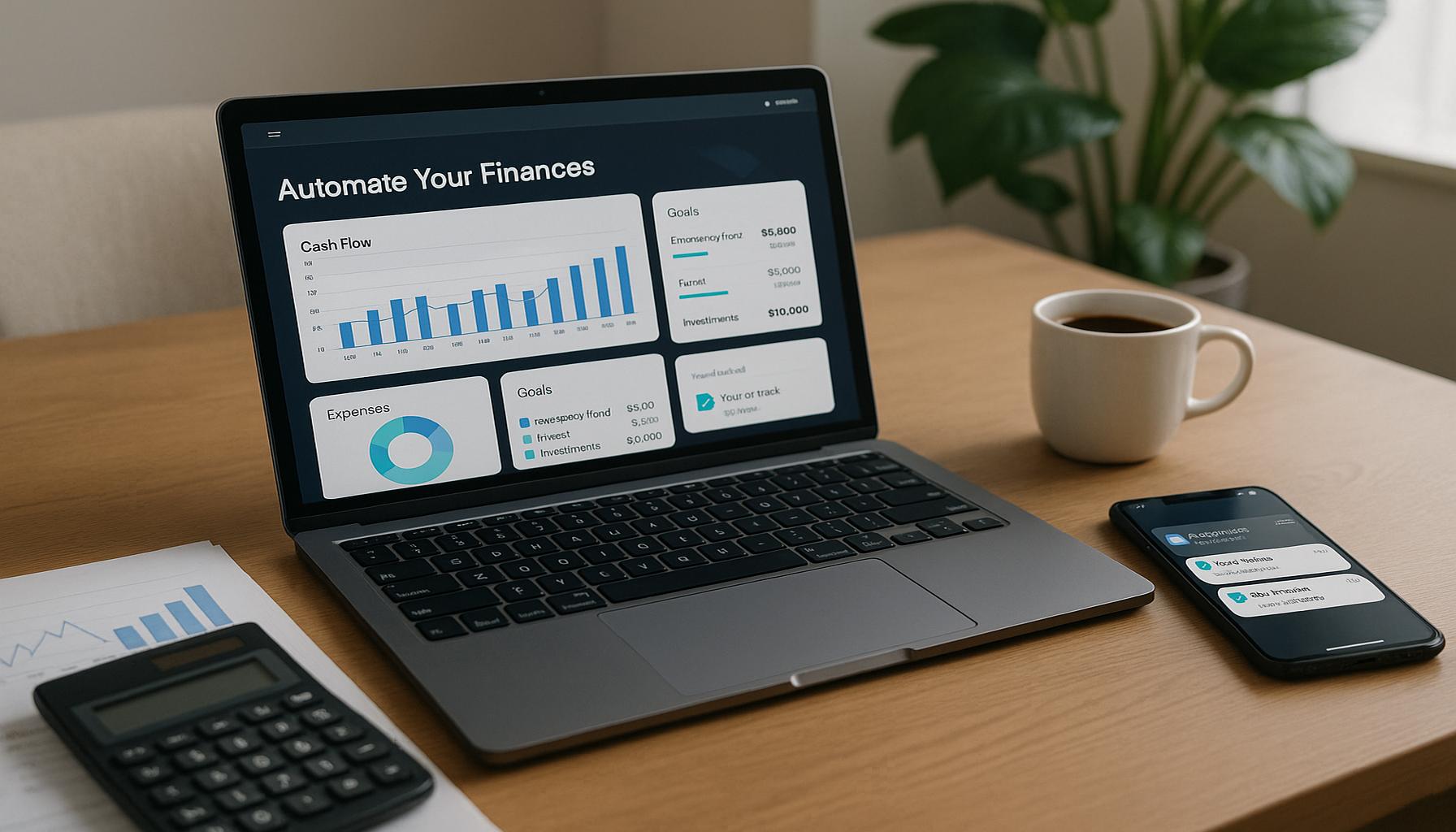
In today’s fast-paced world, technology has transformed how we manage our finances. The advent of numerous digital tools has empowered individuals like never before to enhance their financial literacy and decision-making processes. Gone are the days of tedious paperwork, complex calculations, and the overwhelming task of tracking expenses through notepads. Instead, personal financial planning has evolved into a streamlined experience through intuitive apps and automated systems that are just a couple of clicks away.
The Advantages of Technology in Financial Planning
The integration of technology in financial management provides various advantages. For instance, consider accessibility: financial tools are available 24/7 on smartphones and computers, making planning incredibly convenient. No longer do individuals have to wait for a bank’s opening hours or sift through mountains of paperwork. One can easily check their bank account, track expenses, or make an investment from virtually anywhere, be it during a lunch break or while commuting.
Data analysis is another significant benefit. Automated systems can analyze spending patterns and offer insights to help optimize budgets. For example, banks like Chase and Wells Fargo provide personalized spending reports that categorize expenses and highlight spending trends. This not only aids in understanding where one’s money goes but also allows for more informed decisions moving forward.
Moreover, the aspect of goal setting has seen vast improvement through technology. Users can now easily set, track, and adjust their financial objectives with just a few clicks. Many budgeting apps, like Mint or YNAB (You Need A Budget), allow users to create savings goals for vacations, debt repayments, or even emergency funds, providing visual representations of progress that keep users motivated.
Adaptive Tools for Various Financial Needs
Technologies cater to different financial needs, from budgeting to investing, and this versatility is vital for achieving long-term financial wellness. Innovations like robo-advisors, such as Betterment and Wealthfront, provide algorithm-driven investment advice at a fraction of the cost of traditional financial advisors. They analyze users’ risk tolerance and financial goals to offer tailored investment strategies, making it easier for everyday people to grow their wealth without the hefty fees associated with human advisors.
Similarly, budgeting apps simplify tracking expenses and savings, making it possible for users to maintain a clear view of their financial situation. These apps often sync with bank accounts, automatically categorizing transactions and flagging unusual spending, which can help users stay on course with their budgets.
The Balance Between Automation and Engagement
As we delve deeper into the role of technology in automating personal financial planning, it’s essential to consider both the benefits and the challenges it presents. While automation undoubtedly enhances efficiency and streamlines processes, it is crucial for users to remain informed and engaged in their financial decisions. Over-relying on technology might lead to complacency, causing individuals to overlook significant changes in their financial landscapes or make uninformed choices.
Ultimately, technology has ushered in a new era of financial management, where tools that once seemed complex are now user-friendly and accessible. As individuals navigate through this digital landscape, balancing automation with personal engagement will be key in securing their financial future.
Embracing Financial Technology for Automation
The shift towards automated personal financial planning is heavily fueled by the rapid advancements in technology. Today, individuals can harness an array of features designed to simplify and refine their approach to managing money. From budgeting to investment management, technology has created an ecosystem where financial planning is not only more accessible but also remarkably efficient.
One of the core aspects of this automation is real-time tracking. With the rise of mobile banking and budgeting apps like Mint and Personal Capital, users can instantly monitor their financial activities. These applications sync with various bank accounts and records, providing a comprehensive view of their finances at any moment. This immediate access allows users to stay alert about their spending habits while empowering them to make real-time adjustments to their budgets, ensuring they are on track to meet their financial goals.
Additionally, the role of technology in enhancing financial literacy cannot be overstated. Educational platforms and tools have emerged to provide users with comprehensive financial education. Apps like Khan Academy and Coursera offer courses on budgeting, investing, and debt management, helping individuals understand the principles behind their financial decisions. This knowledge enables them to utilize financial tools more effectively, making informed decisions about their money.
Key Features Enhancing Financial Planning
In the automation landscape, several key features stand out, making personal financial management not only simpler but also more impactful. Here are some notable elements:
- Automated Savings: Many banking apps now offer features that automatically transfer a percentage of users’ income into savings accounts. This “set it and forget it” strategy makes saving easier.
- Expense Categorization: Technology-driven platforms can automatically analyze and categorize transactions, allowing users to understand their spending patterns without the manual effort of tracking every dime.
- Investment Automation: Robo-advisors create personalized investment portfolios based on individual risk tolerance and preferences, eliminating the need for extensive market knowledge.
- Alerts and Notifications: Financial apps often provide alerts for bills due, budget limits reached, or unusual spending, helping users maintain greater control over their finances.
These features enhance not only compliance with financial goals but also motivate users to actively engage in their financial journeys. By simplifying responsibilities and automating repetitive tasks, technology creates more time for individuals to plan, reflect, and utilize their resources effectively.
However, while automating these processes can bring efficiency and simplicity, financial awareness remains paramount. Users must remember that while technology provides tools and insights, the ultimate responsibility for their financial decisions lies with them. Therefore, striking a balance between utilizing technological advancements and remaining actively involved in their financial planning journey is crucial for attaining lasting economic well-being.
Integrating AI and Machine Learning into Financial Management
The integration of artificial intelligence (AI) and machine learning into personal financial planning is revolutionizing how individuals approach their finances. AI-powered algorithms can analyze vast amounts of data, enabling users to receive tailored advice based on their unique financial situations. For example, platforms like Betterment and Wealthfront utilize AI to analyze market trends and personal financial data, suggesting personalized investment opportunities that align with users’ goals and risk tolerances. This level of customization significantly enhances the efficacy of investment strategies, allowing everyday investors to build robust portfolios typically reserved for professional investors.
Furthermore, financial chatbots are becoming increasingly popular as they provide immediate assistance and support. Banks and financial services utilize chatbots to answer queries about transactions, account balances, and budgeting tips 24/7. This technology not only enhances the user experience but also reduces the burden on customer service representatives, allowing them to focus on more complex inquiries. Users benefit from having their financial questions addressed whenever they arise, fostering an environment where individuals are more informed and empowered to manage their finances effectively.
Streamlined Tax Management and Filing
Tax season can be daunting, but technology is transforming this annual challenge into a more manageable process. Tax preparation software such as TurboTax and H&R Block have incorporated automation capabilities that simplify tax filing. These platforms guide users step-by-step through the tax preparation process, using algorithms to identify potential deductions and credits that clients might overlook. Additionally, many of these services carry out automatic updates to reflect the latest tax laws, ensuring compliance and minimizing the risk of errors.
The data integration capabilities of these tools also allow users to import financial information from various sources seamlessly, such as bank accounts and investment records. This consolidation enhances accuracy and saves time, making tax filing less of a chore and more of a streamlined process. Consequently, individuals can feel more at ease knowing their taxes are handled efficiently, encouraging them to remain actively engaged in their fiscal responsibilities.
The Future of Financial Planning: Blockchain and Cryptocurrencies
Looking ahead, the emergence of blockchain technology and cryptocurrencies is poised to further revolutionize personal financial planning. Blockchain offers a decentralized ledger system that enhances transparency and security in financial transactions. This advancement will be critical in mitigating fraud and giving users more control over their financial data, potentially reshaping how individuals approach their investments and savings. Platforms such as Coinbase and Binance allow investors to manage cryptocurrency assets while providing educational resources to help them navigate this new landscape.
As these technologies continue to evolve, the automation of personal financial planning is likely to become even more sophisticated, providing users with increasingly advanced insights and strategies for wealth management. Innovative solutions that blend traditional financial management with blockchain and AI are likely to pave the way for a new era of personal finance—one marked by accessibility, understanding, and empowerment.
Ultimately, the role of technology in personal financial planning is to enhance the user experience, but users must remain engaged with the process. While the availability of advanced tools can simplify financial tasks, individuals are encouraged to harness these technologies with a comprehensive understanding of their implications, thereby ensuring that their financial futures are as robust and secure as possible.
Conclusion
The rapid advancement of technology is profoundly reshaping the landscape of personal financial planning, making it more accessible and efficient for individuals from all walks of life. From AI-driven investment platforms that personalize strategies to meet specific financial goals, to automated tax preparation tools that streamline the often-daunting tax filing process, technology is fostering a new environment that empowers users to take charge of their financial futures.
Moreover, the integration of innovative solutions such as blockchain and cryptocurrencies adds another layer of complexity and opportunity to personal finance. These technologies not only enhance transparency and security but also give individuals unprecedented control over their financial data. As users navigate this evolving realm, it is essential to approach these tools with a well-informed mindset, understanding both the benefits and the potential risks involved.
In conclusion, while technology undeniably simplifies financial planning tasks, it is the active engagement of users that ultimately defines success in personal finance. As individuals harness these cutting-edge tools with knowledge and foresight, they can build a more secure financial future, characterized by informed decisions and strategic investments. The synergy between technology and personal finance is not just a trend—it’s a powerful movement towards a more engaged, educated, and empowered consumer base ready to face the financial challenges of tomorrow.