The role of fintechs in the transformation of the banking sector: Recent news and challenges
The Shift in Banking Dynamics
The traditional banking landscape is witnessing an unprecedented shift, largely attributed to the emergence and growth of financial technology companies (fintechs). These innovative startups are not just changing the way we interact with our money; they are redefining the entire financial ecosystem. By leveraging cutting-edge technology, fintechs are providing solutions that tap into consumers’ evolving needs, resulting in a more dynamic and accessible banking experience.
Among the most impactful innovations contributed by fintechs are:
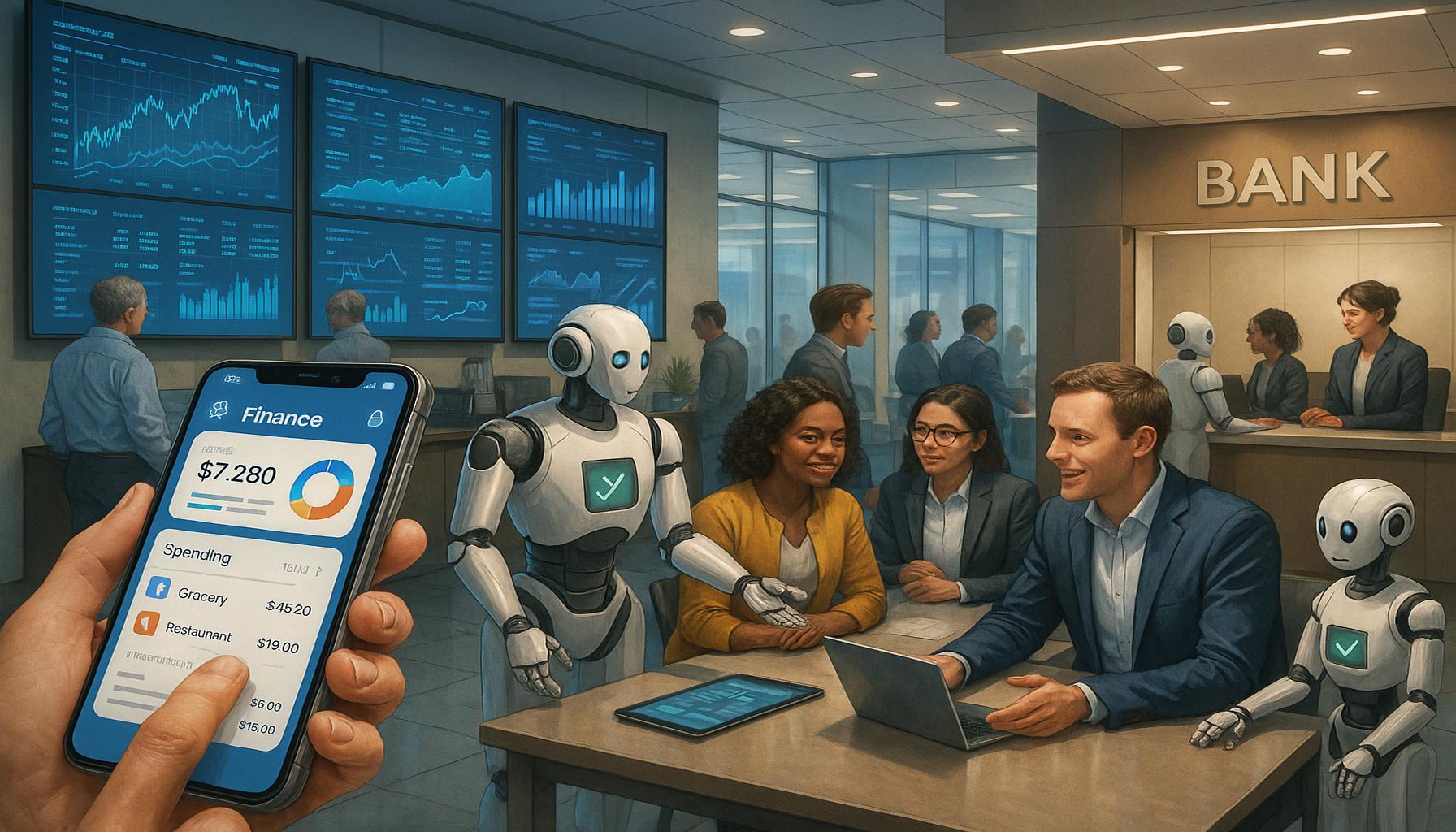
- Mobile banking apps: These applications empower users to perform banking activities anytime and anywhere. For example, a consumer can check their bank balance, transfer money, or pay bills directly from their smartphone, eliminating the need to visit a branch. Major banks like Chase and Bank of America have embraced this trend, allowing customers to perform a plethora of transactions through user-friendly mobile platforms.
- Peer-to-peer lending: Platforms like LendingClub and Prosper allow individuals to lend money to each other without traditional bank involvement. This model not only simplifies the lending process but also often results in lower interest rates for borrowers, while investors can earn a better return on their investments compared to traditional savings accounts.
- Cryptocurrency services: With the rise of digital currencies like Bitcoin and Ethereum, fintechs have made it easier for consumers to trade and invest in these assets. Companies such as Coinbase provide simple interfaces that guide novice users in buying, selling, and holding cryptocurrencies, thus democratizing access to this complex market.
These advancements are driving improved customer experiences and widening access to vital financial services. However, the rapid evolution of this sector does not come without its hurdles. Significant challenges that lie ahead for both fintechs and traditional banking institutions include:
- Regulatory hurdles: As fintech continues to grow, ensuring compliance with existing regulations becomes paramount. New technologies can sometimes outpace the regulatory framework, creating uncertainties for both startups and regulators that must adapt to new business models.
- Cybersecurity risks: With the increasing reliance on digital transactions, safeguarding sensitive financial data from cyber threats is crucial. Recent high-profile data breaches remind us of the vulnerabilities that exist, making cybersecurity a top priority for all financial institutions.
- Market competition: Traditional banks are facing fierce competition from agile fintech startups that can swiftly adapt to market demands. This dynamic pushes established banks to innovate constantly and improve their offerings to retain their customer base.
As we delve deeper into the multifaceted role of fintechs in the shifting banking landscape, it is essential to discuss current news developments and the unique challenges encountered by both fintechs and traditional institutions. This exploration will shed light on how these entities can coexist and perhaps even prosper in this new age of finance.
Innovations Driving Change in Banking
The rise of fintechs has catalyzed a wave of innovation in the banking sector, leading to significant transformations that enhance financial services for consumers. This change can be seen across various domains, where fintechs are not only streamlining processes but also introducing concepts that were previously foreign to traditional banking. Let’s explore some notable examples of these innovations that are reshaping the industry.
Digital Wallets have surged in popularity, allowing users to make transactions without physical cash or cards. Services such as PayPal, Venmo, and Apple Pay facilitate instant money transfers and online shopping, all from users’ smartphones. This easy access caters especially to younger consumers who prefer convenience in their financial transactions. According to recent studies, digital wallet usage in the U.S. is expected to grow substantially, driven by consumer preference for contactless payments.
Another transformational innovation is robo-advisory services, which employ algorithms to provide automated investment advice. Companies like Betterment and Wealthfront offer personalized investment plans based on individual risk tolerance and goals, democratizing financial advice that was once reserved for clients of large wealth management firms. This shift allows the average consumer to grow their wealth more efficiently, often at a lower cost, making investment opportunities more accessible.
Blockchain technology is yet another area where fintechs are leading the charge. By enabling secure and transparent transactions, blockchain has the potential to eliminate the need for intermediaries in various financial operations. Firms such as Ripple are transforming cross-border payments, making them faster and more cost-effective. This technology can significantly reduce transaction times from days to mere seconds, providing a game-changing advantage for banks and consumers alike.
- Open banking: This approach allows third-party developers to build applications and services around financial institutions. Open banking APIs enable customers to share their financial data securely with fintechs, enhancing competition and driving innovation. For instance, companies like Plaid empower users to connect their bank accounts with various fintech apps, creating a seamless experience across multiple platforms.
- Alternative credit scoring: Traditional credit scoring models often leave many potential borrowers on the sidelines. Fintechs such as ZestFinance are utilizing machine learning to analyze non-traditional data points, allowing them to provide loans to individuals who may not have a credit history but demonstrate creditworthiness through alternative metrics.
While the innovations driven by fintechs are undoubtedly transforming the banking sector, it is essential to consider the implications of these changes. Traditional banks are being challenged to rethink their strategies to remain competitive and meet the demands of a tech-savvy consumer base. As we navigate this landscape, understanding the impact of these innovations, including both the benefits and challenges they present, becomes critical for stakeholders across the financial spectrum.
Challenges Faced by Fintechs and Traditional Banks
While the innovations introduced by fintechs are indeed promising, they also come with a unique set of challenges that both fintech companies and traditional banks must navigate. Understanding these challenges is essential to fully appreciate how the banking sector is evolving in response to the rise of fintechs.
Regulatory hurdles are among the most significant challenges that fintechs must face. The financial services sector is often heavily regulated to protect consumers and maintain market integrity. Fintechs, particularly new entrants, may struggle to meet compliance requirements and regulatory standards that govern financial institutions. For instance, the complexities surrounding Know Your Customer (KYC) and Anti-Money Laundering (AML) regulations require fintechs to implement robust compliance frameworks, which can be resource-intensive and costly.
Moreover, traditional banks are not standing idly by as fintechs disrupt the market; they are increasingly responding by investing in their own technological solutions. Banks like JPMorgan Chase and Bank of America have made substantial investments in digital infrastructure, developing their own apps and services that rival fintech offerings. This competition is forcing fintechs to continually innovate, but it also raises questions about their long-term viability, particularly for smaller firms that may lack the financial backing to scale rapidly.
- Cybersecurity threats are another pressing concern. As fintechs rely heavily on technology to deliver their services, they become prime targets for cybercriminals. Data breaches or security lapses could undermine consumer trust and lead to significant financial damages. Fintechs must invest in advanced cybersecurity measures to protect customer data and financial information, which can detract from their investment in innovation.
- Market saturation also presents a challenge. The fintech landscape is becoming increasingly crowded, with new startups entering the market every day. Each new player competes for the attention of consumers, making it critical for existing fintechs to differentiate themselves. This competitive pressure can lead to aggressive pricing strategies and may affect profitability in the long run.
Another important consideration is the digital divide that persists in the United States. While fintech apps are widely adopted among younger and more affluent demographics, older generations or those living in rural areas might be less inclined to adopt digital solutions. This creates a disparity in access to financial services, counteracting the desire for inclusivity in the sector.
Finally, the integration of artificial intelligence (AI) and machine learning into fintech services raises ethical questions surrounding data usage and privacy. Fintechs that leverage AI to analyze consumer behavior must ensure they are doing so responsibly, with respect for consumer privacy. Striking the right balance between personalization and privacy will be crucial in maintaining and building consumer trust.
As the banking sector continues to evolve under the pressure of fintech innovation, both traditional banks and fintech startups must learn to adapt to these challenges. The interplay between these entities will shape the future of financial services, affecting everything from regulatory compliance to consumer accessibility. Recognizing and addressing these challenges is essential for fostering an ecosystem that benefits all participants in the financial landscape.
Conclusion
In summary, fintechs play a pivotal role in the transformation of the banking sector, driving innovations that enhance customer experiences and improve accessibility to financial services. Their emergence has not only spurred traditional banks to adopt cutting-edge technologies but has also fostered a competitive environment that ultimately benefits consumers. However, this dynamic landscape is not without its challenges. Regulatory compliance, cybersecurity threats, market saturation, and the digital divide are significant hurdles that both fintechs and established banks must address to thrive.
The ongoing evolution of fintech signifies a remarkable shift in consumer expectations, with demand for personalized, efficient, and accessible banking solutions becoming the norm. As such, fintechs must continue to innovate while ensuring responsible data usage and strong cybersecurity measures to protect consumer trust. At the same time, traditional banks must embrace this change, not merely as a response to competition but as an opportunity for collaboration that can lead to improved solutions for a broader range of customers.
Looking ahead, the relationship between fintechs and traditional banks will define the future of finance. For all participants in this space, addressing the emerging challenges and leveraging strengths while prioritizing customer-centric solutions will be critical. By fostering an environment that encourages innovation and inclusivity, the banking sector can better serve all consumers, regardless of their age or socioeconomic situation, ensuring that financial services are accessible and beneficial for everyone.