The role of credit cards in managing financial emergencies
The Importance of Credit Cards in Financial Emergencies
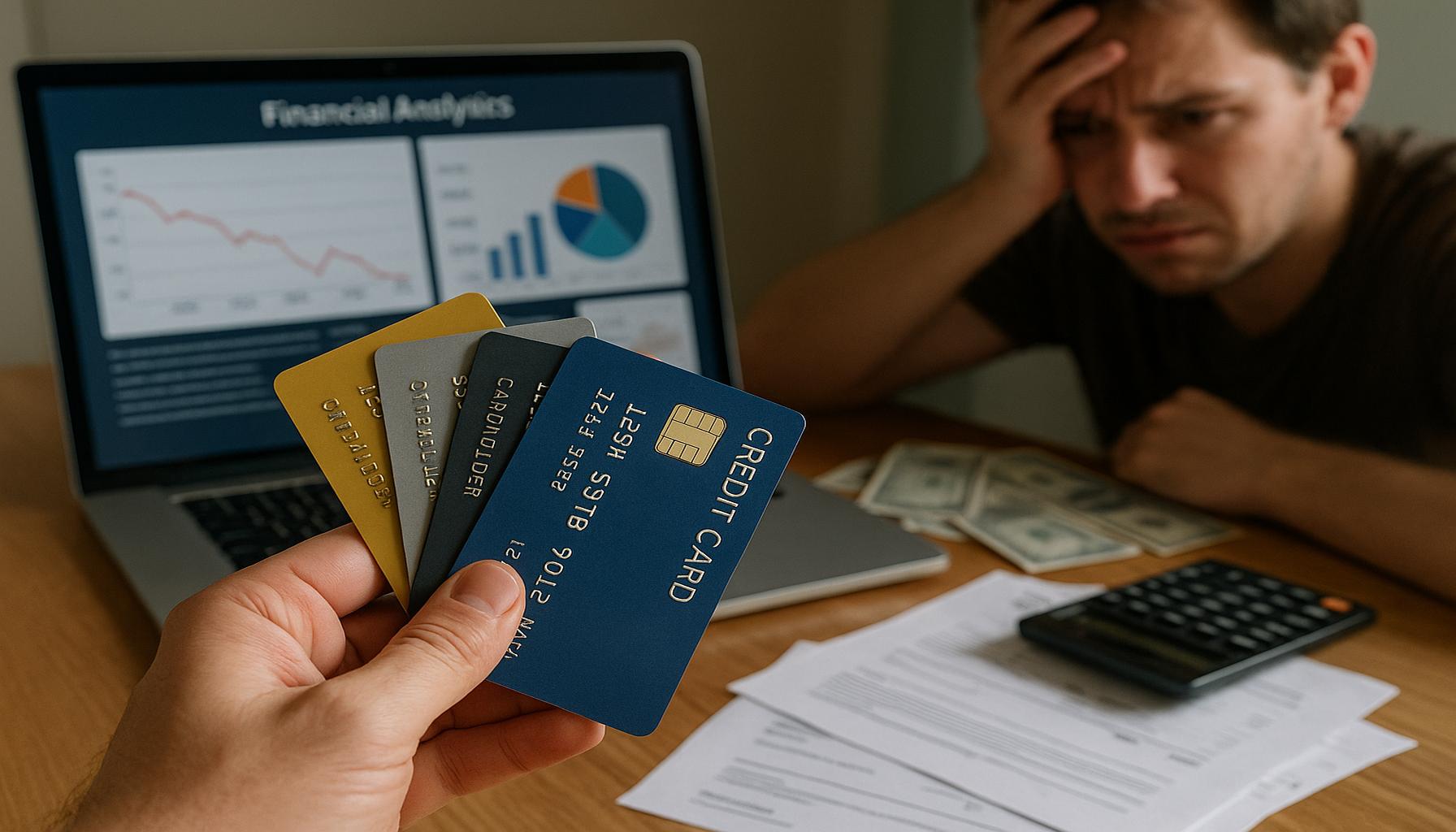
In today’s fast-paced world, financial emergencies can arise unexpectedly, leaving individuals feeling overwhelmed and stressed. Events such as a sudden medical bill, urgent home repairs due to a leaking roof, or an unexpected job loss can all have significant financial implications. Thus, the ability to respond quickly is crucial. This is where credit cards can serve as a vital lifeline, providing immediate resources when time is of the essence.
Utilizing credit cards effectively during a crisis involves understanding their many features and benefits. For instance, accessibility is a key advantage. Whether you find yourself in need of cash or require immediate payment for a service, credit cards allow for quick decisions without waiting for a loan approval or withdrawing savings. Imagine facing a hefty medical bill after a trip to the emergency room; a credit card can help cover those costs instantly, allowing you to prioritize your health without financial worry.
Another significant advantage is the flexible payment options many cards offer. Some credit cards come with promotional 0% APR periods, giving you the chance to pay off large expenses without accruing interest for a limited time. For example, if you need to make urgent home repairs that cannot wait, using a credit card with an introductory zero percent interest rate can ease the burden as you pay off the balance over months without added financial pressure.
Furthermore, some credit cards provide rewards and benefits that can be advantageous in emergencies. Cards that offer cash back on purchases or points for travel can help you save money in other areas of your budget during a financial crisis. For example, if you face unexpected expenses, the rewards accumulated through your card can be redeemed for cash back, providing a small buffer against future financial strains.
However, it’s crucial to navigate this valuable tool with caution. Mismanagement of credit can lead to increased debt and financial strain. To use credit cards responsibly during financial emergencies, here are some critical aspects to keep in mind:
- Understand your limits: Be aware of how much credit you have available to avoid overspending. Knowing your limits can prevent you from falling into debt that becomes unmanageable.
- Know your interest rates: Different cards come with varying interest rates that can significantly affect your finances in the long run. If you carry a balance, higher rates can quickly escalate your debt.
- Have a payment plan: Developing a strategy to pay off the balance quickly can save money on interest. Create a budget that prioritizes credit card payments to maintain financial health.
With careful consideration and strategic use, credit cards can be an essential tool in managing financial emergencies. By understanding their advantages and potential pitfalls, you can navigate these challenging situations more confidently, ultimately empowering you to come through crises with both financial resilience and peace of mind.
Leveraging Credit Cards for Immediate Financial Relief
When faced with a sudden financial emergency, the immediacy of a credit card can provide a much-needed buffer against the mounting stress. Situations like a car breakdown, unexpected medical expenses, or urgent home repairs can quickly drain your savings. With a credit card in hand, you have immediate purchasing power to cover these unforeseen costs, allowing you to stabilize your situation before addressing your long-term financial health. The ease of access that credit cards offer cannot be overstated; when time is of the essence, having a card at your disposal can make all the difference.
One of the essential features of credit cards in emergencies is their convenience and portability. Unlike cash, which can be limited, or checks that may take time to clear, a credit card allows you to handle various payments instantly. Consider an example where your car breaks down on a Sunday evening. The repair shop may not accept checks, and carrying enough cash for that substantial repair might not be feasible. In such scenarios, the ability to swipe your credit card makes it possible to get back on the road without delay, sparing you from the potential complications of being stranded.
Credit cards also provide a safety net during times when accessing funds may be challenging. For individuals who may not have a robust emergency fund, utilizing a credit card can serve as a temporary solution to cover essential expenses while you formulate a longer-term plan. This is particularly crucial for those who might not have the ability to tap into savings or liquidate assets quickly.
However, as with any financial product, the importance of understanding the terms associated with your credit card cannot be overlooked. Below are several considerations to keep in mind when using credit cards during a financial emergency:
- Be aware of fees: Some credit cards may have fees associated with cash advances or late payments. Familiarize yourself with these charges to avoid unwarranted expenses.
- Track your spending: During a financial crisis, it can be easy to lose track of expenses. Keeping a close eye on how much you are charging can help prevent a cycle of debt.
- Review your rewards options: Some cards offer better rewards on certain purchases. Understanding which of your expenses can earn you rewards might help optimize your spending during a difficult timeframe.
Ultimately, while credit cards can provide a critical lifeline during financial emergencies, careful consideration and prudent management are necessary. Proper utilization of a credit card can facilitate timely payments and ease temporary financial burdens, allowing you the opportunity to regroup and develop a plan for recovery. By being informed and maintaining a balanced approach, credit cards can transform from a potential pitfall to a tool for financial resilience in uncertain times.
Navigating Debt with Credit Cards
While the role of credit cards in managing financial emergencies can be highly beneficial, it is essential to tread carefully to avoid falling into the trap of excessive debt. Once the immediate crisis passes, the challenge is to manage the credit responsibilities that arise from swiping that card during an emergency. To ensure a credit card aids your recovery rather than exacerbates your financial situation, it is critical to approach the repayment process strategically.
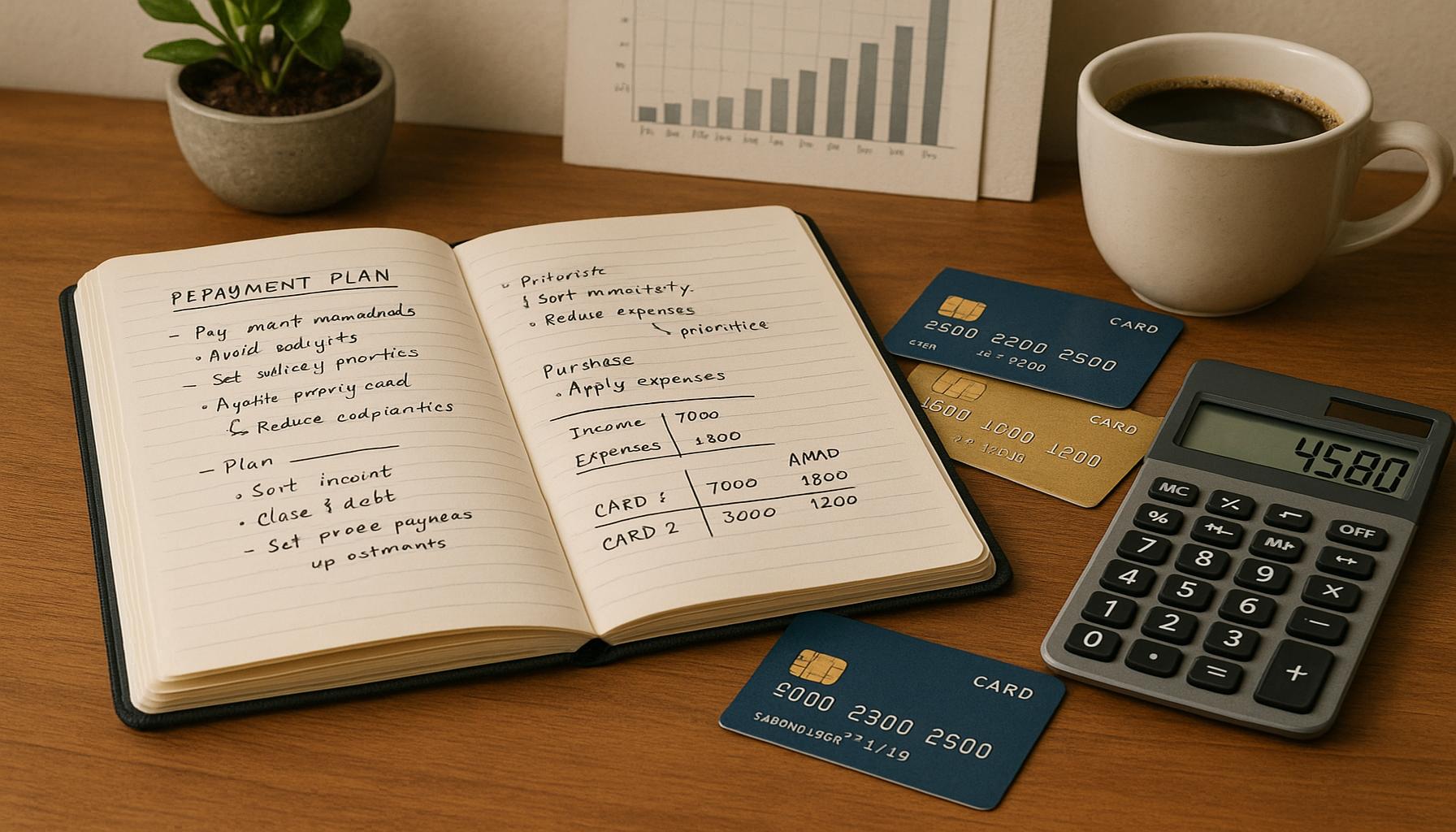
One effective method for managing credit card debt after an emergency is to create a repayment plan. When you charge expenses to your credit card, it’s vital to quickly assess how you will pay off that balance. Start by compiling a list of all transactions made during the emergency and prioritize which debts to tackle first. Focus on high-interest balances, as they can quickly spiral out of control. For instance, if you used a card with a high annual percentage rate (APR) for your medical bill, try to allocate more funds towards paying that down to minimize interest paid over time.
Another strategy to consider is balance transfers. Many credit card companies offer promotional rates that allow you to transfer existing balances to a new card with a lower interest rate for a limited time. This can be a great way to manage multiple debts more efficiently, helping you consolidate your payments and reduce the overall interest burden. However, keep in mind the potential transfer fees and ensure that you read the fine print of any new card offers; hidden charges can negate the benefits of transferring your balances.
Furthermore, taking advantage of financial management tools available through your credit card provider can also assist in staying organized. Many credit cards now come with apps that help track spending, monitor payment due dates, and set up reminders for when bills are due. Ensuring you are on top of payments will help avoid late fees and potentially damaging your credit score. It’s an opportunity to turn technology into an ally in managing your finances during challenging times.
A key aspect of recovery is to also consider the importance of building an emergency fund once immediate debts have been addressed. Using a credit card may signal the need for additional financial resilience. Start small; even a few dollars set aside each month can eventually lead to a more substantial safety net. Aim for at least three to six months’ worth of essential expenses—this will make future emergencies less daunting and reduce the reliance on credit cards.
Finally, embrace the lessons learned from these experiences. Reflecting on how credit cards helped you navigate through a financial emergency can provide valuable insights for future planning. Create a spending plan that allows for flexibility in emergencies but sets limits on discretionary expenses. Use these reflective practices to guide your financial decisions moving forward, ensuring that when faced with sudden expenses, you feel prepared rather than panicked. Your credit card can be a tool for empowerment rather than entrapment, as long as you wield it wisely amidst the unpredictability of life.
Conclusion
In conclusion, credit cards can serve as a vital resource in managing financial emergencies, providing immediate access to funds during moments of need. Their flexibility and ability to cover unexpected expenses—from medical bills to urgent repairs—make them an attractive option for many. However, it is important to remember that their advantages also come with responsibilities. Successfully navigating through a financial crisis with a credit card involves a clear understanding of repayment plans, interest rates, and the allure of balance transfers. As we’ve discussed, establishing a repayment strategy is crucial to ensure that borrowing does not spiral into unmanageable debt.
Moreover, in the wake of an emergency, incorporating financial management tools can aid in maintaining a healthy credit profile and avoiding unnecessary fees. These modern conveniences not only demystify credit usage but also allow better tracking of spending habits, thereby instilling a sense of control over one’s finances. Building an emergency fund once financial stability is restored is equally essential, acting as a buffer for future unforeseen circumstances, and reducing reliance on credit cards.
Ultimately, the journey through a financial emergency can be tumultuous, but leveraging credit cards wisely can convert challenges into opportunities for growth and learning. By reflecting on our financial choices and employing strategic planning, we empower ourselves to face future uncertainties with confidence. A credit card can be a tool for resilience, as long as it is used judiciously and forms part of a comprehensive financial strategy aimed at fostering independence and security.