The implications of augmented reality in shopping experiences and personal finance
Understanding Augmented Reality in Shopping and Finance
The rise of augmented reality (AR) is transformative, reshaping how consumers interact with brands and manage personal finance. This technology seamlessly blends the digital and physical worlds, offering innovative enhancements to shopping experiences that have never been seen before.
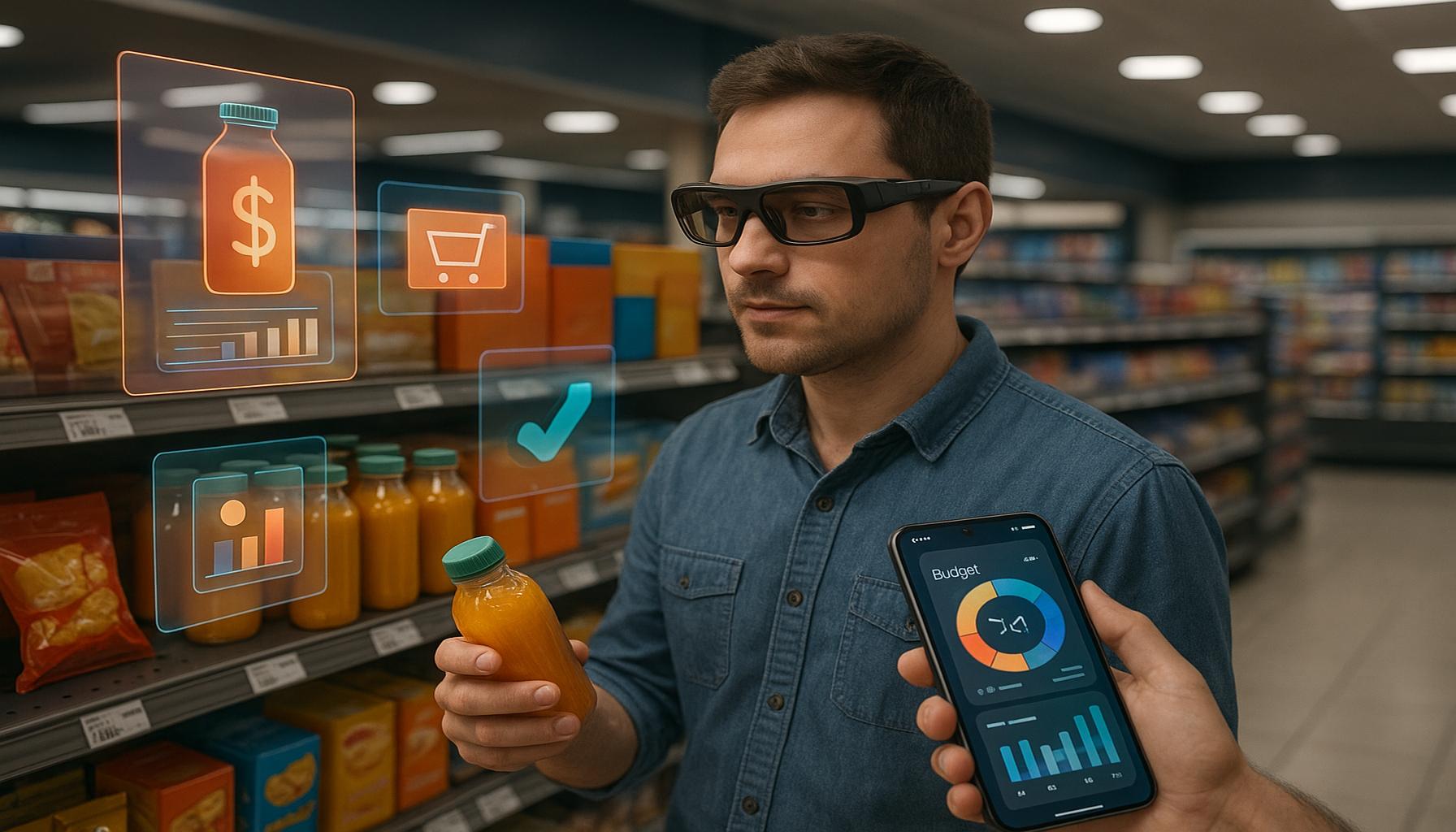
Imagine walking into a store equipped with your smartphone or AR glasses. With just a few taps or movements, you could:
- Visualize products in your home environment before purchasing—imagine seeing how a piece of furniture would fit in your living room or how a new paint color would look on your walls.
- Access interactive information about an item’s features and pricing through your device. For example, pointing your camera at a shoe could instantly bring up information about different colors, sizes, and customer reviews.
- Receive personalized recommendations based on your preferences and past purchases, aiding you in discovering new products that align with your tastes. For instance, if you often buy tech gadgets, AR could direct you to the latest devices upon entering an electronics store.
These capabilities arm customers with vital insights, making shopping not only more efficient but also more enjoyable. The fluid interaction of AR not only elevates customer engagement but provides a competitive edge to retailers willing to embrace this technology.
The Impact of AR on Personal Finance
On the finance side, AR has the potential to cause a significant shift in how individuals approach budgeting and spending. Consumers now have the opportunity to:
- Track expenses visually as they shop. For instance, an app could show you a real-time tally of your spending as you place items into your cart, allowing for better control of your budget.
- Set immediate budgets based on their behavior. When entering a store, AR could remind you of your monthly spending cap and provide visual cues to help you stay within it.
- Receive alerts about potential savings and deals while browsing. Imagine receiving a notification that a product you’ve had your eye on is on sale or that your desired item has a better price in a nearby store.
As AR continues to evolve and become more integrated into everyday consumer interactions, its implications for shopping and personal finance are extensive. Understanding these changes empowers consumers to make smarter financial decisions, enhancing not only their shopping experiences but also their overall financial well-being.
In conclusion, the integration of augmented reality into shopping and finance signifies a remarkable leap into a future where digital experiences transparently weave into our daily lives. By embracing this technology, consumers can expect to enjoy richer interactions, smarter spending habits, and a more streamlined approach to managing their finances, ultimately leading to more thoughtful and informed decisions in both realms.
Augmented Reality: Revolutionizing the Shopping Experience
As augmented reality (AR) technology advances, it enhances how we shop, ultimately redefining retail landscapes. One of the most significant implications of AR in shopping is its ability to create a deeply immersive environment for consumers. By integrating virtual elements with the physical world, AR offers shoppers a unique way to visualize products before making vital purchasing decisions.
Starting with visualizing products, AR allows customers to see how items blend into their lives, thereby reducing uncertainty that often accompanies online shopping. For instance, when considering a new sofa, a customer can simply use their smartphone to project a 3D model of the sofa in their living room. This experience eliminates the guesswork, ensuring that shoppers feel more confident about their choices. Furthermore, this reduces the likelihood of returns—a win for both consumers and retailers.
Another critical aspect is the accessibility of information. With AR, shoppers can immediately gather detailed product information just by pointing their device at an item. Imagine entering a cosmetics store and pointing your phone at a new foundation shade. Instantly, you could see reviews, ingredient lists, and even suggested makeup tutorials. This layer of information enhances the shopping journey, equipping customers with the knowledge necessary to make informed choices.
Moreover, AR can provide personalized shopping experiences. Retailers are now using AR technology to track consumer behavior and preferences. For example, if a shopper often purchases athletic wear, upon entering a sports store, they may instantly see AR prompts showcasing the latest deals on running shoes or new arrivals in their favorite brand. This tailored approach not only streamlines the shopping process but also fosters brand loyalty, as customers feel that their individual tastes are recognized and prioritized.
Augmented Reality’s Role in Redefining Consumer Behavior
The introduction of AR extends beyond enhancing product interaction; it is instrumental in reshaping consumer behavior in profound ways. Here are a few key implications of AR in shopping:
- Enhanced Engagement: The interactive nature of AR captivates customers, leading to longer store visits and increased likelihood of purchases. Engaged shoppers often exhibit higher spending levels compared to those who experience traditional shopping methods.
- Reduction of Purchase Anxiety: With AR’s ability to visualize and validate product choices, consumers experience less second-guessing. This reduction in anxiety leads to more decisive buying behaviors, which can boost overall sales.
- Better Understanding of Product Value: Shoppers can make more informed assessments of whether a product matches their needs through augmented experiences, thus ensuring they derive greater satisfaction from their purchases.
In this new landscape of shopping driven by AR, retailers must adapt quickly to stay competitive. The immersive experiences crafted via augmented reality not only enhance the consumer experience but also pave the way for greater sales efficiency. The synergy of enhanced product visualization, immediate information access, and tailored recommendations promises to delight shoppers while empowering them to make wise purchasing decisions.
Augmented Reality and Its Impact on Personal Finance
While augmented reality (AR) is transforming the shopping experience, it also holds significant implications for personal finance management. As consumers become more accustomed to interactive technology, integrating AR into financial tools can empower them to make sound financial decisions. This progressive synergy between AR and personal finance can lead to enhanced budgeting, improved spending habits, and a higher degree of financial literacy.
One primary advantage of AR in personal finance is the visualization of financial data. Imagine using a smartphone or AR glasses to see your annual budget laid out clearly in your living space. Instead of traditional spreadsheets or app interfaces, a 3D representation of your financial situation could visually illustrate where your money is going each month. With a simple glance, you can see how much is allocated for groceries, bills, rent, and discretionary spending. This visualization can illuminate spending patterns and priorities, helping consumers to manage their finances more effectively.
Moreover, AR can enhance goal setting and tracking. For instance, if you’re saving for a new car, AR can project a 3D model of the car into your driveway, serving as a constant visual reminder of your goal. As you successfully contribute to your savings account, the visual representation can evolve, showcasing your progress. This gamified experience can motivate individuals to stick to their saving plans, making financial goals feel more tangible and attainable.
Additionally, AR can improve real-time financial decision making while shopping. Through integrated financial apps, consumers can see their budget limitations and current spending levels projected alongside the items they are considering for purchase. For example, while browsing in a store, shoppers could hold their mobile device up to a product and instantly view how that purchase would impact their current budget. This immediacy helps consumers avoid impulsive buying by reinforcing the need to stay within their financial parameters.
Furthermore, AR can take advantage of educational opportunities in personal finance. Retailers and financial institutions can deploy AR applications that educate consumers about financial products and services in an interactive manner. For example, shoppers exploring loans for furniture purchases could point their devices at a furniture set and receive instant informational overlays explaining financing options, interest rates, and payment plans. This approach not only demystifies complex financial concepts but also helps consumers feel more confident and informed about their choices.
Finally, the accessibility of AR can address financial literacy gaps among various demographic groups. By offering engaging learning experiences through augmented reality, financial institutions can cater to individuals who may struggle with traditional financial education methods. AR can create a more inviting space for learning about topics such as credit management, investment strategies, and saving techniques, ensuring that a broader audience can benefit from financial knowledge.
In summary, the implications of augmented reality extend beyond the aisles of retail stores. By melding AR technology with personal finance, consumers gain a powerful tool to enhance their understanding, make informed decisions, and ultimately achieve better financial health. This evolving landscape creates opportunities not just for consumers, but also for businesses aiming to innovate and engage with their clientele in meaningful ways.
Conclusion
Augmented reality (AR) is not just a technological trend; it is a transformative force reshaping how consumers interact with both shopping and personal finance. As we explore its implications, it becomes clear that AR enhances shopping experiences by enabling consumers to visualize products in their own environments, ultimately leading to more informed purchasing decisions. This increased engagement helps reduce the anxiety that may accompany shopping, fostering a sense of confidence in what we choose to buy.
On the financial side, AR’s potential to visualize budgeting and spending can revolutionize personal finance management. By presenting financial information in a clear, interactive format, AR translates abstract numerical data into tangible visual experiences, making it easier for individuals to understand their finances. The capability for real-time decision-making—where consumers can gauge the impact of a purchase on their budget instantly—encourages thoughtful spending and smart saving habits.
In addition, the educational components of AR can bridge gaps in financial literacy across diverse demographic groups. By making learning about finances interactive and enjoyable, individuals become empowered to take charge of their financial futures. As businesses adopt these innovative approaches, they not only enhance the shopping experience but also play a significant role in improving the financial well-being of their customers.
As we look to the future, the fusion of augmented reality with retail and personal finance is not merely an enhancement but a necessity. It offers an exciting pathway to a more informed, engaging, and financially sound society, changing the way we think about money and consumerism in meaningful ways.