The impact of supply chain disruptions on tech companies
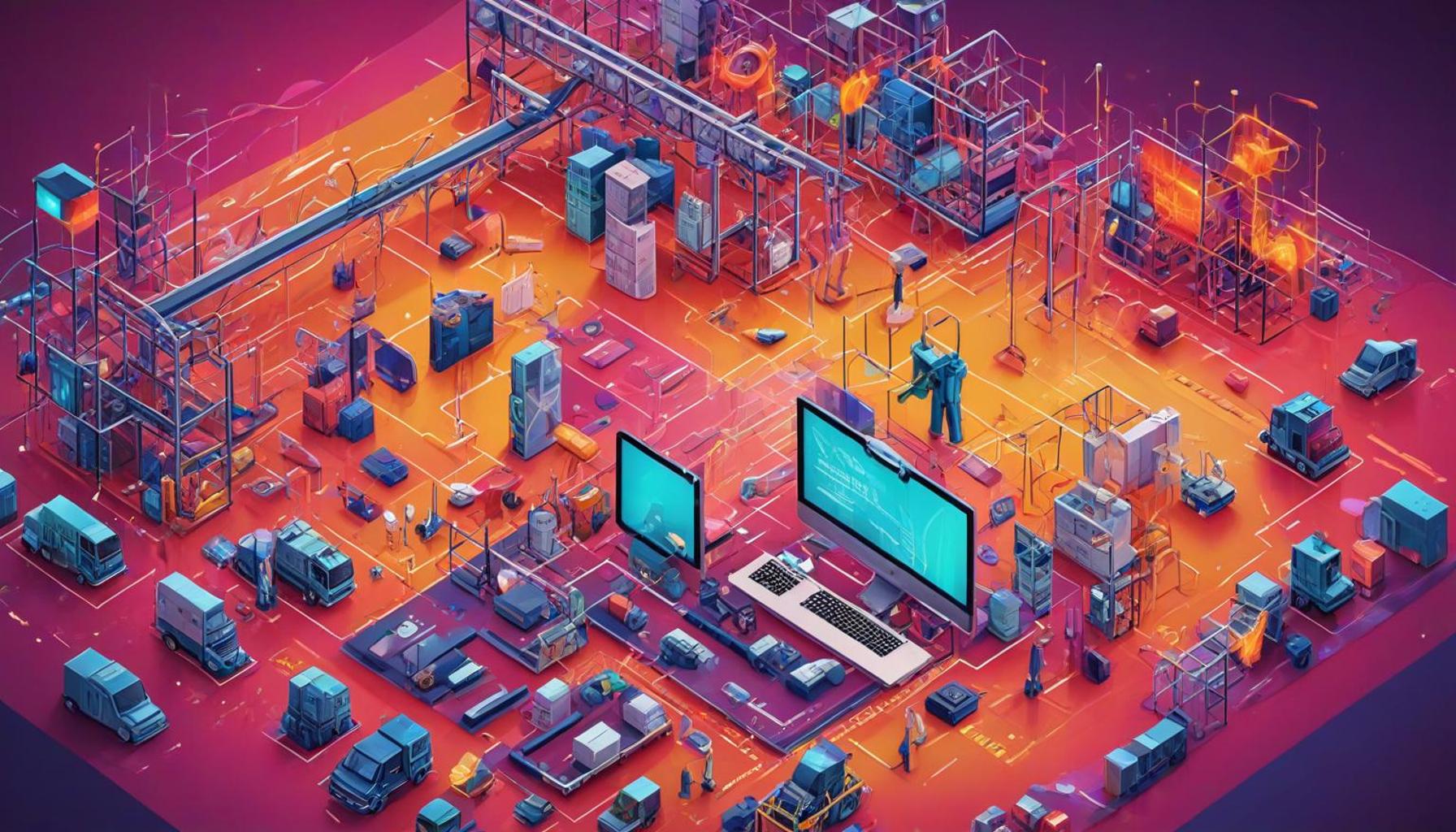
Supply Chain Disruptions: Impact on Technology Companies
Today, the importance of a robust supply chain cannot be overstated, especially for tech companies navigating the complexities of a global market. A supply chain disruption refers to any event that significantly hinders the normal flow of goods and materials, which can lead to various challenges. Given the reliance on just-in-time manufacturing and global sourcing, tech firms are particularly vulnerable to these disruptions.
To understand the repercussions of supply chain interruptions, it’s essential to consider the following significant impacts:
- Production Delays: Manufacturing in the tech industry often hinges on the timely availability of various components. For instance, the automotive sector has faced severe production delays due to a shortage of semiconductor chips. This situation has forced several automobile manufacturers to slow down or even temporarily halt production, directly impacting their sales and profitability.
- Increased Costs: Supply shortages invariably lead to higher prices for raw materials and components. As demand outstrips supply, businesses are forced to pay a premium to secure essential parts. This phenomenon was evident when the cost of shipping skyrocketed due to pandemic-related labor shortages and unexpected rises in freight demand, thereby squeezing tech companies’ margins.
- Customer Dissatisfaction: Delays in product launches create frustration among consumers who may have been eagerly anticipating new gadgets or software solutions. For example, when major phone manufacturers were unable to meet launch timelines due to component unavailability, it resulted in lost sales and tarnished brand loyalty, showing how critical timing is in consumer electronics.
To illustrate these points further, consider the global semiconductor shortage that has drastically impacted the production of not only smartphones and laptops but also home appliances and gaming consoles. Companies like Sony and Microsoft experienced delays in the availability of their gaming consoles, which disappointed many eager customers during the holiday season.
Shipping delays also play a crucial role in tech product availability. Congestion at major ports, particularly those along the West Coast, has meant that containers take much longer to be unloaded, leading to shortages in retail stores across the United States. As a result, consumers face longer wait times for items, and companies must adjust their inventory strategies to accommodate these disruptions.
In summary, understanding the implications of supply chain disruptions is vital for tech companies and stakeholders. Being aware of potential obstacles allows businesses to adapt their strategies and operations accordingly. Ultimately, a proactive approach to supply chain management can help tech firms navigate these challenges effectively, ensuring they not only survive but thrive in a complex and rapidly evolving market.
SEE ALSO: Click here to read another article
Understanding the Consequences of Supply Chain Disruptions
Supply chain disruptions don’t just threaten production—they pose risks that resonate throughout an entire organization and can significantly alter a tech company’s financial landscape. To better grasp these consequences, we should analyze how the tech industry can be affected across several critical dimensions.
- Impact on Innovative Capacity: Tech companies thrive on innovation to maintain their competitive edge. Disruptions can hinder the flow of new materials and components needed for research and development. For instance, the delay in acquiring innovative electronic components may slow down advancements in artificial intelligence or Internet of Things (IoT) technologies, delaying product releases that could have otherwise disrupted entire markets. This stagnation has implications not only for the company’s growth but also for their market position.
- Supply Chain Complexity: The tech industry often operates with intricate supply chains that span various geographical regions. This complexity means that disruptions can have a cascading effect. A manufacturing facility in Southeast Asia may face delays due to shipping interruptions, which in turn affects production schedules for companies in the United States. This web of dependencies makes it challenging for firms to navigate through disruptions without careful planning.
- Regulatory and Compliance Issues: A disrupted supply chain may lead companies to switch suppliers or raw materials quickly, which can bring about regulatory challenges. For example, a tech company that hastily sources materials from a country with less strict environmental regulations could face scrutiny and potential fines for non-compliance with standards expected in the U.S. Such complications add another layer of risk when navigating supply chain shortages.
As these disruptions unfold, tech companies need to reevaluate their operational strategies. For instance, in response to the semiconductor shortage, many firms have begun to diversify their supply chains by sourcing components from multiple suppliers rather than relying on a single source. This not only mitigates risk but also bolsters the company’s long-term resilience.
Additionally, tech firms are increasingly investing in supply chain visibility technologies, such as advanced analytics and digital twin modeling. These technologies allow companies to foresee potential disruptions and respond in real-time, significantly reducing the potential impact of these interruptions. By embracing such innovations, organizations can gain crucial insights into their supply chains and not only adapt but thrive amid uncertainties.
In conclusion, the ramifications of supply chain disruptions extend far beyond immediate production delays. They can hinder innovation, complicate logistical operations, and introduce regulatory challenges that can affect a company’s standing in the market. Navigating these challenges requires a holistic approach, with an emphasis on adaptability and forward-thinking strategies to mitigate risks effectively.
SEE ALSO: Click here to read another article
Navigating Financial Ramifications and Strategic Adjustments
Supply chain disruptions not only affect production timelines but also have profound financial implications for tech companies. Understanding these financial ramifications is crucial for leaders aiming to safeguard their organizations and ensure long-term success. Here are the key areas of impact:
- Cost Increases: When supply chains are disrupted, companies may need to turn to alternative suppliers or expedite shipping to maintain production. This often results in increased costs. For example, during the global shipping crisis, many tech companies reported an uptick in logistics costs, which directly impacted their bottom line. These inflated expenses can erode profit margins and result in higher prices for consumers, potentially leading to decreased demand.
- Cash Flow Disruptions: Delays in receiving crucial components can lead to delays in product launches, which can, in turn, adversely affect a company’s cash flow. A company that anticipates revenue from new product sales may find itself with a shortfall if supply delays push back the release date. This situation can strain financial resources, making it difficult for businesses to maintain operations or invest in growth initiatives.
- Investment Reevaluation: As companies grapple with supply chain disruptions, they may need to reassess their investment strategies. In times of uncertainty, tech firms might choose to postpone planned expansions or new technology rollouts, which could stymie growth. A prime example is seen in the automotive sector, where automakers have delayed electrification projects due to ongoing supply chain uncertainties. This hesitation can translate to missed opportunities in rapidly evolving markets.
To combat these challenges, tech companies are increasingly adopting proactive budgeting strategies. By instituting more flexible financial plans, organizations can better absorb costs associated with supply chain disruptions. Examples include setting aside contingency funds specifically for unexpected supply chain expenses or utilizing financial modeling to predict and visualize different disruption scenarios.
Moreover, many tech companies are looking to strengthen collaborations within their supply chains. By fostering closer ties with suppliers and third-party logistics providers, they can create a more agile supply chain framework. For instance, companies are prioritizing dual-sourcing strategies, wherein they engage multiple suppliers for critical components, which alleviates risks tied to a single point of failure.
Leveraging Technology to Mitigate Risks
Another significant response to supply chain disruptions among tech companies is the adoption of advanced technologies designed to enhance supply chain management. Utilizing technologies such as blockchain for greater transparency, Artificial Intelligence (AI) for predictive analysis, and Internet of Things (IoT) devices for real-time monitoring allows firms to trace materials more efficiently and react promptly to potential issues.
Consider the case of a tech company that integrates AI into its supply chain management. By analyzing vast datasets related to supplier performance, shipping times, and market trends, the AI system can identify potential delays before they impact production schedules. This level of insight equips leaders with the information needed to make more informed decisions and refine their workflows accordingly.
Furthermore, companies are investing in training and development to ensure employees are equipped to deal with supply chain complexities. This includes fostering a culture of agility and resilience, where teams are encouraged to brainstorm solutions and pivot strategies rapidly as situations evolve.
Through these multifaceted approaches, tech companies not only address the immediate impacts of supply chain disruptions but also prepare themselves for future challenges, thereby securing a more sustainable and competitive position in the market.
CHECK OUT: Click here to explore more
Conclusion: Preparing for a Resilient Future
In summary, the ramifications of supply chain disruptions on tech companies extend far beyond immediate production delays. These disruptions can lead to cost increases that squeeze profit margins, cash flow issues that hinder financial stability, and a need for investment reevaluation that may stifle growth opportunities. The experiences of recent crises have highlighted the necessity for tech firms to not only react to challenges but to proactively prepare for uncertainties.
As tech companies navigate these complexities, adopting a comprehensive strategy becomes imperative. By implementing flexible financial plans, strengthening supplier relationships, and leveraging advanced technologies, such as AI and IoT, businesses are better equipped to identify and mitigate risks. These approaches do not merely address current challenges; they also foster a culture of innovation and resilience that can adapt to future disruptions.
The journey towards a more resilient supply chain will undoubtedly require dedication and investment, but the potential rewards outweigh the challenges. Companies that embrace these strategies are not only safeguarding their operations but also positioning themselves for long-term success in a competitive landscape. As the tech industry continues to evolve, those who prepare today will be the leaders of tomorrow, capable of navigating whatever obstacles may arise with confidence and agility.