The impact of interest rates on the US stock market
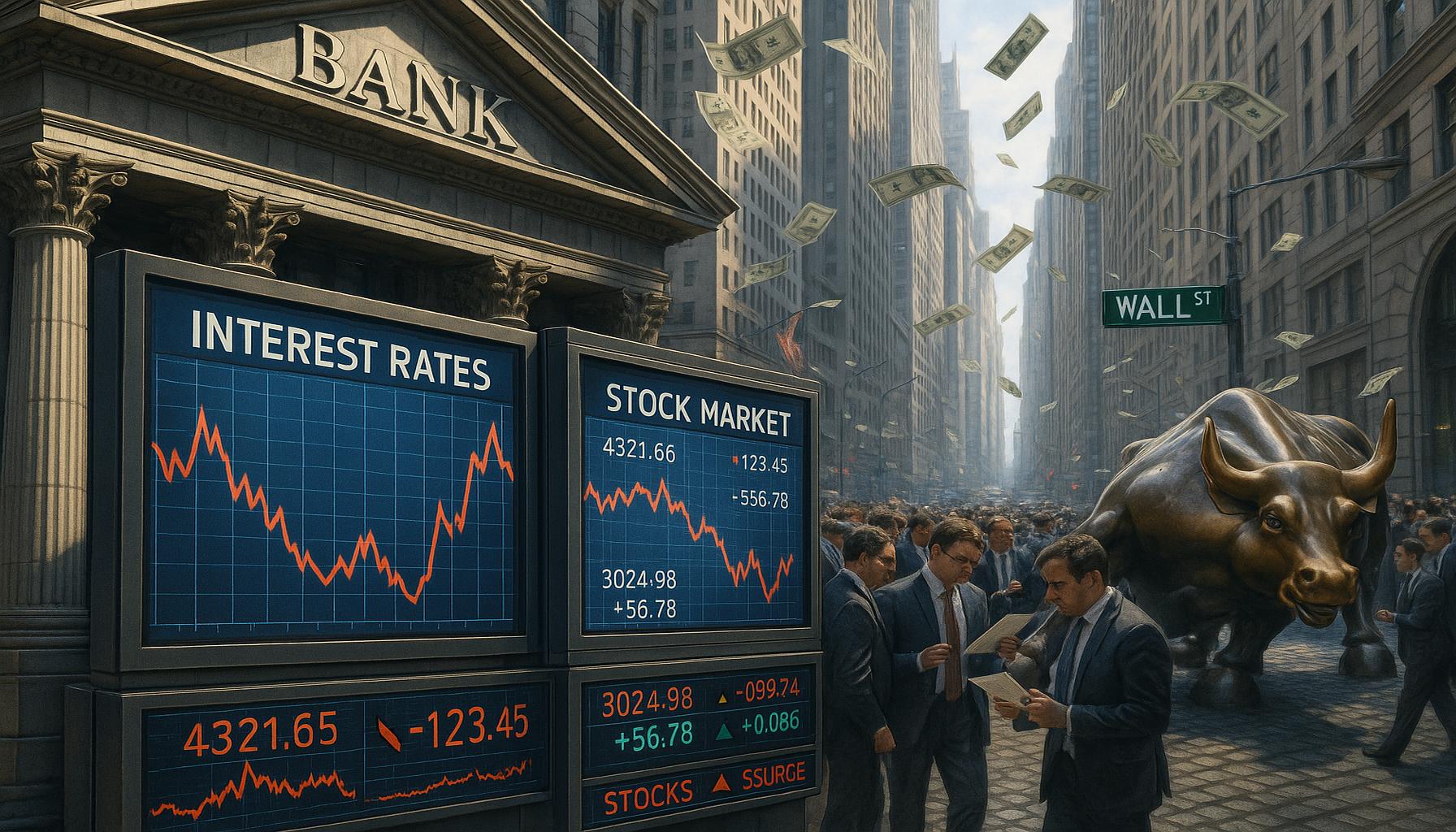
Understanding the Dynamics
The relationship between interest rates and the stock market is not merely academic; it profoundly influences the decisions made by investors, corporations, and policymakers alike. The Federal Reserve, which is the central banking system of the United States, plays a pivotal role in this equation. When the Fed alters interest rates, it not only affects the costs at which banks can lend money, but also reverberates through the economy, impacting everything from consumer spending to corporate investments.
Cost of Borrowing
One of the most immediate impacts of rising interest rates is the cost of borrowing. When interest rates climb, the cost for companies to take out loans also increases. This translates to higher expenses for businesses looking to finance expansion, invest in new technologies, or hire additional staff. As companies tighten their budgets in response to increased borrowing costs, it can lead to reduced capital expenditures. For example, consider a small tech startup that wants to develop a cutting-edge application. If interest rates are low, borrowing funds to launch this project might seem feasible—but if rates rise sharply, the same startup may reconsider the risks associated with taking on debt, potentially stalling its growth trajectory.
Investor Behavior
The shift in investor behavior is another significant outcome of rising interest rates. Typically, when rates increase, returns from fixed-income investments, such as bonds, become more attractive compared to equities. Investors often seek the safety and predictability of bonds, leading to a decrease in stock market demand. For instance, during the early 2000s, after the Fed raised interest rates, we saw a marked shift where many investors moved funds away from the volatile stock market and into bonds, influenced by the promise of steady returns. This transition can place downward pressure on stock prices, as demand for shares diminishes.
Economic Indicators
Interest rate adjustments serve as critical economic indicators. They often signal the health of the economy and influence stock valuations. When the Fed raises rates, it can imply that the economy is heating up and inflation might become a concern. Conversely, a cut in rates tends to signify economic weakness, prompting investor confidence to wane. For example, during the financial crisis of 2007-2008, the Fed slashed rates to historic lows in an effort to stimulate economic growth. Observers noted that the stock market began to recover as lower rates made borrowing cheaper, signifying a rebound as confidence returned to the marketplace.
In summary, the intricate dance between interest rates and the stock market goes beyond simple calculations; it tells a story about the current state of the economy and shapes the landscape for future growth. By understanding these nuances, investors can better navigate market fluctuations, make informed decisions, and position themselves appropriately for the changing financial climate. As we look ahead, keeping an eye on interest rate trends will be essential in forecasting stock market behavior and identifying potential opportunities or pitfalls in the investment landscape.
The Ripple Effects of Interest Rate Changes
The ripples created by changes in interest rates extend far beyond the pages of financial news. As rates rise or fall, they significantly influence various sectors of the economy, thereby impacting the US stock market in profound ways. One of the crucial concepts to understanding this dynamic is the relationship between interest rates and consumer behavior, as well as corporate earnings.
Consumer Spending Patterns
When the Federal Reserve raises interest rates, the cost of loans and credit increases for consumers. This translates to higher monthly payments on mortgages, car loans, and credit cards. With less disposable income available, consumers tend to curtail their spending, particularly on non-essential items. Retail companies, which often rely on consumer spending, may see their sales decline in an environment of rising rates. As spending slows, company revenues can take a hit, which eventually flows through to stock performance. For instance, during the last interest rate hike cycle, many retail stocks underperformed as consumers tightened their belts, leading to diminished sales forecasts.
Sector-Specific Impacts
Different sectors of the economy react distinctly to changes in interest rates. Understanding these variations can offer investors valuable insights. For example:
- Financial Sector: Banks and financial institutions typically benefit from rising interest rates as they can charge higher rates on loans compared to the interest they pay on deposits. This widening of the “spread” can enhance profit margins.
- Real Estate: Conversely, the real estate market often suffers during periods of increased rates. Higher mortgage rates can dampen home sales, impacting homebuilders and real estate investment trusts (REITs).
- Utilities: This sector also tends to lag behind in a rising rate environment due to their high levels of debt. Increased borrowing costs can reduce profitability, leading investors to shift focus away from these typically stable stocks.
Market Valuation Adjustments
Moreover, higher interest rates can lead to compression in stock valuations. Investors often use discounted cash flow models to value stocks, incorporating the prevailing interest rates into their calculations. When rates increase, the discount rate applied to future cash flows also rises, causing valuations to drop. This can result in a cascading effect on stock prices, particularly for growth-oriented companies that rely on future earnings projections. In situations where investors anticipate ongoing rate hikes, we often see a decline in growth stock prices relative to value stocks, which tend to be less sensitive to interest rate changes.
Ultimately, the impact of interest rates on the US stock market is multifaceted, affecting everything from consumer behavior and corporate profitability to sector dynamics and stock valuations. It is essential for investors to stay informed about interest rate trends, as these clues not only reveal current economic health but also serve as a critical predictor of future stock market movements.
The Influence of Interest Rates on Investor Sentiment
In addition to the tangible effects on consumer spending and corporate earnings, interest rates profoundly shape investor sentiment. This psychological aspect of the stock market can often lead to volatility, as market players react to fluctuations in interest rates with varying degrees of optimism or pessimism.
The Fear Factor: Market Volatility
As interest rates rise, the market often reacts with heightened volatility. Uncertainty about how future rate increases might impact macroeconomic conditions can lead to increased stock market fluctuations. For example, during the periods leading up to and following significant rate hikes, such as those imposed by the Federal Reserve in 2018, stock indices experienced notable swings. These periods often evoke fears of potential economic slowdowns, causing investors to reassess their portfolios and shift allocations, which can lead to pronounced price adjustments in stocks.
Investor Strategies: Value vs. Growth
The shift in interest rates can also affect the strategies that investors adopt. With rising rates, there tends to be a pivot away from high-growth stocks toward value-oriented investments. As borrowing costs increase, the present value of future cash flows diminishes, disadvantaging growth stocks that often have high price-to-earnings ratios and depend heavily on future earnings growth to generate returns. Conversely, value stocks, which are typically companies with stable earnings and dividends, become more appealing in such environments. For instance, during the tightening phases of interest rates, sectors such as energy and financials often find favor, leading to improved stock performance relative to their growth counterparts.
Impact on Foreign Investment
The relationship between domestic interest rates and foreign investment should not be overlooked. Higher interest rates often attract foreign capital seeking higher returns, which can strengthen the US dollar. A robust dollar can render US exports more expensive and less competitive in the global market, influencing corporate earnings for companies reliant on international sales. It is not uncommon to witness a mixed bag of reactions—while financial institutions benefit from capital inflows, multinationals may suffer from decreasing sales, ultimately affecting their stock prices.
The Role of Expectations
The power of expectations in the stock market cannot be overstated. Investors keenly monitor the Federal Reserve’s communications, as signals regarding future interest rate moves can significantly influence market dynamics. For instance, if the Fed hints at a possible rate hike to combat inflation, it can lead to immediate reactions in the stock market, often resulting in sharp declines in high-flying tech stocks. Expectations shape investor narratives, and as they factor in potential future financial conditions, they often move markets before any policy changes actually occur.
As a result, interest rates not only impact the economic landscape and financial performance but also weave intricate narratives that guide investor actions and market perceptions. By understanding these psychological and strategic elements, investors can better navigate the complexities of stock market dynamics influenced by interest rate adjustments.
Conclusion: Navigating the Currents of Interest Rates and Stock Market Performance
The intricate relationship between interest rates and the US stock market underscores the profound impact that monetary policy can have on investor behavior, market dynamics, and economic outcomes. As we’ve explored, fluctuating interest rates not only affect consumer spending and corporate earnings but also shape investor sentiment, often leading to pronounced volatility in stock prices. When rates rise, market participants frequently pivot their strategies, favoring value investments over high-growth stocks, thereby reflecting the shifting landscape of opportunities.
Moreover, the influence of foreign capital and the strength of the US dollar further complicate this relationship, as multinationals grapple with competitive pricing in global markets while financial sectors may benefit from increased investments. Throughout these shifts, the expectations and perceptions surrounding interest rate changes play a critical role in guiding investor actions and shaping market narratives.
In essence, understanding the current interest rate environment—and anticipating potential changes—empowers investors to make informed decisions amidst uncertainty. Knowledge of how interest rates affect both sentiment and economic fundamentals can equip investors to better navigate the complexities inherent in the stock market. As policymakers respond to ever-changing economic conditions, staying attuned to interest rates will remain crucial for aligning investment strategies with market realities, ultimately leading to more resilient investment portfolios in the face of financial fluctuations.