The impact of inflation on personal financial planning
The Reality of Rising Prices
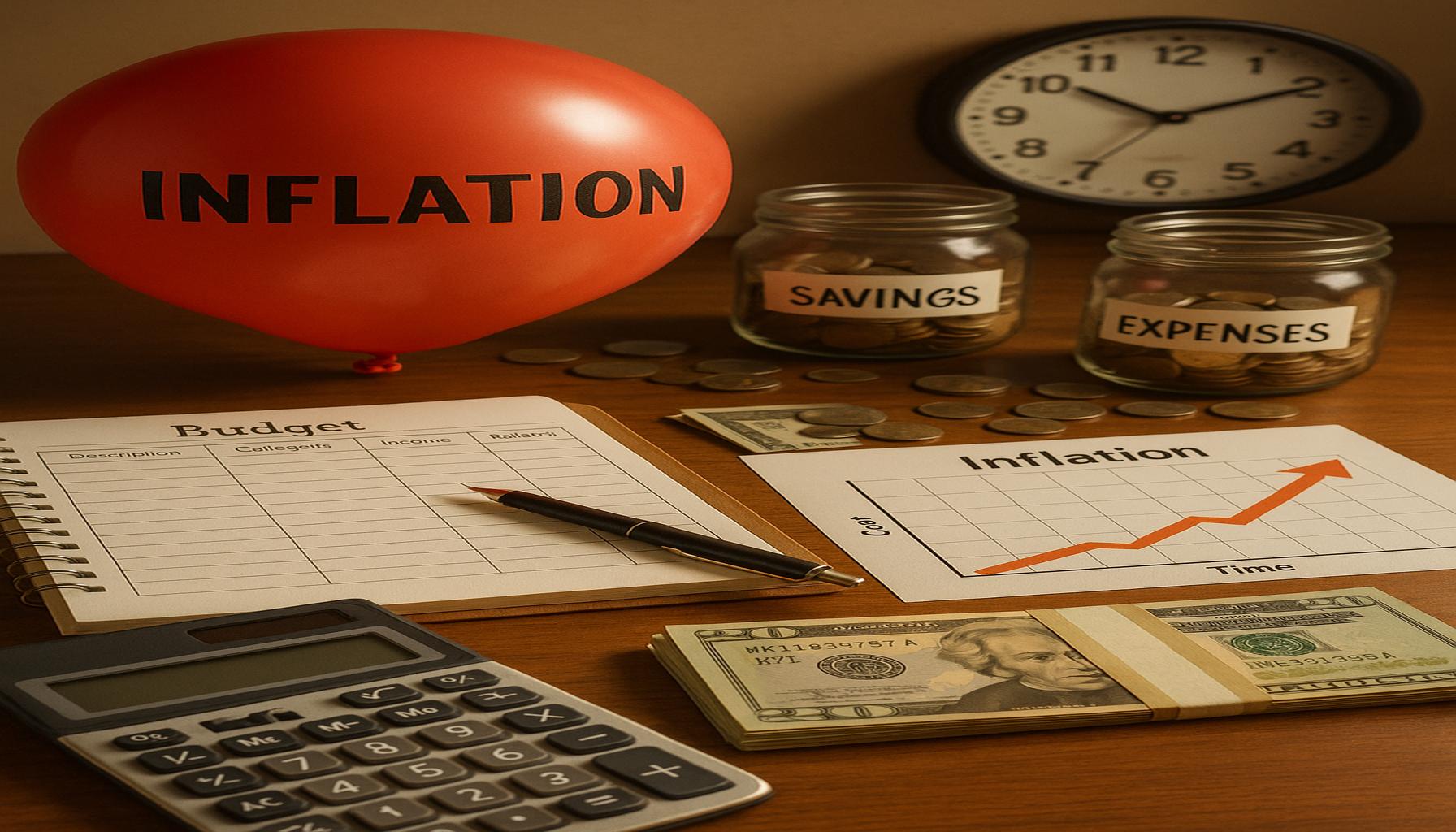
Inflation has become an unavoidable part of our financial landscape, touching nearly every aspect of our daily lives. From the cost of basic groceries to the rising prices at the gas pump, it impacts the economy and individual households alike. As the cost of living increases, the value of each dollar diminishes, which causes many to reevaluate their financial habits and perspectives. Understanding the gravity of inflation requires a deep dive into various financial elements that need to be adjusted accordingly.
Budgeting for the Future
Budgeting serves as the cornerstone of effective financial planning. Rising prices mean that the money you used to allocate for groceries, utilities, and services may no longer suffice. For instance, if a family routinely spent $300 on groceries, a 5% inflation rate could push that cost to $315 for the same amount of food. This incremental increase can strain budgets, forcing families to adapt by either cutting down on discretionary spending or seeking alternative, more affordable products. Keeping a monthly record of expenses and adjusting the budget regularly can help people stay ahead of price changes.
Saving Strategically
When it comes to savings, individuals must be proactive in adjusting their saving rates to keep up with inflation. If inflation is running at 3% but savings accounts yield only 1% interest, the real value of savings continues to dwindle over time. To combat this, many financial experts recommend exploring high-yield savings accounts or certificates of deposit (CDs). Another way to maintain future buying power is to contribute to accounts that offer growth potential, such as IRAs, which provide tax advantages while allowing savings to grow at a pace that can outstrip inflation.
Investment Perspectives
Choosing the right type of investments can also serve as a buffer against the eroding value of money. Stocks, for instance, have historically outpaced inflation over the long term, making them an attractive option for investors looking to grow their wealth. Real estate is another avenue, with properties often appreciating in value as prices rise. However, these options come with varying levels of risk and require careful consideration of market trends and personal financial situations.
Long-Term Financial Planning
The need for effective financial planning extends beyond immediate budgeting and savings. Anticipating long-term changes—such as inflation’s impact on retirement planning—is crucial. Retirement savings must be invested wisely to ensure that they grow sufficiently, ideally in ways that align with inflation rates. Individuals should also take into account how inflation can influence debt management. As interest rates fluctuate in response to inflation, borrowers may face higher costs for variable-rate loans, necessitating adjustments to repayment strategies.
Moreover, adjusting insurance needs is essential to mitigate risks associated with rising replacement costs. As the price of healthcare, home repairs, and general services rises, it’s important to revisit policy limits to ensure adequate coverage is in place.
By adopting a well-rounded approach that incorporates these considerations, individuals can build resilient financial plans that withstand inflation’s pressure and contribute to securing a more stable economic future.
Understanding Inflation’s Influence on Financial Choices
As inflation continues to shape the economic landscape, its impact on personal financial planning cannot be overstated. Individuals and families must confront the reality that the prices of goods and services—ranging from food and housing to transportation and healthcare—are consistently on the rise. This persistent increase not only reduces the purchasing power of money but also compels individuals to rethink their financial situations critically. Hence, developing a strategic approach that accommodates these inflationary trends is essential for achieving financial stability and long-term goals.
The Importance of Adjusting Living Expenses
One of the most immediate effects of inflation is the adjustment of living expenses. Ordinary expenses that seemed affordable in the past may now feel burdensome. For example, a family may have given little thought to their monthly cable bill or subscription services, but as food prices surge, they might need to reevaluate all expenditures. As these living costs increase, individuals must prioritize essential items while finding creative ways to cut discretionary spending. Here are some effective strategies to consider:
- Evaluate Needs vs. Wants: Distinguish between necessary expenses and those that can be reduced or eliminated.
- Embrace Bulk Buying: Purchase non-perishable items in larger quantities to save on overall costs.
- Utilize Coupons and Discounts: Take advantage of sales, loyalty programs, and digital coupons to help offset rising costs.
Reimagining Financial Goals
Inflation also necessitates the reassessment of financial goals. Individuals who are saving for significant life milestones such as homeownership, education, or retirement must account for the fact that the amount they need to save will continue to increase over time. Inflation can impact future expenses; for example, the cost of college tuition has historically risen faster than inflation rates. To meet these challenges, people may consider:
- Increasing Savings Rates: Gradually increasing the percentage of income set aside for savings can help counterbalance inflation.
- Diversifying Income Sources: Exploring additional income opportunities or side gigs can provide necessary funds for financial goals.
- Reviewing and Updating Plans: Regularly revisiting savings and investment strategies will help ensure they remain aligned with inflationary trends.
Understanding Debt in an Inflationary Environment
The relationship between inflation and debt management is another critical factor in personal financial planning. For individuals with fixed-rate loans, inflation can be somewhat beneficial, as their repayment amounts remain constant even as prices rise. However, those with variable-rate loans may see their interest payments spike, leading to greater financial strain. Adapting debt repayment strategies becomes essential, including:
- Locking in Fixed Rates: Consider refinancing variable-rate loans to fixed rates to mitigate future price increases.
- Prioritizing High-Interest Debt: Focus on paying off high-interest loans first to free up financial resources.
- Creating an Emergency Fund: Set aside funds to handle unexpected increases in debt payments or living expenses.
In a world increasingly characterized by inflation, understanding its influence on these various aspects of financial planning is paramount. Whether adjusting budgets, reassessing goals, or managing debt, taking proactive steps to address inflation will pave the way for a more secure financial future.
Investments: Navigating Inflation’s Challenges
As inflation begins to take a bigger slice of the consumer’s purchasing power, the investment landscape also changes. During periods of rising inflation, traditional asset classes, like stocks and bonds, can experience volatility, prompting investors to reevaluate their portfolios. A suitable investment strategy in an inflationary environment must consider how different asset classes react to changing economic conditions. Here are some key strategies for optimizing investments:
- Inflation-Protected Securities: Consider allocating funds to Treasury Inflation-Protected Securities (TIPS), which adjust in value based on inflation rates, providing a safeguard for your capital.
- Real Estate Investments: Investing in real estate can help hedge against inflation, as property values and rental incomes often rise with inflation, generating a reliable cash flow.
- Commodities and Precious Metals: Commodities like oil, gold, and silver historically perform well during inflationary periods, making them a strategic addition to mitigate risks associated with other asset classes.
The Role of Retirement Planning
Retirement planning becomes increasingly complex in an inflationary economy. Individuals must consider how inflation will affect their retirement savings and expenditures. Even a seemingly modest inflation rate can erode purchasing power significantly over long periods, making it crucial for retirement accounts to outpace inflation. Effective strategies include:
- Adjusting Contributions: Increase contributions to retirement accounts like 401(k)s or IRAs to ensure future purchasing power remains intact, taking advantage of employer matches wherever possible.
- Investing for Growth: Focus on growth-oriented investments, such as stocks or equity funds that can potentially yield returns that exceed inflation rates.
- Creating a Withdrawal Strategy: Develop a thoughtful plan for withdrawing funds during retirement; consider inflation-adjusted withdrawals to maintain a stable income that keeps pace with rising costs.
Education Funding in an Inflationary Environment
Inflation plays a significant role in shaping the cost of education. With tuition fees escalating at a higher rate than general inflation, parents looking to finance their children’s education through college savings plans must adopt a proactive approach. Here are some vital considerations:
- Starting Early: The earlier you begin saving for education, the more you can take advantage of compound interest and investment growth, effectively mitigating future tuition increases.
- 529 College Savings Plans: Utilize tax-advantaged savings accounts like 529 plans, which allow funds to grow tax-free and can be withdrawn without tax implications when used for qualified education expenses.
- Scholarships and Financial Aid: Keep abreast of available scholarships, grants, and financial aid options that can offset the burden of rising education costs, thus alleviating the pressure of inflation on family budgets.
As inflation continues to influence various facets of personal financial planning, awareness and adaptability become key attributes for individuals and families. Taking informed steps in investments, retirement planning, and education funding can help build resilience against the uncertainties that inflation brings. The right financial strategies not only protect today’s savings but also ensure a prosperous future amidst the changing economic landscape.
Conclusion
In today’s dynamic economic environment, the impact of inflation on personal financial planning cannot be overstated. As consumers face escalating costs that erode purchasing power, strategic financial management becomes imperative. Inflation, which refers to the general rise in prices over time, can significantly diminish the value of money, making every dollar less effective in meeting spending needs. Consequently, adapting one’s financial strategy has never been more essential for achieving stability and growth.
Investors must be proactive by embracing tools like inflation-protected securities and real estate investments. Treasury Inflation-Protected Securities (TIPS), for instance, are designed to increase in value with inflation, providing a reliable hedge against rising prices. Additionally, investing in real estate has historically offered a solid avenue for wealth preservation, as property values often appreciate over time, correlating with inflation trends. These strategies are crucial, particularly in an unpredictable economy where stock market fluctuations can lead to significant losses.
Moreover, enhancing contributions to retirement accounts such as 401(k)s and IRAs is vital. Adjusting withdrawal strategies to account for inflation can fortify one’s golden years. For example, retirees should consider annual increases in their withdrawal amounts to maintain their standard of living. This ensures that the funds last longer in the face of increasing healthcare and living costs.
Families planning for education funding should also prioritize early investment. Utilizing 529 plans not only facilitates tax-free growth but also prepares children for rising tuition costs. By starting early, parents can take advantage of compound interest, which amplifies savings and can significantly offset future expenses. The growing concern over student debt underscores the need for a solid educational funding strategy, ensuring that children can access higher education without significant financial burdens.
Ultimately, awareness and adaptability are vital qualities in the face of inflation. It is not solely about weathering the immediate storm of rising prices but about creating a sturdy foundation for the future. Each informed decision made today contributes to a legacy of financial stability for tomorrow. Embracing a comprehensive financial plan that prioritizes growth in an inflationary landscape can lead to a prosperous and secure future, allowing individuals and families to thrive amid economic uncertainties. In a rapidly changing world, having a resilient financial strategy is not just an option; it is a necessity for securing one’s financial well-being.