The Future of Automation and Its Effect on Manufacturing Stocks
The Impact of Automation on Investment Strategies
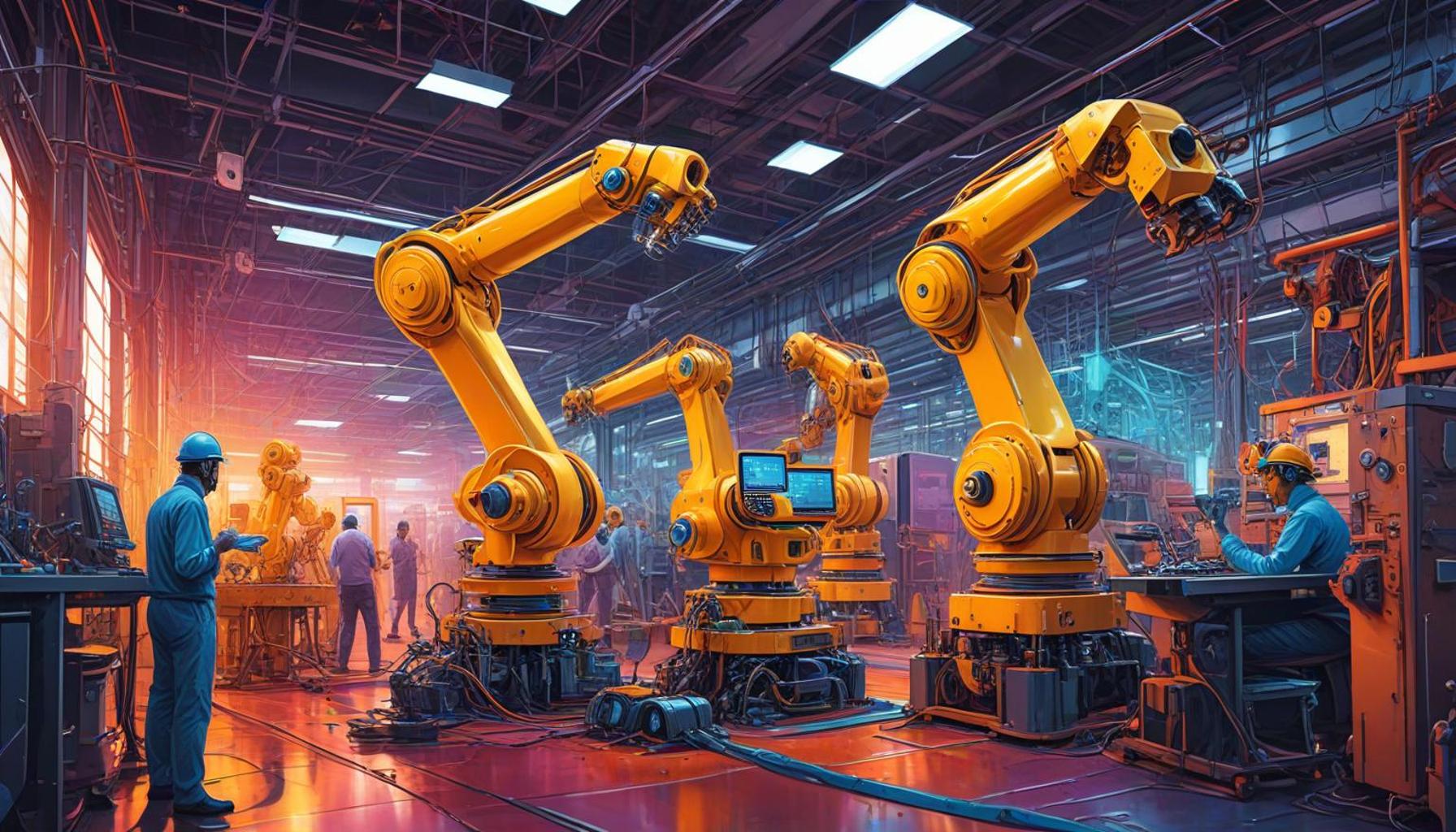
As we dive deeper into the world of automation within the manufacturing sector, we discover a landscape brimming with transformative potential. This disruption is not merely a shift in how products are made; it represents a fundamental change that can redefine entire industries. With each new innovation, manufacturers are beginning to reap the benefits of enhanced efficiency and productivity, which ultimately translate into more lucrative opportunities for investors.
To fully appreciate the implications of these advancements, we consider the critical aspects of automation that stand out:
- Streamlined Operations: Today’s automated systems are engineered to minimize human error while maximizing output. For instance, automotive manufacturing plants have integrated robotics that can assemble vehicles with precision and speed far beyond human capability. This not only boosts efficiency but also allows manufacturers to meet consumer demand swiftly, ensuring that production lines are not only productive but also responsive.
- Cost-Effective Solutions: Many companies are finding that investing in automation leads to substantial reductions in operational costs. By automating processes such as packaging and quality control, manufacturers can lower their labor costs and reduce waste. This means companies can allocate resources to innovative projects or even pass savings onto consumers, which can be appealing in a competitive marketplace.
- Worker Displacement Concerns: While automation paves the way for efficiency, it does raise important questions about workforce implications. The rise of machines can lead to job losses in some areas, forcing workers to either compete with automated systems or seek new skill sets to remain relevant. However, this challenge also opens doors for workforce development initiatives, creating a demand for programs that teach advanced technological skills to the American workforce.
Given these dynamic changes, investing in manufacturing stocks requires a nuanced understanding of both the potential and the pitfalls of automation. Acknowledge the long-term implications these technologies hold for the manufacturing sector and consider how they align with emerging trends in consumer preferences and environmental sustainability. A company’s commitment to adopting automation wisely can be a leading indicator of its capacity for growth and resilience.
By embracing these shifts and making informed decisions, investors have an opportunity not only to thrive financially, but also to contribute to a more sustainable and efficient future. This is not just about gaining returns; it’s about shaping an industry that responds to both technological advances and societal needs. In this way, we can ensure that our financial actions are not only economically sound but also socially responsible, paving the way for a brighter investment climate ahead.
SEE ALSO: Click here to read another article
Redefining Performance Metrics in Manufacturing
As automation takes center stage in manufacturing, it is imperative to consider how these advancements are reshaping performance metrics that stakeholders have long relied upon. In the past, success was often measured by output alone, with less emphasis on the efficiency of processes or the sustainability of practices. However, with the surge in automation, a new set of criteria is emerging that will guide investment decisions and company evaluations.
Investors must now look deeper into a company’s automated capabilities and understand their implications beyond mere productivity. The future of manufacturing stocks will be influenced by how well companies adapt to this technological revolution, with a focus on the following key areas:
- Innovation Adoption: Companies that prioritize the integration of advanced technologies, such as artificial intelligence and machine learning, will undeniably maintain a competitive edge. By harnessing these tools, businesses can not only enhance their productivity but also foster innovation in product development, leading to new revenue streams.
- Data-Driven Insights: Automation generates vast amounts of data that, when analyzed, can provide insights into operational efficiency, market trends, and consumer behavior. Manufacturers that effectively leverage these insights can make informed strategic decisions, minimize costs, and maximize profit margins, positively impacting their stock performance.
- Sustainability Initiatives: Today’s consumers are increasingly value-driven, often preferring brands that demonstrate environmental responsibility. Companies that use automation to optimize resource usage, reduce waste, and embrace sustainable practices will likely attract investors who prioritize eco-conscious investments.
- Flexibility and Responsiveness: Automated systems enable manufacturers to respond swiftly to changes in market demand, enabling a level of operational flexibility that was previously unattainable. This adaptability not only ensures that production lines stay ahead of consumer trends but also aligns with an increasingly fast-paced economic landscape.
These evolving metrics demand that current and prospective investors re-evaluate their approaches to risk and reward. Gone are the days when a simple glance at revenue figures sufficed to determine a company’s viability. The rise of automation means understanding the ‘how’ and ‘why’ behind a manufacturer’s operations is equally, if not more, important. A thoughtful assessment of these dynamics will lead to wiser investment choices, ultimately fostering a path toward both financial success and industry advancement.
Investing in manufacturing stocks amidst the rise of automation opens a unique opportunity for individuals and institutions alike. By taking a conscious approach to investment—one that appreciates the vital role that technology plays in shaping the future—the financial community can cultivate a landscape characterized not just by profits, but by sustainability and growth for generations to come.
CHECK OUT: Click here to explore more
The Human Element in an Automated World
While the rise of automation is undoubtedly transforming the landscape of manufacturing, it is essential to address the profound impact this shift may have on the workforce. As factories become increasingly automated, the human element is at risk of being overshadowed. However, this does not mean that human involvement is rendered obsolete; rather, it is evolving into a more strategic role that emphasizes creativity, problem-solving, and emotional intelligence. Investors should take heed of companies that prioritize fostering this talent, as they are likely to outperform those that lean solely on automated processes.
Upskilling and Reskilling Workforce: Companies that invest in their employees through training programs are positioning themselves for greater success in a world dominated by machines. As tasks become more specialized, the demand for a skilled workforce that can manage and interpret automated systems will soar. Manufacturers who prioritize upskilling and reskilling initiatives will not only cultivate loyalty among their employees but also enhance their operational efficiency, ultimately leading to improved stock performance. For example, leading firms like Siemens have established extensive training programs aimed at integrating human skills with automated technologies, showcasing their commitment to developing a resilient workforce.
Enhanced Collaboration: The future of manufacturing lies in a harmonious relationship between humans and machines. By fostering collaboration between skilled labor and automated systems, companies can unleash unprecedented levels of innovation. This synergy empowers workers to focus on complex problem-solving, creativity, and strategic planning, which machines cannot replicate. Investors should look for firms that are adopting collaborative approaches, as these organizations are positioned to benefit from improved productivity and quality, translating to stronger financial returns.
Workplace Safety and Ergonomics: As automation alters the nature of work, the emphasis on workplace safety and ergonomic designs must not be overlooked. Automated machines can take over dangerous tasks, significantly reducing workplace injuries. Firms that prioritize safety by integrating automated solutions not only protect their employees but also reduce costs associated with healthcare and insurance, which can enhance profitability. This creates an appealing proposition for investors, signaling that a company values both its workforce and its bottom line.
Employee Engagement: In an automated world, maintaining high levels of employee engagement becomes paramount. Companies that recognize the importance of fostering a positive and inclusive workplace culture can enhance motivation and productivity. Engaged employees contribute to innovation and efficiency, making these companies more resilient in the face of market fluctuations. Investors should favor companies that cultivate strong employee relationships and prioritize engagement initiatives, as this can lead to a more committed and productive workforce.
The future of manufacturing stocks is not merely a tale of machines and technology; it is fundamentally intertwined with the human spirit. By embracing the need for a balanced approach that values both automation and human contributions, investors can unlock new opportunities for sustainable growth. Understanding this holistic perspective will empower market participants to make more informed and responsible financial actions, aligning their investments with the inevitable changes on the horizon.
SEE ALSO: Click here to read another article
Final Thoughts on Automation in Manufacturing
As we navigate this transformative era in manufacturing, it becomes profoundly clear that the intersection of automation and the human workforce holds the key to unlocking unprecedented possibilities. The evolution towards more automated processes does not signal the end of human roles; instead, it challenges us to rethink how we cultivate talent and foster collaboration. As highlighted, companies focusing on upskilling and reskilling their workforce will not only adapt but thrive, setting themselves apart in a competitive market.
Furthermore, the pursuit of synergy between machines and humans will act as a catalyst for innovation. Firms that nurture this collaboration can better navigate complexities and inefficiencies, ultimately enhancing their financial performance. This need for a balanced approach reinforces the notion that manufacturers who prioritize employee engagement and workplace safety will carve out a sustainable path for success.
In conclusion, as investors, it is essential to recognize that the landscape of manufacturing stocks is shifting. By embracing the inseparable link between automation and human contribution, we position ourselves to not only capitalize on emerging trends but also to support companies committed to responsibility and growth. The future of manufacturing holds promise, and those who align their investments with a holistic understanding of these dynamics will undoubtedly reap the rewards in the months and years to come.