The evolution of payment platforms: how technology is facilitating international transactions
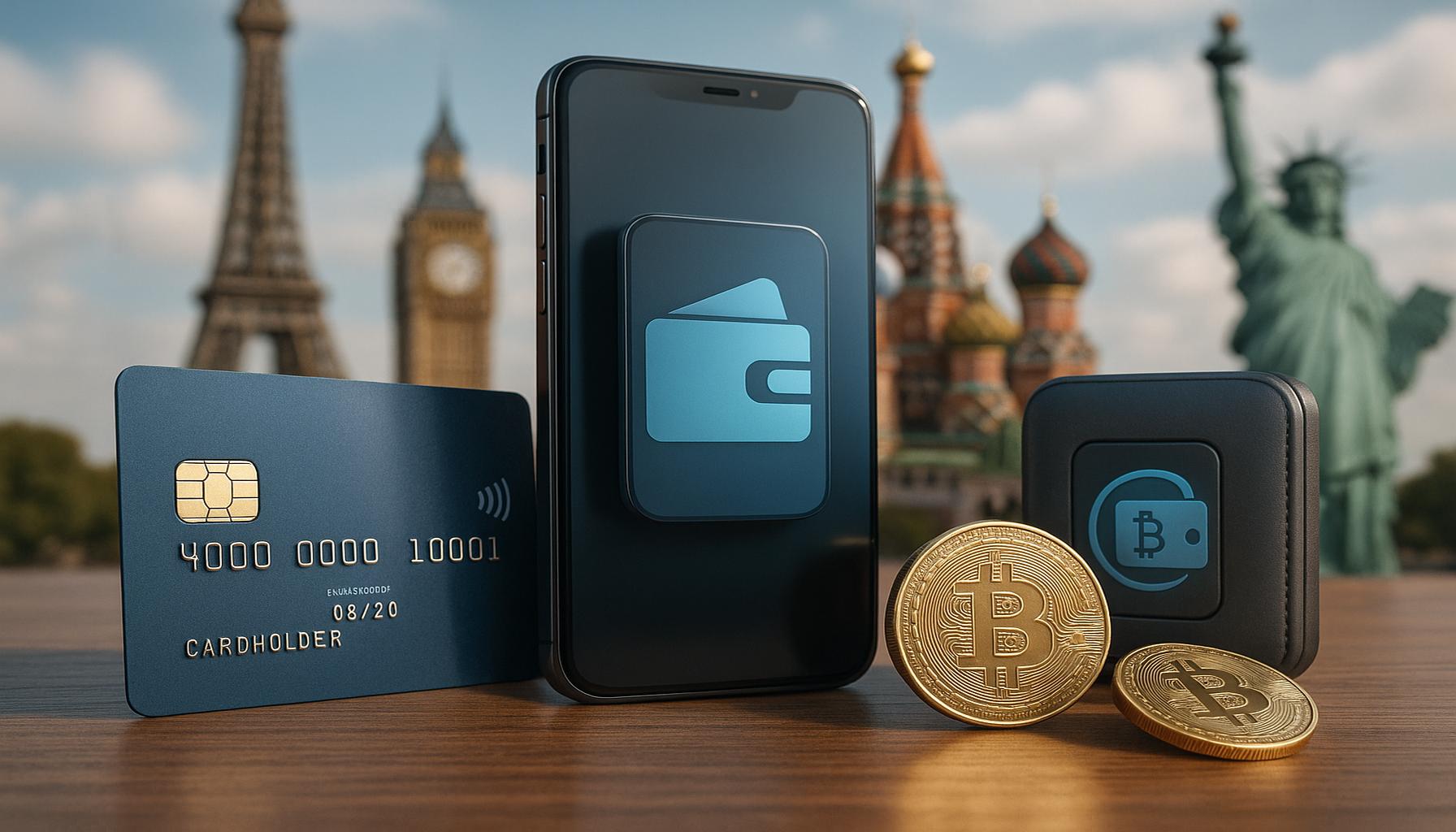
The Evolution of Payment Platforms
Over the past few decades, the landscape of payment platforms has transformed dramatically. This rapid evolution has allowed individuals and businesses to navigate international transactions with unprecedented ease. In a world increasingly tilted in favor of instant gratification, the traditional banking methods that once dominated financial transactions are quickly fading into the background. This shift not only reflects changing consumer preferences but also underscores significant technological advancements.
Gone are the days when individuals had to queue in banks or fill out cumbersome forms to make a transfer. Today, technological innovations bring forth a myriad of options, making financial transactions more efficient and accessible than ever before:
- Mobile Payment Apps – Solutions like Venmo and Zelle have revolutionized peer-to-peer transactions. Users can send money instantly to friends and family with just a few taps on their smartphones. For example, splitting the bill for dinner or contributing to a group gift has never been simpler.
- Cryptocurrency – Digital currencies such as Bitcoin enable borderless transactions outside the conventional banking frameworks. Many people are now purchasing goods and services globally without worrying about currency conversion fees or exchange rates, offering a new level of financial freedom.
- Blockchain Technology – This technology underpins digital currencies and enhances transaction transparency and security. By employing decentralized ledgers, blockchain provides a tamper-proof record of transactions, thereby reducing fraud and improving trust between parties.
- Online Payment Gateways – Platforms like PayPal and Stripe facilitate seamless payments for e-commerce businesses globally, allowing them to reach customers without geographical limitations. Small businesses can now swiftly set up online shops and sell to international clients.
These advancements not only support individual users but also empower businesses to operate on a global scale. As companies expand their reach, they seek reliable strategies to manage payments effectively. With the rapid integration of these payment solutions, organizations can streamline their processes and focus on growth while minimizing the financial friction associated with international commerce.
International transactions today are characterized by several key features:
- Speed – Transactions can be completed within minutes, often in real-time. This immediacy is crucial for businesses that rely on timely payments to maintain smooth operations.
- Accessibility – Users can transact from virtually anywhere in the world, whether they are on vacation or working remotely. This level of accessibility empowers consumers and businesses alike to participate in a global economy.
- Cost-effectiveness – Many digital payment solutions offer reduced fees compared to traditional banks, making it more affordable for individuals and small businesses to engage in international transactions.
As technology continues to advance, the evolution of payment platforms will undoubtedly shape the future of global commerce. As convenience becomes the cornerstone of consumer expectations, those who adapt to these changes will thrive in an ever-competing marketplace. With every innovation, a new era of financial transactions unfolds, creating exciting possibilities for businesses and consumers to explore.
Revolutionizing Transactions: The Role of Technology
The transformation of payment platforms primarily hinges on technological innovation that continuously redefines the parameters of international transactions. As we navigate through the complexity of conducting business and transferring money across borders, we witness how technology is dismantling barriers that once seemed insurmountable. At the forefront of this remarkable shift are various innovations that address long-standing challenges associated with international payments.
To better understand the evolution of these platforms, it is essential to recognize the factors that have contributed to their widespread adoption:
- Enhanced User Experience – Modern payment platforms prioritize user-friendly interfaces and streamlined processes. From intuitive designs to efficient onboarding procedures, these advancements are pivotal in encouraging users to embrace digital payment solutions. Consumers no longer face the frustration of navigating complicated banking systems; instead, they can manage their financial activities with ease and convenience.
- Integration with Emerging Technologies – As payment platforms evolve, they increasingly integrate cutting-edge technologies like artificial intelligence (AI) and machine learning. These technologies are enhancing security measures, improving fraud detection, and personalizing user experiences. For instance, AI-driven algorithms can analyze transaction patterns and identify anomalies, helping to safeguard users’ finances while instilling confidence in international dealings.
- Globalization of E-commerce – The rise of e-commerce has fostered a demand for versatile payment platforms that cater to diverse markets. Businesses, small and large, can now effortlessly reach international customers, thanks to solutions that accommodate multiple currencies and payment methods. Platforms like Alibaba and Shopify exemplify how merchants can operate seamlessly across borders, tapping into previously inaccessible markets.
- Support for Mobile Commerce – With smartphones at the centerpiece of daily life, mobile payment solutions are becoming paramount. Applications like Apple Pay and Google Pay enable consumers to make secure transactions wherever they are, simplifying processes and expanding options for international shoppers. These tools have made the buying process not only quicker but also safer, allowing individuals to venture beyond their own backyards.
The integration of these elements illustrates a clear trajectory toward a future where international transactions are not only possible but also accessible to everyone. Accessibility, in particular, amplifies opportunities for those in developing economies to engage in global commerce. Many entrepreneurial ventures now leverage these technologies to scale their operations, further contributing to a flourishing interconnected economy.
Additionally, a shift in consumer behavior reveals an appetite for transparency and control over financial dealings. Today’s users favor platforms that provide real-time transaction updates, comprehensive spending insights, and customizable payment settings. This demand illustrates a shift from traditional banking, where customers often found themselves at the mercy of external protocols and timelines.
As we explore the ongoing evolution of payment platforms, it becomes evident that technology is not merely a facilitator; it is a catalyst for change. The ability to send and receive money internationally has evolved from a laborious task to a swift, straightforward experience that fosters global business relationships. As we delve deeper into how these developments continue to shape international transactions, we uncover the endless possibilities that lie ahead.
Empowering Users: The Influence of Digital Wallets and Cryptocurrencies
As technology continues to reshape the landscape of international payments, the emergence of digital wallets and cryptocurrencies stands out as one of the most significant advancements. These modern solutions empower users, offering them not only convenience but also new avenues for engagement in global commerce.
Digital wallets, such as PayPal, Venmo, and newer entrants like Cash App, provide a seamless bridge between traditional banking systems and the digital economy. By allowing users to store multiple payment methods in one place, these wallets facilitate immediate access to funds and eliminate cumbersome processing delays often associated with cross-border payments. The simplicity of linking a bank account or credit card to these digital wallets means that users can transact with international vendors effortlessly, without worrying about the intricacies of different currencies.
The rise of digital wallets has also led to the incorporation of loyalty programs and rewards systems, further incentivizing users to opt for these platforms for their transactions. Users can earn cashback or points by simply using their digital wallets to make payments, adding an extra layer of appeal, especially for those engaging in frequent international purchases.
Cryptocurrencies, on the other hand, have emerged as a disruptive force in the realm of payments. With Bitcoin, Ethereum, and an array of altcoins gaining traction, they present a decentralized alternative to traditional financial systems. One of the most compelling features of cryptocurrencies is their potential to facilitate transactions without the interference of intermediaries, such as banks or payment processors. For international users, this means lower fees and faster transaction times. In regions where access to traditional banking is limited, cryptocurrencies have provided an alternative means of financial engagement, empowering those who have been previously marginalized by conventional banking systems.
Moreover, the built-in blockchain technology supporting cryptocurrencies adds another layer of security by creating immutable records of transactions. This transparency not only deters fraud but also builds trust among users in various countries, solidifying cryptocurrencies as a viable payment option for international commerce.
Additionally, platforms dedicated to cryptocurrency exchanges—such as Coinbase and Binance—are simplifying the process of converting cryptocurrencies to local currencies, making them even more accessible for everyday users. This ease of access encourages merchants to accept digital currencies as payment, further propelling their legitimacy within the retail landscape.
As we delve deeper into the workings of these emerging payment mechanisms, a noticeable trend emerges: the fusion of multiple payment solutions into a single ecosystem. Platforms are beginning to offer integrated services that combine traditional payment methods with digital wallets and cryptocurrencies, all under one umbrella. This holistic approach not only enhances user experience but also addresses the varying preferences of consumers around the globe, making it easier for them to transact according to their needs.
The innovative shift toward digital wallets and cryptocurrencies is far from a mere passing trend; it embodies a significant evolution in the way people perceive and engage in international transactions. As these technologies continue to develop, the paradigm of payment systems will evolve, creating a landscape where financial interactions are fluid, fast, and increasingly secure.
Conclusion: A New Era of Financial Connectivity
As we stand at the crossroads of technological advancement and financial innovation, it is clear that the evolution of payment platforms is transforming the way we engage in international transactions. With digital wallets simplifying the payment process and cryptocurrencies providing a decentralized avenue for cross-border transactions, consumers now enjoy unparalleled levels of convenience, speed, and security. This digital revolution addresses not only the traditional barriers imposed by banking systems but also the needs of a global market increasingly interlinked by commerce and communication.
The integration of various payment solutions into cohesive ecosystems illustrates a pivotal shift toward user-centric financial services. By offering integrated platforms that combine different payment methods, businesses can cater to diverse consumer preferences, fostering inclusivity and accessibility for audiences worldwide. Furthermore, the advent of blockchain technology adds an essential layer of transparency and trust, ensuring that transactions are secure and verifiable.
Looking forward, the landscape of international transactions will likely continue to evolve, driven by ongoing technological advancements and the growing acceptance of digital currencies. As more merchants and consumers embrace these innovations, we may witness not only a redefinition of how payments are made but also an enhancement of global commerce that empowers individuals and strengthens economies. In this new age of financial connectivity, the ability to transact swiftly and securely across borders is not just a possibility—it has become a reality that shapes our daily lives.