The Evolution of Credit Cards: How Technology Is Transforming the Consumer Experience
The Evolution of Credit Cards
Originally flourishing in the 1950s, credit cards have become an indispensable part of modern financial life. Initially designed for affluent consumers to facilitate purchases, today, they serve a broad demographic and function as advanced financial instruments that enhance the overall consumer experience. This transformation is primarily driven by several pivotal factors.
Technological Advancements
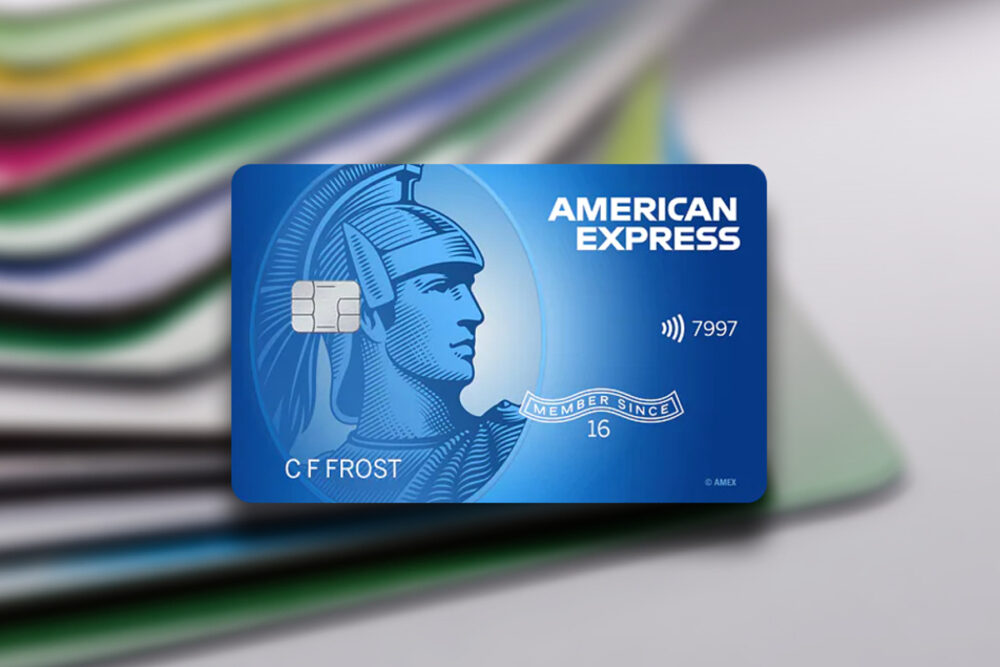
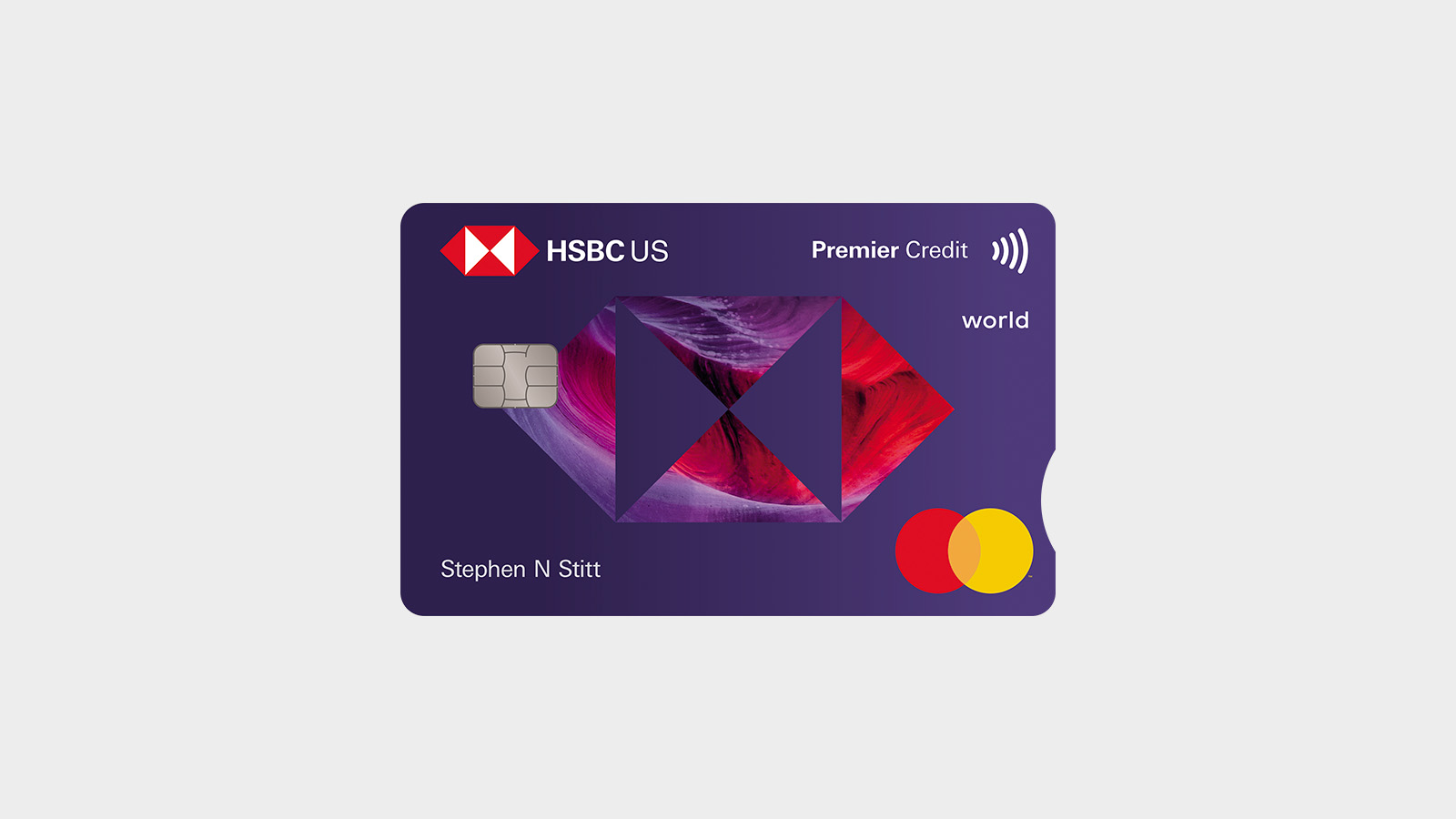
Technological advancements have played a crucial role in revolutionizing credit card usage. One notable innovation is the introduction of chip technology. Unlike traditional magnetic stripes that can easily be skimmed by fraudsters, EMV chip cards generate a unique transaction code for each purchase, adding an extra layer of security. Moreover, the advent of contactless payments has made transactions faster and more convenient. With just a simple tap of the credit card or smartphone at the point of sale, consumers can complete purchases without the hassle of entering PINs or signatures.
Digital Banking
The rise of digital banking platforms further enhances credit card functionality. Consumers now have the ability to access their financial data anytime and anywhere through mobile apps. These platforms provide tools for budgeting and real-time tracking of expenditures, allowing users to manage their finances with unprecedented ease. For example, apps like Mint enable users to categorize their spending, analyze trends over time, and set financial goals, promoting better financial literacy and responsibility.
Data Analytics
Data analytics contributes significantly to the refined consumer experience provided by credit cards. Financial institutions can utilize large sets of data to deliver personalized offers tailored to individual spending habits. For instance, if a consumer frequently dines out, a credit card company may offer cash back on restaurant purchases. Additionally, enhanced fraud detection systems analyze spending patterns to detect anomalies in real time, alerting consumers to potential security breaches before significant damage occurs.
As we delve deeper into these developments, it becomes evident that they not only enhance our shopping experiences but also influence our financial habits. For instance, the ease of contactless payments can encourage impulsive buying, reinforcing the need for consumers to remain aware of their spending. By understanding these shifts in credit card services, consumers can navigate the complex financial landscape more effectively and make informed decisions that empower their finances.
In summary, the evolution of credit cards—from simple payment tools to sophisticated financial products—has reshaped how we engage with retail environments and manage our personal finances. Keeping abreast of these changes allows consumers to harness the full potential of credit cards while safeguarding their financial well-being.
How Technology is Shaping the Credit Card Landscape
The impact of technology on credit cards extends far beyond enhanced security measures and convenient payment methods. A variety of innovations have transformed the way consumers interact with their credit cards and manage their financial lives. Here, we explore some of these key technological advancements that are reshaping the credit card landscape.
Mobile Wallets and Payment Apps
The emergence of mobile wallets has revolutionized the way consumers make purchases. Over the past decade, applications like Apple Pay, Google Pay, and Samsung Pay have become mainstream, allowing users to store their credit and debit card information securely on their smartphones. This innovation not only simplifies the buying process but also offers enhanced convenience. For example, rather than fumbling for a physical card at the checkout, a user can simply unlock their phone and tap it against a terminal to complete the transaction.
Integration of Rewards Programs
As technology evolves, rewards programs have also adapted to meet consumer demands. Credit card companies are leveraging advanced software and data analytics to create enticing loyalty programs that cater to individual tastes. Consumers can choose from a variety of rewards, including cash back, travel points, and exclusive discounts. This personalization leads to a more engaging and beneficial experience. To maximize benefits, consumers should consider the following:
- Evaluate spending habits: Understanding where you spend the most can help you choose a card with the best rewards for your lifestyle.
- Stay informed on offers: Many credit card providers regularly update their rewards programs, so keeping track of these changes is essential.
- Use bonus categories strategically: Some cards offer enhanced rewards in specific categories during promotional periods, allowing savvy consumers to capitalize on these opportunities.
Fraud Prevention and Security Features
With the increase in the use of credit cards comes the heightened risk of fraud. Financial institutions are investing in advanced technologies to combat this threat. Features like instant alerts for transactions, virtual card numbers, and biometric authentication are becoming standard. For instance, some credit card providers now offer the ability to generate a unique virtual card number for online purchases, significantly reducing the risk of data breaches.
In addition to these technological enhancements, consumers are also becoming more proactive about their credit card usage. They are encouraged to monitor their accounts regularly, set up alerts for unusual activity, and take advantage of tools that help track their spending patterns. By actively engaging with their credit card usage, consumers not only increase security but also enhance their financial literacy.
In summary, technological advancements are continually refining the credit card experience. From mobile wallets to personalized rewards programs and enhanced security features, the modern consumer benefits from a more convenient, secure, and engaging financial ecosystem. As these technologies continue to evolve, being informed and adaptable is crucial for maximizing the advantages that credit cards offer in today’s dynamic marketplace.
Emerging Trends in Credit Card Technology
As the financial landscape continues to evolve, several emerging trends are shaping the credit card experience, making it more intuitive and engaging for consumers. In addition to the previously discussed innovations, several transformative technologies are at the forefront of this evolution.
Contactless Payments
Contactless payment technology has surged in popularity, particularly in the wake of the COVID-19 pandemic, which highlighted the importance of safe and hygienic shopping experiences. By simply tapping their card—equipped with Near Field Communication (NFC) technology—at a terminal, consumers can complete transactions in seconds without having to enter a PIN or swipe a card. This quick and efficient method not only speeds up the purchasing process but also enhances customer satisfaction. Major retailers across the United States have adopted this technology, offering a seamless shopping experience that caters to the modern consumer’s needs.
Artificial Intelligence in Customer Service
The integration of artificial intelligence (AI) into customer service is revolutionizing how credit card companies interact with consumers. AI-powered chatbots and virtual assistants provide immediate assistance to users, answering questions, offering product recommendations, and even helping with account management. Such tools operate 24/7, ensuring that consumers can access support whenever they need it. Moreover, the use of AI allows credit card companies to personalize communication, making it tailored to the individual’s preferences and behaviors. For example, a credit card user who frequently travels can receive customized travel tips and special offers based on their transaction history.
Financial Health Management Tools
Modern credit cards are further evolving to include features aimed at enhancing consumers’ financial health. Many issuers are incorporating comprehensive financial management tools directly into mobile apps, enabling users to track spending, set budgets, and monitor credit scores—all in one place. These tools often utilize gamification techniques, turning financial management into a more engaging activity. Such features not only empower consumers to take control of their finances but also foster healthier spending habits, ultimately leading to improved credit management.
Cryptocurrency Integration
As cryptocurrency becomes increasingly mainstream, many credit card companies are beginning to explore cryptocurrency rewards. Some credit cards now allow consumers to earn cryptocurrency as a form of reward for their spending, allowing for diversification in their financial portfolios. For instance, users might earn Bitcoin instead of traditional cash back or points, making their credit card usage more appealing to tech-savvy consumers curious about the growing cryptocurrency market. This adds yet another layer of customization and value to the credit card experience.
Moreover, the evolving landscape of payment technologies and financial management tools illustrates how the credit card industry is adapting to consumer needs. By embracing innovations such as contactless payments, AI-driven customer service, and cryptocurrency rewards, credit card companies are crafting a more responsive and attractive environment for users. It encourages greater engagement and empowerment of consumers, allowing them to navigate their financial journeys with confidence and ease.
Conclusion
The landscape of credit cards is undergoing a significant transformation driven by technological advancements that prioritize consumer convenience, security, and engagement. As we’ve explored, innovations such as contactless payments streamline transactions, saving time and enhancing the shopping experience. In an era that demands immediacy, these features reflect a growing expectation for efficiency in our financial interactions.
Moreover, the implementation of artificial intelligence in customer service is proving to be a game changer. By offering 24/7 assistance and personalized support, credit card companies are not only responding to consumer needs more effectively but also cultivating a sense of loyalty and trust. This is particularly vital as financial decisions are often complex and require tailored guidance.
Financial management tools integrated into credit card mobile applications further empower consumers, allowing them to take charge of their spending habits and enhance their financial literacy. These intuitive tools encourage users to establish and maintain healthier financial behaviors, which are essential in today’s fast-paced world.
Additionally, as interest in cryptocurrencies grows, the integration of cryptocurrency rewards into credit cards offers an exciting avenue for diversification, appealing especially to tech-savvy individuals. This melding of traditional finance with digital currency signifies a forward-thinking approach that could redefine how we view rewards and investments.
Overall, the evolution of credit cards is marked by a commitment to creating an improved consumer experience. By continually adapting to emerging technologies and consumer expectations, credit card companies are not just keeping pace with the future; they are actively shaping it. As consumers, this means greater convenience, better information, and ultimately, more control over our financial journeys.

Linda Carter
Linda Carter is a writer and expert known for producing clear, engaging, and easy-to-understand content. With solid experience guiding people in achieving their goals, she shares valuable insights and practical guidance. Her mission is to support readers in making informed choices and achieving significant progress.