The Effects of Excessive Credit Card Use on Financial Health
Understanding the Consequences of Credit Card Misuse
Credit cards can be an excellent financial tool when used responsibly. They provide a convenient way to make purchases, whether online or in-store, and many offer benefits such as rewards points or cashback on purchases. However, misusing credit cards can lead to severe financial consequences that can hinder one’s financial health for years. Many individuals are unaware of how quickly they can find themselves trapped in a cycle of debt, making it essential to understand the potential pitfalls of excessive credit card use.
Key Issues Caused by Overusing Credit Cards
- Accrued Debt: It’s all too easy to rack up balances on credit cards. For example, a simple trip to the mall can lead to dozens of purchases that accumulate to hundreds or even thousands of dollars in debt. These balances can quickly spiral out of control, especially if you’re not meticulously tracking your spending.
- High-Interest Rates: Credit cards often come with significantly high-interest rates—sometimes ranging from 15% to as much as 30%. This means that if you only pay the minimum amount due, you may end up paying much more than the original price of your purchases. For instance, a $1,000 balance can end up costing you over $2,000 if only the minimum payment is made each month, and you continue to accrue interest and additional charges.
- Lower Credit Scores: Your credit score is a crucial aspect of your financial life. Missing payments or maxing out your credit cards can severely damage your credit history, leading to lower scores. A lower credit score can affect your ability to obtain loans or secure favorable interest rates, making it more challenging to buy a home or finance a car.
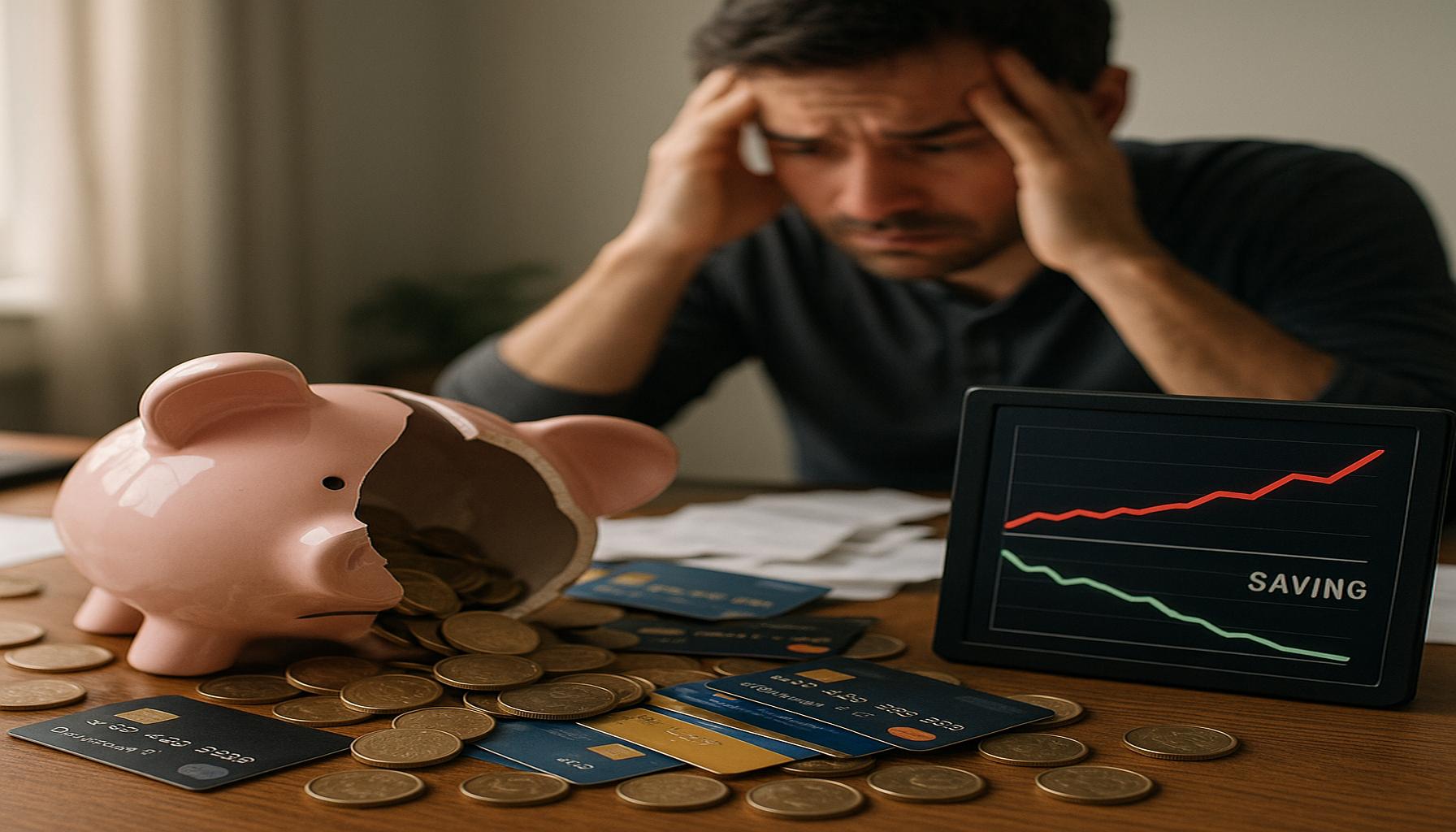
- Financial Stress: The weight of overwhelming debt can significantly impact mental health. Living with constant anxiety about finances can strain relationships, reduce happiness, and lead to serious stress-related health issues. Cognitive load from worrying about bills can distract from family and work responsibilities, leading to a detrimental cycle of financial and emotional stress.
Steps Toward Financial Accountability
Recognizing these challenges is the first crucial step toward preventing financial pitfalls. By developing a better understanding of credit card management, individuals can take proactive measures to enhance their financial well-being. Create a budget that includes your monthly income and all expenditures, ensuring that you have a clear financial picture. It can also be beneficial to establish an emergency fund, so you don’t need to rely on credit cards in times of unexpected expenses.
In the following sections, we will explore useful strategies for responsible credit card use and managing debt effectively. This includes tips such as setting purchase limits, making payment plans, and seeking financial advice when necessary. Remember, while credit cards can provide convenience, using them wisely is essential for maintaining a healthy financial future.
The Hidden Costs of Credit Card Debt
Many people view credit cards as a magical solution for their immediate financial needs, offering the ability to buy now and pay later. However, the hidden costs of excessive credit card usage can have long-lasting effects on an individual’s financial health. When credit cards are used irresponsibly, their convenience can morph into a burden, creating a complicated web of debt that is challenging to escape.
Understanding Credit Card Debt Accumulation
One of the primary issues people encounter is the quick accumulation of debt. It often starts with seemingly harmless purchases. For instance, buying a new pair of shoes for $100 or filling up your car for $50 might not feel burdensome initially. However, as you continue to add to your card with daily expenses like dining out or shopping, these charges can quickly add up. The following factors contribute to the rapid build-up of credit card debt:
- Impulse Purchases: Credit cards can encourage impulsive spending, where individuals buy things they don’t truly need. This often leads to an unsustainable lifestyle and debt accumulation.
- Minimum Payments: Paying only the minimum amount due may seem manageable, but it allows interest to pile up, increasing the total balance owed. This can transform a small amount of debt into a significant financial burden over time.
- Lack of Awareness: Many credit card users don’t maintain a clear record of their spending, leading to unsuspected high balances. Not keeping track can make it harder to catch spending before it spirals out of control.
The Ripple Effects of Excessive Credit Card Use
The effects of carrying a high balance on credit cards extend beyond just the financial realm. When individuals find themselves unable to pay off their debts, they may face a range of difficulties:
- Increased Stress Levels: Constant worry about financial obligations can lead to heightened anxiety and stress, affecting mental health and overall quality of life.
- Relationship Strain: Financial worries can cause tension between friends and family, leading to arguments and decreasing social connections.
- Limited Financial Freedom: High credit card debt prevents individuals from pursuing essential life goals, such as saving for a house, funding education, or enjoying leisure activities without financial strain.
Overall, understanding the implications of excessive credit card use is vital for maintaining financial health. Being mindful of spending habits and recognizing the signs of accumulating debt can empower individuals to take control over their finances.
Long-Term Consequences of Financial Mismanagement
The immediate consequences of excessive credit card use may seem manageable, but the long-term effects can be far-reaching and detrimental to one’s financial health. Understanding these consequences is crucial for individuals aiming to maintain a stable financial future.
Impact on Credit Scores
One key aspect of financial health is your credit score, a numerical representation of your creditworthiness. Excessive credit card debt can significantly harm this score. Here are ways in which credit card use affects your credit score:
- Credit Utilization Ratio: This ratio compares your credit card balances to your credit limits. A high utilization ratio—generally over 30%—can negatively impact your score, indicating that you’re relying too heavily on credit.
- Payment History: Missing payments or making late payments can cause your credit score to plummet. Since timely payments are a primary factor in credit scoring, even a single late payment can have lasting repercussions.
- Account Management: Opening multiple credit accounts to manage debt can reflect poorly on your credit report. Each new account may initially lower your score, showing lenders that you might be struggling to maintain financial stability.
Financial Strain and Bankruptcy Risk
The more debt you accumulate from credit cards, the tighter the grip it has on your financial situation. This perpetual cycle can lead to significant strain:
- Cash Flow Issues: High credit card balances inflate your monthly financial commitments, leaving less disposable income for essential expenses like housing and groceries.
- Debt Consolidation Challenges: Many individuals consider consolidating debt as a strategy to manage massive credit card balances. However, this often requires securing new loans, which can further complicate financial matters if not handled properly.
- Risk of Bankruptcy: For some, excessive credit card debt leads to an inability to pay bills, pushing them toward bankruptcy. This drastic measure brings about long-term financial consequences, including difficulty in obtaining loans, rentals, and employment opportunities in some cases.
The Psychological Deterioration of Financial Woes
The implications of excessive credit card use are not limited to financial troubles; they extend deeply into the emotional and psychological realms:
- Low Self-Esteem: Many individuals struggle with feelings of shame and failure related to their financial situation. This can create a vicious cycle where poor mental health negatively impacts decision-making, leading to further financial despair.
- Increased Anxiety and Depression: Constant financial stress can result in serious mental health issues. Research has shown a strong correlation between financial anxiety and conditions like depression, both of which can impair one’s quality of life.
- Isolation: As individuals grapple with their financial struggles, they may withdraw from social situations, further exacerbating feelings of loneliness and depression.
As we delve deeper into the repercussions of excessive credit card use, it becomes clear that these effects are interconnected. The consequences of poor financial decisions can reverberate through various aspects of a person’s life, reinforcing the importance of responsible credit card management.
Conclusion
In conclusion, excessive credit card use can have profound negative effects on your financial health that extend well beyond the immediate thrill of a purchase. From damaging your credit score to creating long-term cash flow issues, the consequences can spiral quickly out of control if not properly managed. Moreover, the emotional toll can be just as significant, with factors like anxiety and low self-esteem compounding the challenges of financial instability.
It is essential for individuals to recognize the precarious nature of relying heavily on credit. By practicing responsible credit management, such as staying within a healthy credit utilization ratio and making timely payments, you can safeguard and enhance your financial future. Remember, being proactive about your financial decisions is key. If you’re facing overwhelming debt, seeking advice or support can lead to effective solutions. Consider reaching out to a financial advisor or a credit counseling service that can offer personalized strategies tailored to your situation.
Ultimately, maintaining a balanced approach to credit cards can empower you to build a solid financial foundation, unlocking greater opportunities for savings, investment, and peace of mind. By addressing the risks associated with excessive credit card use today, you are taking essential steps towards securing a brighter financial outlook for tomorrow.