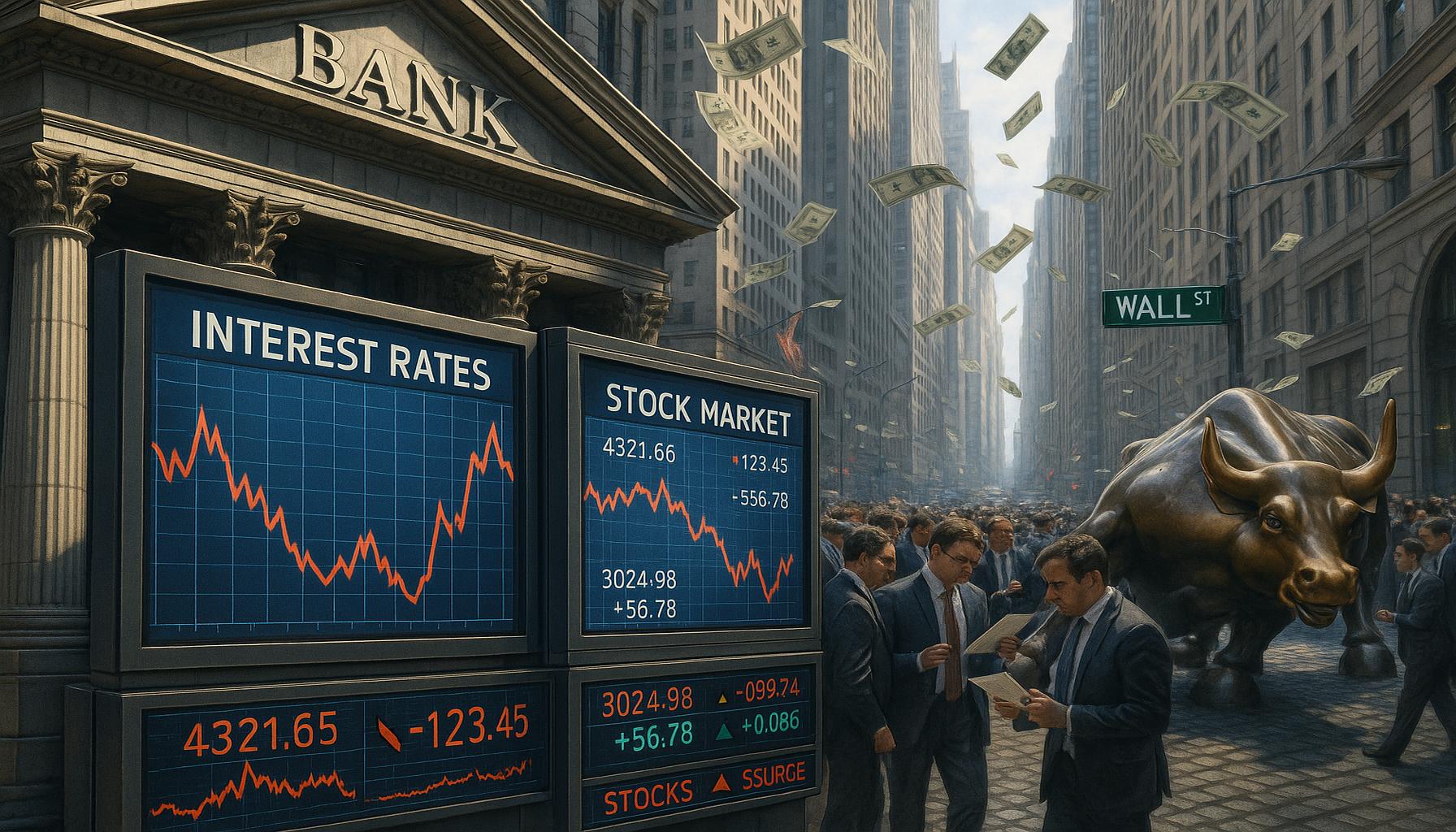
The effect of geopolitical crises on the behavior of the US stock market
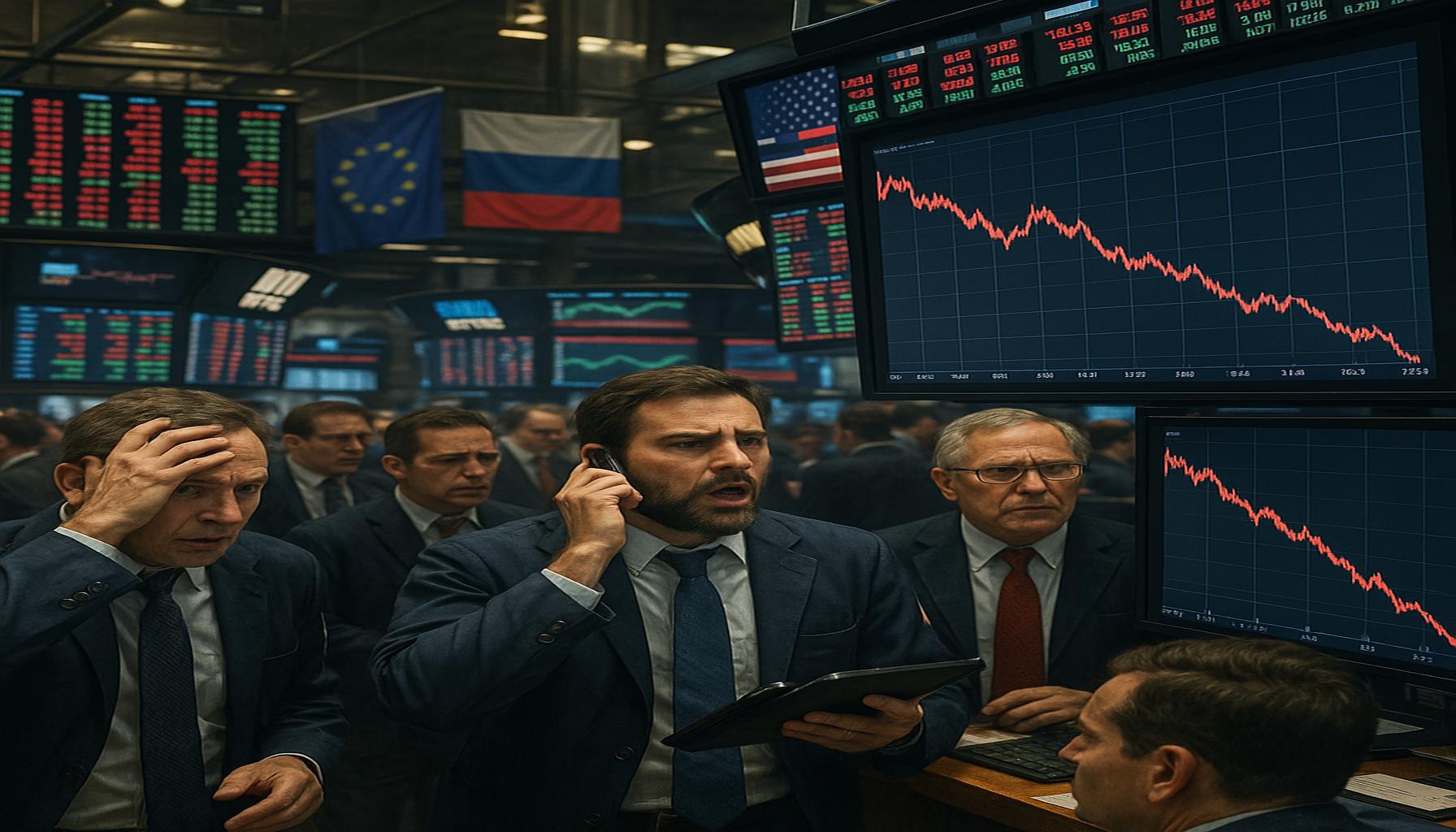
The Complex Web of Geopolitical Crises and Market Dynamics
The interaction between global tensions and the performance of the US stock market unfolds in a complex and often unpredictable manner. Investors are compelled to navigate through the murky waters of international relations, where decisions made thousands of miles away can significantly influence financial performance back home. It is vital to understand how such geopolitical crises can lead to a ripple effect in market behavior, shaping investment strategies and altering the economic landscape.
Various elements contribute to fluctuations in the stock market during periods of geopolitical uncertainty. One primary factor is **Investor Sentiment**. During crises, investor confidence typically plummets, as fear and uncertainty can permeate market conditions. A prime example of this is the immediate reaction of the markets following the 9/11 attacks in 2001, which saw a sharp decline in stock prices as investors rushed to sell off equities in favor of safer assets.
Another critical aspect involves **Economic Fundamentals**. Geopolitical tensions often disrupt essential trade routes and supply chains, leading to shortages and inflated costs for goods. For instance, the trade war between the US and China not only created immediate economic friction but also long-term implications for various sectors, such as technology and agriculture, resulting in fluctuating stock prices and economic forecasts.
The response from the US government also plays a significant role in shaping market outcomes during crises, exemplifying the concept of **Government Policy**. Decisions made at the federal level can have immediate implications for investor confidence. For example, during the COVID-19 pandemic, unprecedented monetary stimulus measures and fiscal policies, such as direct payments to citizens, were quickly implemented. These policies helped to stabilize the markets in the short term, leading to a rapid recovery for many stock indices despite underlying economic challenges.
Looking back at history, we can see that **military conflicts**, **international sanctions**, and significant political changes tend to provoke distinct market reactions. The Gulf Wars provide a clear illustration, as tension in the Middle East led to soaring oil prices that ultimately drove energy stocks up, showcasing how interconnected the geopolitical landscape is with market trends.
To foster a deeper understanding of these dynamics, it is essential to conduct thorough analyses of past crises and their subsequent effects on stock market indices, investor behavior, and broader economic projections. By examining how similar situations have unfolded in previous decades, investors can glean insights into potential future events and their possible market ramifications, enabling them to make more informed investment decisions in an increasingly volatile world.
Understanding Market Sensitivity During Geopolitical Unrest
The behavior of the US stock market during geopolitical crises often resembles a tightly coiled spring, ready to react explosively to news and developments. This reaction can be traced back to several fundamental drivers that shape how investors perceive risk and opportunity in uncertain times. One of the most significant elements is the notion of market volatility. When crises erupt, the uncertainty they produce frequently leads investors to reassess their positions, resulting in drastic swings in stock prices. This volatility can manifest itself in several ways:
- Increased Trading Volume: As anxiety grows, many investors shift their portfolios, leading to spikes in trading volume. Often, this is exacerbated by algorithmic trading systems programmed to react swiftly to market movements.
- Flight to Safety: During times of crisis, investors typically gravitate towards safer assets, such as government bonds and gold, driving down stock prices as equities are sold off.
- Sector Reallocation: Certain industries, such as defense and energy, may see stock prices soar in response to conflicts or crises, while others, particularly travel and leisure, may suffer considerable losses.
Another crucial aspect is the impact of media coverage. In the information age, the 24-hour news cycle grips investor psychology, often amplifying market reactions. A headline about a military escalation or a new round of sanctions can set off panic selling or lead to speculative buying, with little regard for fundamental valuations. For instance, when tensions flared between the US and North Korea, stock prices fluctuated wildly, illustrating how geopolitical narratives can transcend traditional economic indicators.
Moreover, the global interconnectedness of today’s economy means that not only domestic but also international factors play a pivotal role in shaping market behavior. Supply chains are not confined to local borders; disruptions in one part of the world can ripple through global markets. The COVID-19 pandemic starkly illustrated this point. As nations implemented lockdowns and trade restrictions, stock markets across the globe experienced severe downturns, with the US market reflecting this international uncertainty.
The role of investor psychology cannot be overstated. Fear and greed are constant companions in the investor’s mind. Historical patterns show that crises can trigger herd behavior, where investors collectively make decisions based on emotional responses rather than sound analysis. This psychological phenomenon was evident during the oil price crash triggered by geopolitical tensions between the US and Iran, causing a sell-off that led to significant losses on the stock market.
As we delve deeper into the effects of geopolitical crises on the US stock market, it becomes clear that understanding these contributing factors is essential for navigating the complexities of market dynamics. By studying past events and their consequences, investors can better respond to new challenges and opportunities that arise from the ever-evolving geopolitical landscape. Investing in knowledge may well be the best strategy in mitigating the unpredictable nature of market fluctuations during times of uncertainty.
Market Reactions and Recovery Patterns Post-Crisis
The aftermath of geopolitical crises reveals a pattern that is insightful for understanding the temperament of the US stock market. Once the dust settles following a significant event, the market often exhibits a behavior that can oscillate between rapid recovery and prolonged stagnation, largely depending on the perceived permanence of the conditions that triggered the crisis. In this context, the concept of market resilience emerges as a critical factor.
Historically, the US stock market has shown a notable capacity to rebound after geopolitical turmoil, as evidenced by the patterns following events such as the Gulf War or the September 11 attacks. Initially, a sharp decline is frequently observed, driven by fear and uncertainty. However, as investors digest the situation and analyze the potential for resolution, they may slowly begin to reacquire assets, focusing on long-term gains. This phenomenon highlights the importance of fundamental analysis during periods of unrest. Investors who carefully assess the implications of geopolitical events on economic fundamentals often position themselves to benefit when the market begins to recover.
- Historical Context: Examining past geopolitical incidents reveals that markets tend to stabilize after periods of initial panic. For example, after the immediate shock of military conflicts, the S&P 500 often shows signs of reversal, leading to notable recovery over the longer term.
- Sector Performance: Beyond the general market recovery, specific sectors respond differently during the recovery phase. Defense stocks may continue to rise as government spending increases, while industries linked to consumer confidence, such as retail, may take longer to regain footing.
- Policy Responses: Government actions can also play a pivotal role in shaping market recovery. Stimulus programs and regulatory changes introduced in the wake of geopolitical crises can provide a supportive backdrop for market resurgence, as seen during the financial interventions following the 2008 global financial crisis.
Alongside market resilience, the timing and nature of geopolitical events are crucial elements for predicting market behavior. Events that are perceived as transient, such as short-lived military conflicts or announcements of sanctions, often lead to swift market corrections, as investors quickly recalibrate their expectations. Conversely, situations perceived as having long-term implications—such as persistent unrest in a key oil-producing region—can catalyze prolonged market downturns, particularly in energy-sensitive sectors.
Furthermore, the cycle of investor sentiment plays a crucial role in shaping the trajectory of the market post-crisis. As fear subsides, investor optimism can lead to a surge in buying activity as traders seek opportunities in undervalued stocks. This shift can sometimes create a momentum that drives stock prices beyond pre-crisis levels. However, it is essential to interpret such movements cautiously; overly exuberant market attitudes can also lead to corrections as reality sets in and market fundamentals are reassessed.
Taking all these elements into consideration reinforces the importance of a nuanced approach when evaluating the impact of geopolitical crises on the US stock market. Understanding the interplay of individual reactions, sector dynamics, and recovery patterns guides investors in crafting strategies that align with their risk tolerance and investment goals. In an ever-connected global economy, the lessons learned from each crisis inform a more strategic investment methodology, encouraging a focus on long-term value amidst short-term chaos.
Conclusion
The intricate relationship between geopolitical crises and the behavior of the US stock market underscores the delicate balance of fear and opportunity that investors must navigate. As we’ve observed, market resilience often guides the trajectories of stock prices, allowing for rebounds after initial declines caused by crises. Historical patterns reveal that while initial reactions are typically characterized by panic, the market tends to stabilize and recover, driven by a combination of sector-specific dynamics and broader economic fundamentals.
Investors who adopt a long-term perspective and utilize fundamental analysis during turbulent times can emerge from crises with opportunities for significant gains. The cyclical nature of investor sentiment highlights the importance of understanding market psychology during recovery phases. As fear dissipates and optimism grows, the potential for a robust recovery becomes more pronounced—provided that one remains vigilant against the pitfalls of excessive exuberance.
Ultimately, the landscape of the US stock market remains influenced by not just immediate reactions to geopolitical events but also by ongoing policy responses and the perceived permanence of these crises. Navigating this complex landscape requires a comprehensive approach—one that takes into account both prevailing risks and the potentials for long-term growth. As global interconnectivity heightens, the ability to adapt and respond strategically to geopolitical challenges will remain a key determinant of investment success. Thus, by keeping a finger on the pulse of international developments, investors can better position themselves in the ever-evolving financial ecosystem.