The benefits and disadvantages of using credit cards for international travel

The Importance of Choosing the Right Credit Card for International Travel
Traveling internationally can be a thrilling experience, filled with new adventures, vibrant cultures, and unforgettable moments. However, the decisions you make regarding payment methods can significantly impact your journey. One of the most popular options for travelers is using credit cards, and this choice comes with both benefits and drawbacks that deserve careful consideration.
Advantages of Using Credit Cards
When weighing the benefits, one cannot overlook the convenience a credit card offers. Carrying a credit card is generally safer and more manageable than lugging around large amounts of cash. With a credit card, you can easily make purchases, whether at bustling markets in Bangkok or quaint cafes in Paris, without the worry of losing your money or being a target for theft.
Additionally, many credit cards offer rewards and points specifically tailored for the frequent traveler. For instance, cards like the Chase Sapphire Preferred or the Capital One Venture Rewards offer generous points for every dollar spent on travel-related expenses, which can eventually translate into free flights or hotel stays. These rewards can significantly enhance your travel experience, allowing you to splurge a little without breaking the bank.
Furthermore, credit cards often provide competitive exchange rates that can save you money during your travels. Unlike currency exchange services that frequently charge higher rates, using a credit card can assure you get a more favorable rate, providing better value for your hard-earned dollars while abroad.
Drawbacks to Consider
Despite these advantages, it’s essential to remain aware of the potential pitfalls of using credit cards internationally. One notable disadvantage is the potential for transaction fees. Many credit cards charge foreign transaction fees, which can range from 1% to 3% of the transaction amount. This can add up quickly, especially if you find yourself in multiple transactions or purchase larger-ticket items.
Moreover, acceptance can vary significantly from one location to another. While major cities may be credit card-friendly, remote or rural areas often rely on cash transactions. For example, street vendors in Morocco and small guesthouses in Southeast Asia may be unable to accept credit cards, leaving you in a tight spot if you didn’t prepare for alternative payment methods.
Finally, travelers need to be aware of the risk of fraud, which can be heightened in unfamiliar locales. Whether it’s through skimming devices at ATMs or online scams, ensuring that your card details are secure should be a priority. Always use ATMs that are attached to bank branches and notify your bank of travel plans to avoid freezing your card during your adventures.
As you plan your next international adventure, consider these factors to make an informed decision. Evaluating the balance between convenience and potential costs can significantly enhance your travel experience and ensure that your journey is not only exciting but also financially savvy.
Assessing the Benefits and Risks of Credit Cards While Abroad
As you weigh the options for managing your finances overseas, understanding the full scope of benefits and drawbacks associated with credit card usage can shape your international travel experience. From convenience to security, the advantages are compelling, yet potential drawbacks can present challenges that might catch you off guard.
Convenience and Safety
One of the standout benefits of using a credit card when traveling internationally is the convenience it provides. Picture yourself exploring the picturesque streets of Rome or Millennium Park in Chicago, with the ability to quickly pay for a delightful gelato or a last-minute museum ticket using just a swipe of your card. With most cards, you have access to your funds 24/7, and you can avoid the hassle of finding an ATM in a foreign country when you need cash.
Furthermore, traveling with a credit card can enhance your security. Unlike cash, if your card is lost or stolen, you can report it to your bank and potentially recover your funds. Many major credit cards offer robust fraud protection that can provide peace of mind while you embark on your adventures. This way, you can explore markets in Marrakech or the beaches of Mexico without constantly worrying about safeguarding large sums of cash.
Rewards Programs that Enhance Travel
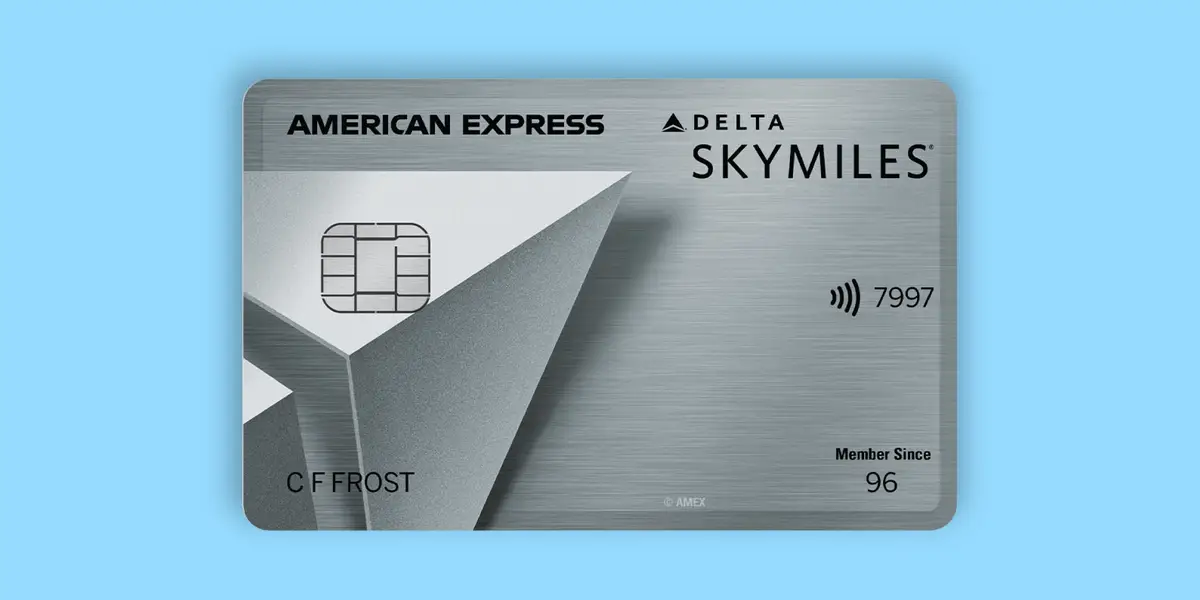
Additionally, many credit cards are designed with travelers in mind, providing rewards programs that can turn everyday spending into valuable travel perks. Are you a frequent flyer? Cards such as the American Express Platinum or the Citi Premier Card offer generous miles or points for every dollar spent on travel expenses. These rewards can be redeemed for free flights, hotel stays, or upgrades, making your travel experience richer and more luxurious without straining your budget.
- Cashback Offers: Many cards provide cashback on travel-related purchases, further maximizing your spending power while overseas.
- Hotel Partnerships: With select credit cards, you may also find partnerships with hotel chains that offer exclusive discounts or perks, enhancing your stay.
- Priority Access: From airport lounges to reservation services, credit cards can sometimes provide additional travel benefits that reduce stress during busy travel periods.
Understanding the Risks
However, it’s essential to balance these advantages with the reality of potential disadvantages. For starters, many credit cards impose foreign transaction fees, which can eat into your overall travel budget. These fees, commonly ranging from 1% to 3% per transaction, can accumulate quickly, especially if you’re making multiple purchases across your journey. This means a charge for a lovely dinner or souvenirs could end up costing you more than expected.
Additionally, the acceptance of credit cards isn’t universal. While urban areas in Europe or North America may readily accept cards, smaller shops, street vendors, and rural areas may require cash transactions. Not being as prepared can lead to awkward moments, such as being unable to make a purchase when you need it most.
In summary, navigating the decision to use credit cards abroad requires careful consideration of both opportunity and risk. Understanding how to leverage the advantages while being cognizant of the potential pitfalls can ensure that your travel remains both enjoyable and financially viable.
Balancing Benefits with Potential Pitfalls
While the advantages of using credit cards during international travel can be numerous, it is crucial to delve deeper into some less obvious risks that travelers may encounter. Awareness of these issues can help you plan effectively and mitigate potential challenges that could arise while exploring new destinations.
Currency Conversion and Exchange Rates
One particular aspect that many travelers overlook is the impact of currency conversion rates. Most credit cards will convert your purchases into your home currency at the current exchange rate, which can be relatively reasonable. However, not all cards use the same rate. Some credit card companies might apply a markup on the exchange rate, resulting in higher costs. Researching your card’s policies and looking for those that promise favorable conversion rates can lead to significant savings on your trip.
Potential for Overspending
Another concern when using a credit card abroad is the temptation to overspend. The ease of swiping a card can lead to impulsive purchases, resulting in unexpected credit card bills upon return. Without the tangible feeling of cash leaving your wallet, you could find yourself lost in the moment, enjoying too many lavish dinners or souvenirs. Setting a budget for daily expenses and committing to sticking to it can help minimize this risk, ensuring that your journey remains financially manageable.
Rewards versus Fees
As previously mentioned, credit card rewards can enrich your travel experience. However, some cards with lucrative perks may also come with annual fees that might not be justified if you’re not planning to utilize the benefits. Additionally, the benefits offered may vary from card to card, so it’s essential to assess what aligns with your travel habits. For example, a travel enthusiast might benefit from a card with high air mileage rewards, while a casual traveler may find a no-annual-fee card more pragmatic. Carefully weighing the costs against the potential rewards will help you choose a card that genuinely serves your travel needs.
Emergency Situations
While credit cards can provide an added layer of security in emergencies, they may also present complications. For instance, if you encounter a situation where you need to access cash quickly—such as when a vendor does not accept cards—you might be caught off guard if you only have a credit card at hand. In these scenarios, having a backup plan can be crucial. Carrying a small amount of local currency for emergencies, or even choosing to travel with a prepaid debit card for additional flexibility, can ensure that you’re not left desperate in unfamiliar situations.
Understanding Local Credit Card Practices
Understanding the local practices regarding credit cards is imperative. Different countries may have various technologies in use, such as chip-and-PIN versus chip-and-signature systems. If your card is not compatible with the systems abroad, you may find yourself in a position where you cannot make necessary purchases. It’s prudent to inform your bank of your travel plans before you leave, as some banks will flag overseas transactions suspecting fraudulent activity, potentially leaving you cardless during critical moments.
Ultimately, finding the right balance between enjoying the benefits and navigating the potential pitfalls of credit card usage during international travel is key. By being aware of these nuanced aspects, you can make informed decisions that enhance your travel experience while protecting your financial interests.
Conclusion: Navigating the Credit Card Landscape Abroad
In summary, using credit cards for international travel presents a mix of benefits and disadvantages that every traveler should consider. On one hand, the convenience of cashless transactions and the potential to earn rewards can significantly enhance your travel experience, allowing for easier budgeting and access to emergency funds. However, the risks associated with currency conversion rates, potential overspending, and understanding local payment practices are factors that cannot be ignored.
To make the most of your travel, it’s crucial to approach credit card usage with awareness and strategy. Carefully researching your card options, preparing for unexpected costs, and setting firm spending limits can help mitigate risks and maximize rewards. Additionally, adopting a proactive mindset by preparing for emergencies—like carrying some local currency—ensures that you remain secure and in control throughout your journey.
Ultimately, the key to a successful traveling experience while using credit cards lies in understanding both the rewards they offer and the pitfalls they present. By striking a balance between the two, you can embark on your next adventure with confidence, knowing that you’re well-equipped to navigate the complexities of international finance. Travel safe, and make the most of every moment abroad!