Prepaid Credit Cards: A Safe Alternative for Financial Control
The Benefits and Functions of Prepaid Credit Cards
Managing finances in today’s world can be quite challenging. Many individuals find themselves grappling with overspending, accumulating debt, or struggling to maintain a budget. In response to these financial hurdles, choosing the right financial tools becomes essential for gaining control over spending habits and ensuring fiscal responsibility.
Prepaid credit cards have emerged as a popular financial tool, offering an innovative solution for individuals seeking greater financial control. Unlike traditional credit cards, which allow users to borrow money up to a certain limit, prepaid cards require users to load a specific amount of money onto the card before use. This built-in limitation encourages users to think more carefully about their financial choices and has several significant advantages.
- Limit Spending: With a prepaid card, users can only spend what they load onto the card. This feature greatly reduces the risk of overspending, as individuals are less likely to make impulse purchases when they can physically see their available balance dwindling.
- Avoid Debt: Because prepaid cards do not function as a form of credit, users are not accruing interest charges or falling into debt. This aspect makes them an excellent option for those who may be struggling with financial management.
- Increase Security: Prepaid cards help enhance security by minimizing the risk of overspending and fraud. Since the card isn’t directly linked to a bank account, even if a card is lost or stolen, a user’s primary financial assets remain protected.
Moreover, prepaid cards serve as a useful educational tool for parents looking to teach their children about financial responsibility. For example, by providing a teen with a prepaid card that has a set amount, parents can guide them on budgeting for entertainment, meals, and other expenses, enabling them to learn the importance of managing their own finances in a real-world context.
In addition, prepaid credit cards offer distinct advantages for various demographics. They are accessible to individuals who may not qualify for a standard credit card due to lack of credit history or other limitations. Consequently, these cards become a viable option for:
- Building Credit: Although prepaid cards do not directly affect credit scores, responsible use can help individuals develop better spending habits, setting the foundation for applying for credit cards in the future.
- Traveling: Prepaid cards are widely accepted, making them a convenient choice for travelers. Users can load their cards with a budget for a trip, helping them manage expenses and avoid excessive spending.
- Online Shopping: Online purchases can often expose users to identity theft. Prepaid cards provide a secure alternative, allowing shoppers to make purchases without sharing sensitive bank information.
In summary, prepaid credit cards not only provide a safe alternative for spending, but they also empower users to take charge of their financial situations. By exploring the benefits and functionalities of these cards, individuals can cultivate smarter and more responsible money management practices, ensuring a more secure financial future.
Understanding Prepaid Credit Cards
Prepaid credit cards are not just a financial tool; they represent a shift towards more mindful and responsible spending. Each time a user reaches for their prepaid card, they are reminded of the amount they have dedicated to their specific budget, fostering a stronger awareness of their spending habits. This conscious approach can be instrumental in creating long-lasting financial discipline.
One of the core functionalities of prepaid cards is the ability to pre-determine a spending limit. Unlike traditional credit cards, where the allure of borrowed money can lead to excessive spending, prepaid cards operate on a cash basis. Once the funds are depleted, users must reload the card to continue using it. This model encourages a thoughtful consideration of purchases, helping individuals differentiate between their wants and needs.
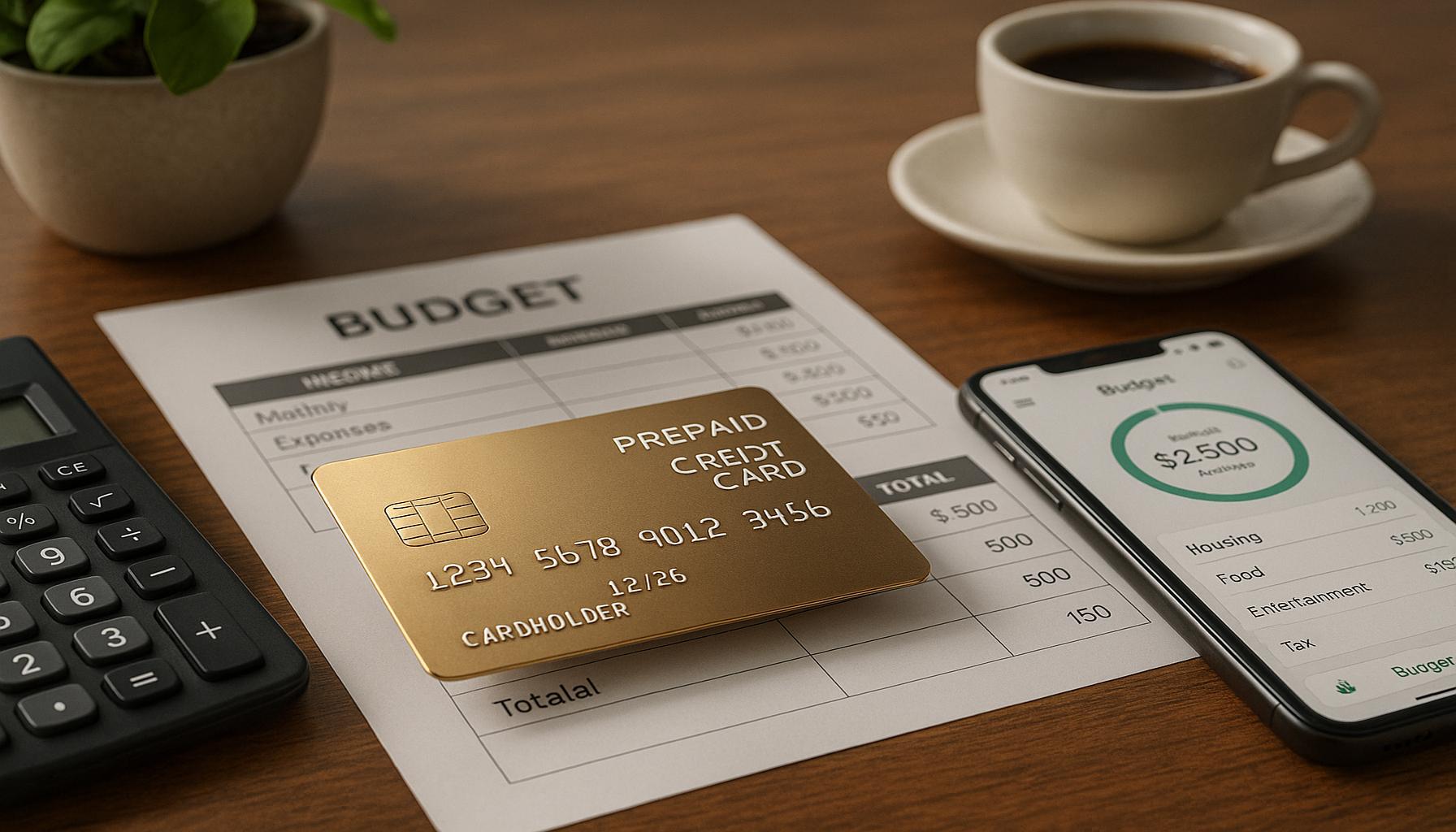
The ease of managing a prepaid credit card is another compelling aspect. Users can check their remaining balance frequently, often through a mobile app or online portal, which keeps them engaged with their financial situation. This real-time awareness is particularly beneficial for those new to financial management or for people who are prone to budgetary issues. Prepaid cards encourage users to track their spending and make informed decisions about their finances.
Comparative Advantages Over Traditional Credit Cards
When gauging the benefits of prepaid credit cards against traditional credit cards, several clear advantages emerge:
- No Credit Check Required: Prepaid cards can be acquired without the need for a credit history or credit score, making them accessible to a broader audience. This advantage opens doors for individuals who may have faced challenges in obtaining traditional credit due to past financial issues.
- No Risk of Debt Accumulation: With no credit line to draw from, users cannot fall into the trap of accumulating debt. This aspect inherently reduces financial stress and ultimately supports better mental health.
- Budgeting Simplicity: Preloaded amounts simplify budgeting by restricting spending. Users can set specific limits on how much they wish to allocate to different categories, supporting effective financial planning.
Furthermore, many prepaid cards now feature additional perks that cater to modern consumer needs. Some prepaid options come with budgeting tools, spending alerts, or even incentives for using the card at certain retailers. By embracing these features, users can maximize their financial management while enjoying the benefits of contemporary technology.
As the landscape of personal finance evolves, prepaid credit cards represent a proactive measure for individuals striving to maintain control over their money. By minimizing financial pitfalls and instilling responsible practices, these cards serve as a valuable resource to foster a more stable and secure financial future.
The Practical Benefits of Prepaid Credit Cards
Beyond the theoretical advantages, prepaid credit cards offer a host of practical benefits that can enhance daily financial management. For instance, they provide an excellent way for families to monitor expenses while teaching children or teenagers about budgeting. A parent might load a prepaid card for their child, granting them a set amount for discretionary spending—spending that can be easily tracked through the accompanying app or online platform. This method not only promotes responsibility among younger users but also allows parents to maintain a level of oversight without infringing on their children’s financial learning experience.
Another practical use of prepaid credit cards arises in typical day-to-day transactions where traditional credit cards may not always be accepted. For instance, when traveling, using a prepaid card can be a safer alternative to carrying large sums of cash, making it easier to manage funds across various currencies. Many prepaid cards allow users to load money in different formats, facilitating international travel without incurring exorbitant currency exchange fees or worrying about theft. Additionally, with the added security features, such as chip technology and fraud monitoring, these cards provide peace of mind while abroad.
In the realm of online shopping, prepaid cards stand out for their capacity to mitigate risk. Many consumers are wary of sharing sensitive financial information over the internet due to the rising incidents of cyber theft. Using a prepaid card eliminates the risk associated with traditional credit card data, as users can only spend the amount loaded onto the card. This creates a layer of protection, ensuring that in the event of a data breach, the financial impact is limited to the preloaded balance instead of exposing one’s entire credit limit or bank accounts.
Fee Structures and Transparency
Moreover, while discussing prepaid credit cards, it is essential to address their fee structures. Typically, prepaid cards operate on a more transparent financial model compared to traditional credit cards, which can sometimes harbor hidden fees. Users often encounter fees related to late payments, cash advances, or annual fees with traditional cards. Prepaid options, however, frequently disclose all terms upfront, giving users an accurate picture of what they can expect. Some prepaid cards even offer free services, such as online bill payments or direct deposits, which can further improve their value.
Additionally, the competitive landscape among prepaid card providers has led to many options available on the market, allowing consumers to select one that aligns with their personal needs and financial goals. For instance, some prepaid cards reward users with cashback or discounts for specific purchases while others cater to particular niches, like travel or daily discounts on groceries. This level of market customization allows users to choose a card that complements their lifestyle and spending habits for maximum effectiveness.
In essence, prepaid credit cards emerge as a versatile financial management tool. By offering an array of practical advantages—from simplifying the budgeting process to enhancing spending security—these cards equip users with the means to take charge of their financial health confidently. In a world where financial literacy and control are paramount, embracing prepaid credit cards serves as a pivotal step toward achieving sustainable financial wellness.
Conclusion
In conclusion, prepaid credit cards present an innovative solution for those seeking to enhance their financial control while mitigating risk. With the ability to define spending limits, users can effortlessly manage their budgets and reduce the likelihood of overspending—a common pitfall with traditional credit cards. This financial tool not only empowers parents to mentor their children in responsible spending but also simplifies travel and online transactions with added security. By using a prepaid card, consumers can enjoy the convenience of cashless payments while safeguarding their sensitive financial information from potential cyber threats.
The inherent transparency of prepaid card fee structures further sets them apart from conventional credit options, ensuring that users are well-informed about any potential costs. With a plethora of prepaid choices available, individuals can select cards that align with their unique lifestyles, whether they seek cashback rewards or travel perks. Thus, prepaid credit cards truly emerge as a multifaceted financial asset.
Ultimately, adopting prepaid credit cards can mark a transformative step toward achieving better financial management and control. In an era where financial oversight, security, and education are more crucial than ever, these cards stand out as a pragmatic and safe alternative, enabling users to navigate their financial journeys with confidence and foresight. Embracing this tool can foster not just personal financial empowerment but also a more educated approach to money management for future generations.