Market Trends in 2023: Analyzing the Latest Financial News
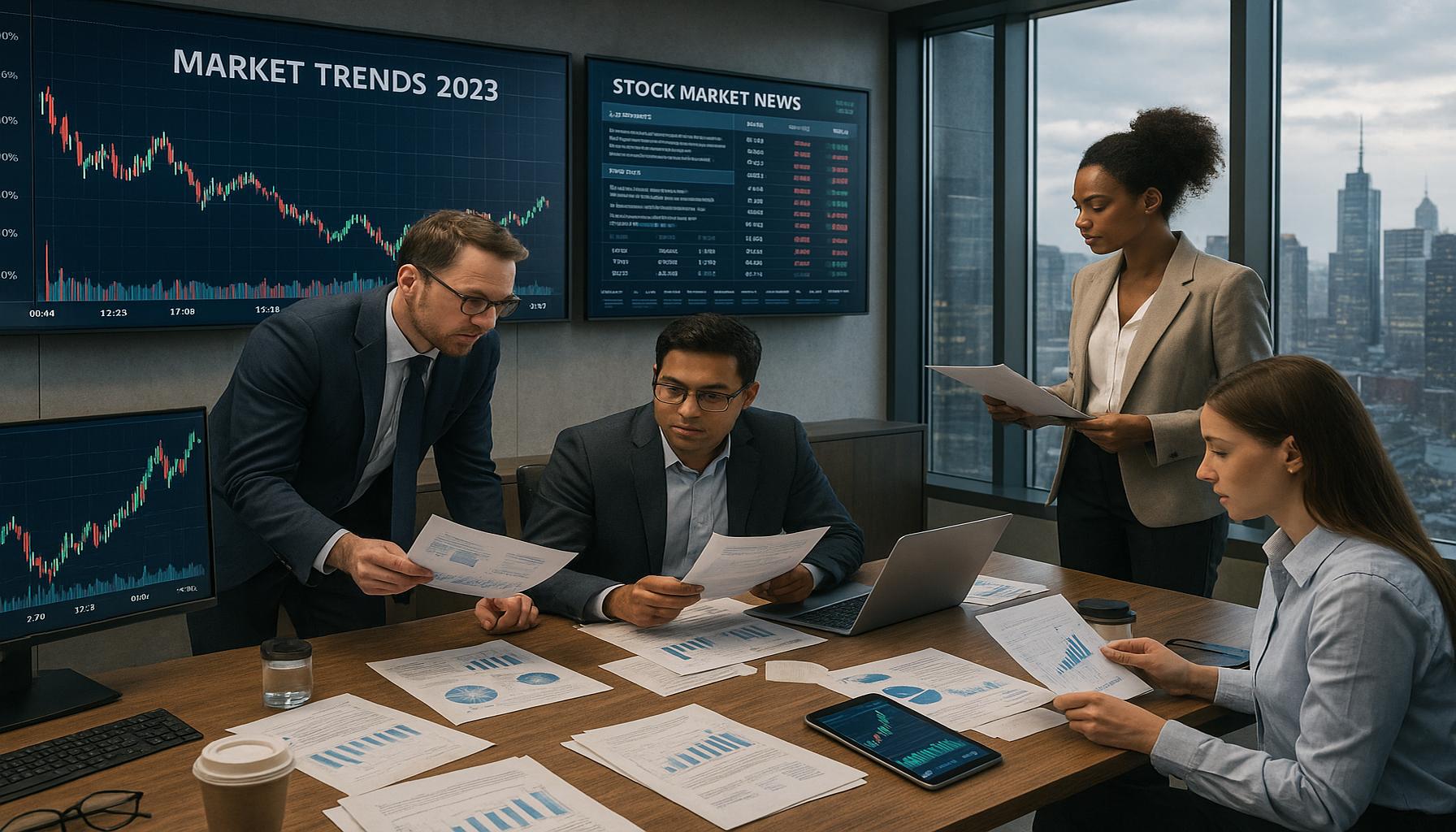
Understanding Market Trends in 2023
As we continue our journey through 2023, it becomes increasingly clear that the financial landscape is subject to rapid changes. For investors and consumers alike, grasping the nuances of current market trends is not just beneficial but essential. By staying informed about these trends, individuals can make well-informed financial decisions, strategically positioning themselves in an unpredictable economy.
This year, several crucial factors are significantly shaping market dynamics:
- Interest Rates: The Federal Reserve’s monetary policy plays a pivotal role in determining the cost of borrowing and overall investment strategies. For instance, when interest rates rise, it impacts mortgage rates, which can affect housing market activity. A potential homebuyer may decide to wait due to higher borrowing costs, which in turn can slow down real estate investment. Conversely, lower interest rates often encourage borrowing and spending, stimulating economic growth.
- Inflation Rates: Rising prices are becoming the norm in 2023, leading to what many refer to as “inflation fatigue.” For average consumers, this means their purchasing power is decreasing, affecting everyday expenses from groceries to gas. For example, if prices for essential items rise 5% while wages stagnate, consumers must adjust their spending habits, often prioritizing necessities over luxuries, thereby shifting market demand.
- Technological Innovation: The technological landscape is also undergoing a profound transformation, particularly in sectors such as fintech and renewable energy. Innovations like blockchain technology are not just buzzwords; they are creating tangible investment opportunities. For example, the rise of electric vehicles (EVs) signals a booming sector; companies producing EVs and the technology related to them may offer lucrative investment avenues, all while contributing to sustainability efforts.
- Global Events: We’re living in an age of heightened geopolitical tensions, and these events significantly impact U.S. markets. For instance, economic sanctions on countries can disrupt supply chains, affecting the availability and price of goods. Furthermore, international trade policies can alter competitive landscapes, impacting domestic businesses and overall market performance.
Each of these elements contributes to the ever-evolving narrative of financial news. Analyzing these factors not only equips investors with insights for their portfolio strategies but also prepares consumers to manage their finances effectively in uncertain times. Understanding how interest rates influence borrowing or recognizing the implications of inflation can guide everyday financial choices. In short, being aware of these trends allows for both proactive and informed actions in an agile economy.
As we navigate the complexities of 2023, staying informed about these market trends is imperative for the average American investor. By gaining a deeper understanding of the financial landscape, individuals are better equipped to adapt, plan, and invest wisely, ensuring they make the most of their financial resources.
Key Factors Influencing the Financial Landscape
As we delve deeper into 2023, understanding the key factors shaping the market is essential for both investors and consumers. Identifying these driving forces enables individuals to make more informed decisions, whether they are buying stocks, investing in real estate, or simply managing their household budgets.
Let’s take a closer look at some significant trends currently influencing the financial landscape:
- Shifts in Consumer Behavior: Changes in consumer preferences are profoundly impacting various markets. The rise of remote work has led to increased demand for home office supplies and technology, while travel-related sectors are witnessing slow recovery as consumers remain cautious. For instance, companies focusing on e-commerce have thrived as more people opt to shop online rather than in brick-and-mortar stores.
- Real Estate Market Trends: The housing market is particularly sensitive to changes in interest rates and inflation. As borrowing costs rise, many prospective homebuyers may be either priced out of the market or choose to delay their purchase. Simultaneously, real estate investors must adapt their strategies to target properties that remain in demand, such as rentals in suburban areas, where many individuals are relocating in search of more space.
- Sustainability and ESG Investing: A growing commitment to sustainability is altering investment priorities. Environmental, Social, and Governance (ESG) criteria are increasingly being factored into investment decisions, as consumers and investors alike choose to support companies that align with their values. For example, funds focused on renewable energy or companies with strong social responsibility programs often see increased investment interest, highlighting the transition towards more sustainable economic practices.
- Market Volatility: This year has also been marked by considerable volatility in the stock market, influenced by global events and economic conditions. Factors such as rising military tensions and trade disputes can create uncertainty, prompting investors to react quickly. A strong strategy for navigating this volatility involves diversifying investment portfolios to mitigate potential losses while capitalizing on emerging opportunities.
By understanding these trends, investors can better position themselves for success. It is crucial to remain adaptable and informed in a rapidly changing climate. For example, given the impact of rising interest rates on the housing market, individuals may consider investing in real estate investment trusts (REITs) or focusing on sectors like technology, which could offer significant growth opportunities despite broader market challenges.
In conclusion, the intersection of consumer behavior shifts, real estate dynamics, sustainability-focused investments, and market volatility creates a complex yet navigable financial landscape. Awareness of these trends is vital for making sound investment choices and responding proactively to market changes. As we continue through 2023, regularly revisiting these factors will not only enhance your financial knowledge but also empower you to make decisions that align with your financial goals.
Technology Innovations and Financial Markets
As we navigate through 2023, one cannot ignore the profound impact of technology on financial markets. Innovations like artificial intelligence (AI), blockchain, and fintech solutions are reshaping how investors interact with the market. These advancements are not only streamlining transactions but also introducing new opportunities and challenges that investors must consider.
- Artificial Intelligence in Trading: AI and machine learning are increasingly being utilized in trading strategies. Algorithms can analyze vast amounts of data at lightning speed, allowing traders to make decisions based on market trends and predictive analytics. For instance, hedge funds and investment firms are now deploying AI tools to identify trading opportunities that traditional methods might overlook. This trend may also lead to a more efficient market and potentially reduce volatility as technology allows for faster responses to changes.
- The Rise of Fintech: Financial technology continues to democratize access to trading and investment. Apps enabling commission-free stock trading, cryptocurrency investments, and micro-investing have gained popularity, particularly among younger investors. This broadening participation in the financial markets is changing the landscape, as these platforms often provide educational resources and a user-friendly interface. However, this increase in accessibility also requires careful consideration, as individuals must ensure their financial literacy remains high to navigate risks effectively.
- Cryptocurrency Market Developments: The cryptocurrency market remains volatile, but it continues to garner interest from institutional and individual investors alike. In 2023, regulatory clarity is crucial, as governments share their thoughts on how to best regulate this burgeoning sector. For example, the ongoing discussions in Congress about cryptocurrency regulations could establish frameworks for taxation, security concerns, and legitimacy, making the environment more stable for investors. Enthusiasts argue that cryptocurrency will eventually integrate into the mainstream financial system, but investors should remain cautious of inherent risks and fluctuations.
- Blockchain Technology: Beyond cryptocurrencies, blockchain technology is gaining traction across various industries. Its potential to enhance transparency and reduce fraud is creating interest from sectors like supply chain management, healthcare, and finance. By utilizing this technology for transactions, companies can reduce costs and improve efficiency while offering consumers greater security. For instance, financial institutions are considering utilizing blockchain to streamline cross-border transactions, making them faster and less expensive than traditional methods.
Recognizing and adapting to these technological trends is paramount for investors in 2023. For example, someone interested in diversifying their portfolio might explore investment opportunities in innovative fintech companies or consider adding cryptocurrencies as a small percentage of their holdings. Understanding these technological impacts not only enhances decision-making but also prepares investors for the future landscape of finance.
The intersection of technology with financial markets signifies an evolution that cannot be overlooked. As we progress further into 2023, staying informed about these advancements will empower investors to leverage new opportunities effectively while mitigating associated risks.
Conclusion
As we reflect on the market trends of 2023, it is evident that adaptability and informed decision-making are more critical than ever for investors. The integration of technology into financial markets is transforming how we invest, providing both opportunities and obstacles that require strategic navigation. From leveraging artificial intelligence for optimized trading to understanding the significance of fintech innovations that enhance accessibility, investors must engage with these developments proactively.
The ongoing evolution of the cryptocurrency market also demands attention. With regulatory discussions gaining momentum, the potential for more stable investment conditions could encourage broader acceptance of digital currencies. However, it is essential that investors remain vigilant about the inherent risks associated with volatility in this space.
Moreover, the rise of blockchain technology across various sectors presents unique opportunities that go beyond just financial transactions. By understanding the applications of blockchain, investors can identify new avenues for growth and security in their portfolios.
Ultimately, the financial landscape in 2023 is marked by innovation and rapid change. Staying abreast of these trends equips investors with the tools needed to make astute decisions. As we move forward, fostering a strong financial literacy foundation will empower individuals to navigate the evolving market successfully and capitalize on the exciting possibilities that lie ahead.