Investing in Sustainable Stocks: Trends and Opportunities in the Green Market
Shifting Investment Paradigms
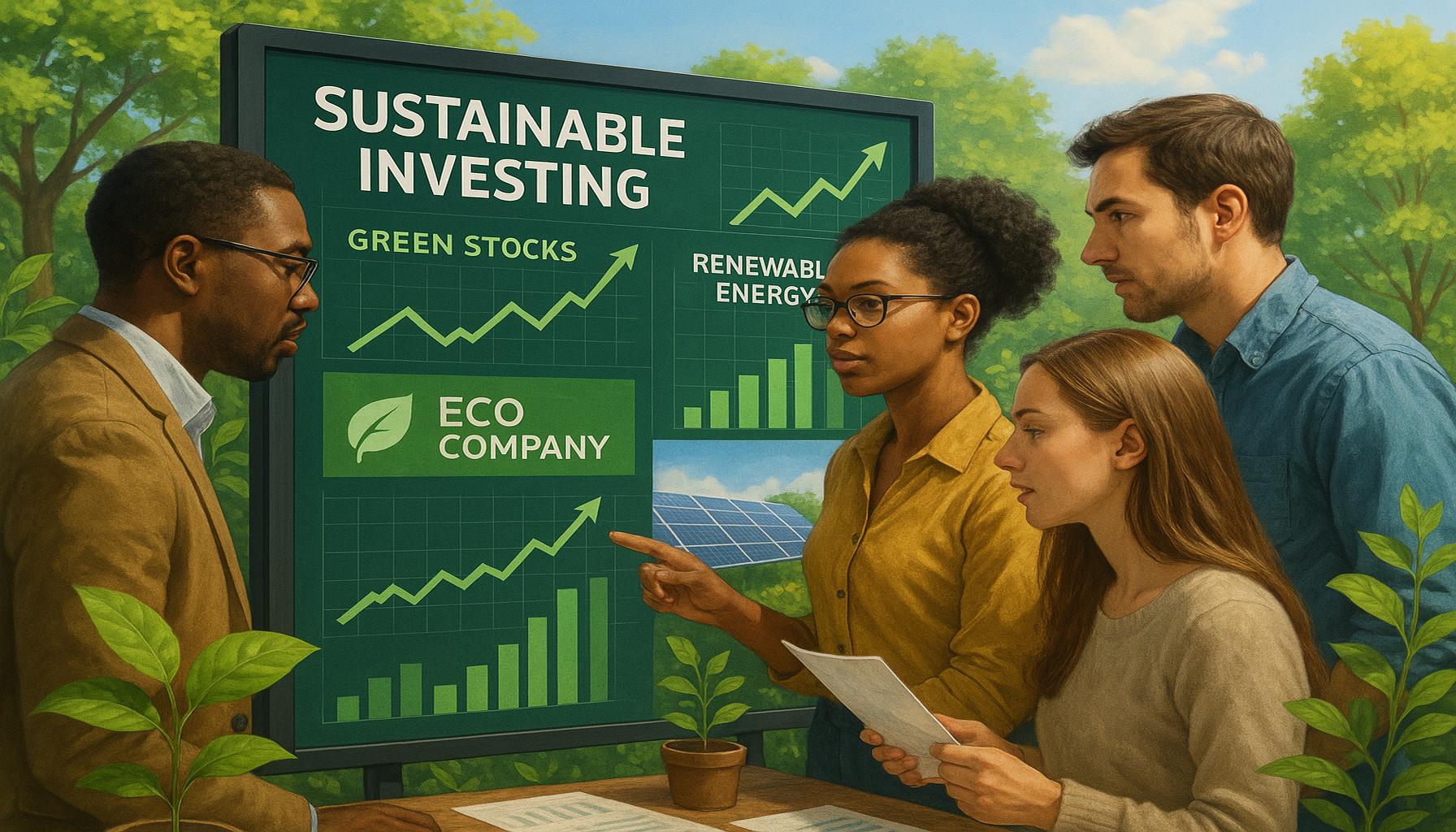
The investment landscape is experiencing a transformative shift, largely driven by an increasing awareness of environmental sustainability. Investors are moving away from conventional investment metrics focused solely on financial performance to a broader evaluation framework that emphasizes the importance of sustainability. This growing trend illustrates that many are no longer merely investing for profit; they are keen on fostering a better world.
One of the most significant developments in sustainable investing is the adoption of Environmental, Social, and Governance (ESG) Criteria. Companies that adhere to ESG standards are not only seen as ethical but also exhibit resilience in today’s dynamic market conditions. For example, organizations like Unilever and Patagonia have attracted investors by embedding sustainable practices into their core business models. Such companies tend to be more innovative, responsive to regulatory changes, and efficient, which can translate into better long-term financial performance.
Another pivotal factor contributing to this shift is the Renewable Energy Demand. With global attention focused on combating climate change, the demand for renewable energy sources—such as solar and wind—has surged. Investments in companies like Tesla, which is revolutionizing the automotive industry with electric vehicles, represent a thriving market where sustainability aligns with significant profitability. Furthermore, initiatives like the U.S. government’s tax credits for renewable energy projects incentivize investors to engage with companies leading the charge in this sector.
Changing Consumer Behavior also plays a crucial role in shifting the investment narrative. An increasing number of consumers are becoming more conscious of their purchasing decisions, often opting for brands that prioritize sustainability. This trend influences stock performance; for instance, companies like Beyond Meat and Impossible Foods that focus on plant-based products have seen tremendous growth amidst a rising health and environmental awareness among consumers. This shift underscores a remarkable alignment between ethical consumerism and robust investment opportunities.
Emerging Sectors in Sustainable Investing
As the investment landscape continues to evolve, several sectors offer exciting prospects for investors interested in sustainability:
- Clean Technology: Companies that focus on creating innovations aimed at reducing carbon footprints and minimizing waste are at the forefront of this investment wave. Notable examples include advanced battery manufacturers and energy efficiency technology businesses.
- Sustainable Agriculture: Innovations such as vertical farming and organic practices that promote biodiversity without the heavy use of chemicals are gaining traction. Investments in companies innovating in this field may yield strong returns as the global food demand escalates.
- Electric Vehicles: The automotive industry is undergoing a significant transformation, moving towards electrification. Major automakers like Ford and General Motors are pledging substantial investments into electric vehicle technologies, making this sector a promising area for sustainable investments.
For investors, the journey toward integrating sustainable stocks into their portfolios not only represents a commitment to ethical practices but also ensures they are well-positioned to navigate the future financial landscape. With sustainability becoming a central tenet of investment strategies, aligning personal values with sophisticated investment approaches is not just possible; it’s becoming essential. The intersection of sustainability and profit holds immense potential, compelling investors to rethink the traditional paradigms that define their investment choices.
Capitalizing on the Green Market
As investors increasingly recognize the importance of sustainability, the green market is evolving into a fertile ground for strategic investments. The gravitation towards sustainable stocks is not only a reflection of a commitment to social responsibility but also a calculation of potential financial returns. This dual approach resonates with a burgeoning demographic of investors who are advocating for a positive impact on society while also safeguarding their financial futures.
The rise of impact investing exemplifies this shifting mindset. Impact investing is characterized by investments made with the intention of generating social and environmental benefits alongside financial returns. There has been a notable surge in funds focused on environmental concerns, influencing major institutional players to incorporate sustainability into their investment mandates. In fact, a report from the Global Impact Investing Network revealed that global impact investing assets exceeded $715 billion in 2020, encapsulating the increasing interest in aligning capital with sustainable outcomes.
Moreover, the regulatory environment is increasingly supportive of sustainable investments. In the United States, lawmakers are pushing for regulations that clarify and promote ESG disclosures among publicly traded companies. These regulations ensure that companies are held accountable for their sustainability practices, thus providing investors with the transparency needed to make informed decisions. As a result, funds that prioritize sustainable stocks are likely to perform better in the long run, boosted by solid governmental backing.
The concept of sustainable indices also plays a significant role in guiding investors toward potential opportunities. These indices feature companies that are leaders in sustainability across various sectors, offering investors a curated list of stocks that align with environmental goals. The S&P 500 ESG Index, for instance, allows investors to track the performance of companies meeting certain environmental and social standards while still providing a balanced risk-reward profile.
Top Sustainable Investments to Watch
As the green market continues to expand, some sectors present promising opportunities for investors:
- Waste Management: Companies that emphasize recycling, waste reduction, and sustainable disposal methods are positioned for growth. With increasing regulatory focus on environmental cleanup and waste reduction, this sector is ripe for investment.
- Water Solutions: Innovative firms addressing water scarcity through advanced filtration systems and sustainable irrigation practices offer critical solutions to pressing global challenges. Investments in this area can lead to both financial and social dividends.
- Green Real Estate: Properties designed with sustainability in mind are garnering attention. Investors seeking to engage with eco-friendly developments can find significant growth potential as consumers prioritize living spaces with lower carbon footprints.
Engaging with these emerging trends not only fosters a greater connection to environmental stewardship but also taps into markets that are progressively lucrative. For investors, incorporating sustainable stocks into their portfolios represents a forward-looking strategy that promises to align personal values with sound financial practices. Embracing this green movement is not merely a trend; it is becoming tantamount to investing in a resilient and prosperous future.
Emerging Trends Shaping the Sustainable Landscape
As the momentum behind sustainable investing accelerates, it is imperative for investors to stay abreast of the trends that increasingly characterize the green market. One prominent trend is the intersection of technological innovation and sustainability, which has given rise to what many are calling the Green Technology Revolution. This revolution encompasses various advancements, including renewable energy technologies, energy-efficient practices, and sustainable agricultural innovations that are fundamentally reshaping industries. Tesla, for example, has led the electric vehicle market, not only symbolizing a shift away from fossil fuels but also charting a path that many traditional automotive manufacturers are racing to follow.
The clean energy sector also deserves attention as it is crucial in combating climate change and reducing carbon footprints. Investment in solar and wind energy firms is surging as governments worldwide push for decarbonization strategies. In the United States, the Biden administration’s commitment to achieving net-zero carbon emissions by 2050 has created a favorable environment for renewable energy stocks. Companies like NextEra Energy, which invests heavily in wind and solar energy projects, represent opportunities for investors who want to align their portfolios with the country’s environmental goals.
Another notable trend is the growing integration of Artificial Intelligence (AI) and big data in sustainability efforts. These technologies are helping companies optimize operations, reduce waste, and increase efficiency. For instance, AI-driven analytics are being utilized to forecast energy consumption patterns and improve the management of renewable resources. Companies leveraging AI to create sustainable products or optimize supply chains are positioning themselves as leaders in the next generation of eco-friendly businesses. When looking for sustainable stocks, investors should consider firms at the forefront of such transformative technologies.
Consumer Preferences and Corporate Responsibility
Shifts in consumer preferences significantly impact the sustainable stock market, as more consumers are demanding environmentally responsible options. Brands that prioritize sustainability often enjoy increased loyalty and market share. The millennial and Gen Z demographics, in particular, are exhibiting purchasing behaviors that favor sustainable companies. Brands like Patagonia and Unilever have successfully integrated sustainable practices into their business models, signaling to investors that there is a growing appetite for responsible consumerism.
Additionally, corporate responsibility initiatives increasingly influence stock performance. Companies that actively engage in socially responsible practices not only attract more customers but also catch the eye of socially conscious investors. The concept of stakeholder capitalism is gaining traction, promoting the idea that businesses should serve a broader set of stakeholders, including employees, communities, and the environment, rather than focusing solely on profits. This shift in perspective is evident in firms committed to achieving measurable environmental goals, thus positively impacting their long-term viability and profitability.
With pension funds, endowments, and other institutional investors increasingly incorporating sustainability criteria in their investment decisions, the landscape for sustainable stocks has never been more promising. As these trends continue to gain traction, they create a rich tapestry of opportunities for both seasoned investors and newcomers alike. By keeping an eye on emerging technologies and adapting to shifting consumer behavior, savvy investors can not only contribute to a healthier planet but also secure lucrative returns within the rapidly evolving green market.
Conclusion
Investing in sustainable stocks represents a pivotal shift in the financial landscape, driven by a convergence of technological advancements, changing consumer preferences, and increased corporate accountability. As the Green Technology Revolution takes center stage, companies pioneering innovations in renewable energy, artificial intelligence, and sustainable practices are not only contributing to the health of our planet but also offering compelling investment opportunities. For example, firms at the frontier of electric vehicles and clean energy production, like Tesla and NextEra Energy, exemplify how aligning with environmental goals can yield significant financial gains.
The heightened interest in sustainability among millennials and Gen Z consumers speaks volumes about the remarkable evolution of market dynamics. Brands that embrace environmental stewardship are winning the loyalty of young consumers, signaling to investors that the future of profitability is green. Moreover, the rise of stakeholder capitalism illustrates a transformation in corporate governance that prioritizes a broader impact beyond mere profits, fostering an ecosystem where sustainability can thrive.
As institutional investors increasingly emphasize environmental criteria in their portfolios, the landscape for sustainable investing is ripe with potential. For those who are informed and proactive, this shifting paradigm offers a unique opportunity to drive positive change while simultaneously achieving financial returns. By keeping an eye on the evolving trends and recognizing the transformative potential of sustainable stocks, investors can truly engage in a venture that not only enriches their portfolios but also nourishes the planet. The future is green, and the opportunities are only beginning to unfold.