
Innovations in Transportation: How Autonomous Vehicles and Electric Mobility Are Redefining Cities
Transforming Urban Transportation
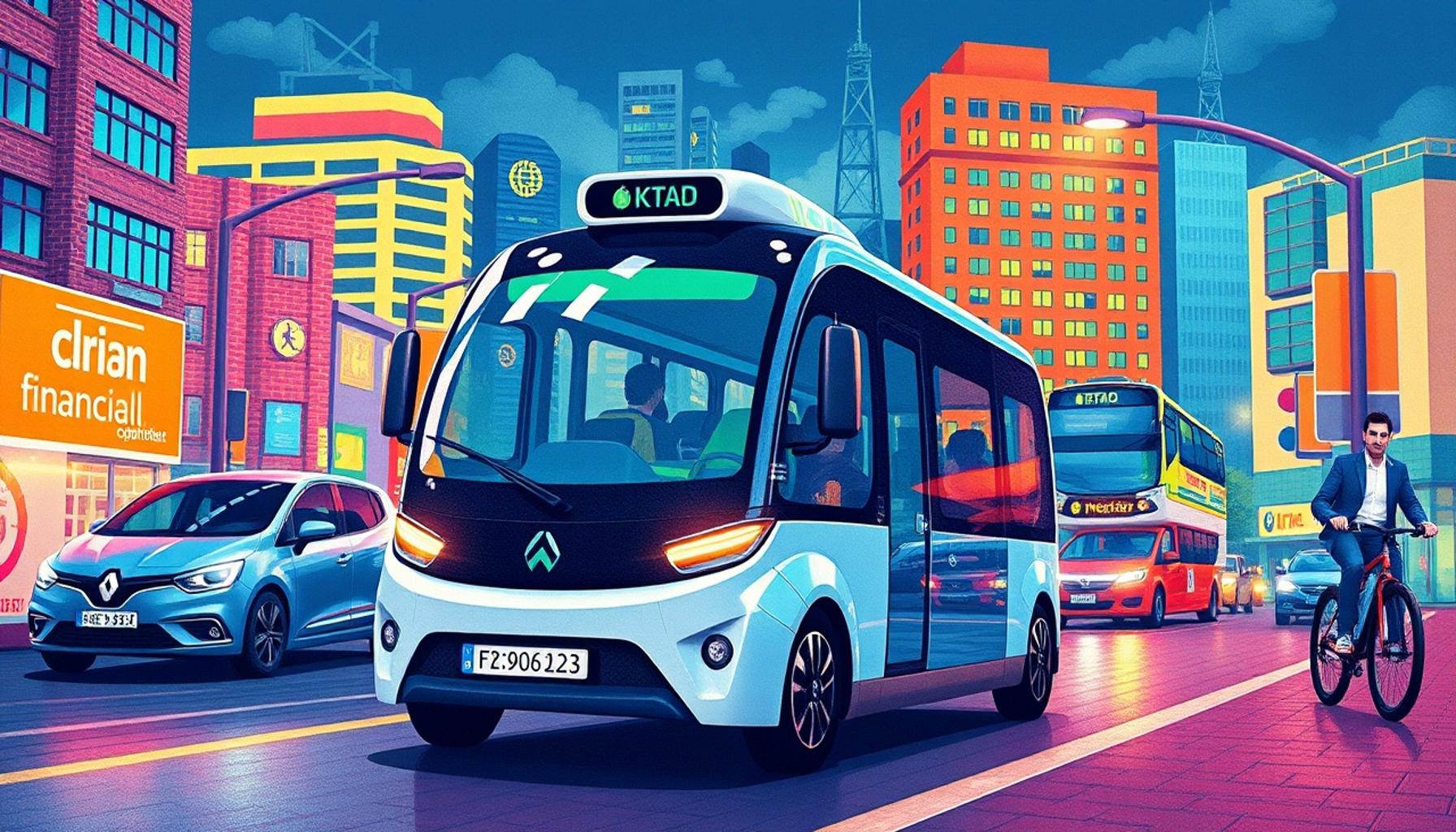
The landscape of urban transportation is undergoing a remarkable transformation. As cities expand and population density increases, innovations in transportation are becoming essential for sustainable development. Two key players in this revolution are autonomous vehicles and electric mobility. These advancements promise to reshape not just how we travel but also the very fabric of our urban environments.
Opportunities and Benefits
These innovations present a myriad of opportunities and benefits, with far-reaching implications for daily commuting, urban planning, and environmental sustainability.
- Reduced Emissions: Electric vehicles (EVs) play a vital role in reducing air pollution in urban settings. For instance, cities like Los Angeles and San Francisco are adopting electric buses, which emit zero tailpipe emissions, significantly improving air quality. By transitioning to EVs, cities can help to combat climate change while also creating healthier living conditions for their residents.
- Increased Safety: Autonomous vehicles have the potential to drastically lower the number of accidents caused by human error, which accounts for approximately 94% of all traffic accidents in the United States. With sophisticated sensor technologies and AI, these vehicles can react faster and more accurately than humans in hazardous situations. For instance, Waymo is already testing its self-driving taxi services in Phoenix, showcasing how autonomous technology can make rides safer.
- Improved Efficiency: Smart transportation systems leverage data and technology to optimize traffic flow and reduce congestion. For example, cities implementing adaptive traffic signals can respond to real-time traffic conditions, minimizing delays and improving travel times. By analyzing traffic patterns, cities can better plan infrastructure projects and focus on areas most in need of improvement.
Shaping Urban Design
As technology advances, cities across the United States are beginning to integrate these breakthroughs. This shift not only enhances mobility but also redefines urban design, creating spaces that prioritize both people and sustainability. For instance, the rise of shared mobility solutions encourages a reduction in the number of cars needed per household, freeing up space for parks, bike lanes, and pedestrian pathways.
Impact on Daily Lives
The question remains: how will these changes impact our daily lives? In this article, we will explore the profound effects of autonomous vehicles and electric mobility on our cities, examining both current trends and future possibilities. As these technologies continue to evolve, we may see a future where urban living is more connected, efficient, and environmentally friendly, transforming the way we think about transportation and its role in our communities.
DISCOVER MORE: Click here to dive deeper
Shifting to Sustainable Transportation
The integration of autonomous vehicles and electric mobility into urban transport systems is paving the way for a more sustainable future. As cities face the daunting challenges of traffic congestion, pollution, and infrastructure strain, these innovative technologies offer practical solutions aimed at alleviating these issues. One significant advantage of this shift is the potential for reduced reliance on traditional fossil fuel-powered vehicles, thus lessening the environmental impact of transportation.
Environmental Benefits
Electric vehicles (EVs) and autonomous technology inherently lead to cleaner air and a greener urban environment. Cities that adopt widespread use of EVs see a dramatic decrease in greenhouse gas emissions. Notably, a report from the Union of Concerned Scientists highlighted that if the entire United States fleet switched to electric vehicles, emissions could be reduced by a staggering 60% by 2030. Here are a few more ways in which these technologies contribute to environmental sustainability:
- Lower Energy Consumption: Electric vehicles operate more efficiently compared to internal combustion engine vehicles. This efficiency means that cities could require less energy for transportation.
- Encouraging Renewable Energy: Electric mobility embraces the use of renewable energy sources, such as solar and wind power. As cities upgrade their electrical grid and include more renewable options, charging electric vehicles becomes an environmentally friendly process.
- Reduction of Traffic Noise: EVs are typically quieter than gasoline-powered vehicles. This reduction in noise pollution not only enhances the quality of urban life but also presents opportunities for vibrant street life and community events.
Enhancing Accessibility
Beyond environmental impacts, autonomous vehicles and electric mobility create a landscape where transportation is more accessible to all segments of the population. Rideshare services utilizing autonomous technology can democratize transportation access, especially for those unable to drive, such as the elderly and disabled individuals. This shift not only provides necessary services but also encourages social inclusion. Cities like Austin, Texas, are already developing initiatives that incorporate autonomous shuttles to help underserved neighborhoods connect with public transport systems.
Supporting Economic Growth
Investing in these innovations also has positive economic implications. Cities that embrace electric mobility and autonomous vehicles stand to benefit from job creation, the fostering of new industries, and the potential for technological advancements. As companies begin developing infrastructure for charging stations and autonomous fleets, new job opportunities in areas such as technology, engineering, and transportation will emerge. Furthermore, enhancing urban transportation can attract businesses and stimulate local economies, ultimately leading to thriving urban centers.
DISCOVER MORE: Click here to learn how to score free clothes!
Integrating Smart Infrastructure
As cities adopt autonomous vehicles (AVs) and electric mobility, the need for smart infrastructure becomes increasingly prominent. The infrastructure supporting these innovations not only enhances their effectiveness but also transforms urban landscapes into interconnected ecosystems. A noteworthy aspect of this integration involves the use of smart traffic management systems that work harmoniously with autonomous vehicles to improve overall traffic flow.
Traffic Efficiency and Safety
Smart infrastructure incorporates advanced technologies like sensors, cameras, and real-time data analytics to manage traffic patterns effectively. For instance, cities such as Los Angeles are utilizing adaptive traffic signals that change in response to current traffic conditions. When autonomous vehicles are integrated into this system, they can communicate with traffic signals and other vehicles, allowing for smoother navigation and decreased congestion. This capability significantly lowers the risk of accidents and enhances overall road safety.
Seamless Mobility Solutions
Moreover, the combination of AVs with electric mobility fosters seamless transportation solutions that can connect various modes of transportation—like transit buses, shared e-scooters, and bicycles—within a city. This interconnectedness simplifies the transportation experience for residents, allowing them to move from one mode to another without hassle. For example, the city of Denver has established a pilot program that combines electric shuttle services with ride-sharing applications, enabling users to plan their routes more efficiently.
This approach not only optimizes travel times but also encourages residents to choose sustainable modes of transport. As cities expand their public transit offerings with electric options and collaborate with technology providers, they enhance the overall reliance on cleaner transport alternatives.
Adapting City Planning
The adoption of AVs and electric vehicles presents unique opportunities for city planners to rethink urban designs. Traditionally, cities have been designed around the need for parking spaces, but with the rise of autonomous vehicles, there is potential to repurpose these areas for more community-focused uses. For instance, some urban areas are reallocating parking lots into green spaces or pedestrian areas, which improves livability and encourages social interaction.
- Multi-Use Spaces: City planners are envisioning streets and public spaces that can serve multiple functions throughout the day. This adaptability nurtures community engagement and promotes economic activity.
- Improved Public Transit: Electric public transit systems can be implemented in tandem with autonomous vehicle networks to create comprehensive transport solutions. Cities like Seattle are already investing in electric buses that provide environmentally friendly alternatives to traditional diesel-powered transportation.
- Data-Driven Decisions: By utilizing data analytics, city leaders can identify trends and adjust public policies to improve transportation systems, ultimately leading to more effective resource allocation.
In this way, smart infrastructure not only accommodates new technologies but also reshapes our cities into more vibrant, accessible, and sustainable places to live. By focusing on interconnected transit ecosystems and innovative urban planning, AVs and electric mobility are set to redefine the way we experience transportation in our cities.
DIVE DEEPER: Click here to learn more
Conclusion
The emergence of autonomous vehicles (AVs) and electric mobility is not just a technological evolution; it represents a pivotal shift in how urban environments are structured and experienced. By integrating these innovations with smart infrastructure, cities can vastly improve traffic efficiency and safety, creating a more interconnected system in which residents can enjoy seamless mobility. The success stories from cities like Los Angeles and Denver illustrate how real-time data and adaptive traffic systems can enhance overall transportation experiences, emphasizing the potential for reduced congestion and fewer accidents.
As urban planners embrace the changes brought about by AVs, there lies an exciting opportunity to rethink spaces traditionally dominated by parking. Transforming these areas into multi-use spaces further fosters community interactions and enhances the livability of urban centers. Just like Seattle’s commitment to electric public transportation, such initiatives lead to a greener future while encouraging residents to choose sustainable travel options.
Ultimately, the adoption of autonomous and electric vehicles is set to not only redefine the transportation landscape but also contribute to data-driven decision-making in urban planning. As city leaders harness analytics to refine public policy, they pave the way for optimized transportation systems that benefit all. By embracing these innovations, we are on the brink of creating cities that are more sustainable, accessible, and vibrant, turning the vision of a modern urban ecosystem into a tangible reality for future generations.

Linda Carter
Linda Carter is a writer and expert known for producing clear, engaging, and easy-to-understand content. With solid experience guiding people in achieving their goals, she shares valuable insights and practical guidance. Her mission is to support readers in making informed choices and achieving significant progress.