Impacts of Green Technologies on the Global Economy and Environment
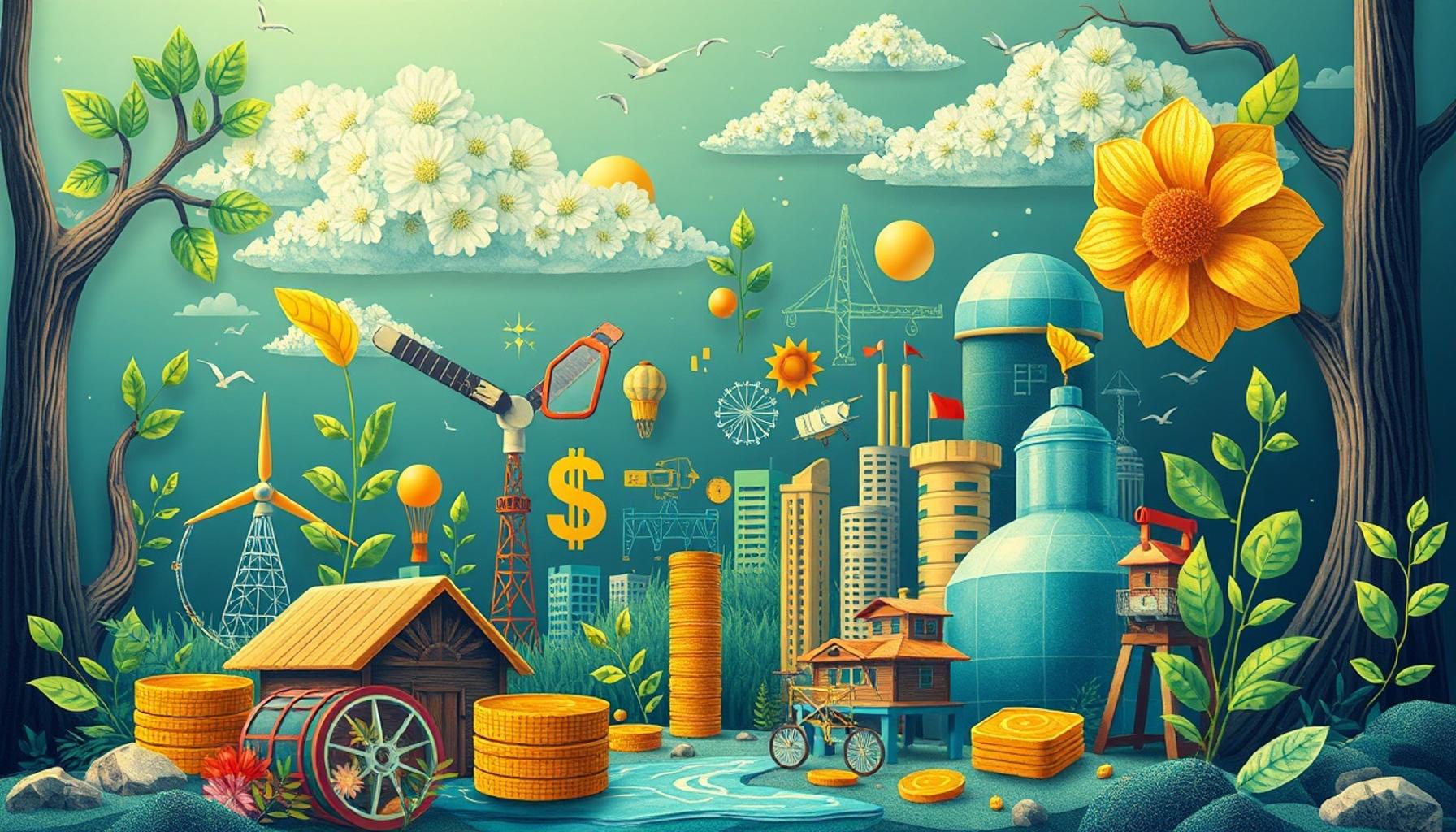
Understanding Green Technologies
The adoption of green technologies signifies a transformative shift in how societies address pressing environmental issues while stimulating economic growth. With the escalating impacts of climate change and dwindling resources, it’s essential to explore how these innovations can foster a sustainable future. Green technologies not only aid in conserving our environment but also play a vital role in reshaping economies around the world.
Types of Green Technologies
Green technologies encompass a broad spectrum of advancements. Here are some key examples:
- Renewable Energy Sources: These include solar panels that harness sunlight, wind turbines that capture wind energy, and hydroelectric power generated from flowing water. Each of these options offers a cleaner alternative to fossil fuels, reducing greenhouse gas emissions.
- Energy-Efficient Appliances and Building Designs: Innovations such as ENERGY STAR-rated appliances, smart thermostats, and sustainable architecture significantly lower energy consumption, leading to decreased utility bills and a smaller carbon footprint.
- Electric Vehicles (EVs) and Sustainable Transportation Models: Transitioning to EVs and promoting public transportation minimize reliance on gasoline, thus reducing air pollution and greenhouse gas emissions. Cities like San Francisco and Portland are investing in comprehensive bike lanes and electric public transit systems, which support this shift.
- Waste Recycling and Management Systems: Advanced recycling technologies enable more efficient sorting and processing of materials, transforming waste into reusable resources. Cities that adopt these practices not only reduce landfill waste but also conserve natural resources.
Impact of Green Technologies
The integration of green technologies can lead to several significant benefits:
- Job Creation: As the green sector expands, it generates a multitude of jobs. From solar panel installers to energy auditors, the demand for skilled labor in this field is increasing, helping to strengthen the overall job market.
- Investment Growth: Green technologies attract substantial public and private investments, as governments and investors recognize their potential for long-term returns. For example, many states in the U.S. offer incentives for renewable energy projects, bolstering financial support for businesses that choose to go green.
- Reduced Pollution: The shift to sustainable solutions markedly decreases harmful emissions. For instance, transitioning to wind or solar energy can significantly cut carbon footprints, creating cleaner air and a healthier environment for all citizens.
The Importance in the U.S. Economy
In the United States, many companies are increasingly prioritizing sustainability as a core value, underscoring the necessity of green technologies in maintaining competitive edge. Brands like Tesla and Beyond Meat exemplify how innovative approaches to sustainability can lead to market success. Additionally, the economic stability fostered by green technologies benefits local communities by creating resilient job markets and fostering sustainable practices.
As we deepen our understanding of the impacts and implications of green technologies, we can appreciate their critical role in shaping a sustainable future. Embracing these advancements not only underscores our commitment to environmental conservation but also positions us favorably within the rapidly evolving global marketplace.
DIVE DEEPER: Click here to uncover more insights
Effects on Economic Development
The implementation of green technologies has far-reaching consequences on both local and global economies. A significant impact is observed in the way these innovations stimulate economic growth and promote job creation. As businesses and governments commit to sustainability, entire industries dedicated to renewable energy, waste management, and energy efficiency emerge. This not only drives innovation but also leads to the formation of new markets that can flourish in a green economy.
Job Creation and Workforce Evolution
One of the most immediate benefits of adopting green technologies is job creation. The U.S. is witnessing a surge in demand for skilled workers in sectors such as solar energy installation, EV manufacturing, and energy efficiency consulting. According to the U.S. Bureau of Labor Statistics, occupations related to renewable energy are projected to grow much faster than the average for all occupations, demonstrating the robust nature of the green job market. Here are a few key areas where employment is expanding:
- Renewable Energy Installers: As more homeowners and businesses install solar panels and wind turbines, the need for trained technicians to set up and maintain these systems is skyrocketing.
- Energy Auditors: Professionals who assess the energy usage of buildings are increasingly sought after to help companies and homeowners identify ways to enhance efficiency and reduce costs.
- EV Maintenance Technicians: With the growing number of electric vehicles on the roads, skilled technicians are required to maintain and repair these sophisticated machines.
This transformation in the job market promotes not only higher employment rates but also an evolution of skills within the workforce. Workers across various sectors are now encouraged to acquire new competencies in sustainability practices, which enhances their versatility and prepares them for emerging roles in a green economy.
Encouraging Investment and Economic Stability
Green technologies are also acting as a magnet for investment growth. Governments and private investors recognize the long-term financial viability of sustainable ventures, prompting increased funding in green projects. For instance, federal and state incentives for solar energy projects in states like California and Texas encourage companies to harness the power of renewable energy. These investments not only contribute to environmental goals but also bolster the economy by creating sustainable infrastructures and increasing energy independence.
By channeling resources into green technologies, countries can reduce their reliance on imported fossil fuels, resulting in a more stable economy. This shift can lead to decreased exposure to volatile oil prices and improved air quality, which benefits public health and lowers healthcare costs associated with pollution-related diseases.
As we delve deeper into the impacts of green technologies, it becomes increasingly clear that their role in the economic landscape is fundamental. They not only offer solutions to environmental challenges but also provide opportunities for economic advancement, contributing significantly to a resilient global economy. Embracing these technologies equips societies to better face the multifaceted challenges posed by climate change while fostering job growth and economic stability.
DISCOVER MORE: Click here for essential budget planning tips
Environmental Benefits and Global Sustainability
The transition towards green technologies brings myriad environmental benefits that contribute to global sustainability. At the forefront of this transformation is the reduction of greenhouse gas emissions, a crucial factor in combating climate change. According to a report by the International Energy Agency, the adoption of renewable energy sources is essential for achieving the climate targets outlined in the Paris Agreement. This shift not only mitigates the impacts of global warming but also improves air quality, leading to healthier communities.
Reduction of Carbon Footprint
Green technologies pave the way for significant reductions in our carbon footprint. For instance, transitioning to electric vehicles (EVs) not only slashes tailpipe emissions but also reduces the demand for fossil fuels. In cities like Los Angeles, the adoption of EVs has been prioritized, and as a result, air quality has shown marked improvement, contributing to public health. Further, industries investing in energy-efficient technologies are also witnessing a decrease in their overall emissions. Utilizing energy-efficient machinery and retrofitting buildings with sustainable materials has been proven to cut energy consumption, providing both environmental and economic advantages.
Resource Efficiency and Waste Management
Another critical aspect of green technologies is enhancing resource efficiency and minimizing waste. Innovations such as smart grids enable better management of energy distribution and consumption. For example, homeowners can monitor their energy usage through apps, promoting mindful consumption and lessening demand during peak hours. Moreover, waste management technologies like recycling facilities that use advanced sorting technologies contribute to higher recycling rates and lower landfill use. These practices not only conserve natural resources but also promote a circular economy, wherein materials are reused and repurposed instead of being discarded.
Preservation of Biodiversity
Green technologies also play a vital role in the preservation of biodiversity. The adoption of agricultural innovations such as precision farming techniques and organic farming methods minimizes land degradation and promotes soil health. In the U.S., the farm-to-table movement encourages local food production and supports sustainable agricultural practices. These methods not only help maintain diverse ecosystems but also ensure the health of our food supply and safeguard it against climate change’s adverse effects.
In summary, the integration of green technologies extends beyond economic advantages; it intrinsically benefits the environment, leading to healthier ecosystems and communities. The positive impacts of these innovations contribute to a sustainable future where economic development aligns harmoniously with ecological stewardship. Organizations and individuals alike are witnessing the relevance of adopting practices centered around sustainability, recognizing that it is a vital component of thriving in today’s world. As we continue to embrace and innovate within this green landscape, we pave the way for a resilient environment that sustains future generations.
DISCOVER MORE: Click here to delve deeper
Concluding Thoughts on Green Technologies
As we face the growing challenges of climate change and environmental degradation, the impacts of green technologies on both the global economy and our natural surroundings become increasingly evident. These technologies are not just a trend; they represent a pivotal shift towards a more sustainable way of living and working. By embracing renewable energy, electric vehicles, and efficient resource management practices, we can significantly reduce our carbon footprint and enhance air quality, ultimately creating healthier communities across the nation.
The economic advantages of green technologies are equally compelling. Investments in clean energy and sustainable practices foster job creation in emerging sectors, driving innovation and stimulating economic growth. For example, communities that prioritize solar and wind energy not only see a rise in employment opportunities but also benefit from decreased energy costs over time. The transition to a greener economy offers a pathway to resilience, ensuring that future generations inherit not just a thriving economy but also a balanced ecosystem.
In summary, the convergence of environmental responsibility and economic development through green technologies lays the foundation for a sustainable future. It is imperative that individuals, businesses, and policymakers work together to adopt and promote these innovations. As we continue to explore and implement greener solutions, we set ourselves on a path that treasures both economic vitality and environmental integrity, ensuring a thriving planet for years to come.

Linda Carter
Linda Carter is a writer and expert known for producing clear, engaging, and easy-to-understand content. With solid experience guiding people in achieving their goals, she shares valuable insights and practical guidance. Her mission is to support readers in making informed choices and achieving significant progress.