Impact of Interest Rates on the American Economy: What the Latest News Reveals
Understanding Interest Rates
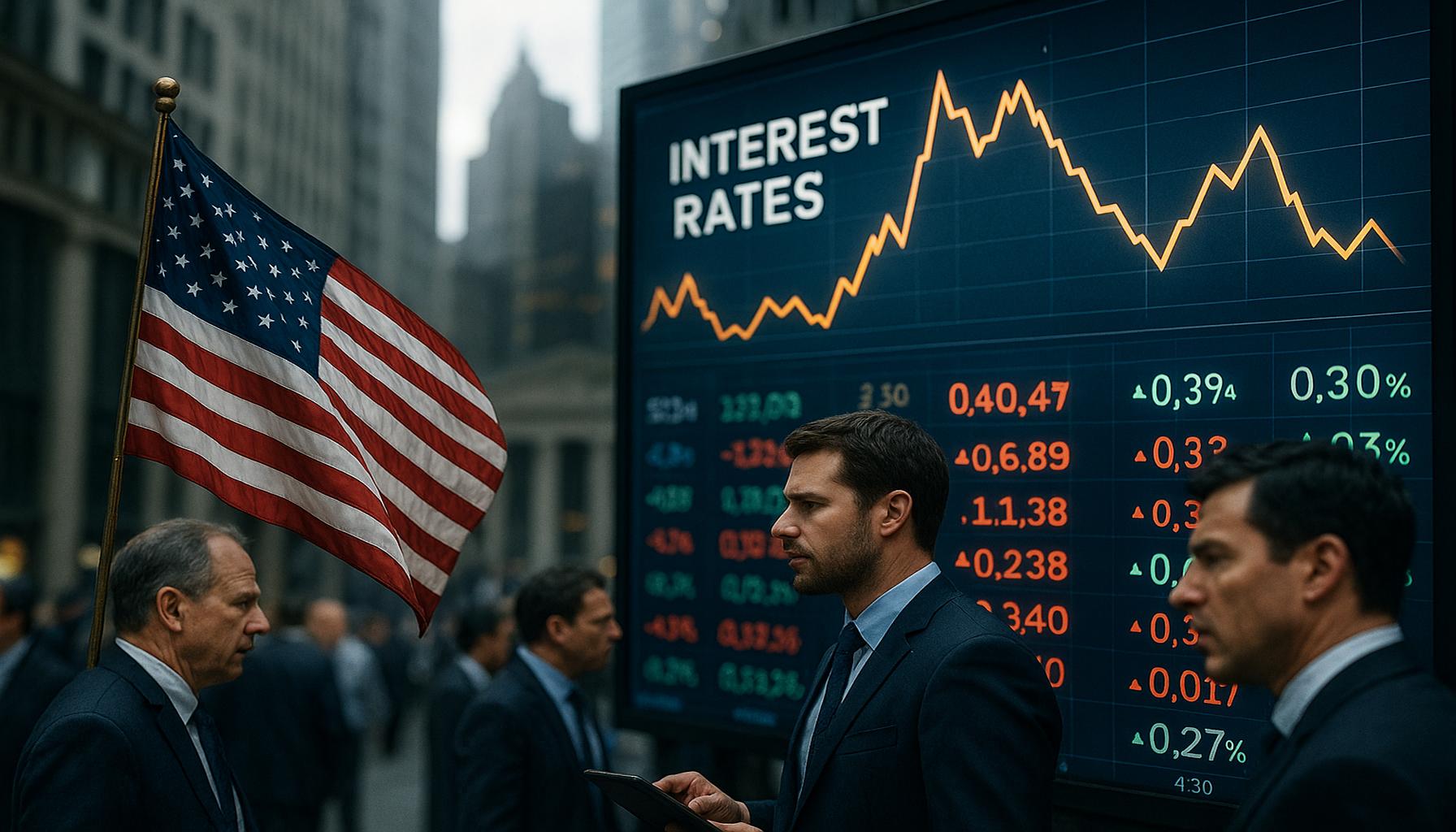
Interest rates are a fundamental component of the financial landscape, significantly influencing economic operations across the United States. They determine the cost of borrowing money, which can affect both individual consumers and businesses alike. A clear grasp of how interest rates function will enable you to comprehend the broader economic health and the financial decisions made by various stakeholders.
Key Areas Influenced by Interest Rates
- Consumer Spending: When interest rates are low, borrowing becomes more affordable. This can lead to higher consumer spending as families take on loans for big-ticket items like cars and appliances, or they may opt for credit cards and personal loans to manage expenses. In contrast, when interest rates rise, consumers may cut back on their expenditures due to the higher costs of borrowing. For example, if credit card interest rates increase, consumers might delay making purchases, understanding that they will incur more debt in the long run.
- Business Investments: Interest rates play a pivotal role in company investments. Lower borrowing costs make it easier for businesses to finance expansion projects or invest in new technologies. For instance, a technology firm may choose to take out a loan at a low-interest rate to develop innovative products. Conversely, when rates increase, businesses may defer such investments due to the higher financial burden, potentially leading to slowed economic growth.
- Housing Market: The housing market is notoriously sensitive to interest rates, particularly mortgage rates. When mortgage rates decline, more individuals and families are inclined to buy homes or refinance existing mortgages to take advantage of the lower rates, thereby boosting the housing market. For example, a drop from a 4% to a 3% mortgage rate can significantly reduce monthly payments, making homeownership more accessible for first-time buyers. Conversely, increased rates can cool down the market as fewer people can afford new homes, leading to decreased demand.
Recent headlines frequently highlight the tangible effects of interest rate adjustments on everyday life. Changes in interest rates can directly impact loan and mortgage affordability, creating significant financial implications for families vying for home ownership or businesses planning expansion. A seemingly minor fluctuation in rates can trigger major shifts across various sectors, illustrating the interconnected nature of the economy.
Recent Trends and News
The Federal Reserve’s decisions regarding interest rates are closely monitored by economists, policymakers, and consumers alike. These adjustments are often aimed at balancing economic growth with inflation control. For example, if inflation rises significantly, the Fed may increase interest rates to temper price growth, making borrowing more expensive and slowing down spending. Alternatively, in periods of economic downturn, lower rates may be implemented to stimulate spending and investment.
Staying informed on these trends is crucial for individuals and businesses as they navigate financial decisions. Understanding how recent interest rate changes affect lending practices, savings accounts, and investment opportunities can better prepare you for the economic journey ahead. Whether adjusting personal finances or planning business strategies, recognizing these trends can lead to more informed decision-making.
Current Dynamics of Interest Rates
As we delve deeper into the implications of interest rates on the American economy, it is essential to examine the current dynamics that shape these rates. The Federal Reserve (often referred to as the Fed), which is the central banking system of the United States, holds considerable influence over interest rates through monetary policy. By adjusting the federal funds rate—the interest rate at which banks lend to one another overnight—the Fed aims to control inflation, manage employment levels, and stabilize the economy. These changes can ripple through the financial system, impacting everything from mortgage rates to auto loans.
The Fed’s Rate Adjustments Explained
The Fed periodically assesses the economic landscape and makes decisions about interest rates based on various factors, including job growth, inflation, and consumer spending. Each time they adjust rates, they aim to either stimulate the economy or cool it down, depending on the prevailing economic conditions. Here are a few crucial considerations concerning the Fed’s role in setting interest rates:
- Inflation Control: When inflation rises, the Fed may increase interest rates to help control spending and curb price increases. Higher rates make borrowing more expensive, which can reduce consumer spending and dampen inflationary pressures.
- Consumer Confidence: The approach taken by the Fed can affect how consumers and businesses perceive the economy. For example, when rates are low, it signals an environment conducive to borrowing and spending, which can enhance consumer confidence and lead to increased economic activity.
- Market Reactions: Changes in interest rates can cause fluctuations in the stock market and other investment areas. Investors may react to rate hikes or cuts by adjusting their portfolios, which can affect stock prices and overall economic sentiment.
To illustrate this concept, consider a scenario in which the Fed raises interest rates to combat rising inflation. As borrowing costs increase, consumers may become more cautious, delaying purchases of cars or homes, which could lead to a slowdown in economic activity. Conversely, if the Fed lowers interest rates to stimulate growth during a recession, borrowing becomes cheaper, and both businesses and consumers may be more inclined to spend.
Recent headlines reflect the Fed’s ongoing adjustments and their subsequent effects on the economy. For instance, a rise in interest rates has been seen as both a response to inflation and a potential challenge for economic growth. Keeping a close eye on these developments is critical for individuals and businesses, as the repercussions of such changes unfold across the financial landscape.
Implications for Everyday Americans
The connection between interest rates and the daily lives of Americans cannot be overstated. From the decisions made in the boardrooms of corporations to the financial choices of individual families, the shifts in interest rates can have profound consequences. Familiarizing oneself with these impacts can empower consumers and business owners to make informed decisions in planning their financial futures.
Effects on Different Economic Sectors
The changes in interest rates exert a significant influence on various sectors of the American economy, each responding in unique ways to monetary policy adjustments. Understanding these effects can provide better insights into the broader economic landscape and help individuals navigate financial decisions more effectively.
Housing Market Responding to Rate Changes
The housing market is perhaps one of the most directly affected sectors when interest rates fluctuate. Mortgage rates typically rise when the Fed increases rates, making home borrowing more expensive for potential buyers. As a result, prospective homeowners may delay their purchases, leading to a slowdown in home sales. This decreased demand can trickle down to affect home builders, suppliers, and even local economies reliant on real estate transactions.
On the flip side, when interest rates are lowered, borrowing becomes more affordable, potentially revitalizing the housing market. Lower rates can motivate buyers to enter the market while existing homeowners may refinance their current loans to take advantage of lower payments. For instance, in recent years, many homeowners refinanced their mortgages when rates dipped, allowing them to reduce monthly expenses and increase disposable income.
Impact on Business Investment
Businesses of all sizes often look to borrowing as a means of expanding operations, purchasing equipment, or investing in new projects. Interest rate adjustments can influence these decisions significantly. Higher interest rates can deter businesses from taking loans, ultimately leading to reduced expansion projects and hiring. For example, a small manufacturing business contemplating purchasing new machinery might delay this decision if loan rates spike, choosing instead to hold onto cash for operational continuity.
Conversely, when interest rates are favorable, businesses are more likely to pursue growth opportunities. This entails investing in infrastructure projects, hiring additional staff, or even entering new markets. These actions can lead to job creation and improved economic conditions, illustrating the dual role interest rates play in fostering both business confidence and economic expansion.
Consumer Borrowing Trends
The influence of interest rates extends beyond mortgages and businesses; consumer borrowing is a vital area as well. Credit cards, auto loans, and personal loans are affected by changing interest rates, with direct repercussions for American households. When rates rise, consumers may curtail spending, opting to pay down existing debt rather than take on new loans. This caution can lead to decreased consumer confidence, putting a damper on retail sales and discretionary spending.
Conversely, when borrowing rates are low, consumers may find it easier to buy big-ticket items such as cars and appliances. Enhanced access to credit can drive spending, which is essential for economic growth. Recent trends have shown that when interest rates dropped, many Americans seized the opportunity to finance new vehicle purchases, significantly boosting sales for the auto industry.
The Global Perspective and Trade
Lastly, interest rates do not only affect the domestic landscape; they also influence international trade. A stronger U.S. dollar, often resulting from higher interest rates, can make American exports more expensive for foreign buyers. As the costs rise, international demand for U.S. goods may decrease, potentially impacting manufacturers and exporters. This relationship highlights the interconnectedness of the global economy and the repercussions of U.S. monetary policy beyond its borders.
Overall, the impact of interest rates on the American economy is multifaceted, touching various sectors in ways that consumers and businesses must consider for future planning. Understanding these dynamics is imperative in navigating an ever-evolving economic environment.
Conclusion
In summary, the impact of interest rates on the American economy is a complex interplay that affects various sectors, from housing to consumer spending and international trade. As we have explored, changes in interest rates can directly influence borrowing costs for both individuals and businesses, subsequently shaping economic activity. When rates rise, borrowing becomes more expensive, often leading consumers to tighten their budgets and businesses to slow expansion plans. Conversely, lower interest rates can encourage spending and investment, driving economic growth and job creation.
The recent trends highlight the importance of understanding how these monetary policy decisions can ripple through the economy, creating both opportunities and challenges. For instance, a strong housing market can boost local economies, while reduced consumer spending can stifle retail growth. With the interconnectedness of the global market, fluctuations in U.S. interest rates may also impact international trade relations, emphasizing the need for a comprehensive approach to economic forecasting.
As we move forward, it is essential for individuals and businesses alike to stay informed about interest rate changes and their potential implications. Being proactive and adaptable in response to these shifts can not only enhance financial decision-making but also bolster resilience in the face of economic uncertainties. Understanding the broader context of interest rate impacts will empower Americans to navigate financial choices more effectively, ensuring a more robust economic future for all.