Impact of inflation on investment decisions in 2023
Understanding the Current Economic Landscape
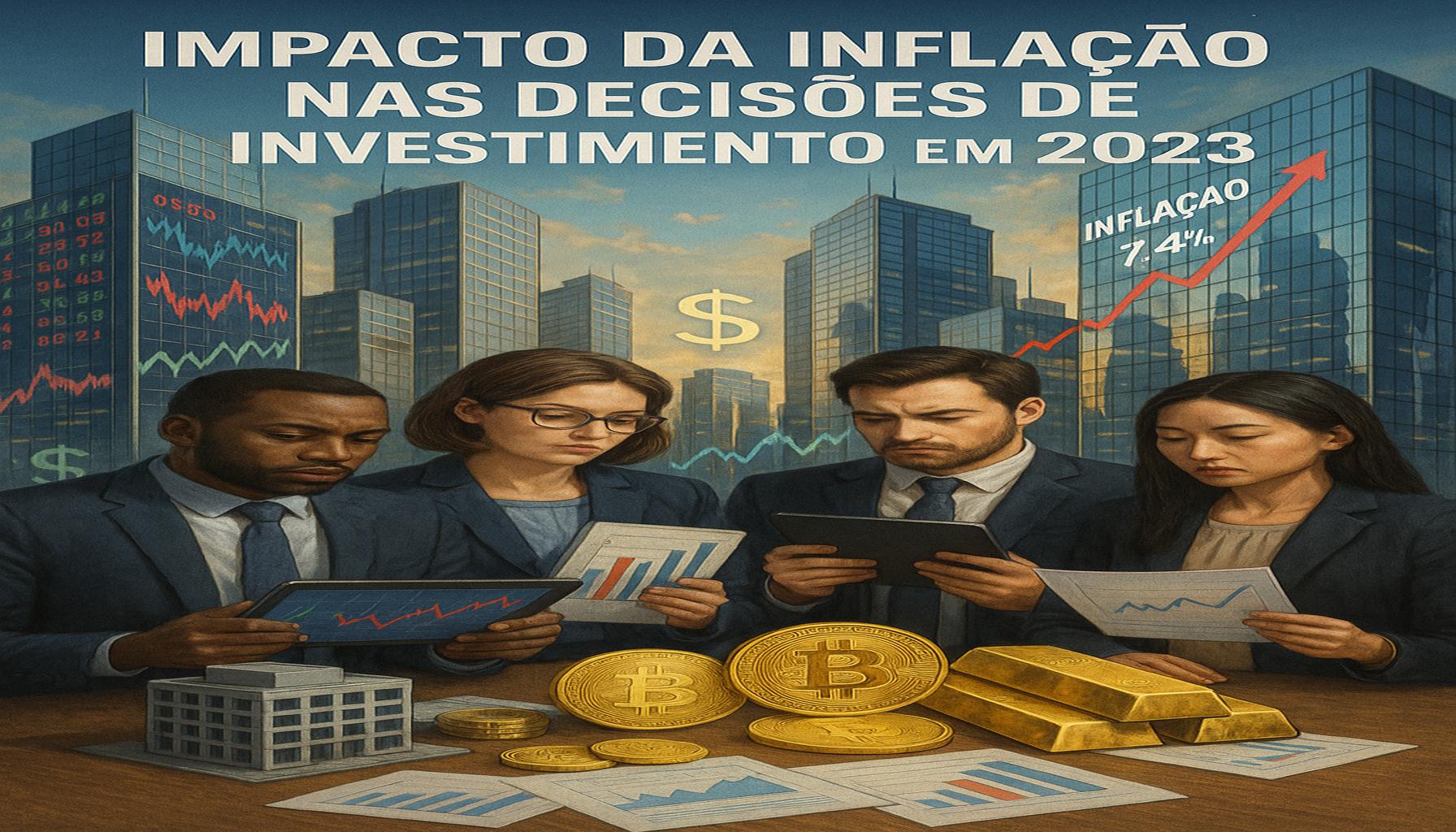
The year 2023 has brought a myriad of challenges and opportunities for investors. With inflation rates soaring, making decisions about where to invest can feel overwhelming. In this climate, understanding the impact of inflation on investment choices is crucial. Inflation, often defined as the rate at which the general level of prices for goods and services rises, erodes purchasing power and influences economic behavior significantly.
Key Influences on Investment Decisions
Inflation doesn’t just affect prices; it reshapes the investment landscape in several significant ways. Recognizing these influences is essential for any savvy investor.
- Purchasing Power Erosion: As prices rise, the value of money decreases, impacting everyday expenses and the returns on investments. For example, if inflation rises by 5% but your investment only yields a 3% return, the real value of that investment diminishes. This erosion requires investors to seek out assets that can outpace inflation, such as real estate or commodities like gold, which have historically shown resilience during inflationary periods.
- Interest Rate Adjustments: The Federal Reserve plays a pivotal role in the economy by adjusting interest rates in response to inflation. Higher interest rates mean increased borrowing costs, which can dampen corporate profits and consumer spending. For instance, if you’re considering investing in technology stocks, the higher cost of capital might lead to reduced growth projections for tech companies, subsequently affecting stock prices. Understanding these dynamics is essential for gauging the effects on market segments.
- Asset Class Performance: Different assets respond differently to inflation, making it vital to diversify your portfolio strategically. For example, treasury inflation-protected securities (TIPS) can offer protection against inflation as they adjust principal based on price index changes. Conversely, equities may experience varied performances depending on continuously fluctuating consumer sentiment and economic conditions. This diversity of asset classes can help mitigate risks associated with inflation.
Investors must navigate these factors to protect their capital and achieve growth. In this evolving environment, strategies and asset classes that once thrived may now require re-evaluation. For example, traditional bonds might become less attractive as their fixed payments yield diminishing returns in a high-inflation context.
Adapting to a New Economic Reality
Understanding how inflation alters the investment narrative is essential for informed decision-making. As economic shifts occur globally, including those driven by geopolitical tensions and supply chain disruptions, this year’s volatility urges investors to stay agile and informed. Analysts recommend closely monitoring economic indicators and adjusting investment strategies accordingly. By examining trends such as the rise of technological innovations or the ongoing transition towards renewable energy, individuals can turn challenges into advantages.
This proactive approach involves not just reacting to changes but also anticipating them. For instance, industries anticipated to thrive in a high-inflation environment, such as energy and utilities, may present unique investment opportunities. Savvy investors who stay ahead of the curve can harness the power of inflation to build resilient portfolios that not only protect wealth but also leverage growth opportunities emerging from this economic landscape.
Navigating Investment Choices Amid Rising Prices
As inflation continues to climb in 2023, investors find themselves reassessing their strategies to ensure financial stability and growth. The implications of increasing prices are far-reaching and necessitate a careful examination of how inflation influences investment decisions across various sectors. Investors need to develop a keen understanding of these dynamics to safeguard their portfolios effectively.
Inflation and Its Effects on Investment Behavior
In an inflationary environment, the choices made by investors change significantly. Here are several key factors that illustrate the profound effects of inflation on investment behaviors:
- Risk Appetite Shift: Inflation often leads to heightened uncertainty in the markets. As investors become more cautious regarding future economic stability, there is generally a shift in risk appetite. Many may opt for less volatile investments, such as dividend-paying stocks or bonds, seeking to avoid the pitfalls of more speculative investments. This cautious approach can create additional demand for stable assets, which might drive prices higher in those segments.
- Sectoral Performance Variations: Not all industries respond uniformly to inflation. Sectors such as energy and consumer staples typically fare better during inflationary periods, as these sectors often pass price increases onto consumers. Conversely, industries such as technology or discretionary goods may suffer as consumers tighten their belts. Investors must closely monitor which sectors show resilience in the face of rising costs, allowing them to strategically allocate their resources.
- Global Supply Chain Influences: The interplay between inflation and global supply chains has become increasingly critical. Supply chain disruptions can exacerbate inflation by limiting product availability while raising production costs. Investors need to stay informed about relevant geopolitical events and economic policies that might further affect supply chains. This awareness can influence decisions on domestic versus international investments, potentially steering investors toward markets that exhibit stability and growth.
Moreover, the relationship between inflation and consumer behavior cannot be overlooked. As inflation erodes purchasing power, consumers adjust their spending habits, gravitating towards essential goods and services rather than luxuries. This fundamental shift impacts corporate revenues and, by extension, stock valuations. Thus, investors should scrutinize consumer sentiment and spending trends to gauge the long-term viability of their investments.
Rebalancing and Reassessing Portfolios
With inflation reshaping the landscape, a re-evaluation of asset allocation becomes imperative. Investors must assess whether their current investment mix aligns with the ongoing economic realities. Traditional asset classes might yield diminishing returns, necessitating the exploration of alternative investments such as real estate, infrastructure projects, or inflation-linked securities. Adapting to changes in inflation trends can not only help preserve wealth but may also present new opportunities for growth.
In essence, the year 2023 underscores the importance of agility in investment decision-making. By staying attuned to the factors driving inflation and its implications on different asset classes, investors can make more informed strategies that enhance their financial outcomes amidst unwavering economic turbulence.
Understanding the Long-term Implications of Inflation on Investments
As inflation persists in 2023, investors are grappling with more than just immediate asset allocation; they must also consider the long-term implications of their choices. With rising prices becoming a norm, an increasing number of investors are contemplating the sustainability of their portfolios and the potential erosion of real returns. This evolving landscape is prompting a shift in focus toward investments that provide a hedge against inflation and sustainable growth potential.
Infrastructure and Real Assets: Strongholds in Inflationary Times
One of the sectors experiencing a resurgence due to inflation is infrastructure. Projects that deliver essential services—such as water supply, energy production, and transportation—often boast intrinsic value that tends to rise alongside inflation. Investors are now more enthusiastically exploring infrastructure-related investments like real estate investment trusts (REITs) and public-private partnerships, which have historically delivered stable returns even in turbulent economic environments. In addition, physical assets such as commodities—including gold and metals—are once again attracting attention as tangible holdings offer a buffer against value depreciation associated with fiat currency.
The Role of Inflation-Protected Securities
Investors are also increasingly considering inflation-protected securities, such as Treasury Inflation-Protected Securities (TIPS) in the United States. TIPS offer a unique advantage, as their principal is adjusted based on changes in the Consumer Price Index (CPI), allowing investors to maintain purchasing power even as inflation rises. This attribute makes them an appealing option for retirees and conservative investors fearing the impact of rising costs on their fixed incomes. Furthermore, as interest rates are projected to remain volatile, these securities provide an additional layer of protection against unexpected market fluctuations.
Trend Towards Sustainability: Green Investments
Interestingly, the inflation environment is fueling a growth in sustainability-focused investments. As consumers demand eco-friendly practices and companies strive to differentiate themselves in a crowded marketplace, environmental, social, and governance (ESG) investments are gaining traction. Many investors are recognizing that companies prioritizing sustainability and responsible resource usage are not only more resilient to inflation but also contribute positively to societal well-being. By aligning financial goals with personal values, investors may uncover potential upside in engaging with these emerging markets.
The Power of Flexibility and Adaptability
Given the unpredictable nature of inflation, the ability to adapt investment strategies becomes paramount. Investors are now leveraging technology and analytical tools to gain deeper insights into macroeconomic trends, allowing for data-driven adjustments to their portfolios. Algorithms and artificial intelligence are being deployed to analyze real-time market conditions and assess risks, resulting in more agile investment practices. By capitalizing on emerging technologies, investors position themselves not only to survive inflationary pressures but to thrive despite the economic challenges that arise.
Ultimately, as 2023 progresses, the narrative surrounding inflation is a catalyst for change among investors. Those who recognize the need for innovative strategies and flexible approaches stand to benefit in both the short and long term, illustrating that economic adversity can foster creative investment solutions that enhance portfolio resilience.
Conclusion: Navigating the Inflationary Landscape of 2023
As we navigate the complexities of 2023’s inflationary environment, it is evident that investors are faced with both challenges and opportunities that fundamentally reshape their investment decisions. The persistent rise in prices has heightened the demand for strategic adaptability, compelling investors to reassess their traditional approaches. By prioritizing inflation-resistant assets such as infrastructure, real assets, and inflation-protected securities, investors can create a robust portfolio that mitigates risks associated with value erosion.
Moreover, the spotlight on sustainability is growing, guiding investment strategies towards environmentally conscious ventures that not only align with societal values but also promise longevity and resilience in an inflationary economy. As companies increasingly integrate environmental, social, and governance (ESG) criteria into their frameworks, investors are encouraged to consider these factors when making decisions, identifying not just financial returns but also positive societal impacts.
Furthermore, the increased use of technology and data analytics is reshaping investment methodologies, enabling investors to make more informed, agile decisions in real-time. This flexibility will prove crucial as we face ongoing market uncertainties and fluctuations in interest rates.
Ultimately, the current period of inflation challenges investors to be proactive and innovative, ensuring that their strategies not only weather these economic storms but also harness the potential for growth and resilience. As we progress through the year, the most successful investors will be those who remain vigilant, adaptable, and committed to aligning their financial strategies with the ever-changing landscape of inflation.