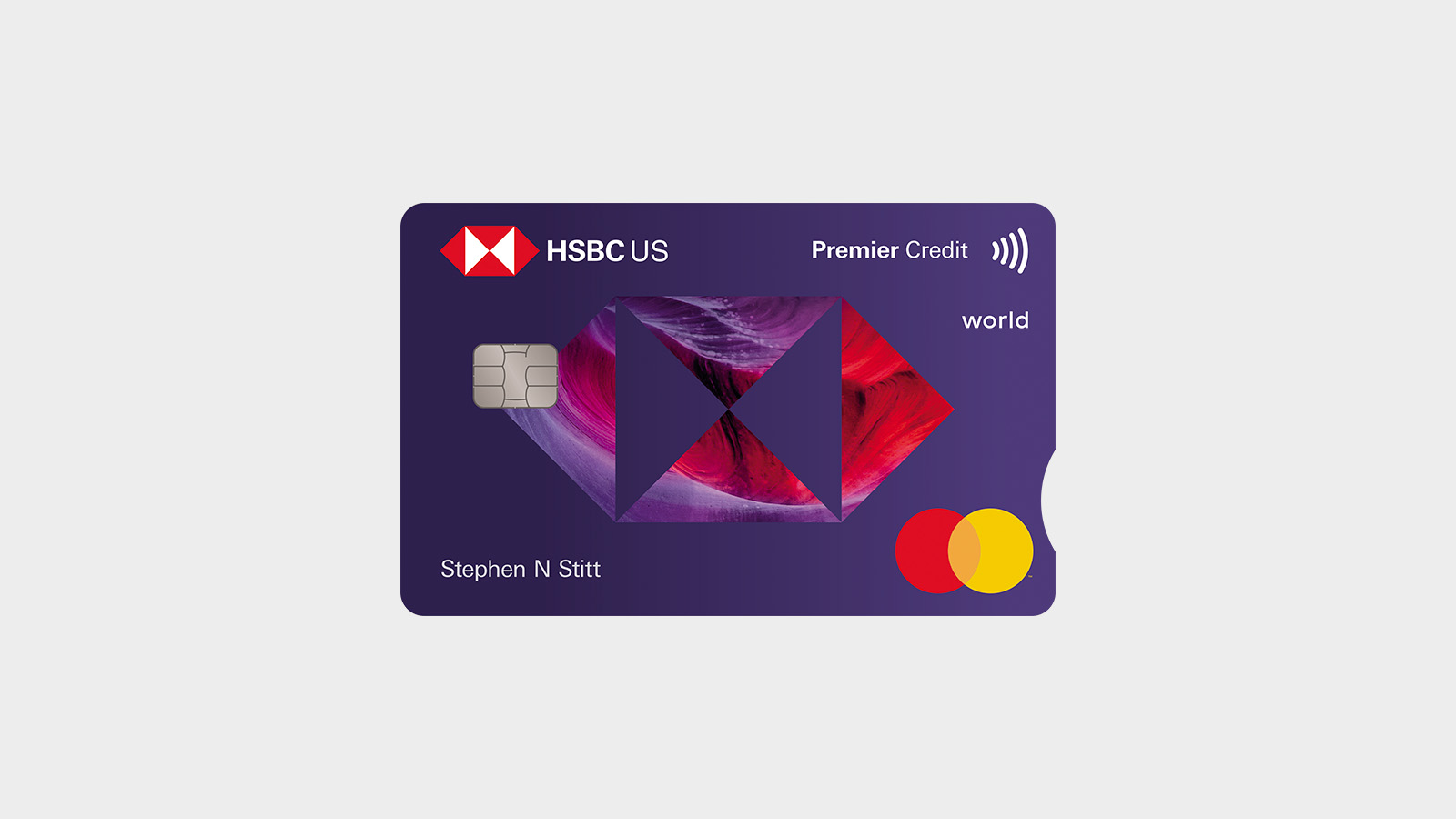
How to Choose the Ideal Credit Card for Your Financial Needs

Understanding Credit Card Options
When it comes to securing a credit card, it is pivotal to thoroughly analyze your personal financial needs as well as your spending habits. Credit cards are not merely tools for borrowing money; they can also act as strategic instruments for managing your finances, building credit, and enhancing your purchasing power. The wide variety of credit cards on offer can be overwhelming, yet understanding key features can simplify the decision-making process.
Interest Rates
One of the first aspects to evaluate is the Annual Percentage Rate (APR). This figure represents the cost of borrowing on an annual basis and can significantly influence your financial outcomes. For example, a card with a lower APR will be more cost-effective if you carry a balance. It is advisable to compare the variable and fixed rates offered by different credit cards, as this can impact your long-term financial obligations.
Rewards Programs
Many credit cards provide rewards programs designed to enhance user experience by offering cashback, travel rewards, or points based on spending behaviors. For instance, if you often dine out or travel for work, selecting a card that offers increased rewards for these categories can result in substantial savings. Popular options include cards that provide 1.5% to 5% cashback on certain purchases, or those that provide airline miles that can be redeemed for free flights. Tailoring a rewards program to fit your lifestyle can elevate the overall value you receive from your credit card.
Fees
Another critical element to investigate are fees associated with credit cards. These may include annual fees, late payment penalties, and foreign transaction fees. Annual fees can range from $0 to over $500, depending on the card and the perks it offers. If you travel internationally frequently, being aware of foreign transaction fees is essential as they can add up considerably. In addition to these fees, monitor any promotional rates, as these can influence your initial cost of borrowing and may be adjusted after a specific period.
Credit Limit
The credit limit assigned to your card is another vital consideration. This limit should not only reflect your spending capacity but also encourage responsible usage. A higher credit limit may improve your credit utilization ratio, positively affecting your credit score, provided that you refrain from overspending. Conversely, a lower limit may be a safer option for those just beginning to build their credit history or those who prefer to maintain tighter control over their finances.
Aligning Choice with Lifestyle
Ultimately, it is crucial to align your credit card selection with your lifestyle and financial priorities. Whether you prioritize maximizing rewards from daily purchases, managing business expenses efficiently, or aiming to enhance your credit score, understanding your personal needs will simplify the selection process. Doing thorough research and comparing various options will facilitate an informed decision in choosing the right credit card for your financial strategy.
In conclusion, selecting the appropriate credit card is more than just choosing a financial product; it’s about making a strategically advantageous financial decision that aligns with your overall financial goals.
Evaluating Key Credit Card Features
To make an informed decision when selecting a credit card, it is essential to evaluate several key features that may directly impact your financial situation. Understanding these components will empower you to align your credit card choice with your financial objectives, ultimately enhancing your purchasing power and financial flexibility.
Credit Score Considerations
Your credit score plays a significant role in determining the credit card options available to you. Credit cards are typically categorized into various tiers, ranging from secured cards for individuals with low credit scores to premium rewards cards for those with excellent credit. Before applying for a credit card, it is advisable to check your credit score and consider obtaining a report from one of the major credit bureaus—Experian, Equifax, or TransUnion. A higher credit score may qualify you for cards with lower interest rates and better rewards programs.
Purpose of the Card
Identifying the primary purpose of your credit card is critical. Are you looking for a card to build credit, earn rewards, enjoy travel benefits, or manage emergency expenses? Understanding your intent will guide you to the most suitable card options. For instance, if your goal is to build credit, a secured card with low fees might be your best choice. Alternatively, if you travel frequently, a card that offers travel perks and points may serve you better. Here are some common purposes to consider:
- Building Credit: Choose a card tailored for strengthening your credit history.
- Rewards Earners: Opt for a card that provides points, cashback, or travel rewards aligned with your usual spending habits.
- Business Expenses: Consider business credit cards that offer expense tracking and rewards for purchases relevant to your company.
- Emergency Use: A no-annual-fee card can be a practical choice for unforeseen expenses.
Introductory Offers and Promotional Rates
Many credit card issuers provide introductory offers or promotional rates to attract new customers. These incentives can include 0% APR for an extended period on purchases or balance transfers, sign-up bonuses, or waived annual fees for the first year. While these offers can be enticing, it is imperative to read the fine print and understand the terms. Evaluate the long-term implications once the promotional period concludes, as the APR may increase significantly after an introductory phase. Additionally, calculate whether the rewards structure during the promotional period aligns with your expected spending habits.
Customer Service and Support
The quality of customer service provided by a credit card issuer can also influence your decision. Having access to responsive customer support can be invaluable, especially in cases of fraud or billing issues. Research customer reviews and ratings, paying attention to how effectively the issuer resolves issues and their overall consumer satisfaction. Moreover, consider the availability of digital tools, such as mobile banking apps that facilitate transaction tracking and account management.
In summary, evaluating the essential features of credit cards—including credit score requirements, intended use, introductory offers, and customer service—will guide you toward making a choice that best fits your financial needs. These considerations will empower you to maximize the benefits of your credit card and achieve your financial objectives more effectively.
Understanding Fees and Charges
When selecting a credit card, it is critical to clearly understand the various fees and charges associated with it. These costs can significantly affect your overall usage and financial obligations. Some common fees to consider include:
- Annual Fees: Many credit cards impose an annual fee which can range from $0 to several hundred dollars, depending on the card’s benefits and rewards structure. Consider whether the advantages provided by the card outweigh this cost. For example, a card with extensive travel rewards may justify a higher annual fee if you frequently travel and can easily earn back that cost through points.
- Foreign Transaction Fees: If you travel internationally or make purchases in foreign currencies, it is wise to look for cards with no foreign transaction fees. These fees can add a significant cost—typically around 1% to 3%—to every foreign purchase.
- Late Payment Fees: Failing to make your payments on time can incur late fees, which can range from $25 to $40. It is essential to understand your card issuer’s policies on late payments; some issuers may also increase your interest rate after missed payments.
- Cash Advance Fees: If you plan to use your credit card for cash advances, be aware that this usually comes with higher interest charges and transaction fees. Cash advances typically start accruing interest immediately, making them a costly option compared to regular purchases.
Interest Rates and Payment Terms
The Annual Percentage Rate (APR) is another fundamental aspect when choosing a credit card. This rate represents the cost of borrowing on your card, expressed as a yearly interest rate. Cards can have varying APRs based on your creditworthiness, the type of card, and other factors. Generally, the lower the APR, the cheaper it will be to carry a balance from month to month. Consider whether you plan to carry a balance, as a high APR can lead to accumulating debt.
Additionally, familiarize yourself with the card’s payment terms. Some credit cards offer a grace period, during which no interest accrues if the balance is paid in full by the due date. Others may not provide such leniency. Understanding these terms can prevent potential debts from spiraling out of control.
Rewards and Redemption Options
Many cards provide enticing rewards programs that can help you earn points, miles, or cashback on purchases. When evaluating these rewards, consider the following:
- Earn Rate: Look at how rewards are earned. Some cards may offer higher points for specific categories such as groceries or travel. Align these categories with your typical spending to maximize your benefits.
- Redemption Flexibility: Investigate how you can redeem your rewards. Some cards allow you to use points for travel, while others may offer cashback options. Assess which redemption method suits your needs.
- Expiration Policies: Understand if rewards expire and any conditions that might affect their validity, as many issuers have specific policies regarding the lifespan of earned rewards.
Incorporating an evaluation of credit card fees, interest rates, and rewards structures will help ensure that your chosen card aligns not only with your financial habits but also with your long-term financial strategies. This comprehensive analysis forms the cornerstone of an informed decision, enabling you to maximize the benefits of your credit card while minimizing unnecessary costs.
Making the Right Choice
In conclusion, selecting the ideal credit card to meet your financial needs requires a careful assessment of various factors, including fees, interest rates, and rewards programs. By understanding your spending habits, you can align them with the benefits provided by different credit card offerings. Evaluate whether the potential rewards and perks offered by a card justify any associated costs such as annual fees and transaction charges. It is essential to prioritize cards that have no foreign transaction fees if you travel, or seek cards with low APRs if you anticipate carrying a balance.
Your choice should not solely be based on immediate advantages; rather, it should also consider long-term financial implications. Establishing a budget and monitoring your usage will help you maintain control over your finances and avoid debt. Additionally, stay informed about the terms and conditions, including any changes in reward structures or interest rates, as these can impact your overall financial strategy.
Ultimately, the right credit card serves as a tool that can enhance your financial capabilities, providing convenience and rewards without jeopardizing your financial health. Stay proactive and informed, and you will not only choose effectively but also ensure that your credit card aligns with both your current lifestyle and long-term goals.