How to Build a Solid Credit History Using Credit Cards
Understanding Credit History
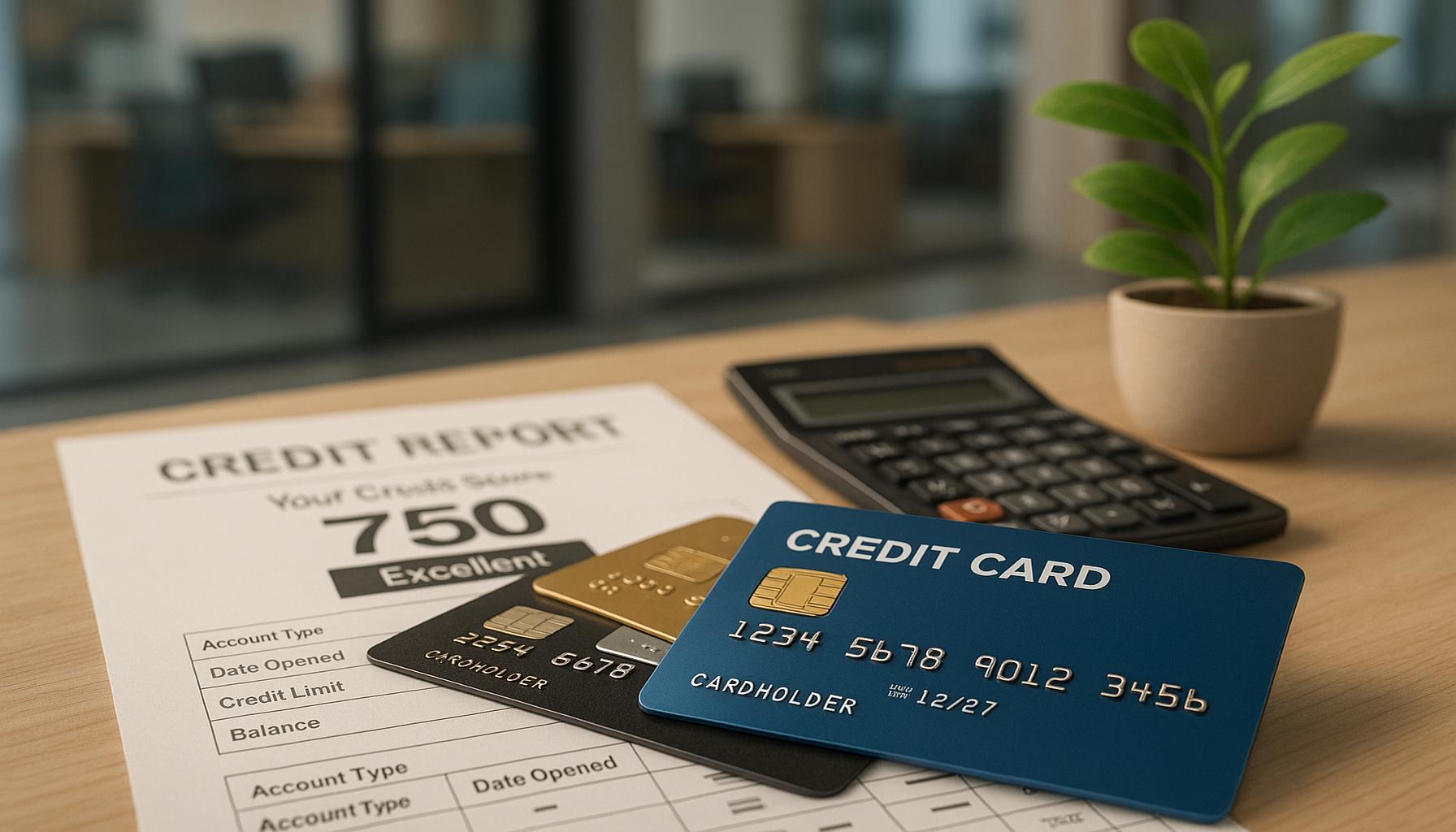
Building a strong credit history is a vital component of achieving long-term financial stability. For many individuals, credit cards serve as an effective tool for establishing and improving credit scores when used wisely. A high credit score not only increases your chances of obtaining loans but can also result in lower interest rates, making borrowing more affordable. This means less money spent on interest payments over time and more opportunities to save and invest.
Timely Payments
Making payments on time is one of the most important factors influencing your credit score. Late payments can remain on your credit report for several years and significantly lower your score. To manage this effectively, consider setting up automated payments or reminders. For example, if you have a credit card bill due each month, you might align your payment date with your payday to ensure you always pay on time. Doing so not only protects your score but builds a positive payment history that lenders look for when assessing your creditworthiness.
Credit Utilization
Credit utilization refers to the percentage of your total available credit that you are currently using. A general rule of thumb is to keep this ratio below 30%. For instance, if you have a credit limit of $10,000, try not to carry a balance higher than $3,000 at any given time. This indicates to creditors that you are not overly reliant on credit and can manage your finances responsibly. High credit utilization can negatively impact your score, so it’s wise to pay down outstanding balances as quickly as possible to maintain a healthy utilization ratio.
Diverse Credit Types
Incorporating differing types of credit into your financial profile can also positively influence your credit score. Having a mix of credit accounts—such as credit cards, auto loans, student loans, and mortgages—can demonstrate your ability to manage various types of payments. For instance, if you only have one type of credit account, like a credit card, it may limit your score potential. On the other hand, taking out a small personal loan and managing it well, alongside your credit card, could display an improved ability to handle credit and enhance your score.
Ultimately, building good credit habits takes time and effort, but the rewards are well worth it. Establishing responsible practices with your credit cards lays the groundwork for strong credit history and broadens your financial horizons. Strong credit is an asset; it opens doors to homeownership, lower insurance premiums, and even employment opportunities in some cases. By focusing on timely payments, managing credit utilization, and diversifying credit types, you will be on your way to a robust financial future.
Key Strategies for Building Credit History
Building a solid credit history takes intention and planning, especially when using credit cards. Here are some effective strategies that can help you establish and maintain a favorable credit profile.
Choosing the Right Credit Card
Before diving into credit card usage, it’s crucial to choose the right credit card for your financial situation. Different cards come with varied features, fees, and rewards. Here are a few considerations when selecting a credit card:
- Annual Fees: Some credit cards charge an annual fee which can eat into your budget. Consider cards with no or low annual fees if you are just starting out.
- Interest Rates: Look for cards with lower interest rates, especially if you’re likely to carry a balance. A high-interest card can make it difficult to pay off your debt.
- Rewards Programs: Many credit cards offer cash back, points, or other rewards for spending. If you can manage your spending wisely, a rewards card can add value to your purchases.
Selecting a card that aligns with your financial habits and goals will set a solid foundation for successfully building your credit history.
Keeping Track of Your Spending
Another essential aspect of using credit cards wisely is keeping track of your spending. It’s easy to lose sight of how much you’re charging to your credit card, which can lead to overspending and increased debt. Here are some practical tips to manage your credit card expenses:
- Create a Budget: Establish a monthly budget that accounts for your income and expenses. Allocate a specific amount for credit card spending and stick to it.
- Use Mobile Banking Apps: Many credit card issuers offer mobile apps that allow you to monitor your balance and transactions in real-time. Take advantage of these tools to avoid surprises.
- Review Statements Regularly: Make a habit of reviewing your monthly statements to ensure all charges are accurate and to track your spending patterns.
By maintaining awareness of your credit card usage, you are less likely to accumulate unnecessary debt and more likely to stay aligned with your financial goals.
Avoiding Unnecessary Debt
While credit cards are a valuable tool for building credit, they can also lead to significant financial burdens if not managed wisely. It’s essential to avoid unnecessary debt and make responsible decisions when it comes to your credit usage. Here are steps to consider:
- Limit Credit Card Applications: Each time you apply for a new credit card, it results in a hard inquiry on your credit report. Too many inquiries in a short period can negatively impact your score.
- Plan for Large Purchases: If you need to make a large purchase, consider saving up for it instead of immediately charging it to your credit card. This approach enables you to manage your finances better and avoid high-interest debt.
- Pay More than the Minimum: If you do carry a balance, always try to pay more than the minimum payment to reduce your debt faster and minimize interest charges.
By implementing these strategies, you can use credit cards to effectively build a solid credit history while avoiding the pitfalls of poor credit management.
Managing Your Credit Wisely
Building a solid credit history is not just about using credit cards; it’s about managing your credit wisely to enhance your creditworthiness. There are several important practices that can help you maintain a strong financial reputation while making the most of your credit card usage.
Establishing a Payment Routine
One of the most critical factors in building a positive credit history is making timely payments. Payment history accounts for a significant portion of your credit score, so developing a consistent routine is vital. Here are some strategies to ensure you stay on top of your payments:
- Set Up Autopay: Many credit card companies allow you to set up automatic payments for at least the minimum amount due each month. This feature helps you avoid late fees and ensures that you don’t miss a payment.
- Use Payment Reminders: If you prefer manual payments, consider setting reminders through your phone or calendar a few days before your payment due date. This way, you’ll always have time to prepare.
- Align Due Dates with Paydays: If possible, request your credit card issuer to change your payment due dates to align with your paydays. This can make it easier to manage your cash flow and ensure you have the funds to meet your credit obligations.
By creating a solid payment routine, you can build your credit history more effectively while avoiding unnecessary fees and penalties.
Utilizing Credit Responsibly
While it might be tempting to maximize your credit utilization, it’s essential to use your credit card responsibly. Credit utilization refers to the percentage of your total available credit that you are currently using, and it plays a significant role in your credit score. Here are some practical guidelines:
- Keep Utilization Below 30%: Ideally, try to keep your credit utilization ratio below 30%. For example, if you have a credit limit of $1,000, aim to carry a balance of no more than $300. This demonstrates to lenders that you can manage your credit without overextending yourself.
- Pay Off Balances Before the Due Date: If you want to use your card for regular purchases, consider paying off the balance before the billing cycle ends. This technique can help maintain a low utilization rate and keep your payment history pristine.
- Monitor Your Credit Score: Regularly check your credit report for errors and updates. Only by understanding your current credit situation will you be able to make informed decisions regarding your credit usage.
Applying these techniques can help you maintain a low utilization ratio while demonstrating effective credit management to potential lenders.
Building Credit Over Time
Lastly, it’s important to remember that building credit is a journey, not a sprint. Patience plays a key role in establishing a solid credit history. Here are a few tips to keep in mind as you work towards solidifying your credit profile:
- Use Multiple Accounts Wisely: While it’s essential to have at least one credit card to build credit, consider adding a second card after a year or more of responsible use to diversify your credit mix. This can enhance your credit score over time when managed properly.
- Avoid Closing Old Accounts: Length of credit history is also a critical factor in determining your credit score. Keeping your oldest credit accounts open—particularly those with positive payment histories—can help increase your average account age.
- Learn from Mistakes: If you make past mistakes, such as missing a payment or incurring high debt, don’t get discouraged. Focus on rebuilding your credit by implementing the strategies outlined and staying committed to responsible usage.
By adopting a long-term view of credit management, you can steadily improve your credit history and position yourself for future financial opportunities.
Conclusion
In summary, building a solid credit history using credit cards can significantly impact your financial future. By establishing a consistent payment routine, you drastically improve your chances of securing favorable credit terms when needed. Timely payments can enhance your credit score, while responsible credit utilization demonstrates your ability to manage credit wisely. Keeping your credit utilization below 30% and paying off balances before due dates not only helps maintain a healthy credit score but also protects you from accruing unwanted debt.
Building credit is a long-term commitment that requires patience and strategic planning. As you progress, consider diversifying your credit mix with additional accounts, but always manage them responsibly. Remember that maintaining old accounts can bolster your credit history, providing you with a solid foundation for future borrowing. Even if you encounter setbacks, such as missed payments or high debt levels, focus on learning from those experiences and making improvements.
Ultimately, by adopting these practices and viewing credit management as a journey, you will create a stable credit history that opens doors to various financial opportunities, including lower interest rates on loans and improved chances of securing housing or car financing. With dedication and informed decision-making, your credit card can be a powerful tool in building a promising financial future.