How Market Volatility Affects Real-Time Investment Decisions
Understanding Market Volatility
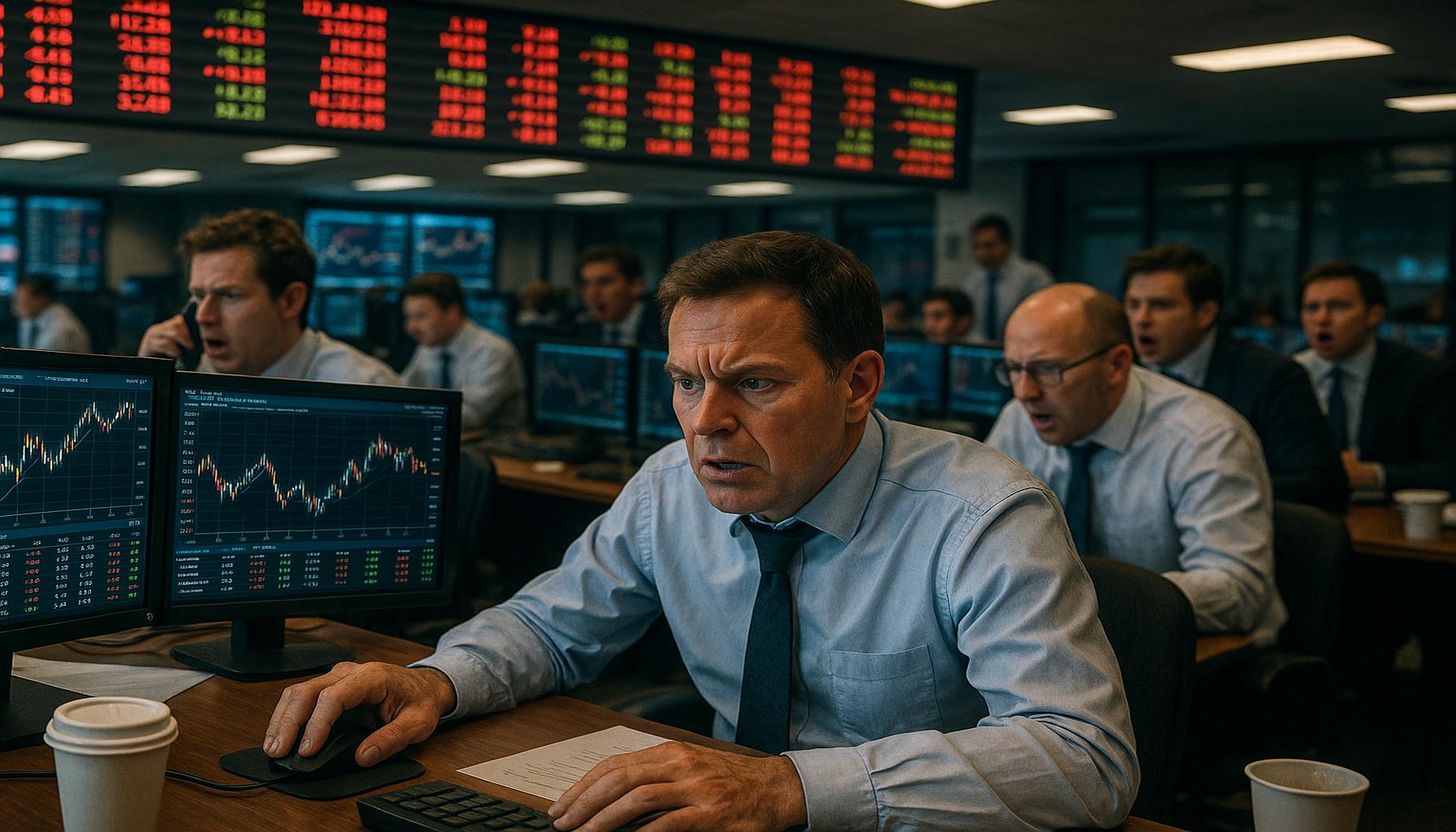
Market volatility is a constant element in the ever-evolving financial landscape, profoundly influencing investor behavior and decision-making. In a world where economic conditions can change rapidly due to various factors, including geopolitical events, interest rate adjustments, and unexpected regulatory changes, investors find themselves grappling with fluctuations that can significantly impact their portfolios. Understanding how to react appropriately to these fluctuations becomes crucial for both seasoned and novice investors alike.
Volatility affects investments in various ways:
- Emotional decision-making: The psychological aspects of trading are well-documented. During periods of heightened volatility, emotions such as fear and greed can overshadow rational thinking. For instance, when stock prices plummet following disappointing earnings reports, many investors might succumb to panic selling, only to later witness a recovery in prices that underscores the importance of holding one’s ground.
- Risk assessment: Investors consistently need to evaluate their risk tolerance as market conditions evolve. A young professional saving for retirement might feel more comfortable taking higher risks in stocks, while a near-retiree might prioritize more stable investment options. This continuous reassessment is vital for aligning an investment strategy with personal financial goals.
- Timing trades: In the unpredictable environment of volatile markets, knowing when to enter or exit a position can be the difference between profit and loss. Tools such as limit orders and market alerts are indispensable for helping investors make timely decisions without having to monitor fluctuations in real time.
These factors underscore the importance of having a comprehensive strategy during turbulent periods. For instance, when unexpected news or economic reports emerge—such as inflation data or employment statistics—the market can react sharply in a matter of hours, prompting investors to reevaluate their asset allocations. Furthermore, modern technology, such as real-time analytics and news alerts from financial apps, plays a critical role in guiding investor decisions.
Investors face both challenges and opportunities:
- Amidst chaos, the ability to identify emerging trends becomes paramount. Savvy investors often look for patterns that may indicate future market movements, using strategies like technical analysis to stay ahead.
- Utilizing technology can provide a significant advantage in making timely decisions. For example, algorithmic trading platforms can execute trades based on pre-set conditions faster than any human trader can.
- Understanding market sentiment can lead to more informed choices. Social media platforms and news outlets often reflect public perception, which can influence stock prices. Being attuned to market sentiment can guide an investor’s timing and strategy.
As we delve deeper into the intricacies of market volatility, exploring how it shapes real-time investment strategies, it becomes evident that equipping oneself with knowledge and tools can lead to success even in uncertain conditions. Through a careful analysis of market dynamics, a clear strategy, and an awareness of one’s emotional triggers, investors can not only survive but thrive in the face of volatility.
Reevaluating Strategies in a Volatile Market
In the dynamic world of investing, market volatility serves as a wake-up call for investors to fine-tune their strategies continuously. The moment stocks swing wildly in response to economic news, there’s a palpable sense of urgency that takes hold. In these exhilarating yet nerve-wracking times, investor decisions often shift from long-term strategies to real-time actions driven by immediate market conditions. Learning how to navigate this landscape effectively demands a blend of analytical thinking and emotional resilience.
Market trends and immediate actions: When volatility spikes, the crucial task for investors is to stay informed and interpret trends accurately. For example, during the COVID-19 pandemic, markets reacted sharply to news about vaccine developments or government economic relief packages. These events created opportunities for investors who could identify burgeoning sectors like technology or e-commerce that thrived in a new normal. By monitoring current events and understanding their potential impact on market sectors, investors can make educated decisions that align with the prevailing winds of change.
The need for diversification: Diversifying a portfolio is not just an investment strategy; it becomes essential during fluctuating markets. As certain sectors plunge, others may soar, creating a balance that cushions potential losses. An investor heavily reliant on technology stocks may find the sharp decline of these assets downright devastating during a market correction, while those with a diverse range including healthcare, consumer goods, and emerging markets may weather the storm more effectively. Adaptation through diversification reduces risk and positions portfolios to leverage opportunities as trends evolve.
Real-time data analytics: The role of technology in investment decision-making cannot be overstated. Investors today have access to an avalanche of data at their fingertips, enabling them to execute trades faster than ever before. Advanced data analytics and real-time market data tools can provide insights into stock performance, volatility indexes, and market sentiment. For instance, traders utilizing platforms like Robinhood or E*TRADE often rely on mobile alerts and trading bots to make snap decisions based on market movements. This speed offers a competitive edge that was once limited to institutional investors.
Emotional control amidst chaos: Investors must combat the psychological impact of market volatility. The fear of missing out (FOMO) during a market rally can lead to impulsive buying, while panic selling can plague even the most seasoned investors in bear markets. One effective strategy to maintain emotional control is implementing preset orders or stop-loss orders, which trigger trades automatically when stocks hit a certain price. This approach allows investors to mitigate emotional decision-making while adhering to their overall investment strategy.
Ultimately, real-time investment decisions in a volatile market require a multifaceted approach that balances informed strategy with emotional discipline. As we continue to explore the implications of market volatility on investment strategies, it becomes clear that laying a strong foundation based on diversification, data-driven decisions, and psychological preparedness can empower investors to navigate uncertainty with confidence.
The Impact of Economic Indicators on Investment Choices
In a landscape where emotions can sway decisions, understanding economic indicators becomes pivotal for investors seeking clarity amidst turmoil. Volatile market conditions often echo broader economic shifts, and being attuned to metrics like GDP growth, unemployment rates, and consumer confidence can provide valuable insights. For instance, a surge in unemployment may signal underlying economic weaknesses, prompting investors to reconsider their allocations across various asset classes. Investors who stay engaged with these indicators can make strategic decisions instead of acting on impulse during times of high uncertainty.
The Role of Fed Policies and Monetary Tools
The Federal Reserve’s decisions on interest rates significantly affect market volatility and, consequently, investor behavior. When the Fed hints at a rate hike or makes abrupt changes, stock markets react quickly, often causing moments of instability. Investors who are able to anticipate these moves and align their strategies accordingly may find that they outperform peers who react only after volatility strikes. For example, during periods of anticipated tightening, investors might pivot towards defensive stocks—companies that offer stability to weather potential downturns—out of concern for rising borrowing costs. This foresight is particularly beneficial, allowing them to position their portfolios in ways that mitigate volatility-induced losses.
Analyzing Sector-Specific Sensitivities
Not all sectors react uniformly to market fluctuations; thus, understanding sector-specific sensitivities is crucial for real-time investment decisions. During periods of crisis, sectors like consumer discretionary may suffer as consumers tighten their belts, while essentials such as food and healthcare stocks tend to hold their value. Investors can capitalize on these trends by revisiting a sector analysis, identifying which areas may rise or fall due to pending economic changes. For instance, shortly after the pandemic hit, sectors such as travel and hospitality faced severe pressures, driving investors to seek refuge in more resilient sectors like healthcare and technology.
Leveraging Investor Sentiment and Behavioral Finance
A deeper understanding of behavioral finance can significantly refine an investor’s approach to real-time decision-making. Market volatility often exacerbates emotional responses, with investor sentiment swinging between extreme optimism and pessimism. Tools that gauge investor sentiment, such as the Fear & Greed Index, can provide critical context for decision-making during turbulent times. For instance, when sentiment is overly bullish, it might signal an impending pullback, prompting investors to consider locking in profits. Conversely, during periods of widespread fear, emerging opportunities might arise due to the mispricing of quality stocks. Recognizing these psychological trends allows investors to align their strategies with the emotional landscape surrounding the markets.
In navigating the tumultuous waters of market volatility, the interplay between economic indicators, Fed policies, sector sensitivities, and investor sentiment paints a complex but actionable picture. By mastering these elements, investors can transform a period of uncertainty into a realm of opportunity, enabling them to make informed real-time decisions that stand the test of market fluctuations.
Conclusion
As we have explored, market volatility is an inevitable force that shapes real-time investment decisions, compelling investors to remain agile and informed. In a dynamic financial arena, recognizing the correlation between economic indicators and market performance enables investors to discern emerging trends and reassess their strategies. The influence of Federal Reserve policies further underscores the necessity for investors to track these shifts meticulously, as their decisions can unleash swift market reactions.
Moreover, a keen understanding of sector-specific sensitivities helps in navigating the choppy waters of market fluctuations, allowing investors to make calculated moves based on their forecasts of economic conditions. As illustrated during the pandemic, adaptability in sector investment can lead to resilience amidst adversity. Lastly, incorporating insights from behavioral finance into decision-making processes equips investors with the tools to understand and leverage market sentiment. Recognizing the power of psychology within investing—whether during periods marked by greed or fear—can empower investors to seize opportunities that arise during turbulent times.
In conclusion, by weaving together the threads of economic analysis, sector insights, and an understanding of investor psychology, individuals can transform market volatility from a source of dread into a catalyst for opportunity. In doing so, they not only enhance their real-time decision-making but also position themselves for success in an unpredictable investment landscape. Ultimately, informed decision-making could mean the difference between merely weathering volatility and thriving in its wake.