How Credit Card Interest Rates Affect Your Long-Term Financial Health
Understanding the Impact of Credit Card Interest Rates
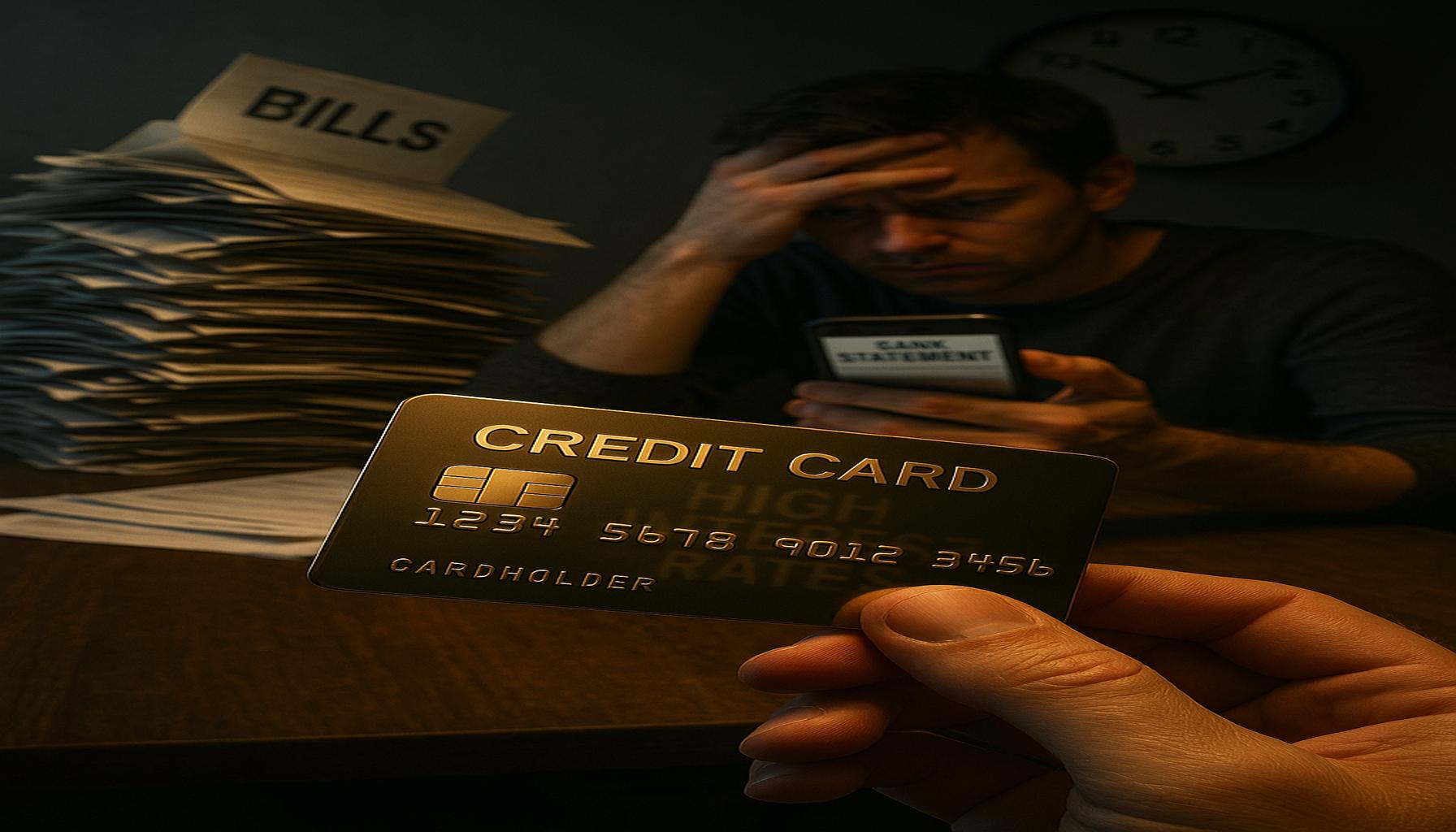
Many consumers underestimate the impact of credit card interest rates on their financial well-being. These rates can significantly influence not just monthly payments but also overall financial health over time. When it comes to managing debt, knowing how interest rates work is vital.
To illustrate this point, consider a consumer who has a credit card with a balance of $5,000 and an annual percentage rate (APR) of 20%. If they only make the minimum payment of 2% of the balance each month, they may find it challenging to pay off the debt completely. In fact, they could spend several years repaying that balance, ultimately paying an exorbitant amount in interest alone. This situation highlights the importance of understanding high interest costs, which can lead to accumulating debt rapidly if not managed properly.
High Interest Costs
A high interest rate can dramatically increase the total amount owed on credit card debt. For example, if someone were to purchase a new laptop costing $1,200 using a credit card at a 25% interest rate, the effective cost of that laptop could more than double if payments are made slowly over time. This stark reality emphasizes that consumers should be strategic about their credit usage and repayment plans to avoid the pitfalls associated with high interest rates.
Minimum Payments Trap
The minimum payments trap is another critical concept for credit card holders. Many people mistakenly believe that making the minimum payment is sufficient to manage their debt. In reality, this practice can extend repayment periods significantly, resulting in hefty interest charges over time. For instance, if your total balance is $2,500 and your minimum payment is only $50, it may take years to pay off the debt completely, accruing hundreds to thousands of dollars in interest costs significantly. To break free from this trap, consumers should aim to pay more than the minimum whenever possible, as even a small increment can have a noticeable impact on reducing overall debt.
Credit Score Implications
High balances relative to your credit limit can also negatively affect your credit score. Credit utilization, the ratio of current credit usage to total available credit, is a crucial factor in determining credit scores. If your credit limit is $10,000 and you carry a balance of $3,000, your utilization rate is 30%, which is generally acceptable. However, if that balance rises to $8,000, your utilization skyrockets to 80%, potentially leading to a decrease in your credit score. This is important because a lower credit score can impact your ability to secure loans or better interest rates in the future.
As interest rates fluctuate due to economic factors, it’s essential to remain informed about how these changes affect your financial situation. An increase in rates may mean a rise in your monthly payments and total debt. This dynamic can strain personal finances, so understanding your current credit card agreements and exploring refinancing options when rates are lower could be beneficial.
Ultimately, being aware of how credit card interest rates impact your long-term financial health can help you make smarter, more strategic financial choices. By actively managing your credit and understanding the implications of interest rates, you can pave the way for a more secure financial future and minimize the risk of falling into debt traps. Taking control now is an investment in your financial well-being that can yield substantial returns in the years to come.
The Hidden Costs of High Interest Rates
Understanding the hidden costs associated with credit card interest rates is essential for responsible credit management. When consumers take on debt without fully comprehending the implications, they can quickly find themselves overwhelmed by rising costs that don’t just affect their monthly budgets but can ripple through their entire financial lives. The reality is that the amount of interest paid on existing debt can outstrip the original purchase price, especially if consumers are unaware of the long-term ramifications.
For instance, if you purchase a $500 television using a credit card with a 28% interest rate and only make minimum payments, you could end up paying over $1,000 for that television when all is said and done. The following highlights the filthy side of accumulating debt:
- Interest Accrual: High interest rates mean that your balance can grow much faster than your payments can reduce it. This is particularly true for making only minimum payments.
- Compounding Interest: If payments are delayed, interest can add up quickly. This compounding effect makes it crucial to pay off the balance as soon as possible.
- Psychological Stress: Carrying a substantial credit card balance often brings about anxiety, impacting mental health and decision-making capabilities.
The Power of Payoff Strategies
To counteract the effects of high interest rates, consumers can benefit immensely from implementing strategic repayment plans. Here are a few effective strategies that can aid in reducing debt faster:
- The Avalanche Method: This method focuses on paying off debts with the highest interest rates first, thereby minimizing interest costs over time. It’s a mathematics-driven approach that can save money in the long run.
- The Snowball Method: By concentrating on the smallest debts first, this approach capitalizes on psychological motivation. Paying off smaller balances quickly can boost willpower and encourage continued payments.
- Balance Transfers: Many credit cards offer promotional rates for balance transfers that can allow consumers to pay off their debt at a much lower interest rate for a certain period.
Using these methods can significantly alter the trajectory of one’s financial situation. In the long run, reducing high-interest debt can lead to more significant savings that could be redirected toward investments or savings accounts, fostering greater financial stability.
Furthermore, keeping an eye on personal finance can alert consumers to opportunities for credit counseling or various debt relief programs available. Being proactive about credit management can not only enhance peace of mind but also set a foundation for healthier financial habits. Understanding how interest rates affect your financial health is an ongoing process, and it demands constant attention to avoid pitfalls on the road to financial security.
The Impact on Credit Scores
The relationship between high credit card interest rates and your credit score may not be immediately apparent, but it’s an integral component of long-term financial health. A lower credit score can significantly impede your ability to secure loans, qualify for mortgages, or even land your dream job. Understanding how high-interest debt affects your credit score is crucial for safeguarding your financial future.
One of the most critical factors that influence your credit score is your credit utilization ratio, which measures the amount of credit you are using compared to your total available credit. High-interest credit card debt can result in a higher utilization ratio if not managed properly. For example, if you have a total credit limit of $10,000 and you carry a $5,000 balance, your utilization ratio is 50%. Lenders typically prefer to see a ratio under 30%. Consistently exceeding this threshold can lead to a lower credit score, making future credit more expensive or even unattainable.
Additionally, missing payments due to high-interest rates can have dire consequences. Payment history accounts for roughly 35% of your FICO score, meaning that late payments can drive your score down significantly. It’s also worth noting that multiple missed payments can result in your account being sent to collections, further damaging your financial reputation. As a result, the cycle of high interest rates can become a toxic trap, leading to even greater challenges in borrowing and achieving financial milestones.
The Cost of New Debt
Another angle to consider when examining the long-term effects of high interest rates is how they influence the cost of new debt. Consumers often resort to additional lending to manage current debt, especially when faced with pressing financial obligations. However, this can lead to a vicious cycle of debt accumulation. For instance, if a household accumulates $10,000 in credit card debt at a 25% interest rate and subsequently takes out a personal loan to consolidate that debt, the additional interest payments can compound, leading to an overall cost that far exceeds the initial loan amount.
Credit card interest rates usually tend to be much higher than other forms of borrowing. Data indicates that the average APR for credit cards in the U.S. hovers around 20%, while personal loans and mortgages often have much lower rates. Therefore, seeking relief through new debt can significantly increase financial burdens over time. This must prompt consumers to think critically about their funding strategies.
Alternatives Beyond Credit Cards
One way to mitigate the negative effects of credit card interest rates is to explore alternative forms of credit. Options such as secured loans, credit unions, or community banks can provide lower-interest rates due to their typically more compassionate lending practices. Additionally, federal or state assistance programs may offer financial relief for those struggling with high-interest debt.
Moreover, considering budgeting methods like the 50/30/20 rule can also keep spending in check. Allocating 50% for needs, 30% for wants, and 20% for savings can help ensure that credit card debt remains manageable. This strategic approach not only keeps interest costs low, but also places emphasis on saving and debt reduction, fostering greater financial security over time.
In essence, understanding how credit card interest rates affect not just your immediate financial landscape, but your long-term goals is essential. High-interest rates can create a cascade of negative effects, impacting credit scores, increasing costs of new debt, and limiting financial growth—ultimately jeopardizing your financial health.
Conclusion
In today’s economic landscape, understanding the relationship between credit card interest rates and long-term financial health is more crucial than ever. As we’ve explored, high interest rates can create a ripple effect, leading to mounting debt, diminished credit scores, and ultimately limiting your financial opportunities. The challenges presented by high-interest debt can feel overwhelming, trapping consumers in a cycle that makes recovery increasingly difficult.
However, there is hope. By proactively managing your credit, exploring alternative financing options, and keeping a close eye on your spending habits, you can break free from the burdens of high interest rates. Implementing budgeting strategies, such as the 50/30/20 rule, empowers individuals to gain greater control over their finances while making room for savings and responsible debt repayment.
Moreover, seeking support from credit unions, community banks, or local assistance programs can offer relief and instill a sense of confidence in your financial journey. Remember, your financial decisions today shape your tomorrow. By making informed choices regarding credit cards, interest rates, and debt management, you can safeguard your financial future and pave the way for greater security and peace of mind. Ultimately, cultivating awareness and adopting constructive strategies will significantly enhance your long-term financial health, turning potential crises into opportunities for growth.