How Changes in Monetary Policy Are Influencing the US Banking Sector
Understanding Monetary Policy Changes
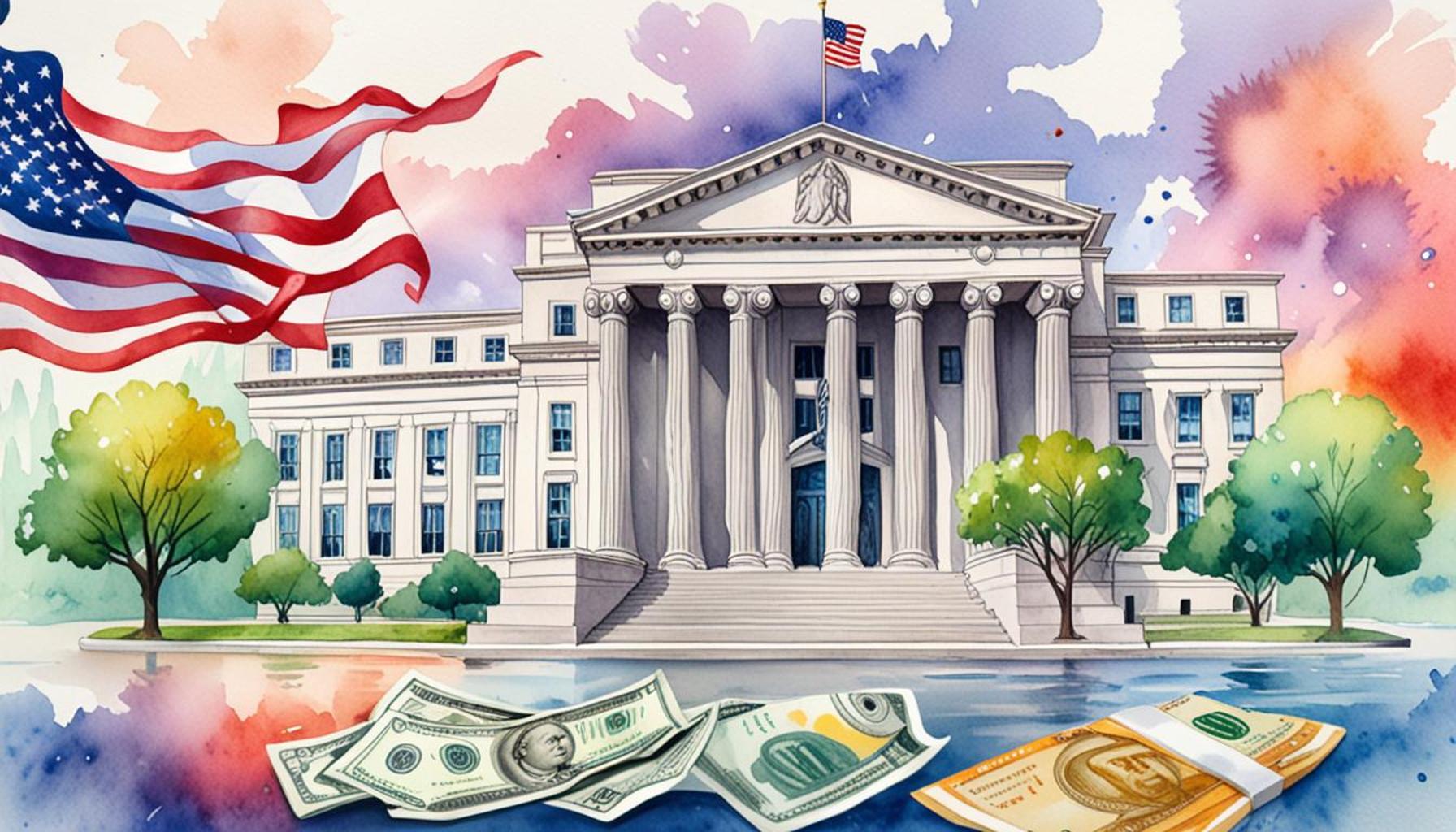
Recent alterations in monetary policy have significant repercussions on the US banking sector. These changes not only shape the economic landscape but also impact how we manage our personal finances. As the Federal Reserve adjusts its monetary tools in response to economic fluctuations, consumers and investors alike should stay informed about the implications of these policies.
As financial institutions adapt to new policy measures, it is vital to grasp the dynamics at play. Here are some key influences to consider:
- Interest Rates: Fluctuating rates can dramatically affect both loans and savings. For instance, when the Federal Reserve raises interest rates to combat inflation, individuals may find that borrowing costs increase. This means higher monthly payments for mortgages and car loans, while on the other hand, higher rates might lead to increased savings interest, allowing your funds to grow more robustly over time. Understanding this relationship helps you make astute choices regarding when to borrow and when to save.
- Inflation Controls: Actions taken to manage inflation, such as adjusting rates and reserve requirements, can directly alter lending practices. For example, if inflation runs high, banks might tighten their lending criteria to mitigate risk, making it harder for individuals to secure loans. Conversely, lower inflation generally allows banks to open up lending to more consumers, potentially stimulating economic growth. Knowing how these cycles impact credit availability is essential for anyone planning major purchases or investments.
- Reserve Requirements: Changing reserve requirements set by the Federal Reserve influence how much capital banks must hold versus how much they can lend. When requirements are lowered, banks possess more liquidity, which can lead to an increase in loans, home buying, and spending. In contrast, higher reserve requirements might restrict lending, which can slow economic activity. Awareness of these shifts can help you time your financial moves, such as seeking loans or making investments, more effectively.
Understanding these elements empowers you to make informed financial decisions. Awareness leads to better savings strategies and smarter investment choices. For instance, if you recognize that interest rates are expected to rise, you might prioritize paying down variable-rate debt before your financial obligations increase. Similarly, understanding inflation trends could encourage you to invest in assets that traditionally perform well during inflationary periods, such as real estate or commodities.
Being proactive and educated about these shifts will not only enhance your financial literacy but also motivate you to take control of your financial future. By staying attuned to monetary policy changes and their ramifications, you position yourself to adapt quickly and make choices that enhance your financial standing. Remember, every small, informed decision contributes to a larger strategy for financial health and security. Embrace the opportunities to strengthen your financial position in a constantly evolving banking environment, and watch how these changes create pathways toward achieving your financial dreams.
DISCOVER MORE: Click here for easy application tips
The Ripple Effects of Interest Rate Adjustments
The landscape of the banking sector is profoundly influenced by interest rate adjustments. When the Federal Reserve implements changes to the federal funds rate, it sends ripples throughout financial institutions, impacting everything from consumer loans to savings accounts. Understanding these shifts is crucial for individuals looking to navigate their financial futures wisely.
Higher interest rates can be a double-edged sword. While they often signify a healthy economy, they can also result in increased costs for borrowers. Here’s what you should keep in mind regarding these changes:
- Cost of Borrowing: As interest rates rise, the cost of borrowing becomes more expensive. Mortgages, personal loans, and credit card interest rates tend to climb, which can push individuals to reconsider their borrowing plans. If you’re eyeing a new home or planning to make a significant purchase, higher rates might urge you to act sooner rather than later to lock in lower payments.
- Savings Opportunities: While higher borrowing costs can be daunting, they often lead to better returns on savings accounts and fixed deposits. With financial institutions eager to attract deposits, you may find that banks offer more enticing rates on savings, CDs, and money market accounts. This presents a prime opportunity to grow your savings in a strategic manner.
- Lending Practices: In an environment of rising rates, banks may tighten their lending criteria. This means that less-qualified borrowers might find it harder to secure loans, as banks become more cautious in their lending decisions. Understanding this tendency can prepare you for potential obstacles if you’re seeking a loan during these times.
As consumers, these changes compel us to reassess our financial strategies continually. For example, if you anticipate that interest rates will continue to rise, it may be wise to prioritize paying down existing debt, particularly those with variable rates. By doing so, you can safeguard against future increases that could create an unsustainable financial burden.
The relationship between interest rates and our personal bottom line cannot be understated. This awareness cultivates a proactive approach towards financial planning and can significantly impact your long-term wealth and stability. Each decision—from how much to borrow to when to save—will shape the financial landscape of your life.
Furthermore, being proactive allows you to capitalize on potential advantages. For instance, if savings rates are climbing, consider funneling more money into savings vehicles that will provide a better return. By adapting your strategies based on monetary policy changes, you empower yourself to build a more secure financial future.
In a rapidly changing environment, the ability to navigate your finances wisely is more critical than ever. The ripple effects of interest rate adjustments can create both challenges and opportunities; understanding these dynamics is the first step in transforming potential hurdles into stepping stones towards your financial aspirations. Embrace this knowledge and let it guide you as you forge ahead into a more stable and prosperous financial future.
DISCOVER MORE: Click here to dive deeper
The Banking Sector’s Response to Economic Signals
In addition to adjusting interest rates, the Federal Reserve utilizes various monetary policy tools, such as quantitative easing and forward guidance, to steer the economy. These strategies have a profound impact on the banking sector, setting off a chain reaction that can define the operational and growth landscape of financial institutions.
Quantitative Easing (QE), a policy employed during times of economic distress, involves the purchase of government securities and mortgage-backed securities to inject liquidity into the economy. While aimed at stimulating spending, this tactic can lead banks to reevaluate their risk appetites. As they accumulate excess reserves, banks often seek opportunities for investment instead of merely holding onto cash. This can foster the growth of new lending products, ultimately influencing the overall credit availability for consumers and small businesses. If you’re a business owner contemplating expansion, the effects of these policies could mean lower competition for loans, opening doors for more accessible financing options.
Moreover, the high liquidity provided by QE can result in banks lowering their lending standards to entice borrowers, particularly during initial phases in which economic recovery appears promising. However, this can also ignite a cautious stance among banks later, as they recalibrate their approaches in response to fluctuating economic indicators. Being aware of these developments can bolster your understanding of the opportunities and pitfalls present in the lending landscape.
Regulatory Shifts and Their Impact
Recent changes in regulatory measures, often driven by shifts in monetary policy, also play a crucial role in shaping the banking sector’s trajectory. Enhanced regulation—often a reaction to past financial crises—has made compliance a significant focus for banks, altering how they operate and interact with consumers. Understanding these regulations can empower you as a consumer to ask informed questions and seek the best financial products available.
The introduction of regulations like the Dodd-Frank Act aimed at increasing transparency and stability in the financial system has created both challenges and new industry norms. Banks are now required to maintain higher capital reserves, instilling a sense of safety for depositors but potentially leading to higher fees and stricter terms on loans. This awareness can help you negotiate better terms or find alternative financial institutions that prioritize customer service alongside compliance.
Digital Transformation Driven by Policy Changes
Lastly, as monetary policy shifts, we are witnessing a rapid digital transformation within the banking sector. The urgency for contactless services and online banking solutions became even more pronounced during the pandemic. This transformation isn’t simply a response to public preferences but is also influenced by monetary policy aimed at fostering economic resilience. As banks digitize their services to reduce costs and streamline operations, you benefit from more efficient and flexible banking solutions.
The evolution of fintech companies, fuelled by changes in monetary policy, has also democratized access to financial services. With innovative platforms offering peer-to-peer lending, mobile banking, and investment opportunities, you have more resources at your fingertips than ever before. Engaging with these technologies allows you to take control of your financial destiny, enabling you to maximize your returns and minimize unnecessary fees.
As monetary policy continues to evolve, staying informed and adaptable is crucial. The changes you witness in the banking sector are not just abstract movements in the economy; they have real-world implications for your financial life. Embrace these dynamics, and let them guide you to make decisions that enhance your stability and future prosperity.
DISCOVER MORE: Click here for a step-by-step guide
Embracing Change in the Banking Landscape
In conclusion, the landscape of the US banking sector is undeniably shaped by the evolving strategies of monetary policy. As we have explored, tools like quantitative easing and regulatory shifts not only drive the operations of banks but also redefine the relationship between financial institutions and consumers. These policies create a dynamic environment where opportunities for financing and investment continually emerge, encouraging both individuals and businesses to adapt and evolve.
Moreover, the digital transformation within banks is a testament to the resilience and innovation prompted by these monetary changes. The rise of fintech has empowered consumers by opening new avenues for accessing financial services, from real-time mobile banking to peer-to-peer lending. As a result, you now have more choices than ever to take charge of your financial destiny. However, with this empowerment comes the responsibility to remain informed and navigate the complexities of your financial options wisely.
As you reflect on these developments, consider how they relate to your own financial journey. By understanding the mechanisms underpinning monetary policy, you can make informed decisions that enhance your financial well-being. Embrace these changes as opportunities for growth—whether it’s negotiating better terms on loans or exploring digital financial solutions. Your engagement in this evolving landscape is vital; it not only secures your future but also contributes to a more robust and thriving economic environment in the United States. Together, let’s embark on this journey towards financial empowerment and stability.