How Augmented Reality is Changing the Investment Experience
Transforming the Investment Landscape
In an era where traditional methods of investing, such as spreadsheets and market analyses, have dominated the financial scene, technology is steering the ship towards a new course. The rise of augmented reality (AR) is significantly reshaping how investors perceive, analyze, and engage with their portfolios. By merging digital data with the physical world, AR offers a revolutionary way for individuals to interact with financial information, enriching their investment experiences.
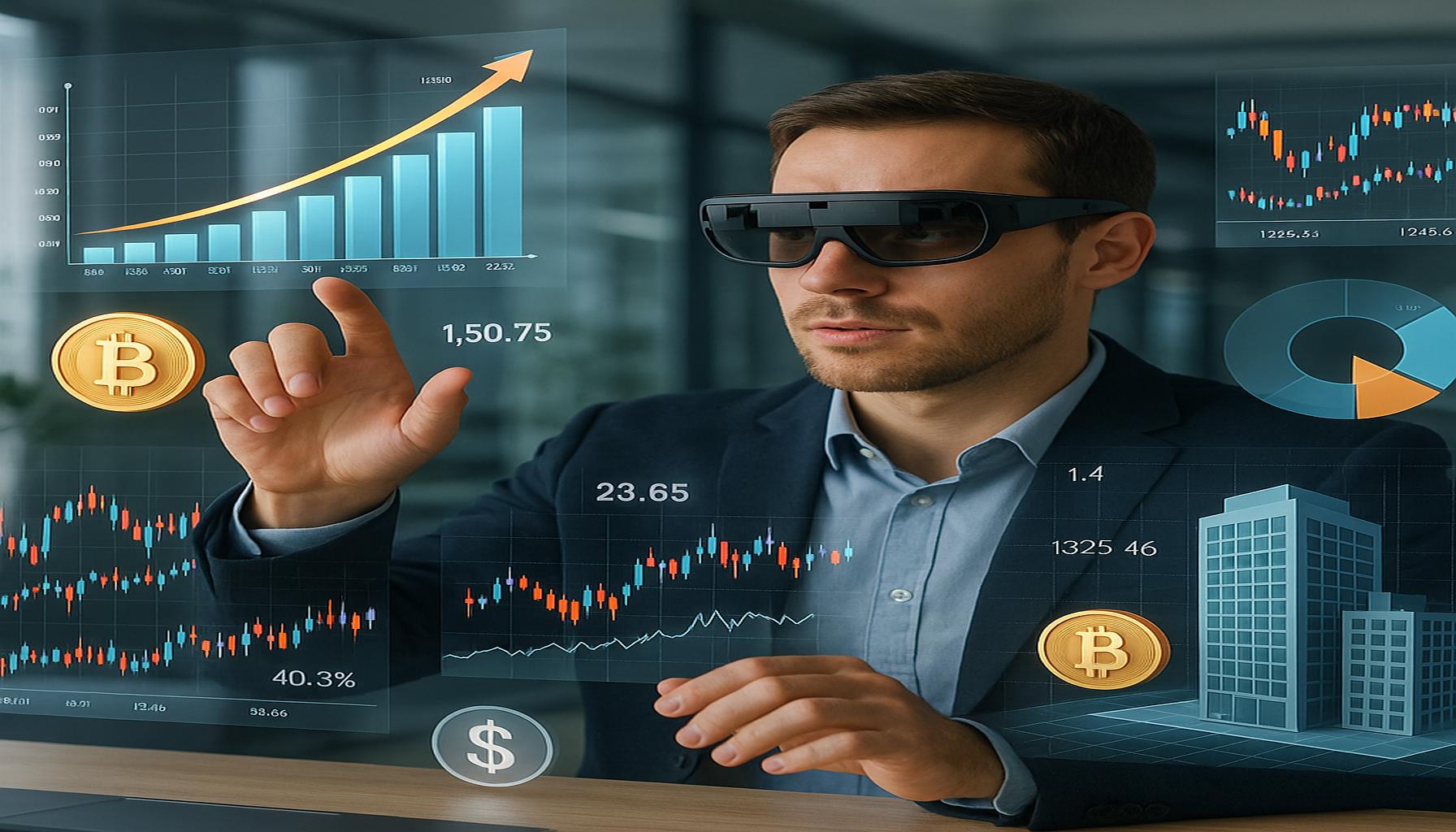
Imagine walking down the street while wearing AR glasses that project real-time stock prices and trends onto buildings as you pass. You can stare into a vacant lot and visualize the potential value of a property, seeing what it might look like under development or the future appreciation of property values in a neighborhood. These are not just dreams; they could soon be typical scenarios as AR technologies develop and penetrate the financial landscape.
Key Innovations in Augmented Reality Investment
- Visual Data Interpretation: With AR, investors can engage with 3D visualizations of their portfolios instead of merely examining flat data on a screen. For instance, they can view dynamic graphs that present not only historical trends but also predictive analytics that draw from AI models. This deeper understanding of market patterns can influence key investment choices.
- Enhanced Property Visualization: In the realm of real estate, AR is a game changer. Investors can use AR applications to conduct virtual walkthroughs of properties, allowing them to examine features in detail, such as landscaping, structural integrity, and interior design. This technology minimizes the need for physical visits, thus saving time and resources while providing a comprehensive analysis of potential investments.
- Informed Decision-Making: The immersive experiences provided by AR can significantly accelerate decision-making processes for investors. By visualizing various scenarios of their investments—such as potential market shifts or economic crises—investors can adapt their strategies on-the-fly. For instance, an AR tool might simulate the effects of a sudden interest rate hike on mortgage repayments, enabling investors to vacillate their portfolios swiftly.
The incorporation of AR in finance creates an engaging platform that appeals to both seasoned investors and those new to the investment arena. It promises to democratize investment opportunities by making complex data more accessible and digestible for everyone. As AR technology continues to evolve, it will undoubtedly unlock new avenues for immersive investment journeys, effectively minimizing barriers and making it easier for newcomers to learn the ropes of investing.
In the United States, a plethora of fintech companies are at the forefront of this transformative movement, harnessing AR innovations to upgrade user experiences. For example, applications such as Bloomberg’s AR analytics enable investors to visualize stock market trends with unprecedented clarity. Moreover, programs that simulate the economic repercussions of various fiscal decisions provide users with the foresight they need to navigate the complexities of investment effectively. The future is vibrant and full of possibilities as AR reshapes how investors make choices in a fast-paced economy.
With the dawn of AR in investing, the pathways to informed investment experiences are expanding rapidly, heralding an exciting chapter for financial engagement. As this technology proliferates, it not only promises to enhance the investment landscape but also to inspire a wider array of individuals to participate in financial markets—opening doors to a democratized financial future.
Innovative Applications of Augmented Reality in Investment
The transformative effects of augmented reality (AR) are being felt across various sectors, but perhaps none more so than in the realm of investment. As AR technology becomes more accessible and affordable, its applications are paving the way for a new, dynamic landscape where financial decisions become not just easier but significantly more interactive. This evolution is particularly noteworthy in how investors gather information, assess risks, and envision potential opportunities.
One of the core advantages of AR in investment is the ability to facilitate interactive learning and training. Investors, especially those stepping into the field for the first time, often feel overwhelmed by the intricacy of financial data. AR offers a solution by creating immersive educational experiences that demystify investment concepts and strategies. For example, platforms leveraging AR can simulate market scenarios where users can visualize how different economic factors influence stock performance. This not only enhances understanding but also fosters a greater sense of confidence in making informed investment decisions.
Moreover, AR empowers investors with real-time data integration displayed in engaging formats. Traditional data presentations through spreadsheets may become obsolete as users expect more intuitive ways of engaging with information. With AR, investors can overlay stock prices, market trends, and even economic news onto their physical environment. Imagine sitting in a café and promptly receiving a pop-up visualization of stock performance and news that could impact your portfolio as you sip your coffee. This instant access fosters a proactive approach to investment management, allowing investors to act swiftly in response to real-time data.
- Risk Assessment Through Simulations: One of the most compelling applications of AR involves its ability to create risk assessment simulations. Investors can visualize market fluctuations and their potential impacts on investment portfolios through AR, allowing them to scope out investment strategies with greater foresight. For instance, utilizing AR applications enables investors to simulate a hypothetical market downturn and gauge the resilience of their portfolios in various scenarios before making any crucial decisions.
- Personalized Financial Insights: AR technology also has the potential to deliver tailored financial insights. By analyzing individual investment patterns and preferences, AR applications can provide personalized alerts and recommendations to users, suggesting actionable steps to optimize their investment strategies. This customized approach enhances the user experience and assists investors in identifying opportunities that align with their financial goals.
- Collaboration and Networking: The collaborative aspects of investing are enhanced by AR as well. Investors can engage in virtual meetings, exploring investments together and visualizing data alongside peers, no matter where they are located. This fosters a sense of community and support, vital for anyone new to investing and seeking guidance.
As augmented reality continues to evolve, its potential to reshape the investment experience is becoming increasingly evident. The combination of educational tools, real-time data handling, risk simulations, personalized insights, and enhanced collaboration offers a comprehensive framework for investors. This emerging landscape not only enriches the way investments are conceptualized and analyzed but also empowers users to approach finance with a modern, informed perspective. In an industry often characterized by complexity, AR is unlocking an interactive path that can lead to smarter and more strategic investment choices.
The Future of AR in Investment: Bridging Gaps and Enhancing Engagement
As we look forward, the influence of augmented reality (AR) on the investment landscape is set to deepen beyond its current applications. With advancements in technology and increasing user familiarity, AR can now bridge critical gaps often seen in traditional investment strategies, particularly in enhancing user experience and fostering deeper engagement. One such transformative aspect is the incorporation of gamification techniques that creatively encourage investment learning and participation.
Investing is often perceived as a serious endeavor, which can intimidate new entrants. However, AR’s potential to gamify the investment experience opens doors to a more engaging approach. Platforms can create scenarios where users earn rewards by completing educational challenges, such as navigating through threshold market movements or identifying lucrative investment options. By integrating point systems, leaderboards, and virtual trophies, users are motivated to enhance their knowledge while enjoying the process. For instance, a user who successfully navigates a virtual stock market competition can not only gain insights into investment strategies but also earn virtual currency to trade or access premium features, seamlessly blending education with investment practice.
Additionally, the integration of social media elements within AR investment applications enhances community bonding among investors. Users can share experiences, discuss strategies, and collaborate on investment projects in a virtual environment. This social dimension gives rise to an interactive platform where novice and seasoned investors can gather in a virtual investment lounge, promoting mentorship and community growth. This interconnectedness breaks down geographical barriers, leading to a rich exchange of knowledge and building a more inclusive investment community across the United States.
Moreover, as remote work becomes the norm, AR enables an engaging environment that can mimic in-person meetings. Imagine conducting an investment analysis session with colleagues virtually, each equipped with AR headsets that project animated graphs and bulk data analyses onto a shared virtual workspace. This not only enhances collaboration but also replicates the physical interaction essential for brainstorming and decision-making. Such immersive environments could lead to more effective discussions around portfolio management and help in cementing relationships in an industry that thrives on networking.
Accessibility to Diverse Investment Options is another area where AR is significantly expanding horizons. With AR applications showcasing real estate opportunities, art investments, and even fractional ownerships in assets, investors can explore and visualize alternative investments previously shrouded in complexity. For example, a potential real estate investor can walk through a virtual property, scrutinizing its features through enhanced visualizations and receiving instant updates on market trends, all while sitting at home. This access democratizes investment opportunities and encourages more individuals to diversify their portfolios beyond conventional stock trading.
- Enhanced Due Diligence: AR can streamline the considerable amount of research necessary for sound investment decision-making. By utilizing AR to visualize financial reports, investors can quickly identify trends and forecast potential outcomes. This enhanced due diligence empowers users to make timely choices that could maximize their returns.
- Personal Branding: As investors build their portfolios, AR technology can allow them to create virtual presentations about their investment journeys, showcasing past successes and future strategies. This can not only elevate their personal brand but also attract potential investors or partners, exemplifying how modern technology is enriching investor profiles.
The advancements brought upon by AR are reshaping the narrative around investment experiences. From gamification and social interaction to enhanced accessibility, the opportunities presented by this technology are substantial. With a shift towards a more immersive and engaging framework, investors stand to gain not merely from financial returns but also from an enriched, informed experience that reflects the complexities of today’s economic environment.
Conclusion: Embracing an AR-Enhanced Investment Future
The emergence of augmented reality (AR) in the investment sector marks a pivotal shift in how individuals engage with markets and make financial decisions. As this technology evolves, it democratizes investment opportunities, breaks down traditional barriers, and transforms a once-opaque landscape into a dynamic, interactive experience. The incorporation of gamification techniques not only reduces the intimidation factor for novice investors but also encourages lifelong learning through engaging challenges that make investing enjoyable. Meanwhile, the integration of social media fosters a sense of community, allowing for collaboration and mentorship across various experience levels, ultimately enriching the investment journey.
Furthermore, AR’s ability to provide a realistic visualization of diverse investment options empowers investors to make informed choices by offering insights that were previously difficult to access. The ability to conduct immersive virtual meetings ensures that, even in a remote work environment, professionals can maintain productivity and collaboration with ease. With enhanced due diligence processes and personal branding opportunities at their disposal, investors now have the tools to create well-rounded investment narratives that resonate within a connected community.
In conclusion, AR is not merely a technological trend; it represents a fundamental shift in the investment experience. As investors across the United States and beyond embrace these innovations, they are likely to benefit not just from improved returns but also from a richer and more informed understanding of their investments. The future of investing is set to be more inclusive, engaging, and insightful, with augmented reality leading the way.