How Artificial Intelligence Is Transforming Stock Trading
Transformative Role of AI in Stock Trading
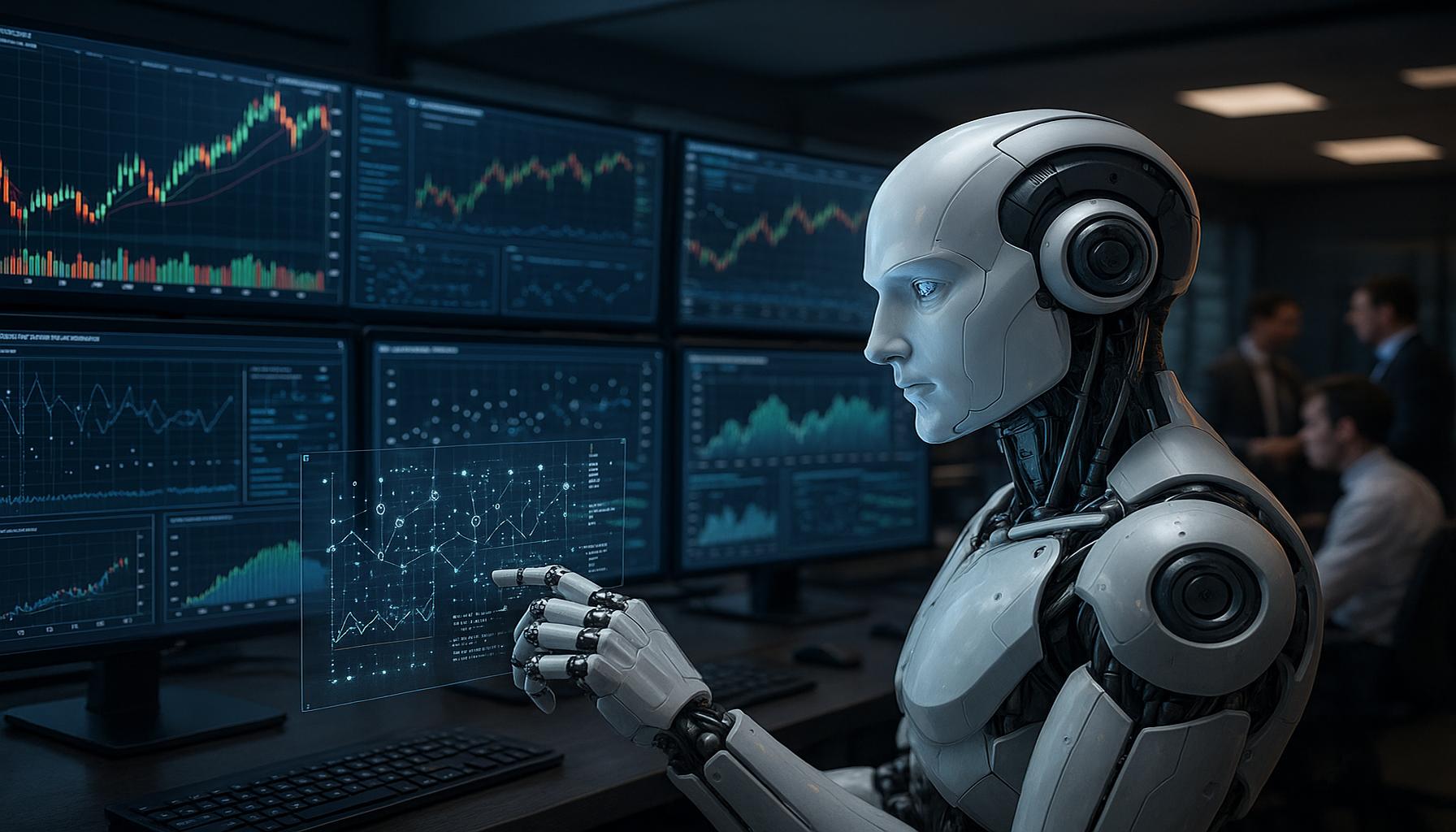
In the realm of stock trading, the integration of artificial intelligence (AI) has revolutionized how investors and traders operate. With technological advancements continually reshaping financial markets, traders now have access to a suite of powerful tools that enhance their decision-making capabilities. This transformation is not just superficial; it fundamentally alters the way traders interact with market data, making processes faster and more accurate.
Enhanced Data Analysis
One of the most significant advantages of AI in stock trading is its data analysis capability. Traditional methods of analyzing market data often involve manual efforts that can be time-consuming and subject to human error. In contrast, AI algorithms can rapidly process vast amounts of data, identifying complex patterns and trends that may go unnoticed by the human eye. For instance, AI can analyze thousands of financial news articles, social media posts, and even earnings reports in seconds, drawing important insights on how public sentiment could influence stock prices.
Predictive Analytics: Looking Ahead
Predictive analytics, powered by machine learning, is another domain where AI shines. By examining historical trading data and current market conditions, these algorithms can forecast potential stock trends with remarkable accuracy. For example, a machine learning model might analyze the stock performance of tech companies during previous economic downturns and use that data to predict how a current downturn might affect similar stocks. This capability allows traders to make proactive decisions, potentially saving them from significant losses.
Algorithmic Trading: The Automated Advantage
Algorithmic trading is yet another innovation spurred by AI. With automated trading systems, trades can be executed at lightning speed based on pre-set criteria, optimizing entry and exit points. This real-time execution minimizes the risks of human emotion influencing trading decisions. A vivid example is high-frequency trading (HFT), where firms deploy AI systems to execute thousands of trades in fractions of a second, capturing small price inefficiencies that would be impossible for human traders to seize.
Visual Tools and Real-Time Insights
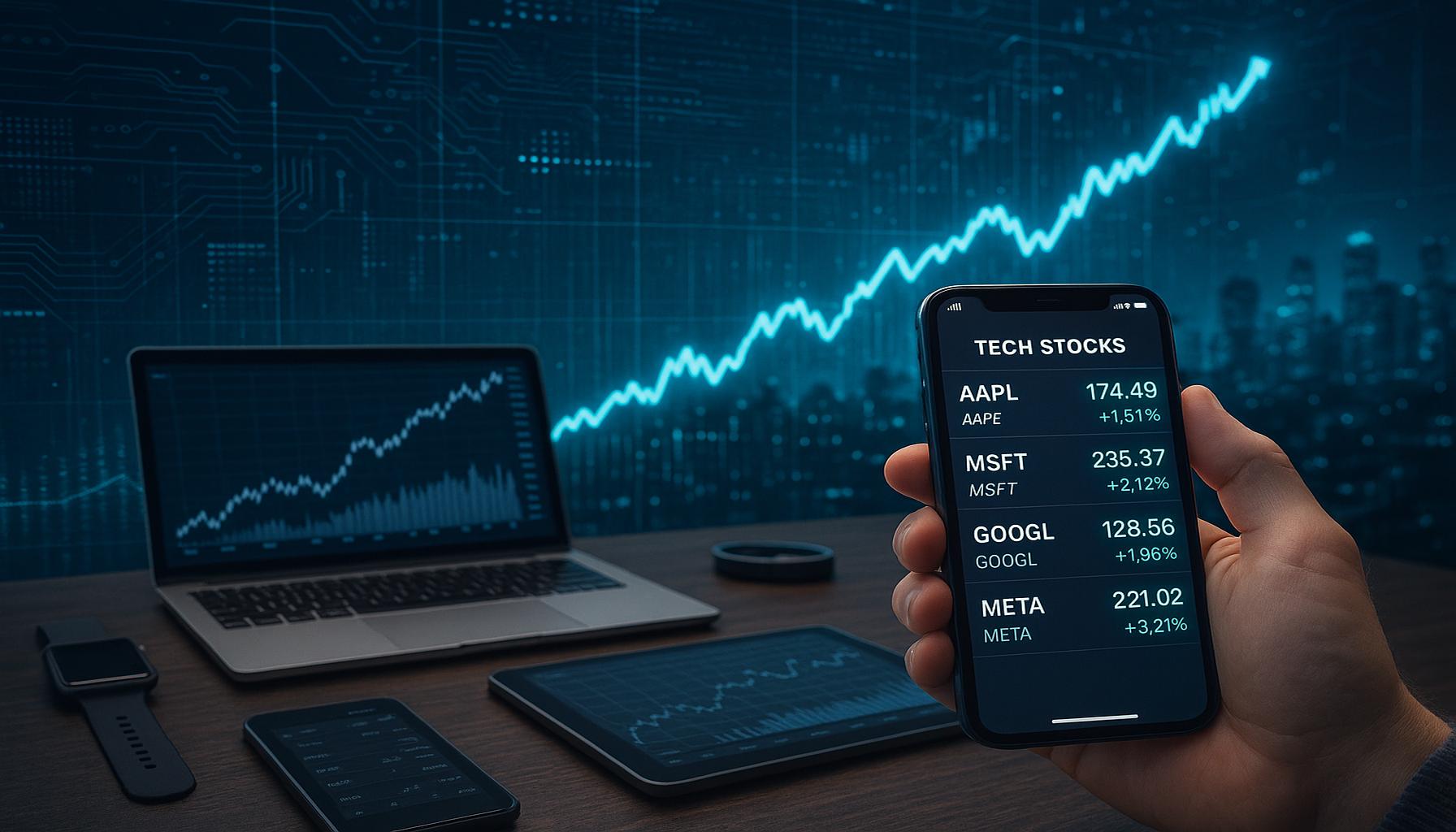
Moreover, AI technology has birthed sophisticated visualization tools that transform complex data sets into intuitive graphics. These visual aids assist both novice and seasoned traders in understanding market dynamics at a glance. Instead of sifting through rows of numbers, traders can use interactive dashboards that highlight key information. Real-time insights also empower traders to react swiftly to market fluctuations, improving their tactical approaches in volatile environments.
The Future of Investing
As we consider the implications of these advancements, it becomes clear that AI is not just a fleeting trend; it is set to redefine the future of investing. The harmonious blend of technology and finance offers opportunities for smarter trades and informed investment strategies. With such tools at their disposal, traders are better equipped to navigate the complexities of modern markets, ensuring they remain competitive in an evolving landscape. Understanding and embracing these AI-driven changes will be crucial for anyone looking to thrive in the world of stock trading.
Revolutionizing Stock Trading with AI Capabilities
Artificial intelligence is not just a buzzword in the financial world; it is an increasingly vital component of stock trading that is transforming how investors approach the markets. Traders today are no longer reliant solely on instinct or manual analysis, thanks to the rise of AI technologies that provide invaluable support. This evolution has led to a more informed, efficient, and systematic approach to trading, thereby enhancing overall investment strategies.
Advanced Pattern Recognition
One of the remarkable benefits of AI in stock trading is its advanced pattern recognition. Traditional analysts often find it challenging to identify trends or anomalies when processing extensive datasets. AI, however, can sift through enormous volumes of data with ease, using algorithms that excel at spotting unusual market activities. For instance, an AI system can scan real-time trading data to highlight stocks that deviate from their historical price patterns, signaling potential trading opportunities. By recognizing these patterns faster than any human analyst, AI can aid traders in capitalizing on short-lived market movements.
Risk Management Optimization
Effective risk management is crucial in ensuring the sustainability of trading strategies, and here, AI shines by providing optimized risk assessment. AI models can evaluate various market scenarios, identifying the probable risks associated with different trades. By simulating thousands of market conditions, these systems help traders understand the potential downside of their investments. For example, traders can utilize AI to create scenarios based on their portfolios, assessing factors like market downturns, sector performance, and geopolitical events. This insight allows traders to make informed decisions, potentially averting significant losses during market volatility.
Sentiment Analysis: Gauging Market Mood
In today’s interconnected world, where market sentiment can shift rapidly based on news, social media, and economic indicators, sentiment analysis has become an essential tool for traders. AI leverages natural language processing (NLP) to analyze vast datasets, including news articles, tweets, and financial reports, to gauge public sentiment around a stock or sector. For example, if a popular tech company announces a breakthrough product and social media buzz surges, AI can quickly measure the tone of this discourse to provide insights on potential stock price movements. This can effectively enable traders to anticipate reactions in the market, thereby positioning themselves advantageously ahead of time.
Types of AI Applications in Trading
To navigate the dynamic landscape of stock trading, various applications of AI are employed by traders. Some notable types include:
- Robo-Advisors: Automated platforms that provide investment management services with minimal human intervention.
- Chatbots: AI-driven assistants that provide traders with real-time information and help answer queries.
- Market Forecasting Tools: AI models that predict price movements based on historical data and current market conditions.
- Trade Execution Algorithms: Systems that optimize trade execution to minimize costs and enhance profitability.
The Competitive Edge
Traders who harness the power of AI gain a significant competitive edge in the stock market. By leveraging data-driven insights and automation, they can make more informed decisions quickly, adapting to shifting market conditions effectively. As AI technology continues to evolve, it is likely that we will see even more innovative solutions that enhance traders’ capabilities and revolutionize the landscape of stock trading.
Enhancing Trading Efficiency and Accuracy with AI
As the financial markets grow ever more complex, the need for efficiency and accuracy in stock trading becomes paramount. Artificial intelligence is stepping in to streamline operations and minimize errors, enabling traders to navigate these complexities with confidence. Let’s explore how AI is enhancing trading processes and increasing efficiency in ways that were previously unimaginable.
Algorithmic Trading and Speed
Algorithmic trading—the use of automated techniques to execute trades at high speeds—has taken the market by storm, and AI is at the center of this revolution. These algorithms are designed to analyze market conditions and execute trades faster than a human could ever react. For instance, if a certain stock hits a specific price threshold, an algorithm might execute a buy order in milliseconds, enabling traders to take advantage of market opportunities that might last only seconds. This capability is particularly vital in high-frequency trading, where the speed of execution can mean the difference between profit and loss.
Personalized Trading Strategies
AI can also assist in developing personalized trading strategies based on individual investor goals, risk tolerance, and market conditions. By analyzing historical data and patterns relative to a specific trader’s investment behavior, AI can suggest tailored strategies that fit their unique profile. For example, a trader with a high-risk tolerance may benefit from an aggressive approach targeting volatile stocks, while a conservative investor could receive recommendations emphasizing stable, less volatile investments. This level of personalization helps traders align their investments with their financial goals more effectively.
Predictive Analytics for Market Trends
Another significant advantage of AI is its ability to employ predictive analytics to forecast future market trends. Through sophisticated machine learning models, AI examines patterns in historical data and can make predictions on future price movements. For example, stock prices may rise or fall based on economic indicators such as unemployment rates or inflation data. AI can process this vast array of information and highlight potential trends, providing traders and investors with actionable insights. This predictive power allows for proactive decision-making, giving traders the chance to enter or exit positions before significant market movements occur.
Reduction of Emotional Bias
Human emotions often derail investment strategies, leading to impulsive decisions that can have devastating financial consequences. AI, in contrast, removes emotional bias from trading decisions. By relying solely on data and historical patterns, machine learning models execute trades based on logic rather than gut feelings. For instance, in a case where a trader might panic sell during a market dip, AI can provide objective assessments based on statistical analysis, recommending a hold strategy instead. This impartial approach helps maintain discipline, ultimately leading to better investment outcomes.
Collaboration with Human Traders
It’s essential to recognize that AI does not replace human traders; instead, it complements their expertise. Collaborative trading environments that integrate AI tools allow traders to leverage data-driven insights while applying their instinct and market knowledge. Traders can use AI-generated reports and analytics to supplement their decision-making process, ensuring they remain engaged in the market dynamics while benefiting from the efficiencies AI brings to the table. As AI continues to advance, the synergy between technology and human insight will form the backbone of the future of stock trading.
Conclusion
In summary, artificial intelligence is profoundly reshaping the landscape of stock trading, offering unprecedented levels of efficiency, accuracy, and personalization. From algorithmic trading that executes orders at lightning speeds to predictive analytics that forecast market trends, AI equips traders with powerful tools to make informed decisions. Furthermore, by crafting personalized strategies and reducing emotional biases, AI empowers both seasoned investors and newcomers to align their trading approaches with their financial objectives more effectively.
As we move into an era where the synergy between human traders and AI technologies becomes increasingly vital, it is crucial to recognize that AI is a collaborative partner, not a replacement. This collaborative environment enables traders to leverage their insights while utilizing AI’s data-driven capabilities, fostering a more dynamic and responsive trading experience.
Looking forward, the continuous advancements in AI will likely yield even more innovative tools and strategies that can alter the way we perceive and engage with financial markets. By embracing these technologies, traders can navigate the complexities of today’s markets with greater confidence, ultimately leading to enhanced investment outcomes. As AI continues to evolve, staying informed and adaptable will be key for anyone looking to thrive in the future of stock trading.