Fintechs: how technology is transforming the traditional banking sector
Revolutionizing Finance Through Technology
In recent years, the financial landscape has undergone a dramatic transformation, primarily driven by the rapid progression of technology. The rise of digital solutions and innovations is not just a trend—it represents a fundamental redefinition of how consumers manage their money, make payments, and ultimately interact with financial services. Traditional banks find themselves contending with both profound challenges and extraordinary opportunities as they adapt to this new environment.
The Emergence of Fintech
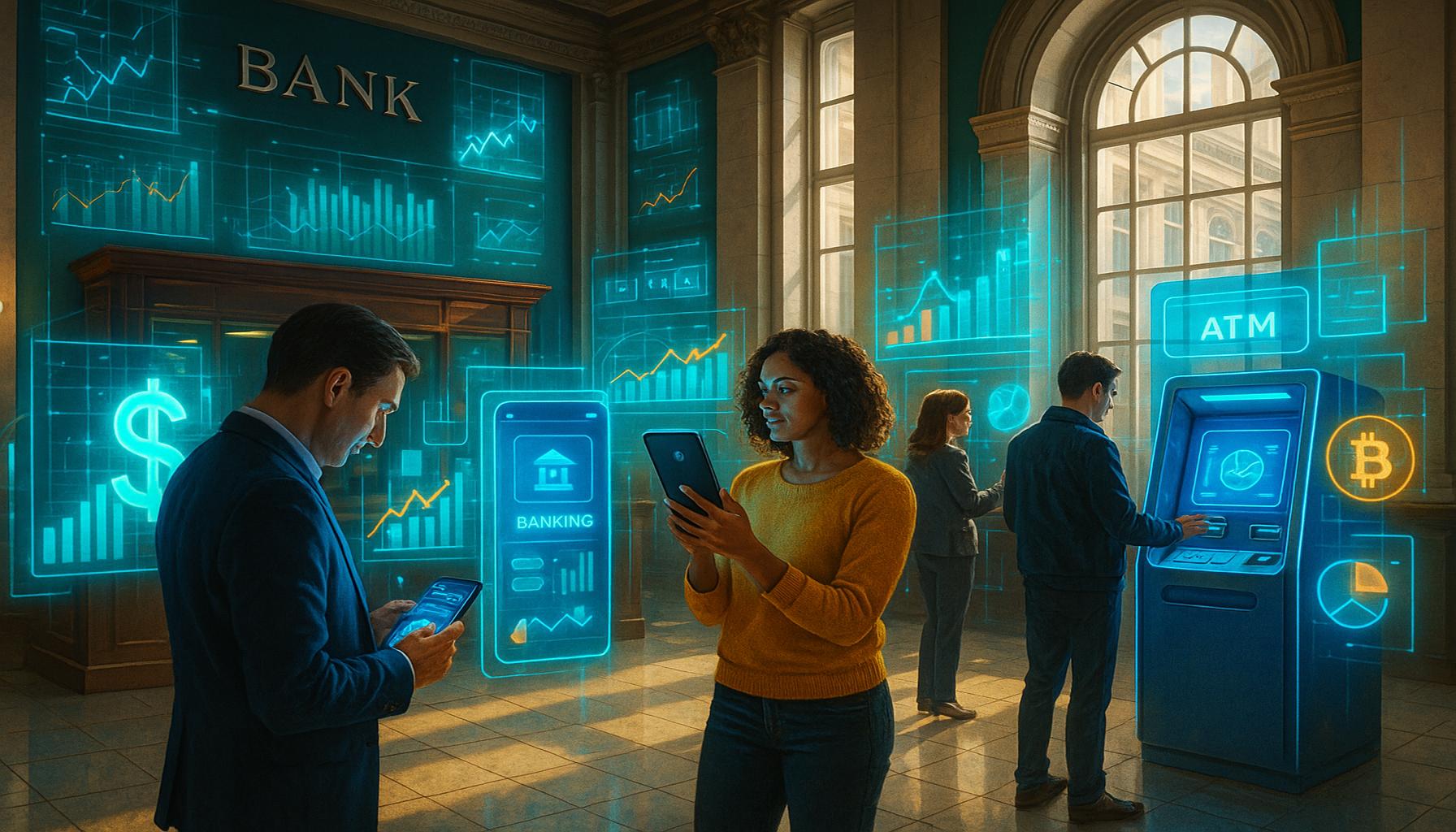
At the center of this financial revolution are fintech companies, which harness cutting-edge technology to deliver streamlined, user-centric services. For instance, the convenience of mobile banking has become a game changer, allowing users to access their accounts, make transfers, and conduct transactions from anywhere in the world at any time. Applications from companies like Chime and Cash App exemplify this trend, as they provide banking tools directly to consumers, often with lower fees and fewer restrictions than traditional banks. This accessibility empowers users, especially younger generations who prioritize the seamless integration of technology in their daily lives.
Another notable innovation is peer-to-peer lending. Platforms such as LendingClub and Prosper connect borrowers directly with individual lenders, effectively circumventing traditional banking intermediaries. This not only makes borrowing easier for those who may have difficulty obtaining loans via conventional routes but also provides investors with opportunities for higher returns. With a growing number of individuals looking for flexible financing options, peer-to-peer lending is rapidly gaining traction and reshaping the lending landscape.
Furthermore, the adoption of blockchain technology adds another layer of security and transparency to financial transactions. Cryptocurrencies like Bitcoin and Ethereum have sparked interest not just among investors, but also within industries looking to establish secure transaction methods. Blockchain acts as a distributed ledger, eliminating the need for intermediaries and significantly reducing the risk of fraud. This increased safety appeals to consumers wary of the risks commonly associated with online transactions.
Challenges Facing Traditional Banking Institutions
The rise of fintech brings with it a myriad of challenges for traditional banks. They are now faced with increased competition from agile startups that can offer lower fees and faster, more efficient services. Many banks are investing heavily into digital transformation initiatives to remain relevant. However, as fintechs are often unburdened by legacy systems, they can innovate much more swiftly, which places significant pressure on established banks to adapt or risk losing market share.
Moreover, customer expectations have shifted dramatically. Users now demand seamless, intuitive digital experiences reminiscent of the user-friendly interfaces offered by tech giants like Apple and Amazon. This has led to a push for banks to enhance their own digital offerings significantly. The new normal for consumers is immediate access and a smooth experience—qualities that can often be taken for granted in sectors beyond finance.
Additionally, regulatory pressure compounds these challenges. Fintechs must navigate a complex regulatory landscape that varies widely across different states in the U.S. Compliance with regulations is crucial, but it can also present hurdles that slow down innovation. Established banks, familiar with the regulatory environment, need to partner with or adopt fintech innovations to ensure compliance while still being competitive.
In conclusion, the emergence of fintech signifies a profound shift in the financial services industry, one that redefines the essence of banking and consumer interactions with money. As technology continues to evolve, the dynamic between traditional banks and fintechs will dictate the future landscape of finance, shaping it to be more inclusive, efficient, and user-friendly than ever before.
A New Era of Financial Services
The emergence of fintech companies has not only introduced innovative solutions but has also catalyzed a shift in consumer behavior towards financial services. One of the most significant impacts of this phenomenon is the way it has democratized access to financial products. Traditionally, banks controlled the lending and borrowing processes, often relying on rigid credit scoring models that could exclude many potential clients. However, fintech firms have revolutionized this landscape by utilizing alternative data points—such as social media activity, utility payment history, and even personal spending habits—to assess creditworthiness. This shift enables them to extend financial services to a broader audience, including those with limited credit histories.
Personal finance management is another domain where fintech excels. Applications like Mint and Personal Capital provide users with tools to track expenses, develop budgets, and even set savings goals, all through user-friendly interfaces. These fintech solutions emphasize the importance of financial literacy, empowering consumers not just with tools but with knowledge to make informed decisions regarding their finances. By transforming personal finance management into a more interactive and engaging experience, fintechs are fostering a more informed consumer base.
Moreover, at the forefront of financial innovation lies the integration of artificial intelligence (AI) and machine learning. Banks are increasingly utilizing AI-driven algorithms to analyze customer data, predict spending patterns, and offer personalized financial advice. These technologies not only enhance customer experience but also streamline internal processes, facilitating quicker decision-making in areas like loan approvals and fraud detection. As AI evolves, traditional banks will need to embrace this technology to stay competitive and relevant in the marketplace.
The options available to consumers today are vast, thanks in part to fintech operators. Here are just a few of the diverse offerings reshaping the financial sector:
- Digital wallets: Platforms such as PayPal and Venmo allow users to conduct transactions electronically, eliminating the need to carry physical cash.
- Robo-advisors: Services like Betterment and Wealthfront provide automated investment advice using algorithms, making wealth management accessible to everyone.
- Insurtech: Insurance technology companies are streamlining traditional insurance processes, allowing users to buy policies and process claims entirely online, with companies like Lemonade leading the way.
While the fintech revolution brings forth numerous advantages, it is not without its challenges. As banks and fintech firms look to collaborate, they must navigate data privacy and security concerns. The ease of digital banking raises questions about the safety of consumer data, urging both sectors to prioritize cybersecurity measures. Furthermore, the rapid pace of fintech innovation necessitates an equally agile approach to regulatory compliance, requiring ongoing dialogue between industry players and regulatory bodies.
Ultimately, as fintech solutions continue to evolve and expand, they compel traditional banks to rethink their approaches. This transformation is not merely about adopting new technologies; it is about creating a more customer-centric banking experience. As consumers become more accustomed to the convenience and accessibility of fintech services, the expectation of high-quality, user-friendly offerings will set the standard for what banking should look like in the future.
Bridge to Financial Inclusion
The role of fintech in bridging the gap for underserved populations cannot be overstated. According to a report from the Federal Deposit Insurance Corporation (FDIC), around 7 million households in the United States are unbanked, meaning they do not have an account with a bank or credit union. Fintech companies have recognized this market gap and have crafted solutions aimed explicitly at financial inclusion. Mobile banking solutions like Chime and Cash App allow users to conduct transactions without the need for a traditional bank account, bringing essential financial services directly to grassroots levels.
Moreover, peer-to-peer lending platforms, like LendingClub and Prosper, have revolutionized the way individuals access loans. By cutting out the traditional bank as the middleman and connecting borrowers directly with investors, these platforms offer more competitive interest rates while simplifying the borrowing process. This model has opened up lending opportunities for those who may have struggled to secure funding through conventional banks, thus democratizing access to credit and enabling many to fulfill personal aspirations—whether it’s starting a small business, purchasing a home, or financing education.
Fintechs are also innovating in the realm of remittances. Companies like Remitly and TransferWise have emerged to facilitate international money transfers at a fraction of the costs charged by traditional banks and wire services. By leveraging digital platforms, these services enable faster transactions, often occurring within a day, and at significantly lower fees. For families relying on remittances from abroad, these fintech solutions represent vital lifelines that ensure quicker and more affordable connections to loved ones.
Enhancing Consumer Experience
The user experience, often seen as the cornerstone of the fintech model, has irrevocably reshaped consumer expectations regarding banking services. Traditional banks, once slow to adopt digital transformation, are now under tremendous pressure to enhance their digital offerings. As an example, banks like JP Morgan Chase have invested heavily in their mobile banking apps, providing features that range from instant fund transfers to budgeting assistance, aiming to keep pace with agile fintech competitors.
Another significant trend is the rise of subscription-based financial platforms that focus on transparency and affordability. Companies like Current and N26 offer subscription models that provide users with additional features, such as higher interest rates on savings accounts and fewer fees, creating a compelling alternative to traditional banking. By prioritizing customer-centric approaches and eliminating hidden fees, these fintech solutions enhance trust and loyalty among users.
The Impact of Regulatory Changes
As the fintech landscape evolves, regulatory changes are also reflective of the growing importance of cybersecurity and consumer protection. The Consumer Financial Protection Bureau (CFPB) has been active in monitoring the fintech sector to ensure that consumers are not left vulnerable amidst innovation. As fintechs push the envelope on what is possible, regulations will need to adapt continually to protect users while fostering innovation. This balance will be crucial in maintaining an environment where both fintechs and traditional banks can coexist, pushing each other toward better service delivery.
In conclusion, the integration of fintech solutions into everyday banking is not just a trend—it’s a foundation for fostering a more inclusive and user-friendly financial ecosystem. While challenges exist, the collaboration between fintechs and traditional banking institutions presents an opportunity to enrich the consumer experience, ultimately reshaping how financial services are perceived and delivered in the modern era.
Embracing a New Era of Banking
The advancement of fintech has heralded a transformative era in the traditional banking sector, aligning modern technology with consumer needs for efficiency, accessibility, and transparency. By bridging gaps in financial inclusion, fintech companies are reshaping the landscape of financial services, ensuring that millions of underserved individuals gain access to essential banking solutions. With user-friendly mobile apps and innovative lending models, these firms have not only simplified financial transactions but have also empowered users to engage with their finances more proactively.
Additionally, the shift towards enhanced consumer experience showcases the necessity for traditional banks to adapt or risk obsolescence. As institutions invest in digital transformation, the competitive spirit between fintechs and conventional banks fosters an environment ripe for innovation, ultimately leading to better services for consumers. The rise of subscription-based financial products highlights a growing trend towards transparency, with customers now enjoying lower costs and more significant benefits.
While regulatory frameworks are adapting to ensure consumer protection within this rapidly evolving landscape, the challenge remains to strike the right balance between safeguarding users and fostering continuous innovation. As we forge ahead, the interplay between fintechs and traditional banks promises to cultivate a financial ecosystem that is not only more efficient but also more inclusive. Ultimately, the integration of these technological advancements signifies a pivotal shift in how we perceive, approach, and experience banking in our daily lives.