Fintechs: how technology is revolutionizing the traditional banking sector
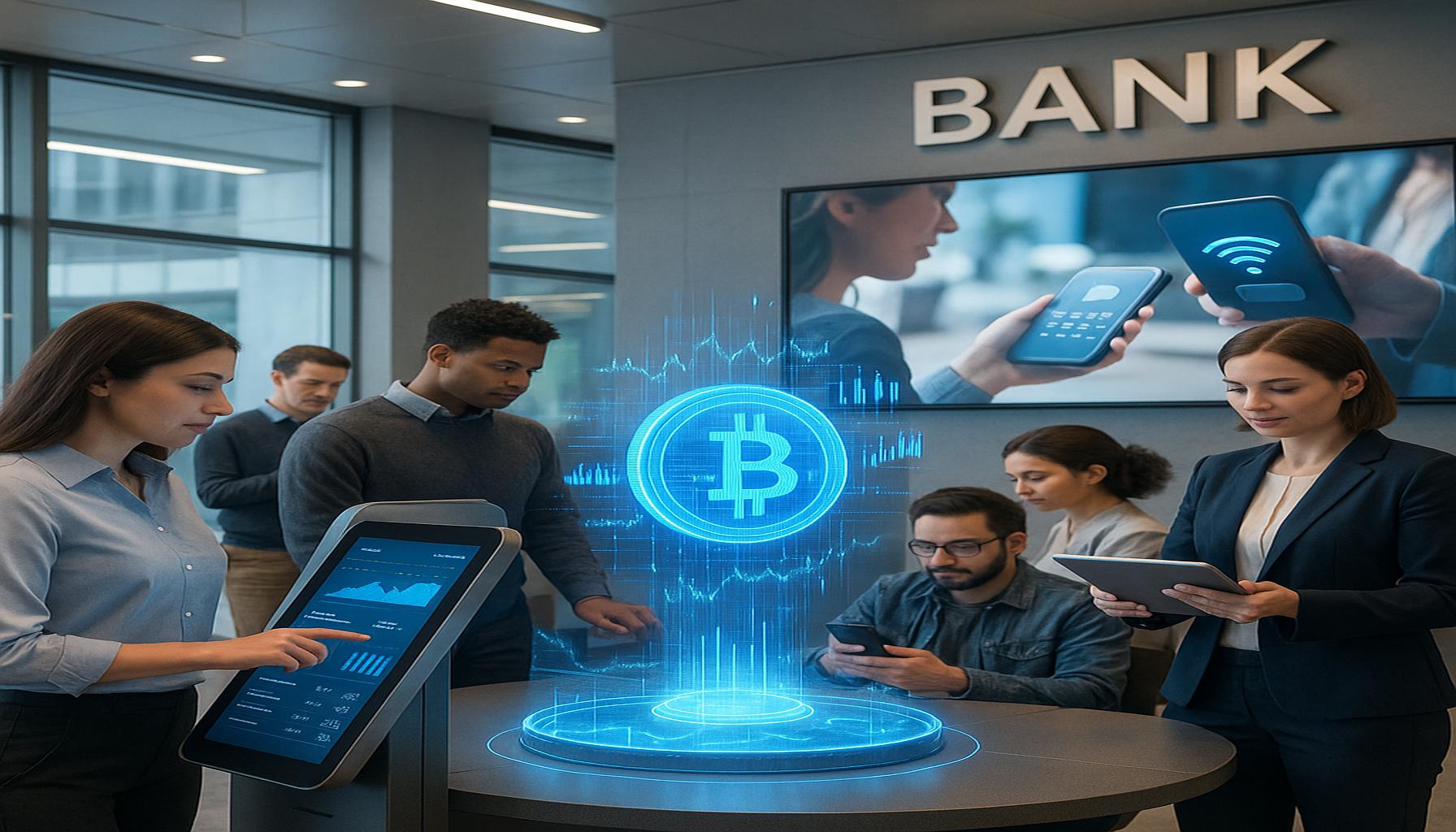
The Transformation of Banking through Technology
The past decade has witnessed a seismic shift in the banking landscape, primarily propelled by the rise of fintech companies. These tech-savvy innovators leverage advanced technology to enhance financial services, making them more efficient and accessible to consumers. With streamlined user interfaces and a focus on customer experience, fintechs are fundamentally changing the way individuals and businesses interact with their finances.
Benefits for Consumers
Consumers today enjoy an array of benefits from these technological advancements, which include:
- Convenience: With mobile banking apps and online platforms, services can be accessed anytime and anywhere. No longer do consumers need to wait in long queues at physical branches or adhere to rigid banking hours. For instance, individuals can transfer funds to friends or pay bills right from their smartphones, often in seconds.
- Lower Costs: Digital-only banks, also known as neobanks, typically offer lower fees and better interest rates than traditional banks. For example, many online banks provide fee-free checking or savings accounts, which can save customers significant amounts over time when compared to the fees associated with brick-and-mortar institutions.
- Enhanced Security: Advanced encryption protocols and biometric authentication, such as fingerprint and facial recognition, have made banking not only more convenient but also safer. These technologies minimize the risk of fraud and unauthorized access to personal accounts, giving users peace of mind.
The Reshaping of Traditional Banking
Furthermore, fintech companies are reshaping traditional banking in several ways:
- Payment Innovations: Services like Venmo, Zelle, and Cash App have revolutionized peer-to-peer transactions. These platforms allow users to send money to friends or make purchases effortlessly, changing the way individuals handle small payments.
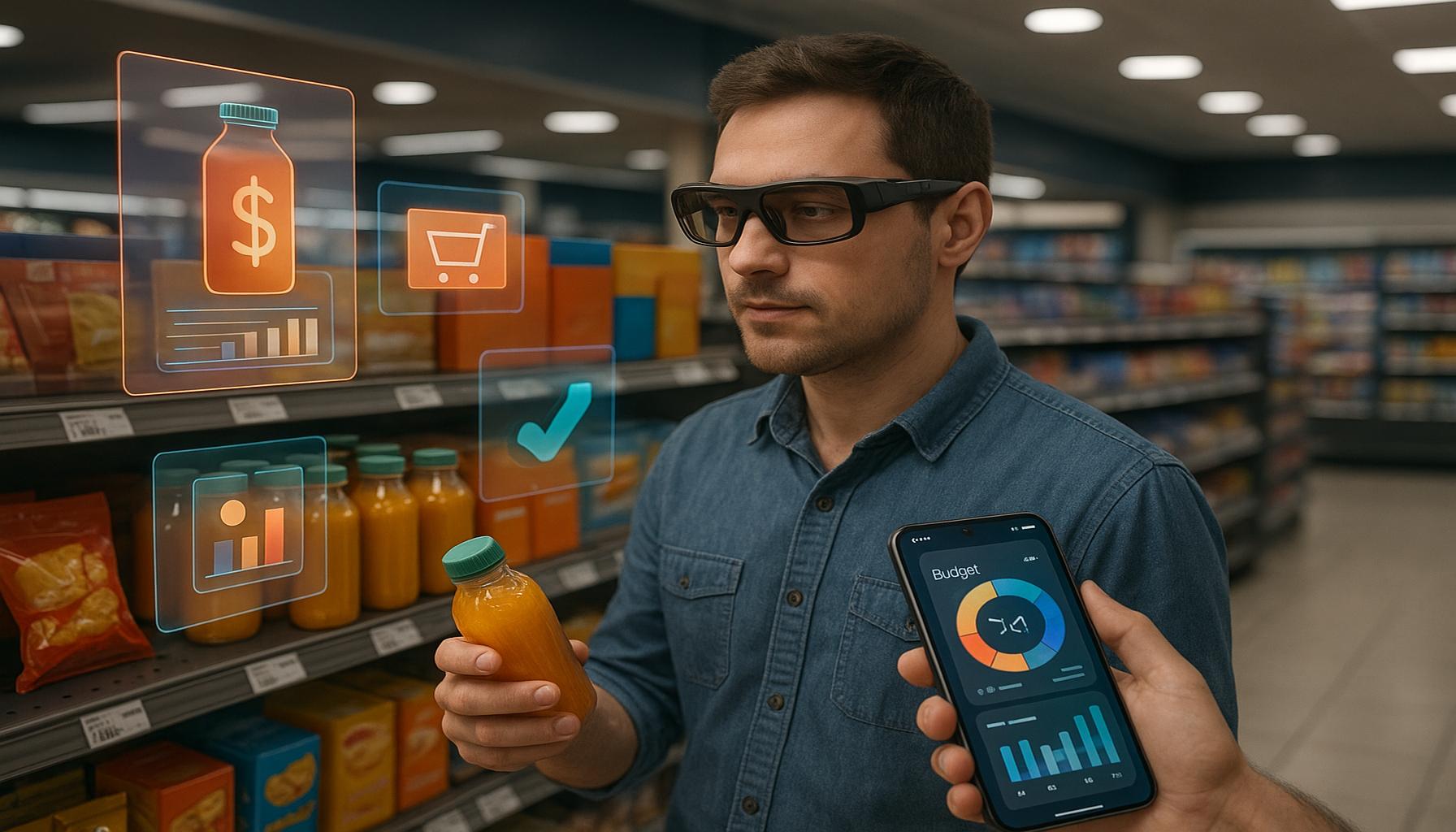
- Personal Finance Management: Many fintech apps, such as Mint or YNAB (You Need a Budget), offer budgeting tools that help users track their spending, set financial goals, and manage investments effectively. This empowers individuals to take control of their financial health like never before.
- Smart Lending Solutions: Artificial intelligence (AI) is behind more efficient lending processes. Instead of lengthy waiting periods for loan approvals, AI-driven credit assessments enable quicker decisions, often within minutes. Companies like Upstart use data algorithms to predict a borrower’s ability to repay a loan, which can be particularly beneficial for those with limited credit history.
A Broader Financial Ecosystem
This evolution in banking is not merely a passing trend; it is a profound shift toward a more inclusive financial ecosystem where technology serves as a bridge to enhanced financial services. By understanding these changes, consumers across the United States can make informed decisions about their financial futures, exploring opportunities that may have previously seemed out of reach. Embracing these innovations can lead to better money management, increased savings, and improved overall financial well-being.
How Fintechs Are Enhancing Banking Services
The rise of fintech companies has not only transformed how consumers access and use banking services but has also driven traditional banks to innovate and adapt. As these tech-based companies continue to develop new solutions, they address common pain points faced by banking customers, thus fostering a competitive environment that benefits everyone.
Increased Accessibility
One of the most significant changes brought about by fintechs is the increased accessibility to financial services. Historically, obtaining a bank account or securing loans could be a cumbersome process fraught with bureaucracy and red tape. However, fintech solutions have streamlined these processes, making banking services available to a wider audience, including those who may have been overlooked by traditional institutions.
- Creating Financial Inclusion: Fintech platforms often cater to underserved communities, offering microloans or low-fee accounts that help individuals who may not have sufficient credit histories to secure traditional banking services. For example, companies like Kiva allow individuals to obtain small loans for entrepreneurship, reinforcing the idea that access to capital should not be a privilege reserved for the affluent.
- Reaching the Unbanked: In a nation as technologically advanced as the United States, a surprising number of people remain unbanked or underbanked. Fintechs empower these individuals by providing easy access to mobile wallets and prepaid cards. This allows users to participate in the economy without the need for a traditional bank account, offering them greater financial autonomy.
Data-Driven Decision Making
Another way fintechs are revolutionizing the banking sector is through the use of data analytics. Banks can now leverage vast amounts of data to make more informed decisions, tailor their services, and better understand consumer behavior.
- Personalization of Services: By analyzing customers’ spending habits and preferences, fintechs can deliver personalized financial products. For instance, an app might analyze your spending patterns and suggest budget adjustments or inform you about financial products that suit your lifestyle.
- Risk Assessment: With the advancement of analytics, credit risk assessments have significantly improved. Fintech companies can assess an applicant’s creditworthiness by utilizing alternative data points, such as social media behavior or online payment history, which can open doors for borrowers often excluded from conventional credit analyses.
The combination of accessibility and data-driven insights offers a glimpse into a future where banking is personalized, efficient, and inclusive. As more fintech solutions emerge, they challenge traditional banks to innovate in ways that prioritize consumer needs and preferences.
Encouraging Digital Adoption
Moreover, fintechs play a crucial role in encouraging digital adoption among consumers. The transition from physical banking to digital forms of accessing and managing finances is not just about convenience; it is also a necessary evolution that aligns with the technological advances of our time.
This growing acceptance of digital banking is supported by the younger generation, who are more inclined to embrace mobile and online banking solutions. As fintechs introduce more user-friendly applications, they help instill confidence in even the most cautious consumers, paving the way for a new era of banking.
The Role of Fintechs in Redefining Customer Experience
As fintechs continue to disrupt traditional banking, they are doing so not just through innovative services but also by prioritizing customer experience. These companies recognize that in a rapidly evolving digital landscape, how a service feels can be just as important as the service itself. By focusing on user experience, fintechs have set new standards that challenge traditional banks to rethink their own approaches.
Seamless User Interfaces
Fintech applications are often designed with the user in mind, providing intuitive interfaces that allow customers to navigate easily. Gone are the days of complicated procedures and jargon-ridden forms. Fintechs offer simple, engaging designs that cater to all demographics.
- Onboarding Process: For instance, platforms like Chime allow users to open accounts in just a few minutes through their mobile app. The straightforward onboarding process, which involves user-friendly guided steps, makes it easier for consumers to join the platform without feeling overwhelmed.
- Real-Time Notifications: Fintechs also use real-time notifications for transactions, budget alerts, and other financial activities. Apps like Mint send instant notifications that keep users informed about their spending and help them stay on top of their finances.
Enhanced Customer Support
Another significant advantage of fintechs is their commitment to customer support. Rather than relying solely on branched call centers with long wait times, these companies emphasize on-demand support and interaction through various channels.
- AI Chatbots: Many fintech platforms, such as Betterment, incorporate AI-driven chatbots to assist customers instantly. These chatbots address queries or provide guidance without requiring users to wait for a human representative, streamlining the customer service experience.
- Community Feedback: Fintechs often seek direct input from their users, encouraging product improvements based on real-time feedback. This open communication fosters a sense of community and loyalty, as customers feel heard and valued.
Innovative Payment Solutions
Fintechs are also reshaping the payments landscape by offering innovative solutions that enable quicker and more secure transactions. This shift has implications not only for consumers but also for merchants and small businesses seeking efficient transaction methods.
- Peer-to-Peer Payment Systems: Applications like Venmo and Cash App allow users to send money to friends and family with a few taps on their smartphones, illustrating how fintech eases everyday transactions. Such platforms have made it simple to split bills, reimburse expenses, or provide gifts, all without needing cash or checks.
- Contactless Payments: With COVID-19 accelerating the shift toward cashless transactions, fintechs have pioneered contactless payment methods. Services such as Apple Pay and Google Pay enable users to make purchases with a tap or a scan, enhancing ease and security for both consumers and retailers.
This focus on customer experience, along with the convenience of innovative payment solutions, demonstrates how fintechs are not just about technology—they are about people. By putting consumers at the forefront of development, fintech companies are challenging traditional banks to rethink their own service models, leading to a more modern and efficient banking landscape.
Conclusion: The Future of Banking in a Fintech World
In summary, the emergence of fintech has significantly transformed the traditional banking landscape by driving innovation and enhancing the overall customer experience. Through user-friendly interfaces and streamlined onboarding processes, fintechs have made banking services more accessible than ever. The ability to access accounts quickly, receive real-time notifications, and seek immediate customer support through advanced technologies signifies a shift towards a more consumer-centric approach.
Moreover, the introduction of innovative payment solutions—from peer-to-peer transactions to contactless payments—has redefined how individuals and businesses conduct financial activities. These advancements not only cater to the needs of tech-savvy consumers but also empower smaller merchants to thrive in a competitive market. As traditional banks observe the success and agility of fintechs, they are urged to adapt their methods, leading to improved offerings for their customers.
Looking ahead, the convergence of finance and technology will continue to shape the banking sector. While fintechs challenge the norms, they also push traditional banks toward modernization, ultimately fostering a safer, more efficient, and customer-focused financial ecosystem. As we navigate this exciting era, the question that remains is not whether technology will play a crucial role in banking, but rather how well traditional banks can embrace these changes to create value for their clients. The future of banking, it seems, is bright in the hands of fintechs.