Cybersecurity in Finance: Essential Protections for Investors and Institutions
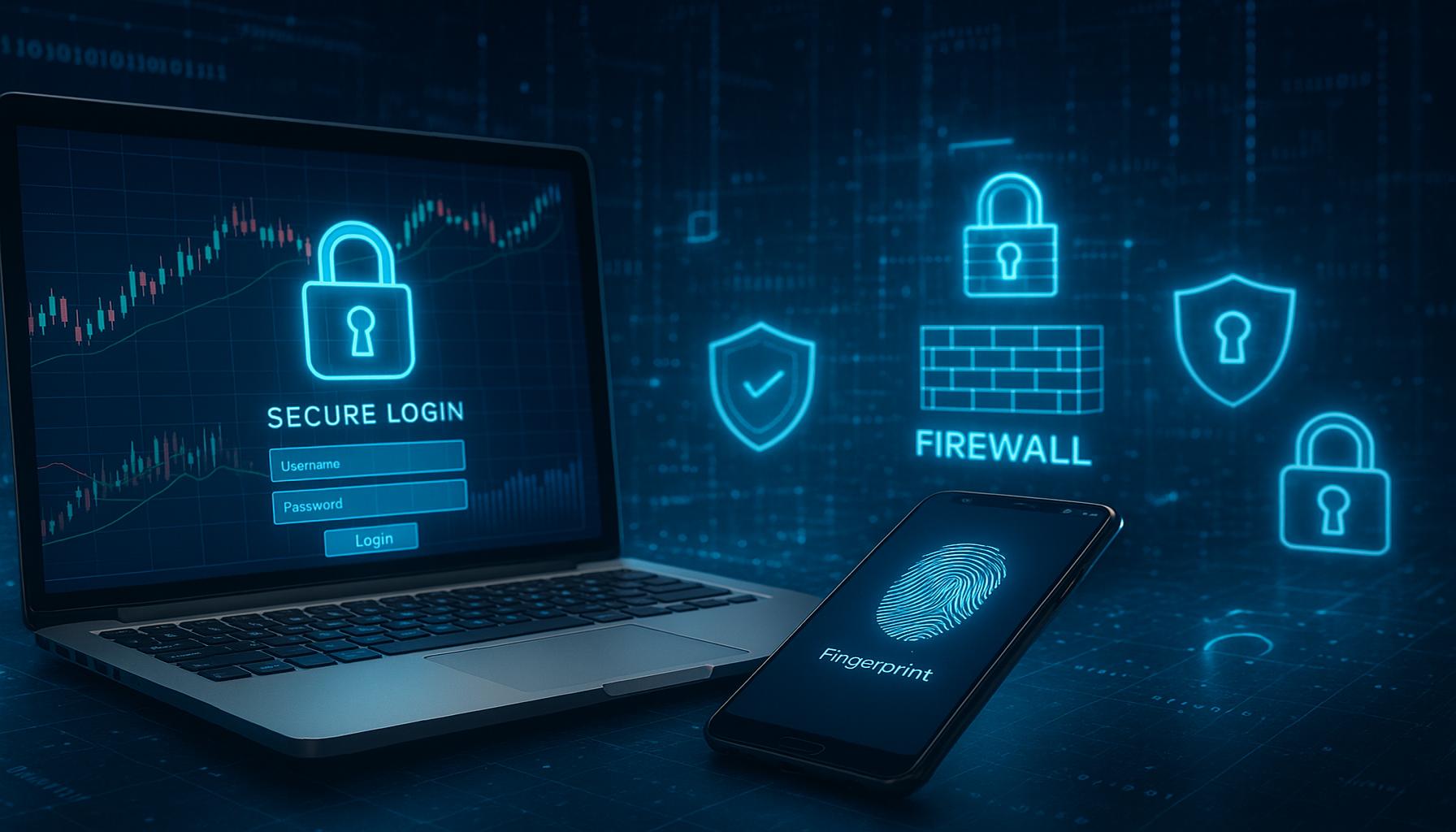
The Growing Threat Landscape in Finance
In today’s rapidly evolving digital landscape, the financial sector is a prime target for cybercriminals. The stakes are high, with sensitive information and significant assets at risk. As technology advances, so do the tactics used by malicious actors. Recent incidents, such as data breaches involving large banking institutions, highlight the need for vigilance and rigorous protection strategies.
Implementing Essential Cybersecurity Measures
To effectively safeguard against these persistent threats, both investors and institutions must implement essential cybersecurity measures that are tailored to the unique challenges of the finance industry. Below are some key protections that can fortify defenses against cyberattacks:
- Multi-Factor Authentication: This method adds an extra layer of security beyond just passwords. It typically requires users to provide two or more verification factors to gain access to accounts—such as a password coupled with a code sent to their mobile device. By utilizing multi-factor authentication, financial institutions can make it significantly harder for unauthorized users to breach accounts.
- Regular Software Updates: Ensuring that all systems are equipped with the latest security patches is critical. Cybercriminals often exploit vulnerabilities in outdated software; therefore, institutions must implement a routine for updating their platforms to close any potential gaps in security.
- Employee Training: Employees serve as both the front line and the last line of defense against cyber threats. By educating staff about recognizing phishing attacks and suspicious activity, organizations can empower their workforce to act as vigilant protectors of sensitive data. For example, staff should be trained to spot fraudulent emails or unusual requests for data that could indicate a security breach.
Cultivating a Culture of Proactive Security
However, security goes beyond just technology. Strong regulatory compliance and a proactive security culture are equally important. Financial institutions must navigate an intricate web of regulations, such as the Gramm-Leach-Bliley Act (GLBA) and the Payment Card Industry Data Security Standard (PCI DSS), that mandate stringent data protection measures. By not only protecting their own assets but also fostering trust among investors, financial firms can build a reputation for reliability and responsibility.
In addition to compliance, cultivating a culture where cybersecurity is prioritized at every level is crucial. Regular audits, security assessments, and transparent communication about security incidents can help engrain a sense of collective responsibility among employees.
Collaboration for Stronger Defense
By understanding the imperative of cybersecurity, both individual investors and organizations can better prepare against potential breaches, ensuring that their financial interests are secure. The question remains: how can stakeholders work together to create a robust defense? One approach could involve financial institutions collaborating with each other to share threat intelligence and cybersecurity best practices. This community-driven effort can play a significant role in staying ahead of evolving threats.
Ultimately, the integration of advanced technology, employee education, and strong compliance measures can build a formidable defense against cyber threats in the financial sector. With a collective commitment to security, both investors and institutions can navigate the complexities of the digital landscape, ensuring a safer financial future for all.
Strengthening the Cybersecurity Foundation
As the financial landscape becomes increasingly digitized, the necessity for robust cybersecurity measures cannot be overstated. With the rise of online banking, investment platforms, and digital wallets, both individual investors and institutions must understand that their data is as valuable as the assets they manage. The risks associated with cyber threats are not just theoretical; they can manifest in potentially devastating ways. For instance, the notorious Target breach in 2013, while not directly financial, demonstrated how hackers can exploit vulnerabilities across systems that manage consumer financial data.
To fortify the defenses of both individual investors and financial institutions, it is essential to establish a comprehensive framework of cybersecurity practices. This combination of technology and human awareness can go a long way toward limiting exposure to cyber threats. Below are some crucial components that create a more secure environment:
- Data Encryption: One of the best ways to protect sensitive information, such as personal identification and banking details, is through robust encryption techniques. Encryption converts readable data into a scrambled code that can only be deciphered with the correct key. This means even if attackers gain access to the data store, they cannot easily exploit it without the decryption key.
- Regular Security Assessments: Institutions should perform frequent security audits and vulnerability assessments to identify weaknesses in their systems. These evaluations allow organizations to stay ahead of potential threats by addressing vulnerabilities before they can be exploited.
- Incident Response Planning: Developing a well-defined incident response plan is critical. This plan prepares organizations to react quickly and effectively in the event of a security breach. Regular drills and updates to the plan can ensure all employees know their roles, thereby minimizing damage and recovery time in the case of an attack.
- Secure Network Infrastructure: Implementing firewalls and intrusion detection systems can help mitigate unauthorized access. A strong network infrastructure acts as a barrier to protect sensitive financial data from intruders, thus reinforcing an organization’s overall cybersecurity posture.
As the industry pivots to proactively address these cybersecurity issues, it is crucial to contemplate the unique challenges faced by financial institutions. The balance between convenience and security is a common issue in the banking sector. For instance, many banks offer mobile apps for easy access to accounts, but these must be safeguarded against vulnerabilities. Therefore, understanding the trade-offs between user experience and security is critical in establishing stronger defenses.
Additionally, the financial sector must continuously adapt to the evolving cyber threat landscape. This agile approach is key to identifying new dangers, allowing organizations to fortify their defenses effectively. By staying informed and utilizing the latest technologies, institutions can maintain a proactive stance against cyber threats. In this landscape, a multi-faceted approach to cybersecurity not only protects sensitive data but also strengthens the trust between financial institutions and their customers.
Building a Culture of Cybersecurity Awareness
While technological solutions are paramount for cybersecurity, equally important is fostering a culture of cybersecurity awareness among employees and clients. Financial institutions often hold vast reservoirs of sensitive personal and financial data, making them prime targets for cybercriminals seeking to exploit human vulnerabilities. Teaching staff to recognize common scams, such as phishing attempts, can significantly reduce the likelihood of a successful breach.
Training programs should be regular and comprehensive, covering topics such as data protection, password security, and safe browsing habits. For instance, creating interactive scenarios where employees simulate responding to a phishing attempt can reinforce lessons far more effectively than traditional training methods. These programs not only equip employees with the necessary knowledge, but they also instill a sense of responsibility toward protecting the organization’s assets and client information.
Moreover, extending education to clients enhances the overall security ecosystem. Institutions can run workshops and online seminars aimed at educating customers about maintaining their security, from selecting strong passwords to recognizing fraudulent communications. By empowering individuals with information, financial institutions can collectively manage risks and bolster defense mechanisms.
- Two-Factor Authentication (2FA): Incorporating 2FA adds an extra layer of security, requiring users to provide two forms of verification before gaining access to their accounts. This feature dramatically reduces the risk of unauthorized access, as it makes it significantly harder for attackers who may have acquired only the password.
- Security Software Updates: Regularly updating antivirus and anti-malware software is an essential aspect of any cybersecurity strategy. Cybercriminals constantly devise new tactics, and current security software is designed to counter these threats. It is vital for institutions to ensure that their systems and platforms are up to date to thwart potential vulnerabilities.
- Data Backup: Financial institutions should regularly back up critical data. This practice ensures that, in the event of a ransomware attack—where attackers lock or encrypt data for ransom—organizations have recovery options. Swift restoration of operations can minimize financial loss and maintain client trust.
In addition to procedural safeguards, cultivating a responsive cyber incident culture is vital. Organizations should normalize reporting suspicious activities or security breaches, creating an environment where employees feel empowered to speak up without fear of repercussions. This proactive approach can lead to early detection of threats before they escalate into full-blown security breaches.
The increasing incorporation of technologies like artificial intelligence (AI) and machine learning (ML) in cybersecurity is another solid defense against evolving threats. These technologies can analyze vast amounts of data to detect unusual patterns indicative of a cyber attack, enabling organizations to respond swiftly and effectively. For instance, AI-driven algorithms can identify unusual transaction behaviors that may signal fraudulent activities, allowing institutions to act before significant losses occur.
Ultimately, the combination of technological advancements and a culture of cybersecurity awareness creates a formidable defense against cyber threats in the financial sector. With investments in both people and technology, financial institutions can navigate the complexities of modern cybersecurity challenges more effectively. As cyber threats continue to evolve, so too must the measures taken to protect valuable customer and institutional data.
Conclusion
As the digital landscape continues to evolve, so too does the threat of cyberattacks in the financial sector, making robust cybersecurity measures essential for safeguarding both investors and institutions. The interdependence between technology and human awareness forms the foundation of a sturdy security framework. By leveraging state-of-the-art tools like artificial intelligence and machine learning, financial institutions can detect and mitigate threats while simultaneously investing in ongoing education for employees and clients. This proactive approach enhances overall vigilance and resilience against potential breaches.
Moreover, equipping employees with the ability to identify vulnerabilities—such as phishing scams—and fostering a culture where reporting suspicious activities is encouraged can drastically reduce the risks posed by human error. Institutions must also incorporate best practices like two-factor authentication and ensure regular security software updates to address emerging threats swiftly.
Ultimately, the responsibility for cybersecurity transcends mere compliance; it is about creating a safe environment where both investors and institutions can thrive. By prioritizing continuous improvement in security measures and cultivating an informed community, the financial sector can not only protect sensitive data but also maintain the trust of clients in an increasingly digital world. In achieving this balance, we pave the way for a future where innovation and security coexist, fortifying the financial landscape against ever-evolving cyber threats.