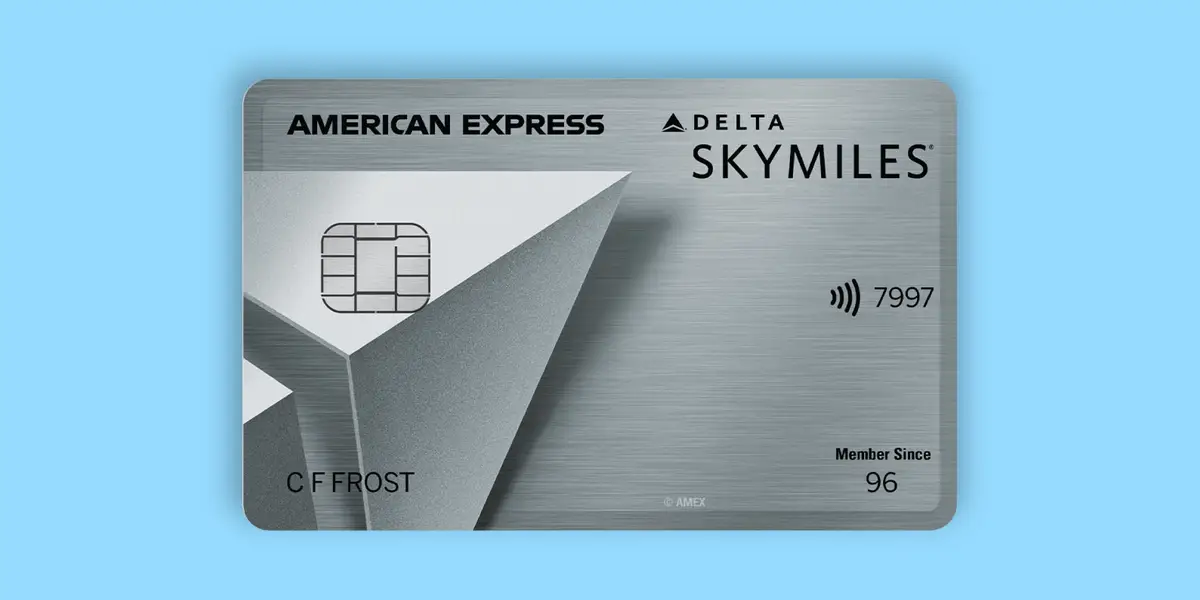
Credit Card vs. Debit: Which is the Best Option for Your Lifestyle?
Understanding Your Payment Options
When navigating the world of personal finance, selecting the right payment method can make a significant difference in both your spending habits and overall financial health. Two common choices are credit cards and debit cards, each with their unique features, benefits, and potential drawbacks. Understanding these nuances is essential for making informed financial decisions.
- Credit Cards: These cards allow you to borrow money up to a predetermined limit, giving you the flexibility to make larger purchases without having the full amount in your account immediately. For example, if you want to buy a new laptop that costs $1,000 but don’t have the cash on hand, a credit card can help you finance this purchase. Additionally, many credit cards offer rewards programs that provide points for travel, cashback on everyday purchases, or discounts on future spending. However, it’s essential to pay off your balance each month to avoid high interest rates that can quickly add up.
- Debit Cards: Unlike credit cards, debit cards draw money directly from your checking account when you make a purchase. This mechanism can help keep your spending in check, as you can only spend what you already have in your account. For instance, if your checking account has $500, you cannot accidentally spend $1,000. This direct link to your available funds is beneficial for maintaining a budget. Debit cards usually come with fewer fees and no interest—unlike credit cards, which can incur significant charges if the balance isn’t cleared promptly.
Understanding the implications of each card type is vital. Here are some additional key considerations:
- Rewards and Benefits: Many credit cards feature enticing rewards and benefits that can significantly reward regular use. For instance, some cards offer travel insurance, purchase protection, or extended warranties on items—benefits not typically available with debit cards.
- Fees and Interest: While debit cards generally have low or no fees, credit cards can come with annual fees, late fees, and interest charges on unpaid balances. For example, if you carry a balance of $2,000 on a credit card that charges 20% interest, you could end up paying $400 in interest over a year if the balance is not paid off.
- Credit Score Impact: Using a credit card responsibly can positively influence your credit score, which is crucial for making larger purchases in the future, such as buying a home or securing a loan. Payments made on time show lenders you are a reliable borrower, while debit card usage does not impact your credit score at all.
By weighing these factors thoughtfully and considering your spending habits and financial goals, you can determine which payment method aligns better with your lifestyle. Whether you prioritize the benefits of credit or the straightforward nature of debit, understanding these options ensures you make choices that best support your financial well-being.
Assessing Your Financial Needs
When choosing between credit and debit cards, it is crucial to examine your individual financial needs and spending habits. Both payment methods come with distinct advantages and considerations that can significantly influence your financial well-being. Let’s explore some of the most important factors to take into account when making this decision.
Understanding Your Spending Behavior
Your spending habits play a significant role in determining which card might suit you best. For instance, if you are someone who frequently travels or makes large purchases, a credit card could offer valuable perks. Many credit cards provide travel rewards that allow you to earn points toward free flights, hotel stays, or other travel expenses. This can be a significant financial benefit if you travel often. Additionally, using a credit card can help you manage larger expenses by allowing you to pay over time.
On the other hand, if you prefer to stick to a budget and avoid accumulating debt, a debit card may be the better option. Since a debit card withdraws money directly from your checking account, you can easily track spending and limit yourself to what you have available. This can be particularly advantageous for individuals who are trying to adhere to strict budgets or are new to managing their finances.
Evaluating Emergency Preparedness
Another aspect to consider is how you would handle unexpected expenses. Life can often present unforeseen situations that require immediate funds, such as car repairs or medical expenses. In such cases, a credit card can provide a buffer, enabling you to address these emergencies without having the total amount upfront. However, it’s essential to remember that this flexibility can lead to debt if not managed responsibly.
In contrast, a debit card does not provide the same flexibility in emergencies. While you won’t incur debt with a debit card, if you do not have the cash available, you won’t be able to make the necessary purchases. This limitation emphasizes the importance of having an emergency savings fund, regardless of which card you choose.
Rewards and Cashback Opportunities
One appealing feature of credit cards is the variety of rewards they offer. These can range from cashback on everyday purchases to bonuses for spending in specific categories like groceries or gas. For example, a credit card might offer 1.5% cashback on all purchases or 5% cashback on certain categories. If you frequently spend in these areas, using a credit card can be a smart financial move, allowing you to earn rewards while you shop.
In contrast, debit cards typically do not offer rewards, which means you might miss out on potential benefits unless your bank provides a specific rewards program. However, debit cards can come with fewer complications regarding fees and interest rates, appealing to those who wish to simplify their finances.
- Credit Cards: Great for earning rewards and flexibility in payments.
- Debit Cards: Help maintain budgeting and are less risky for overspending.
With these factors in mind, carefully consider how your financial needs align with the features of credit and debit cards. Making an informed choice can help you navigate your unique financial landscape and choose the option that best suits your lifestyle.
Weighing Fees and Financial Impact
When considering whether to use a credit card or a debit card, it’s important to weigh the fees associated with each type. Credit cards often come with an array of fees that can add up if you’re not paying close attention. For instance, many credit cards charge an annual fee, late payment fees, and cash advance fees. These charges can create financial strain if you’re not careful about managing your account. However, if you consistently pay your balance in full each month, you may avoid interest charges altogether, which can make credit cards an attractive option for those who are financially disciplined.
In comparison, debit cards typically have fewer fees. Most debit cards do not charge annual fees, and while some may charge ATM fees for using machines outside their network, these charges are generally less frequent and can be easily avoided by using in-network ATMs. Since you are spending your own money rather than borrowing, the risk of incurring debt due to late payments or overspending is minimal. This can make debit cards a more budget-friendly choice for everyday purchases.
The Importance of Credit Scores
Your credit score is another essential factor when evaluating credit and debit options. Regular and responsible use of a credit card can help you build a solid credit history, which is crucial for significant financial decisions like purchasing a home or financing a car. Making on-time payments and keeping your credit utilization low are key strategies for improving your credit score.
Conversely, using a debit card does not contribute to your credit history, meaning it won’t help you build or improve your credit score. This may not be an immediate concern for everyone, but if you foresee needing to borrow in the future, it’s important to understand how each card affects your credit profile. For those just starting their credit journey or rebuilding their credit, acquiring a credit card and using it wisely can have long-term benefits.
Security and Fraud Protection
Another significant consideration is security. Credit cards often provide better fraud protection compared to debit cards. Federal law limits your liability on unauthorized transactions with a credit card to $50 if you report the loss, and many credit card companies offer zero liability policies. This means you could be completely protected from any fraudulent charges on your account.
In contrast, while debit cards also offer some level of fraud protection, the process can be less straightforward. If someone were to use your debit card without permission, the money is directly withdrawn from your checking account. This could mean funds are unavailable for several days or even weeks while the bank investigates the fraud claim. Additionally, if you don’t report a stolen debit card quickly, you may be liable for more significant amounts, depending on how long you take to notify your bank.
- Credit Cards: May incur various fees; can positively impact credit scores; offer enhanced fraud protection.
- Debit Cards: Generally lower fees; do not build credit; may have limited fraud protection compared to credit cards.
Understanding these financial implications and security features is vital for making an informed decision between using a credit or debit card. By aligning your choice with your financial habits and goals, you can select the card that enhances your lifestyle while supporting your overall financial health.
Conclusion
Deciding between a credit card and a debit card ultimately revolves around your personal financial habits, lifestyle, and goals. Credit cards can be advantageous for those who are disciplined with their spending, allowing them to earn rewards, build credit history, and enjoy robust fraud protection. However, they also pose risks, such as accumulating debt and incurring various fees if not managed wisely.
On the other hand, debit cards offer simplicity and reduce the risk of overspending since you are using your own funds. They can be a more affordable option due to lower fees, and they help establish a straightforward budgeting approach without the temptation of credit. However, keep in mind that debit cards do not help you build your credit score, which can be a disadvantage if you plan to make significant financial purchases in the future.
Ultimately, the best choice depends on your individual circumstances. If you prioritize budget management and minimizing risks, a debit card may suit you better. Conversely, if you are looking to enhance your credit profile while earning rewards, a credit card could be the way to go. Whichever option you choose, ensure that it aligns with your financial habits and long-term ambitions. Making an informed decision now can lead to a healthier financial future.