Artificial Intelligence and the Future of Work: What to Expect in the Next Decade
Understanding the Shift Towards AI in the Workplace
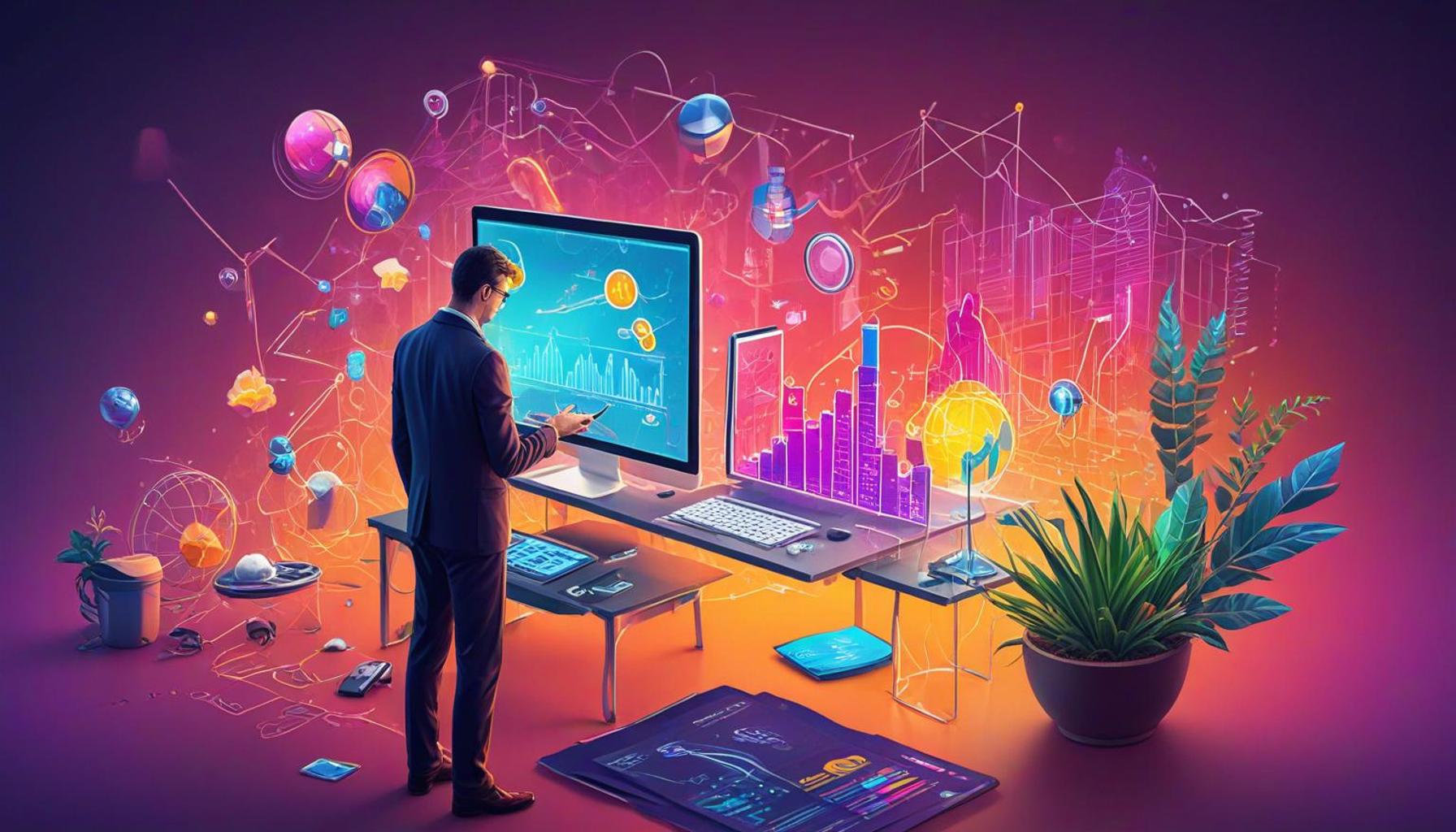
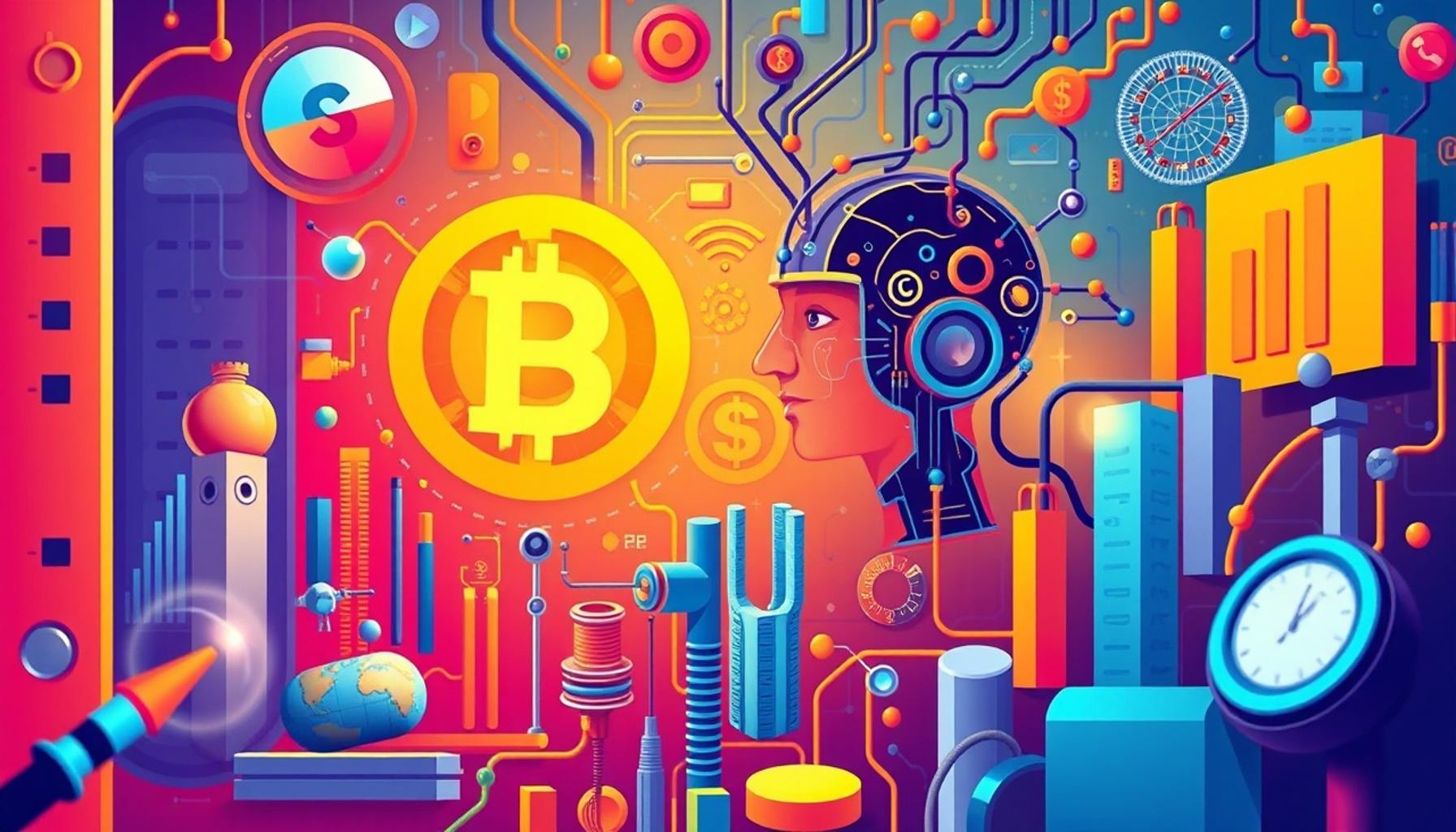
As we delve deeper into the implications of artificial intelligence (AI), it becomes clear that its transformative power will touch every corner of the workplace. This transition is not simply a matter of replacing human labor with machines; it’s about augmenting our capabilities as well. Various sectors, from healthcare to finance, are already beginning to feel the effects of this technological shift, which is expected to accelerate over the next decade.
Automation of Repetitive Tasks
One of the most significant shifts we can expect is the automation of repetitive tasks. For instance, industries like manufacturing have been utilizing robotics for years to streamline assembly lines and enhance productivity. Now, AI can take on even more diverse roles in the workplace: data entry, customer service inquiries, and appointment scheduling can all be automated. This allows human workers to devote their energy to more critical, creative, and strategic tasks, such as innovation and problem-solving. Imagine a marketing team no longer bogged down by compiling analytics reports; instead, they are free to devise campaigns that foster genuine customer engagement.
Enhanced Decision Making
Next, AI’s role in enhanced decision making cannot be overlooked. In traditional settings, decisions were often made based on intuition and experience. Today, with AI analyzing vast amounts of data in real-time, professionals can make informed choices that are driven by hard evidence. For example, in the finance sector, investment managers use algorithms to analyze stock trends and economic indicators, generating insights that inform strategic decisions. This level of data-driven decision-making fosters an environment in which businesses can adapt swiftly to market changes, reducing risk and enhancing profitability.
Remote Work Integration
The rise of remote work has brought on a new layer of complexity for organizations. Fortunately, AI-driven platforms are stepping in to streamline collaboration among geographically dispersed teams. Tools like virtual assistants can set reminders for meetings, while AI-based project management software helps track progress and allocate resources effectively. This seamless integration enables the workforce to remain productive, regardless of location. Companies like Slack and Microsoft Teams are integrating AI features to enhance team interactions, making remote working not just viable but efficient.
Preparing for the Future Workforce
The sweeping changes brought on by AI invite crucial discussions about the skills required in an evolving job market. Questions such as, “What skills will be essential in an AI-driven economy?” and “How should workers prepare for the roles of tomorrow?” are essential for workers and employers. Skills such as adaptability, data analysis, and digital literacy will likely be paramount. Workers will need to embrace lifelong learning to remain relevant, with many turning to online platforms for continuous education in technology and data science.
Ethical Considerations
As we embrace these advancements, we must also address the ethical considerations surrounding AI. Issues of privacy, job displacement, and decision-making transparency are increasingly relevant. Workforce training programs should include discussions about ethics so that future leaders approach AI with a balanced perspective. Policymakers must also consider how legislation can support a responsible integration of AI technologies in the workplace, ensuring that humanness remains at the core of our systems.
Understanding these fundamental changes is vital for everyone involved in the workplace—employees, businesses, and regulators alike. While the potential of AI promises substantial opportunities, the keys to successfully navigating this transition lie in preparation and adaptation. The future may be uncertain, but with the right strategies in place, it can certainly be bright.
DISCOVER MORE: Click here to dive deeper
The Impact of AI on Job Roles and Skills
As we move further into an era dominated by artificial intelligence (AI), understanding its impact on job roles and skills becomes crucial. While some fear that AI will render certain jobs obsolete, it is essential to recognize that AI is more likely to reshape roles rather than eliminate them completely. This shift means that workers will not only face new technologies but will also need to adapt to evolving expectations in their job functions.
Identification of New Job Categories
One significant outcome of AI integration is the creation of new job categories that did not previously exist. As automated systems take over repetitive tasks, new positions will emerge that require human oversight and creativity. For example, roles such as AI ethicists and data storytellers are already gaining traction. An AI ethicist ensures that AI technologies are developed and used responsibly, while data storytellers help organizations communicate insights drawn from complex data analyses in a relatable manner.
Evolving Skill Sets
The future workforce must also acquire a diverse set of skills to thrive in an AI-driven environment. Skills that focus on innovation and critical thinking will be particularly valuable. The following skills are likely to be essential:
- Technical skills: Understanding data science, machine learning, and programming will be vital as organizations seek professionals who can work alongside AI technologies.
- Soft skills: Abilities such as emotional intelligence, creativity, and collaboration will help workers navigate a complex workplace and effectively manage AI-human interactions.
- Adaptability: The capability to pivot and embrace new technologies as they arise will help workers remain relevant and competitive in their fields.
Continuous Learning and Upskilling
With the rapid pace of technological advancements, continuous learning and upskilling will become a core tenet of workforce development. Employees will need to actively pursue opportunities for growth, whether through formal education, training programs, or online courses. Many organizations are already implementing learning and development initiatives, encouraging employees to expand their skill sets in tandem with AI’s evolution. Moreover, platforms like Coursera and LinkedIn Learning provide a variety of resources tailored to individual learning needs, making upskilling more accessible than ever.
The Human Touch in AI
Despite the sophisticated capabilities of AI, the human touch in the workplace remains irreplaceable. While AI can process vast amounts of information and perform tasks at unparalleled speeds, emotional understanding and interpersonal connections will continue to set humans apart. Successfully leveraging AI in any organization hinges on the collaboration between AI technologies and the unique qualities that only humans possess. For instance, customer service roles will still require empathy and active listening, skills that AI, while improving, has yet to master fully.
In summary, as we face the impending changes brought on by AI, it is essential for both workers and organizations to embrace this new landscape with a proactive mindset. By focusing on developing new job roles, evolving critical skill sets, and prioritizing continuous learning, we can navigate the future workplace with confidence and resilience.
DISCOVER MORE: Click here for a step-by-step guide
The Evolution of Work Environments
As artificial intelligence becomes more integrated into the workplace, we can expect significant transformations in work environments. Companies are increasingly moving towards more flexible, remote, and collaborative structures, facilitated by AI technologies. These changes not only impact where we work but also how we communicate and collaborate with our colleagues.
The Rise of Hybrid Work Models
The COVID-19 pandemic accelerated a trend toward remote work that is expected to persist in the coming decade. Hybrid work models, which combine remote and in-office experiences, will likely become the norm. AI tools are enhancing these models by improving connectivity and collaboration among teams, regardless of their physical locations. For instance, virtual collaboration platforms like Slack and Microsoft Teams, enhanced with AI features, enable seamless communication and project management, allowing teams to stay aligned and productive.
AI as a Tool for Enhancing Productivity
AI is set to act as a powerful productivity tool, automating mundane tasks and streamlining workflows. For instance, AI-driven scheduling assistants can manage calendars by automatically finding optimal meeting times, significantly reducing the time spent coordinating schedules. Similarly, AI can analyze employee performance data to identify areas for improvement, allowing organizations to tailor support and training accordingly. This, in turn, fosters a more effective and engaged workforce.
Transforming Workplace Culture
As AI technologies continue to reshape workplaces, there will also be a cultural shift towards valuing tech-savviness and adaptability. Organizations will increasingly prioritize hiring candidates who possess a combination of technical know-how and interpersonal skills. This shift will create a diverse range of workplace personalities that can effectively collaborate with AI technologies while also fostering innovation and creativity. In a culture that embraces AI, teamwork may involve not only human collaboration but also cooperative strategies that leverage machine learning and automated support systems.
Implications for Organizational Structures
The integration of AI is likely to change organizational structures by flattening hierarchies and promoting more decentralized decision-making processes. With AI systems available to provide real-time data and analytics, employees at all levels can make informed decisions without waiting for managerial approval. This shift not only speeds up processes but also empowers employees to take ownership of their work, increasing job satisfaction and increasing overall productivity.
The Importance of Ethical Considerations
With the rise of AI in the workplace comes an urgent need for ethical considerations. Organizations must prioritize transparency and accountability when implementing AI solutions. Establishing clear guidelines concerning data privacy, algorithm bias, and employee rights will be crucial in building trust between workers and their organizations. As companies navigate ethical challenges, roles dedicated to ensuring responsible AI use will play a pivotal part in fostering a workplace culture that values equity and fairness.
In summary, as AI continues to evolve, workplaces will transform in ways that enhance flexibility, productivity, and culture. Organizations that prioritize adaptable strategies and ethical practices will be well-equipped to thrive in this new era of work, demonstrating that while AI may redefine roles and responsibilities, its successful integration ultimately depends on human collaboration and innovation.
DIVE DEEPER: Click here to discover how financial education can shape the futures of our youth</
Conclusion
As we look towards the future of work shaped by artificial intelligence, it is clear that organizations will witness profound changes in both structure and culture. The shift to hybrid work models will not only redefine how we approach our daily tasks but will also necessitate a new level of collaboration among team members, regardless of their locations. With AI serving as a catalyst for productivity, employees will benefit from automated processes that minimize repetitive tasks, allowing them to focus on more strategic and creative aspects of their roles.
The evolving workplace environment will emphasize the importance of adaptability and tech-savviness among employees. As organizations increasingly seek talent that can thrive alongside AI systems, there will be a renewed focus on fostering a culture that embraces diversity in skills and experiences. Furthermore, the flattening of organizational hierarchies, empowered by real-time data, will enable employees to take initiative in decision-making processes, increasing job satisfaction and retention.
However, with these advancements come significant ethical responsibilities. Companies must prioritize transparency in their AI implementations and ensure that guidelines are in place to protect employees’ rights and privacy. By addressing these ethical considerations, organizations can build a foundation of trust that will be essential in navigating the future.
Ultimately, the integration of artificial intelligence in the workplace holds the promise of enhancing both operational efficiency and employee engagement. By embracing this technology thoughtfully and ethically, organizations can not only adapt to the changes of the next decade but also thrive in an increasingly complex landscape of work.

Linda Carter
Linda Carter is a writer and expert known for producing clear, engaging, and easy-to-understand content. With solid experience guiding people in achieving their goals, she shares valuable insights and practical guidance. Her mission is to support readers in making informed choices and achieving significant progress.