Analysis of the Latest News on Inflation and Its Effect on Consumers’ Purchasing Power
Understanding Inflation and Its Effects on Consumers
In recent months, many consumers have felt the pinch of rising prices. This is felt most acutely when shopping for essentials like groceries, filling up gas tanks, or paying rent. The term inflation describes this increase in the cost of living, where the prices of goods and services rise over time, eroding the purchasing power of consumers across the country.
The Challenges of Higher Prices
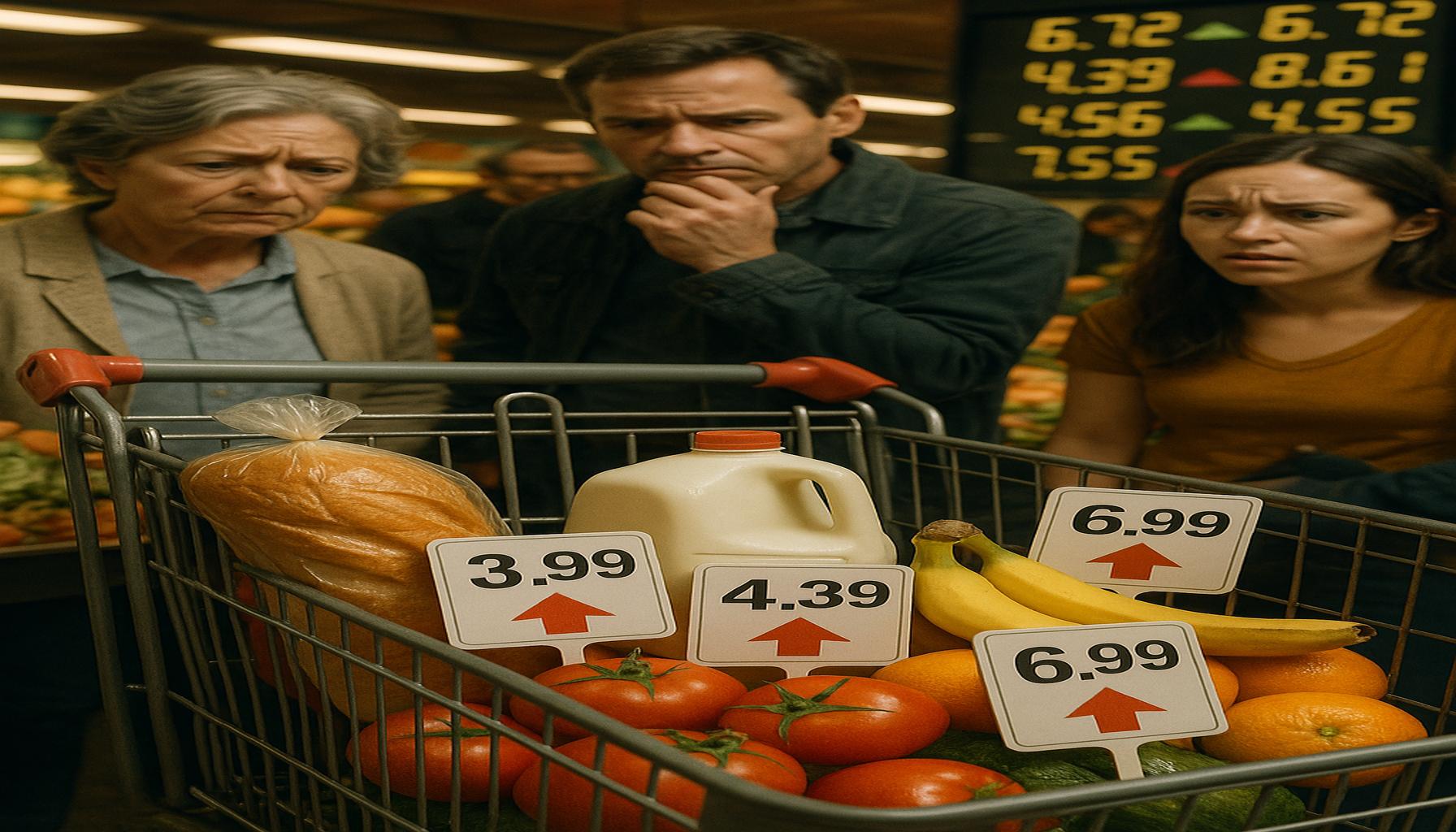
One of the most immediate effects of inflation is higher prices. Items that families rely on every day, such as milk, bread, and meat, have seen noticeable price increases. According to recent statistics, the Consumer Price Index (CPI) has shown rates that are higher than seen in the past decade. For instance, if a gallon of milk was priced at $3.50 last year, it might now cost around $4.00. While this 50-cent increase per gallon may seem small, for a family that consumes several gallons a week, the cumulative effect mounts quickly.
Implications for Savings
Another significant consequence of inflation is its impact on reduced savings. As the value of money diminishes, households find that their savings do not stretch as far as they once did. For example, if someone had set aside $5,000 last year for emergencies, that amount will now purchase less due to inflation. This encourages consumers to reconsider how they save and manage their finances. Individuals may need to seek higher yields on their savings accounts or look into investments that can outpace inflation, such as stocks or real estate, to preserve their wealth.
Adjusting Budgets
With prices rising, many families are forced to make budget adjustments. This could mean cutting back on discretionary spending, such as dining out or entertainment, and focusing primarily on essential expenses. For example, a family that frequently dines at restaurants might limit eating out to once a month instead of weekly, redirecting those funds toward necessities. This shift can also lead consumers to seek alternative solutions, such as planning meals carefully to minimize grocery bills or using public transportation instead of driving to save on gas.
Factors Contributing to Inflation
Various factors contribute to the recent inflation spike, notably supply chain disruptions caused by the ongoing recovery from the pandemic and heightened consumer demand. The interplay between businesses catching up with orders and consumers eager to resume normal activities has led to an imbalance between supply and demand, driving prices up. International complications, such as geopolitical tensions affecting trade routes, further exacerbate the situation.
Conclusion
Understanding these factors and their implications can help consumers navigate the complexities of a shifting economic landscape. By staying informed about inflationary trends and making conscious financial decisions, individuals can better manage their resources. Ultimately, knowledge and adaptability become invaluable tools in maintaining financial health amid rising prices.
The Current Landscape of Inflation and Consumer Behavior
As inflation continues to shape the economic landscape, it’s vital to examine how it affects consumer behavior and spending habits. With the cost of living rising, many households are confronting tougher choices. Consumers are adapting to these changes by revisiting their purchasing patterns and financial priorities.
The Rising Cost of Essentials
One of the most pressing issues resulting from inflation is the rising cost of essential goods and services that families depend on every day. Items such as food, fuel, utilities, and healthcare have seen significant price surges. For instance, a recent report highlighted that the price index for food at home has increased nearly 12% over the past year, marking one of the highest annual increases in decades. This trend becomes particularly concerning when families must decide how to allocate their budgets to accommodate these surging costs.
- Groceries: Prices for staples like eggs and bread have jumped significantly, squeezing household budgets.
- Gasoline: With fuel prices fluctuating wildly, many consumers find themselves spending more just to commute or perform essential errands.
- Utilities: Increased energy prices can also lead to higher monthly bills, further stressing financial resources.
Impact on Consumer Confidence
Another critical aspect of inflation’s impact is its effect on consumer confidence. Rising prices can instill a sense of unease among consumers, leading them to question their financial stability and future purchasing ability. As confidence wanes, consumers may start to pull back on spending, opting instead to save for potential emergencies or to prepare for an uncertain future. This shift can create a ripple effect throughout the economy, affecting businesses and job growth as demand for goods and services declines.
The Cost of Borrowing
Inflation also influences interest rates, with the Federal Reserve often adjusting rates in response to rising inflation. Higher interest rates can increase the cost of borrowing for consumers, making loans and credit more expensive. This situation poses a challenge for families looking to finance major purchases, such as buying a home, car, or even education. It can also lead to greater strains on households with existing loans, as they face higher monthly payments.
In light of these changes, consumers are encouraged to stay informed and make prudent financial decisions. Seeking fixed-rate loans or locking in lower rates while they are still available can help counteract the effects of inflation on borrowing costs. Additionally, understanding the current economic climate can empower consumers to make smarter choices, whether it involves adjusting spending habits or exploring new saving strategies.
Ultimately, recognizing the implications of inflation and adapting accordingly is crucial for conserving purchasing power and maintaining financial health in an ever-evolving economic environment.
Consumer Adaptations and Coping Strategies
As inflation continues to exert pressure on household budgets, consumers are not simply passive observers; they are actively seeking ways to adapt and cope with the changing economic environment. Understanding these consumer adaptations is crucial in navigating inflation’s challenges and mitigating its impact on purchasing power.
Shifts in Spending Priorities
In an environment of rising prices, many households are reassessing their spending priorities. Non-essential purchases often find themselves on the chopping block as consumers focus on necessities. Reports indicate that categories like dining out, entertainment, and travel have seen a decline in consumer spending. Instead, families are opting for home-cooked meals over restaurant dining, leading to a resurgence in grocery shopping. This shift reflects a larger trend where consumers are making conscious choices to stretch their dollars further.
- Home Cooking: As food prices rise, many families are utilizing online recipes and meal-planning tools to maximize the value of their grocery budget.
- Local Products: Supporting local markets and farmers’ markets can provide fresh produce while often being less expensive than larger grocery chains.
- Staycations: Instead of expensive vacations, many are opting for local getaways or activities that require less financial commitment.
Increased Focus on Savings and Alternative Income
Another significant adaptation is the growing emphasis on savings and additional income streams. Many individuals are realizing the importance of financial security during uncertain times. This has led to a push for building emergency funds, as households aim to have a safety net in case of emergencies or further economic volatility. Some consumers are even diversifying their income sources by exploring gigs or freelance work, capitalizing on skills they possess to generate additional revenue.
Additionally, cash-back apps and savings platforms have gained popularity, helping consumers find ways to save on everyday purchases. This trend shows a proactive approach to managing finances, as shoppers seek out discounts or rewards programs and actively engage in their financial health.
Strategic Use of Credit Cards
With higher borrowing costs driven by increasing interest rates, many consumers are using credit cards more strategically. They are being selective about when to use credit and are focusing on cards that offer cash-back rewards or travel points. This cautious approach ensures that consumers maximize their spending without accruing excessive debt.
It’s crucial for consumers to pay attention to their credit card interest rates and terms. Opting for cards with a grace period or lower rates can mitigate the financial strain caused by inflation. Additionally, responsible credit card use can help maintain and improve a consumer’s credit score, further enhancing their purchasing power over time by keeping future borrowing costs manageable.
In these inflationary times, consumers are demonstrating resilience and adaptability. By understanding their financial landscape and employing smart financial strategies, they are taking steps to safeguard their purchasing power as prices continue to rise. This proactive mindset not only helps households withstand current economic pressures but also lays a vital foundation for future financial stability.
Conclusion
The recent analysis of inflation reveals a comprehensive picture of its profound effects on consumers’ purchasing power. As inflation continues to rise, it poses significant challenges, compelling households to shift their financial strategies in response to increasing costs. By prioritizing essential spending, many families are making conscious decisions to cut back on luxuries and focus on more affordable alternatives. This not only reflects a practical approach to budgeting but also highlights the importance of adapting to changing economic realities.
The emphasis on saving and exploring alternative income sources indicates that consumers are becoming increasingly proactive about their financial futures. Utilizing tools like cash-back apps and pursuing gigs or freelance opportunities demonstrates a remarkable resilience and adaptability in uncertain times. Furthermore, the strategic use of credit cards—balancing rewards with responsible borrowing—underscores a savvy approach to managing finances amidst rising interest rates.
Ultimately, the wave of inflation serves as a reminder that financial literacy and adaptability are vital components of consumer resilience. By fostering strong financial habits, households can better navigate the complexities of today’s economy and safeguard their purchasing power. As consumers grapple with inflation, those who remain proactive in their financial planning will be well-equipped to weather economic fluctuations and enhance their long-term financial stability.