
The Pros and Cons of Investing in Precious Metals like Gold and Silver
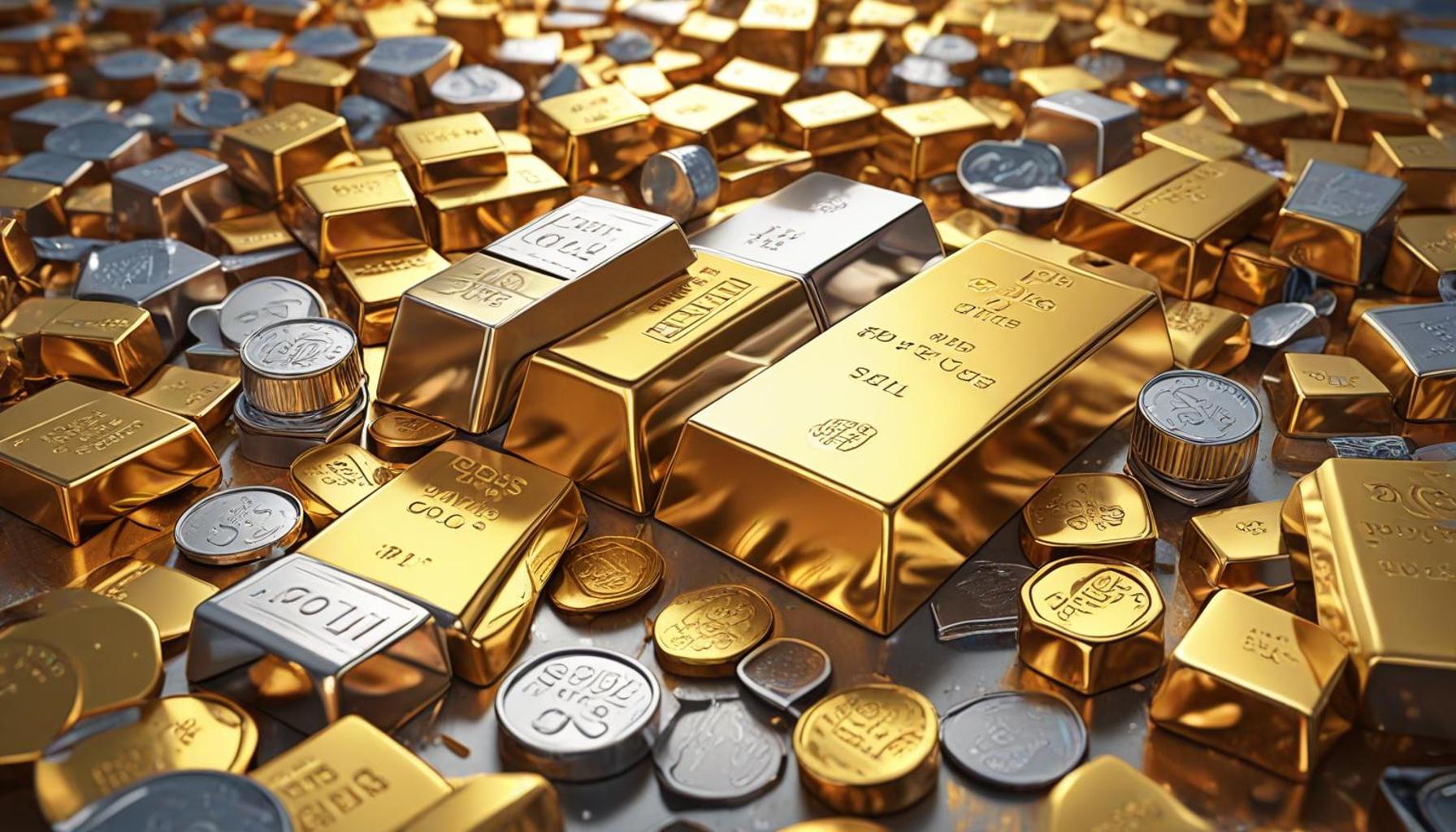
Understanding Precious Metals Investment
Investing in precious metals like gold and silver can be an intriguing option for many individuals. These assets often serve as a hedge against inflation and economic instability. However, it’s essential to weigh the benefits and potential drawbacks before diving in.
One of the main attractions of investing in precious metals includes their historical value. Since ancient times, gold has been used as currency and a store of value, while silver has also served a similar purpose. Consider the following points:
- Intrinsic Value: Metals like gold and silver have been valued for centuries, often retaining worth even during financial crises. For example, during the 2008 financial crash, many investors turned to gold, driving up its price as traditional investments faltered.
- Inflation Hedge: Precious metals can protect your wealth, as their value may rise when inflation increases. During periods of hyperinflation, such as in the UK during the 1970s, gold prices soared, making it an attractive investment to maintain purchasing power.
- Portfolio Diversification: Including precious metals in your investment portfolio can add stability by reducing overall risk. Diversifying your investments across various asset classes helps mitigate potential losses; for instance, if stocks are underperforming, gold might be gaining value simultaneously.
On the flip side, investing in these assets is not without its challenges. Some concerns to keep in mind include:
- Market Volatility: The prices of gold and silver can fluctuate widely, and this volatility can lead to potential losses. For example, a sudden economic shift or geopolitical tension can cause sharp price changes in the precious metals market.
- No Yield: Unlike stocks or bonds, precious metals do not generate any income, such as dividends or interest. This means that when you invest in gold or silver, your return depends solely on price appreciation rather than ongoing earnings.
- Storage Costs: Physical metals require secure storage, which may incur additional expenses. Investors may need to rent a safe deposit box or invest in a secure home safe, adding overhead to their investment.
By considering both the advantages and disadvantages, you can make a more informed decision regarding your investment strategy. Understanding these dynamics is crucial for aligning your financial goals with your risk tolerance. For instance, if you’re risk-averse, a smaller allocation to precious metals might suit your profile, while a more aggressive investor may opt for a larger stake.
Ultimately, investing in precious metals can be part of a well-rounded investment approach, provided you do your research and assess how it fits into your broader financial plan.
CHECK OUT: Click here to explore more
The Advantages of Investing in Precious Metals
When exploring the potential benefits of investing in precious metals, several factors help illustrate their appeal. Understanding these advantages can provide greater insight into why many investors are drawn to these tangible assets.
- Safe Haven Asset: Precious metals, particularly gold, are often viewed as a refuge during turbulent economic times. Investors flock to gold when currency values decline or when geopolitical tensions escalate. For example, during the Brexit vote in 2016, gold prices surged as uncertainty gripped financial markets in the UK.
- Universal Acceptance: Gold and silver are accepted globally, which ensures their liquidity. This means you can typically sell them easily for cash, regardless of your location. In contrast, selling real estate or other investments may take time and effort.
- Historical Performance: Over long periods, gold has consistently provided substantial returns to investors. For instance, in the past two decades, the price of gold has significantly appreciated, which may encourage confidence among prospective investors. Many view precious metals as a reliable store of value, particularly when compared to fiat currency, which can depreciate.
- Hedge Against Currency Devaluation: As central banks around the world print more money, the value of paper currencies can diminish. Precious metals often retain intrinsic value, and during periods of significant currency devaluation, such as the hyperinflation witnessed in countries like Zimbabwe, investors frequently turn to gold and silver to preserve their purchasing power.
While these advantages present compelling reasons to consider investing in precious metals, it is equally important to recognize the potential drawbacks. Understanding both sides of the equation will allow investors to navigate the complexities of precious metal investment more effectively.
Potential Drawbacks of Precious Metals Investment
Despite their historical allure, investing in precious metals comes with its own set of challenges that every investor should be aware of before diving in.
- Storage and Insurance Costs: One practical concern is the need to store physical metal securely. This can lead to additional expenses for storage facilities or insurance. Without proper security measures, investors also expose themselves to the risk of theft or loss.
- Price Overreactions: The market for precious metals can be driven by speculation, leading to price swings that may not reflect underlying fundamentals. Sudden market shifts can create short-term volatility, making it difficult for investors to time their purchases or sales effectively.
- Emotional Decision Making: The allure of precious metals can sometimes lead to emotional investment choices. When prices rise sharply, some investors may feel pressured to buy at inflated prices. Conversely, during downturns, panic selling can occur. This emotional rollercoaster can detract from rational investment strategies.
By weighing both the benefits and the drawbacks of investing in precious metals, individuals can gain a clearer understanding of how these assets fit into their overall investment strategy. Consideration of these factors is essential for aligning investments with personal financial goals and market conditions.
CHECK OUT: Click here to explore more
Understanding the Limitations of Precious Metals Investment
While the allure of precious metals such as gold and silver lies in their ancient status and perceived safety, potential investors must consider the drawbacks and limitations that accompany these investments. By examining these factors closely, investors can better navigate the challenges of investing in precious metals.
- Limited Income Generation: Unlike stocks or real estate, which can provide dividends or rental income, precious metals do not generate any cash flow. Their value is purely dependent on market perceptions, meaning the investor must rely solely on price appreciation. In periods where the price languishes, the investment may not serve wealth accumulation effectively.
- Market Manipulation Concerns: The precious metals market is not immune to manipulation. Large financial institutions or sovereign entities can influence prices through significant buying or selling activities. This manipulation can create an unstable market and affect the average investor negatively, making it difficult to predict when to buy or sell.
- Illiquidity of Coins and Bars: Although gold and silver are generally liquid, specific forms, such as certain coins or unique bars, might not sell easily. The geographical location and buyer interest can vary, leading to challenges in cashing out quickly when necessary. Therefore, the investor should be mindful of the type of physical metal they invest in.
Investors should also consider the implications of the regulatory environment surrounding precious metals. Changes in government policies or taxation regulations can impact the profitability of these investments.
- Legal Restrictions: Some jurisdictions impose stringent regulations on the buying, selling, and ownership of precious metals. In times of economic distress, governments might also introduce measures, such as confiscation of gold, affecting investor confidence.
- Capital Gains Tax Implications: In the UK, the sale of precious metals may be subject to capital gains tax, which can diminish overall returns upon resale. Investors should be aware of these tax obligations and plan accordingly.
Another factor to consider is the opportunity cost associated with investing in precious metals. When capital is tied up in gold or silver, it may not be available to invest in other opportunities that offer potentially higher returns.
- Potential for Higher Returns Elsewhere: Historical data indicates that stock markets often yield greater long-term gains compared to precious metals. For instance, during the recovery from the 2008 financial crisis, equity markets experienced significant growth, overshadowing the slower appreciation of gold during the same period. Investors need to assess their risk tolerance and investment goals to strike a balanced portfolio.
In summary, while precious metals offer a unique set of advantages, it is essential to evaluate the combined challenges and limitations of such investments. Understanding these factors enables investors to adopt a well-rounded perspective, ensuring that their decisions align with their financial objectives and investment strategies.
CHECK OUT: Click here to explore more
Final Thoughts on Investing in Precious Metals
In conclusion, investing in precious metals such as gold and silver can be both a fascinating and prudent decision, depending on your financial goals and risk tolerance. While these metals often provide a hedge against inflation and economic uncertainty, investors must remain mindful of their limitations. The lack of cash flow generation and the potential for market manipulation are significant factors to consider. Additionally, legal restrictions and capital gains tax implications within the UK can add complexity to your investment strategy.
Moreover, the opportunity cost associated with tying up capital in precious metals should not be overlooked. As seen in historical trends, equities often outperform gold and silver over the long term, highlighting the importance of diversifying one’s portfolio to include a mix of asset classes.
Ultimately, understanding the benefits and drawbacks of investing in precious metals will empower you to make informed decisions suited to your individual circumstances. Whether you view them as safe-havens or speculative investments, aligning your investment choices with your overall financial strategy and market conditions will be key to achieving your financial objectives.
Before pursuing any investment in precious metals, consider thoroughly researching, consulting with a financial advisor, or engaging with experienced investors. This due diligence will ensure that you are well-prepared to navigate the unique landscape of precious metals investment, maximizing potential returns while minimizing risks.

Linda Carter
Linda Carter is a writer and financial consultant specializing in economics, personal finance, and investment strategies. With years of experience helping individuals and businesses make complex financial decisions, Linda provides practical analyses and guidance on the Uma Caixa Cheia platform. Her goal is to empower readers with the knowledge needed to achieve financial success.