The Influence of Roblox’s Virtual Economy on Financial Skills Development in Young Players
Roblox as a Financial Learning Tool
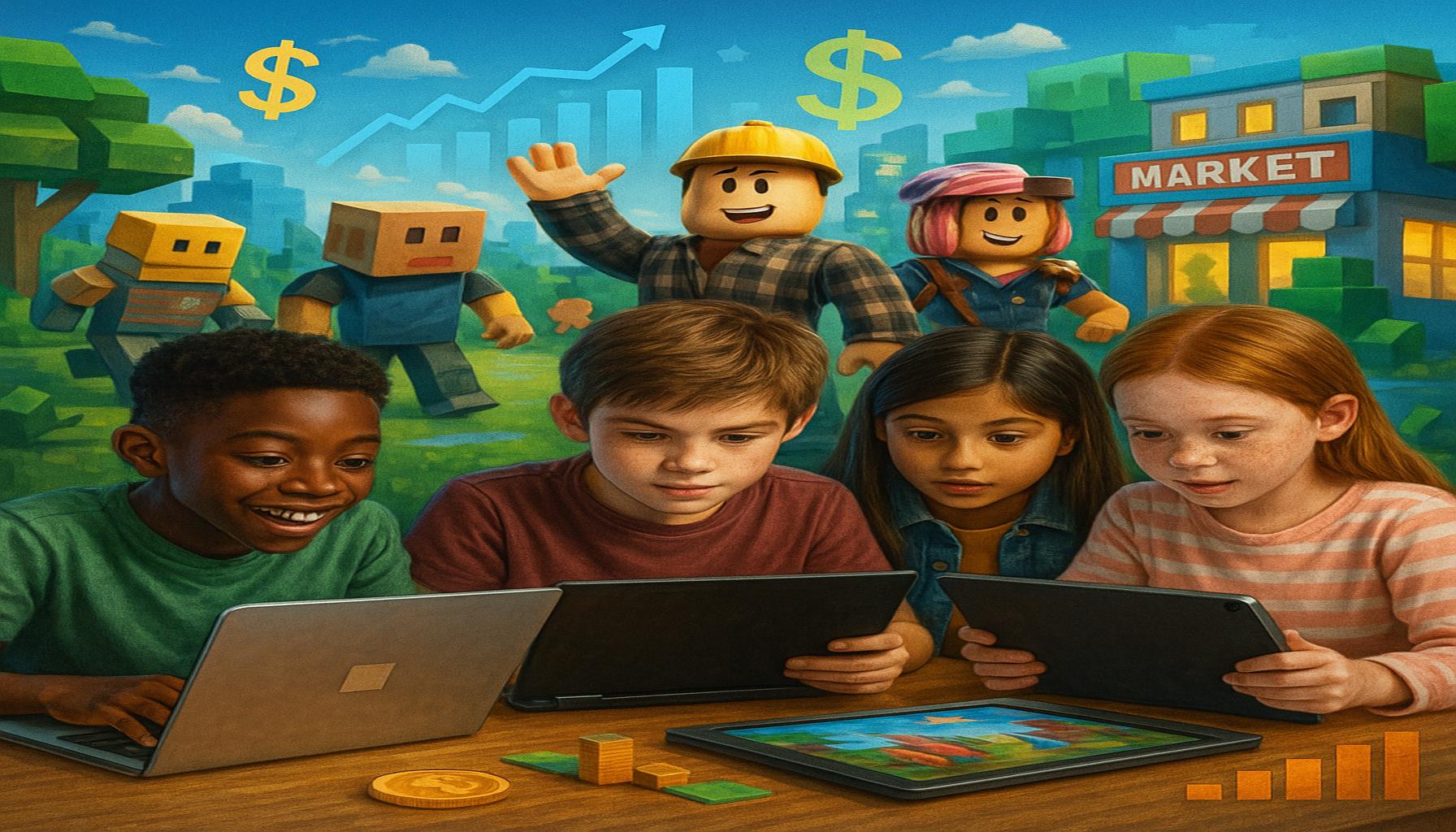
In today’s digital age, platforms like Roblox are revolutionizing how young users understand and engage with financial concepts. Beyond providing entertainment, Roblox acts as a real-world simulator of economic principles that can help players develop important financial skills. The platform’s immersive virtual economy allows children not only to play but also to learn to manage resources effectively, which can translate into valuable lessons for their daily lives.
Budgeting in Roblox
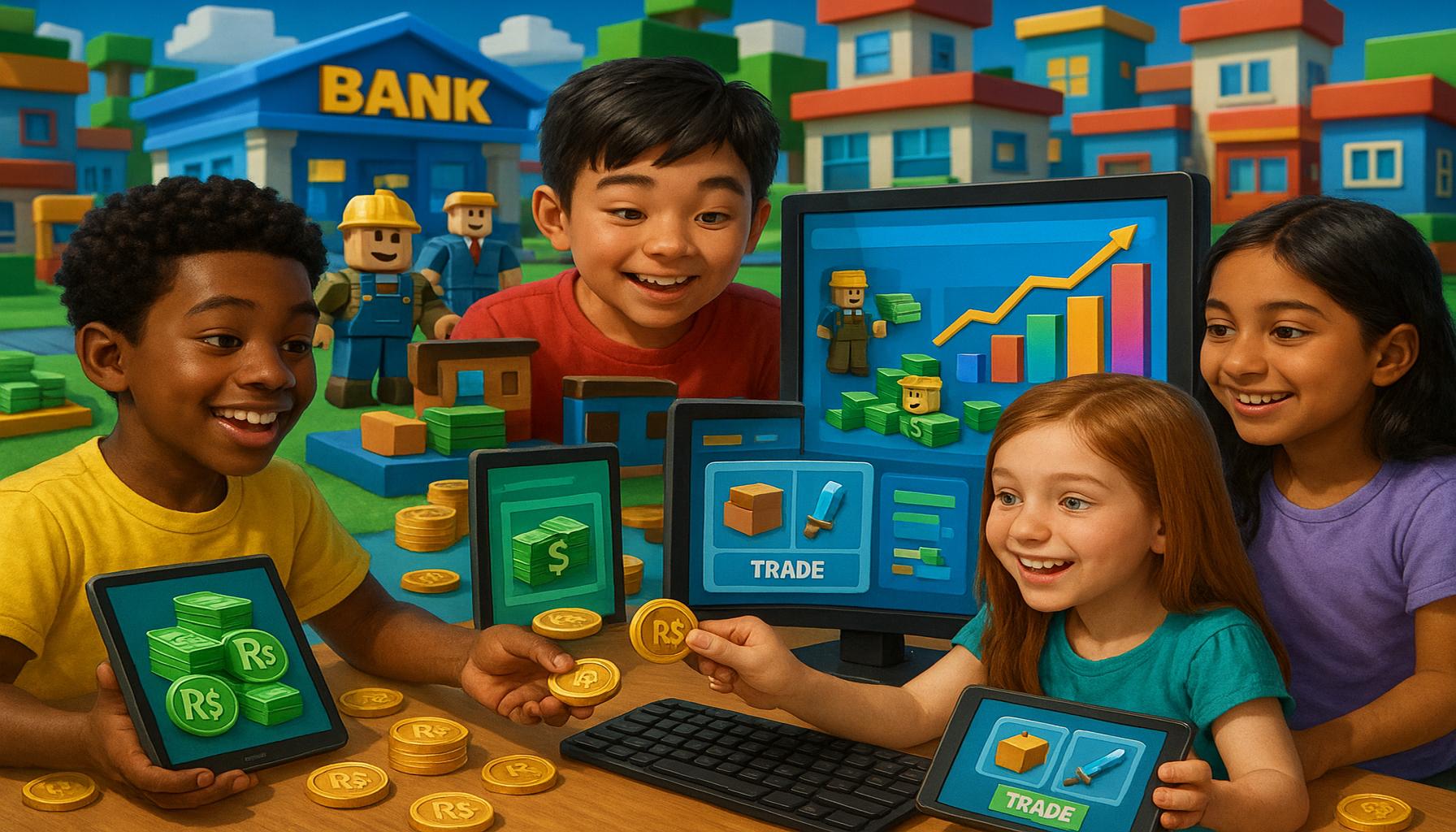
One of the fundamental financial skills developed through Roblox is budgeting. Players earn Robux, the platform’s virtual currency, which they must allocate wisely for in-game purchases. For instance, a player may have 500 Robux and must decide whether to spend a portion on customizing their avatar or save for a more expensive game upgrade. This decision-making process teaches users to weigh immediate gratification against long-term benefits, a crucial aspect of effective budgeting in real life.
The Importance of Saving
In a world where instant purchases are just a click away, saving becomes a critical lesson. Players often encounter the need to save their Robux for larger investments, such as purchasing a popular game or exclusive items that can enhance their gaming experience. By recognizing that their virtual currency can generate meaningful opportunities when saved up, players begin to understand the importance of building a financial cushion. This skill helps teach patience and foresight, as saving today can lead to greater rewards tomorrow.
Investment Opportunities
Roblox also introduces young gamers to the concept of investment. Many players engage in creating and selling their own virtual items, like clothing or accessories, which they can price and market. For example, a player who designs a trendy outfit and lists it for sale can earn a profit when others purchase it. This aspect of the game not only ignites creativity but also illustrates basic investment principles, such as the potential for returns and the risks involved in creating something new.
Encouraging Entrepreneurial Skills
The platform fosters entrepreneurial thinking by encouraging players to become creators. Users can build their own games, which allows them to express their creativity while learning how to market their creations effectively. By promoting their games through social media or Roblox’s own community channels, these young entrepreneurs learn how to reach potential players, negotiate deals, and even manage a small-scale business. Each of these activities reinforces vital skills that can apply to future career endeavors.
A Marketplace for Negotiation
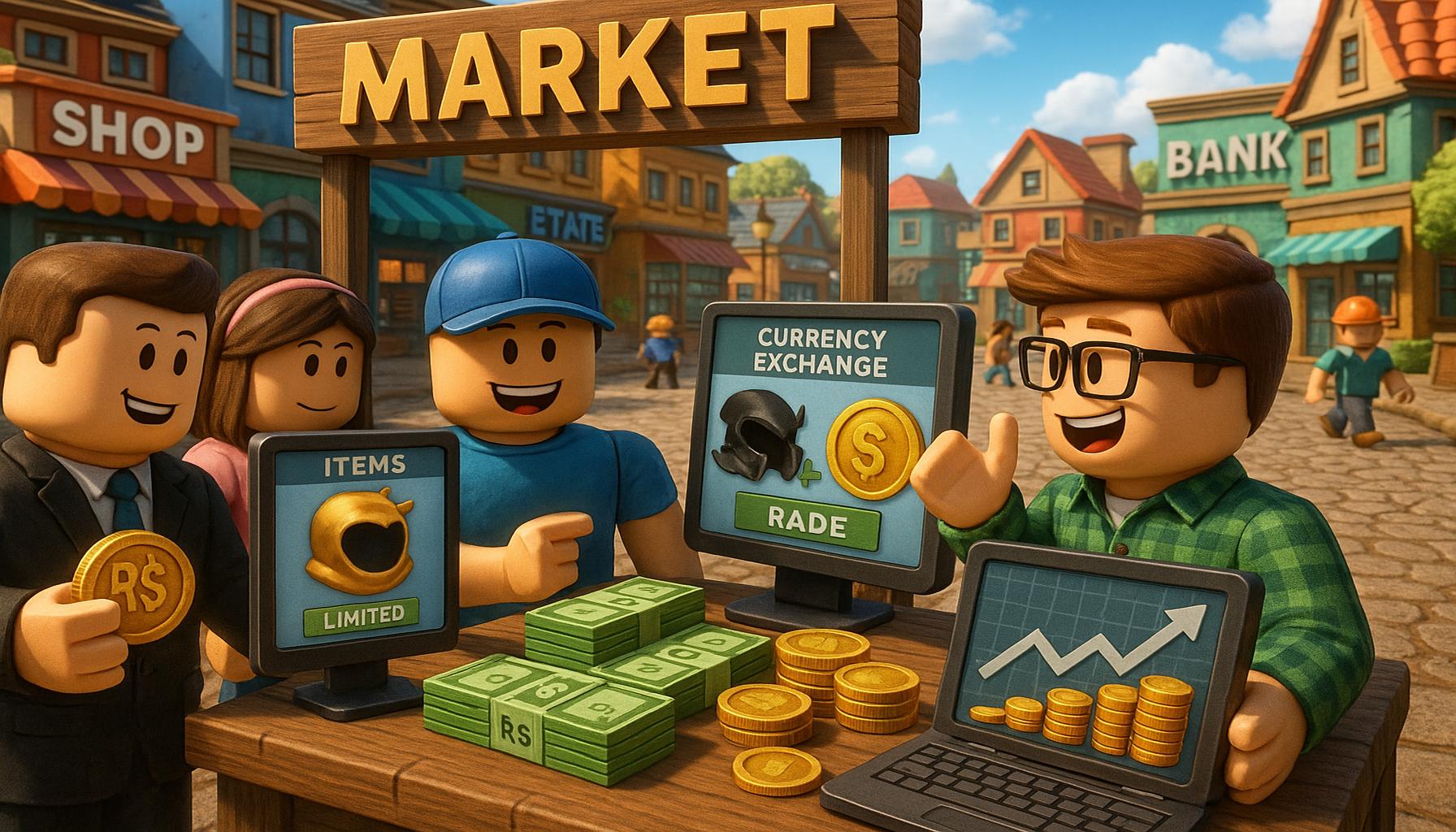
Roblox features a vibrant marketplace where users can buy, sell, and trade virtual items. Engaging in this marketplace helps players learn the art of negotiation, a crucial skill in both business and personal finance. Players must consider market trends, item scarcity, and user demand as they set their prices and make trades. This interactive environment not only makes financial concepts more relatable but also equips players with skills that are crucial in real-world financial transactions.
By integrating these financial concepts into gameplay, Roblox offers an entertaining yet educational platform that aids children in cultivating essential skills. Understanding the financial dynamics of virtual worlds can significantly benefit parents and educators who wish to guide children toward financial literacy in a meaningful way. Such skills will undoubtedly be valuable as they navigate their futures in an increasingly complex financial landscape.
SEE ALSO: Click here to read another article
Developing Financial Competence Through Gameplay
Roblox effectively bridges the gap between entertainment and education by integrating essential financial concepts into its game mechanics. This unique approach not only engages young players but also lays the groundwork for lifelong financial literacy. As children navigate the various aspects of Roblox’s virtual economy, they encounter multiple opportunities to develop skills that are crucial for managing personal finances in the real world.
Understanding Income and Expenses
At the heart of any financial education lies the understanding of income and expenses. In Roblox, players generate income by completing tasks, selling items, or participating in games. For instance, a player can earn Robux by successfully finishing a quest or by hosting a fun event in their own game. Recognizing that their actions directly result in in-game earnings mimics the real-world principle that hard work and entrepreneurship can lead to financial gain.
Conversely, players must manage their expenses carefully when purchasing enhancements or customizing their avatars. The balance they learn to maintain between income and expenses is foundational to real-life budgeting. It helps instill a sense of responsibility and encourages players to think critically about their financial choices.
Evaluating Opportunity Costs
In the world of Roblox, players continuously face opportunity costs, which teach them to evaluate trade-offs in their decisions. For example, if a player decides to spend 300 Robux on a new pet rather than saving for a game-making tool, they must accept that their decision limits future opportunities. Players learn to ask themselves vital questions: “What am I giving up by making this choice?” Engaging with this type of critical thinking fosters a deeper understanding of the implications of their spending, which is essential for making informed decisions in life.
Creating Financial Goals
Roblox inspires young players to set and achieve financial goals, a practice that translates to real-life situations. Whether it is saving up for a game upgrade or a special item, players must strategize and plan. By setting a goal of acquiring 1,000 Robux for a coveted virtual accessory, for example, a player learns the importance of perseverance and the need to adjust their spending habits. This practice cultivates an attitude toward goal-setting that encourages players to apply the same principle when saving for purchases outside of the gaming world, such as a new toy or video game console.
Building Financial Literacy through Collaboration
Roblox is inherently social, allowing players to collaborate and compete with friends in various activities. This collaborative environment provides opportunities for learning through peer interaction. Players can discuss their strategies, share tips on earning and saving Robux, and even teach each other about negotiations when trading items. The social aspect enhances their learning experience, helping them to reinforce financial concepts through shared knowledge and diverse perspectives.
Through these avenues, Roblox serves not just as a gaming platform, but as a valuable tool for nurturing financial literacy in children. By engaging with the virtual economy, young players can develop decision-making skills, understand financial concepts, and prepare for the complexities of managing real-world finances in the future. Ultimately, this foundation can pave the way for smarter financial habits and choices as they grow into adulthood.
SEE ALSO: Click here to read another article
Enhancing Entrepreneurial Skills and Strategic Thinking
The virtual economy of Roblox not only aids in developing basic financial skills but also fosters entrepreneurial abilities and strategic thinking. Players are encouraged to think like business owners, which is imperative for thriving in both virtual and real-world economies. Here’s how Roblox facilitates this vital learning experience.
Starting and Managing Businesses
In Roblox, players can create their own games and operate virtual businesses, providing them with firsthand experience in business management. For example, a player might design a themed amusement park where they charge admission fees using Robux. This setup requires them to consider various factors, such as costs for virtual equipment, marketing strategies to attract visitors, and continuous enhancements to keep their project thriving. By managing their businesses, players learn about profit margins, pricing strategies, and the importance of customer satisfaction—all crucial elements that mirror real-world entrepreneurship.
Market Dynamics and Competition
Roblox players are frequently confronted with market dynamics as they compete to attract users and maximize their game’s earnings. Each player’s success hinges on their ability to understand trends and respond to competitors effectively. For instance, if a new game garners attention due to its unique features, other developers must analyze what makes it appealing and adapt their own offerings to meet players’ evolving interests. This level of engagement helps cultivate a flexible mindset and resilience—qualities that are essential in a constantly changing economic environment.
Investment and Risk Management
Roblox’s economy also serves as a practical playground for introducing concepts of investment and risk management. Players often face decisions that require a cautious approach to investing their Robux. For instance, if a player is contemplating investing in high-value items that might depreciate or purchasing low-cost items with potential long-term value, they must weigh the potential risks against possible rewards. These experiences teach children about the significance of conducting research before making financial commitments—a practice that can ultimately shape their future investment habits.
Community Involvement and Networking
The social aspect of Roblox facilitates networking and community involvement, essential for success in any business venture. Players engage with one another by forming alliances or joining groups that support collaborative projects. Whether it’s partnering to build a game or co-hosting events, these interactions are vital for honing negotiation skills and understanding teamwork in a business context. Just like in real-life scenarios, cultivating relationships within their network can lead to better opportunities and success.
Utilizing Financial Tools
Roblox also introduces young players to various financial tools available within the game, such as budgeting apps or trackers to monitor their Robux spending. The use of these applications emphasizes the importance of keeping financial records. This format allows players to visualize their financial progress, compare their objectives against actual savings, and refine their strategy accordingly. Learning to use such tools can significantly simplify financial planning in the future, establishing habits that lead to responsible money management.
Roblox acts as a miniature reflection of the real economic landscape, giving children a well-rounded perspective on finances while simultaneously enhancing their problem-solving skills. Through gameplay, young weavers of this virtual narrative prepare themselves for the challenges of real-world financial management, becoming more adept at navigating finances as they transition into adulthood.
SEE ALSO: Click here to read another article
Conclusion
In summary, the virtual economy of Roblox presents a unique opportunity for young players to develop financial skills that are essential for adulthood. By engaging in activities such as business management, players not only learn how to start and run their own virtual ventures but also gain insights into profitability, customer relations, and marketing strategies. These experiences cultivate a sense of entrepreneurial spirit that is increasingly valuable in today’s economy.
Through their encounters with market dynamics and competitor analysis, children become adept at adapting to rapidly changing trends. Such adaptability is critical in developing a resilient mindset that can navigate both virtual and real-world economic challenges. Additionally, by making decisions related to investment and risk management, players learn the importance of thoughtful research and prudent financial planning, setting the stage for responsible money habits in their future.
Roblox also fosters community involvement through collaborative projects, allowing players to refine their networking and negotiation skills. These interactions serve as vital lessons about teamwork and relationship-building, which are cornerstones of success in any professional environment. Furthermore, the introduction of financial tools within the game encourages players to maintain organized financial records, further instilling responsible planning habits.
Ultimately, Roblox’s virtual economy is more than just a platform for entertainment; it is an innovative educational space where young players develop key financial competencies. As they master these skills, they prepare themselves not only for engaging with online economies but also for navigating the complexities of financial responsibilities in the real world. This preparation equips them with the confidence and knowledge to thrive in their future endeavors.

Linda Carter
Linda Carter is a writer and financial consultant specializing in economics, personal finance, and investment strategies. With years of experience helping individuals and businesses make complex financial decisions, Linda provides practical analyses and guidance on the Uma Caixa Cheia platform. Her goal is to empower readers with the knowledge needed to achieve financial success.