The Influence of Roblox’s Virtual Economies on Players’ Financial Education
Understanding Roblox’s Virtual Economy
Roblox provides a fascinating blend of entertainment and educational value through its expansive virtual economy. By engaging with various game mechanics, players not only enjoy immersive gaming experiences but also inadvertently develop essential financial literacy skills that are beneficial in the real world.
At the heart of Roblox’s economy is its use of virtual currency, known as Robux. Players can earn Robux through various in-game activities such as completing challenges or through premium membership subscriptions. This currency allows players to purchase a wide range of items, from clothing for their avatars to unique game passes that unlock special abilities. By managing their Robux, players learn the importance of budgeting and prioritizing their spending, which is an invaluable life skill. For instance, if a player has 500 Robux but wants an item that costs 300 Robux, they face a choice: they can buy the item now, or save for a more expensive purchase later. This scenario mirrors real-life budget decisions, where one must assess needs versus wants.
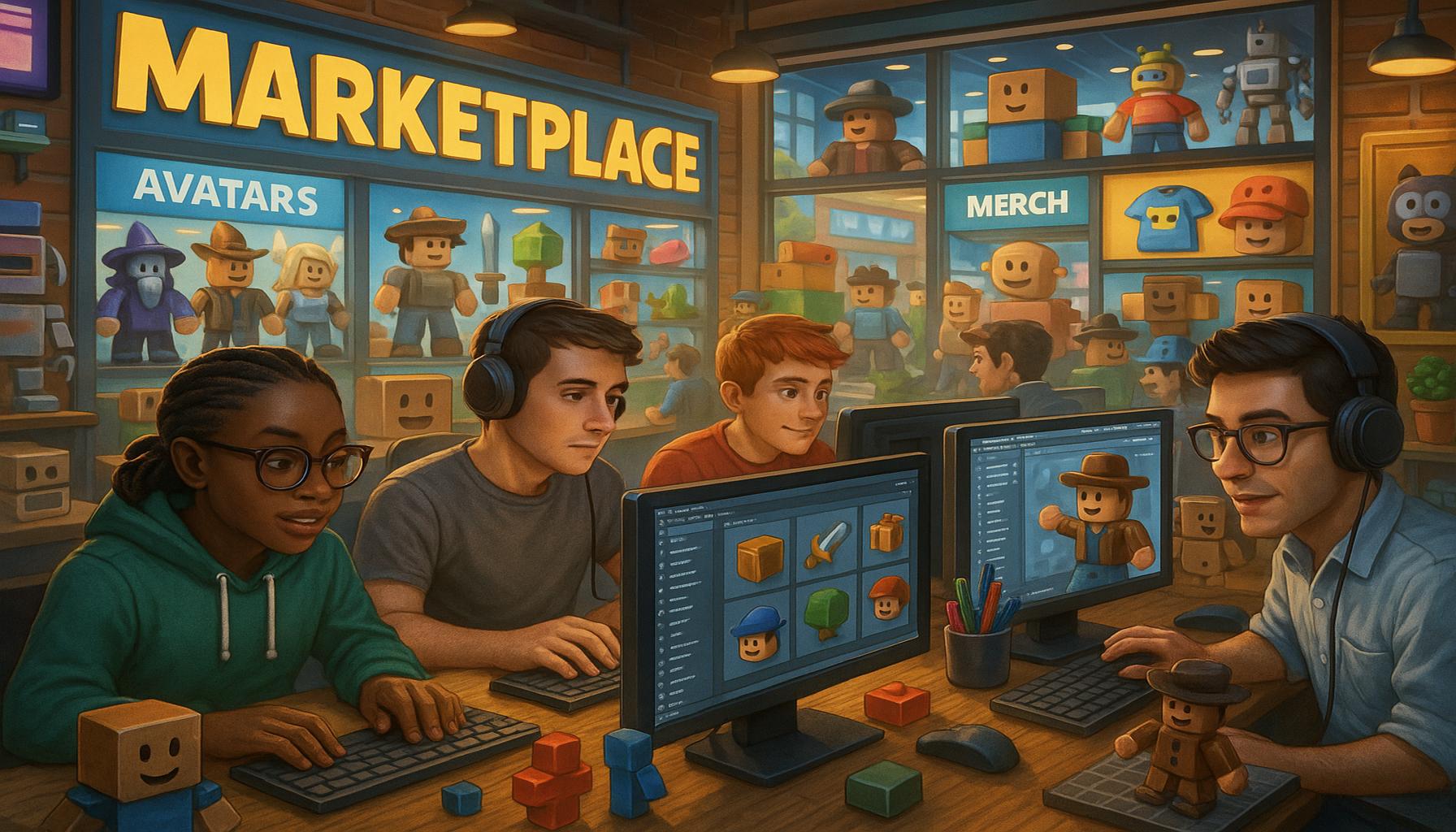
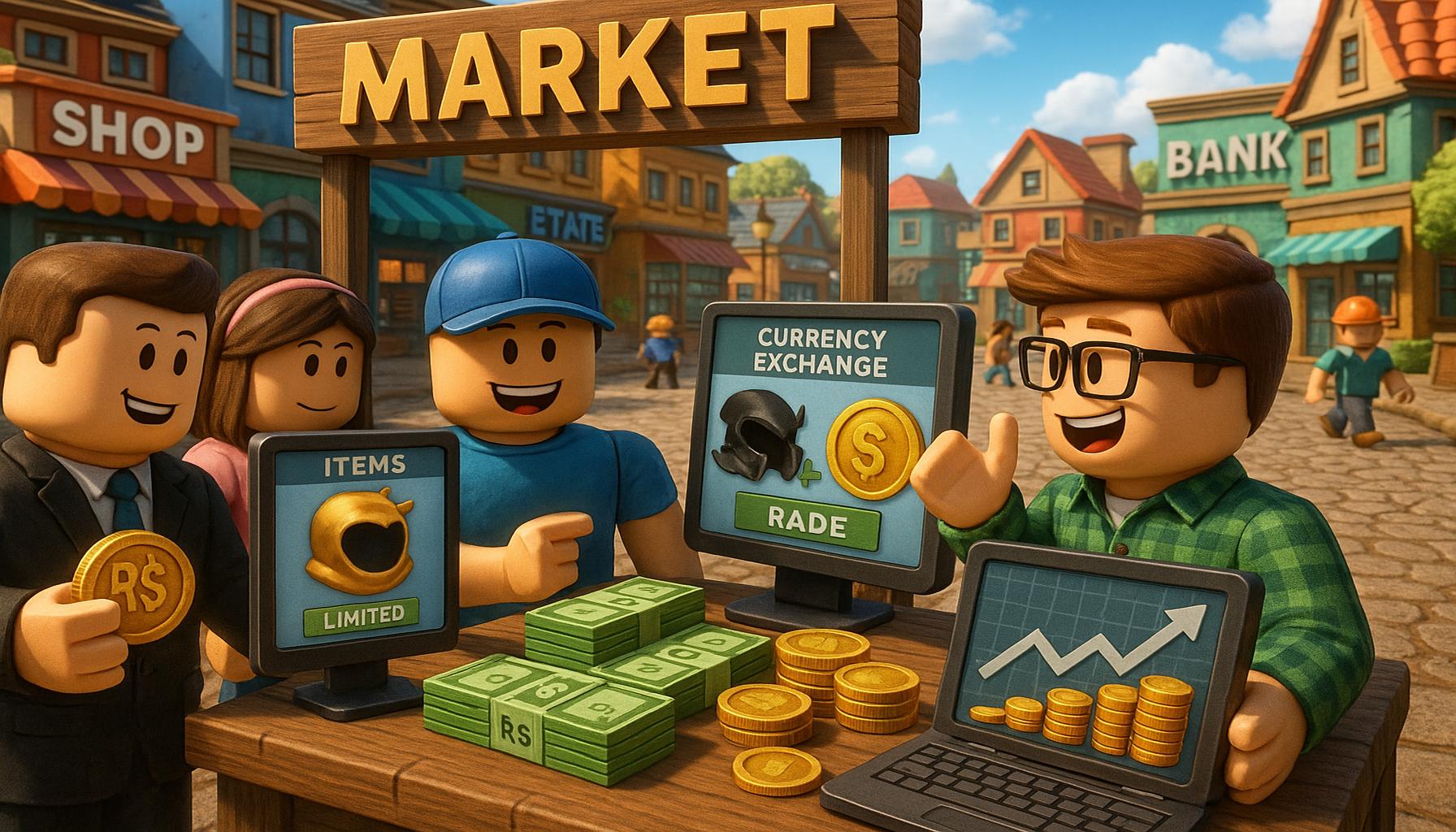
Another crucial aspect of Roblox’s economy is marketplace dynamics. Users have the power to create and sell their own virtual items, such as hats or emotes, which introduces players to concepts such as supply and demand. If a player designs a particularly sought-after item that many users want, they can charge more for it, thereby maximizing their profits. Conversely, if too many similar items flood the market, prices may drop, teaching players the importance of market saturation and competition. For example, if a popular game on Roblox allows users to create custom builds, the value of those creations can fluctuate based on how many players want to buy them. Understanding these dynamics lays a foundation for comprehending more complex economic principles.
Furthermore, the platform allows users to explore investment opportunities. Players can invest in new games or experiences, echoing practices found in traditional stock markets. If a player believes that a game has the potential to become popular, they can choose to financially support its development in exchange for potential returns, similar to buying shares in a company. This feature fosters a understanding of risk management, as players evaluate the likelihood of a game’s success based on the developers’ track record or marketing efforts.
Through these interactions within Roblox, players not only enjoy their gaming experience but also absorb critical financial concepts such as budgeting, entrepreneurship, and risk management. By making decisions about spending, creating virtual businesses, and assessing the risks of their investments, players are effectively training themselves in financial literacy without even realizing it.
In conclusion, Roblox serves as a powerful educational tool in the realm of personal finance. As players navigate its vibrant economy, they cultivate skills and knowledge that will equip them for responsible money management in the real world. Engaging with this virtual environment offers a fun yet significant way to prepare for future financial responsibilities, ultimately enhancing their understanding of economics and personal finance.
SEE ALSO: Click here to read another article
Learning Financial Skills through Gameplay
As players immerse themselves in Roblox, they are not just engaging in a fun pastime; they are also learning essential financial skills. The interactive nature of the platform offers various scenarios that closely mirror real-life financial decisions. In this virtual economy, young users can practice and hone their financial literacy through several key facets of gameplay.
Budgeting in Action
One of the primary skills that Roblox players develop is budgeting. With a finite amount of Robux at their disposal, players quickly learn that managing their resources is crucial for success. For example, consider a player with 800 Robux who encounters multiple appealing items they wish to purchase:
- An exclusive virtual outfit for 300 Robux
- A limited-edition game pass for 500 Robux
- An upcoming event with a special ticket costing 200 Robux
In this scenario, players must make choices that challenge their understanding of financial prioritization. Should they invest in the game pass that enhances their gameplay experience, or save their Robux for the exclusive outfit that could provide social status among peers? By making these choices, players learn the importance of weighing options and making informed spending decisions.
Understanding Supply and Demand
Roblox’s marketplace is another avenue through which players cultivate their financial acumen, especially concerning supply and demand. When players create and sell their virtual items, they enter a marketplace where their products are subject to the same rules governing real-world economics. For example, if a player designs a trendy accessory for avatars that quickly gains popularity, they can charge a premium price due to high demand. Conversely, if other players flood the market with similar items, they may need to lower their prices to remain competitive.
This interaction with market principles teaches players important lessons about:
- The fluctuations in value based on popularity
- The impact of competition on pricing
- The concept of scarcity and its role in determining item value
The Role of Entrepreneurship
Roblox also serves as a significant platform for budding entrepreneurs. Players can develop their own games and experiences, learning about the entrepreneurial process from conception to execution. By determining the pricing of in-game assets and marketing their creations, players are exposed to concepts of income generation and profit margins. For instance, a player might create a new game and charge others a fee to access it. They will learn about profits when the income from game access exceeds their development costs, thus providing an early insight into basic business principles.
In these diverse ways, Roblox not only entertains but also facilitates the practical application of financial skills within a safe and engaging environment. As players navigate their virtual economy, they build a strong foundation for real-world financial literacy that can prove invaluable as they grow and face financial responsibilities in their adult lives.
SEE ALSO: Click here to read another article
Real-World Financial Scenarios in a Virtual Playground
Roblox’s virtual world goes beyond mere entertainment; it serves as a dynamic classroom for players to engage with real-world financial scenarios. Through the immersive experiences provided, players must navigate challenges that reflect economic principles, notably the importance of investment, risk, and diversification. As they explore these challenges, young gamers gain invaluable insights that can transfer to their future financial decision-making.
Investing Wisely
Investment is a crucial aspect of finance, and Roblox effortlessly introduces this concept to its players. Many games feature opportunities for players to invest their Robux in various ventures, such as in-game businesses or special projects that promise in-game rewards. For instance, a player might choose to invest in a newly launched game that allows them to earn a share of the revenue produced by ticket sales or in-game purchases.
This experience teaches players about the potential returns on investment (ROI) and the importance of making informed choices based on research. Before investing, players must evaluate factors such as:
- The game’s popularity and player reviews
- The development team’s history and reliability
- The types of in-game rewards they might expect in return
Through this practice, players learn that not all investments are created equal and that diligent analysis can lead to better financial outcomes.
The Importance of Risk Management
Roblox also emphasizes the concept of risk management within its gaming framework. Players often face situations where they must weigh the potential rewards against the associated risks before making a financial move. For example, a player may need to consider whether to spend a large portion of their Robux on a rare item that could significantly enhance their character’s abilities or save that currency for future opportunities that may arise.
Players learn that every financial decision carries inherent risks, and understanding these risks is vital. They practice assessing their comfort levels with different scenarios, which instills the value of taking calculated risks rather than acting impulsively. This skill is essential as they transition into real-life financial environments, where decisions made without consideration can lead to significant consequences.
Diversifying Investments
Another key financial lesson encountered on Roblox revolves around diversification. Players can purchase various items, invest in games, or collaborate with other users to create new experiences. By mixing and matching investments within their virtual portfolios, they discover the power of spreading risk.
A practical example would be a player who enjoys investing in both virtual properties and unique avatar items. By diversifying, they mitigate the potential losses if one market segment fluctuates. For instance, if the value of certain exclusive items decreases, their other investments could still provide a cushion, minimizing overall financial damage. This lesson mirrors real-world investment strategies that advocate for a balanced approach to portfolio management.
Overall, by engaging with these virtual economic principles, Roblox players are constructing a framework for financial understanding that will equip them with the skills necessary for future financial responsibilities. These experiences help build confidence as they learn to navigate their economic environments, both virtual and real.
CHECK OUT: Click here to explore more
Conclusion: Fostering Financial Literacy Through Game Mechanics
In conclusion, Roblox’s unique virtual economies serve as a powerful tool for enhancing players’ understanding of essential financial concepts. By engaging in in-game activities such as investing wisely, managing risks, and diversifying investments, young players cultivate practical financial skills that are increasingly relevant in today’s economic landscape. These experiences not only entertain but also prepare players for real-world financial challenges they will encounter as they grow older.
As players navigate the vibrant marketplace of Roblox, they learn to evaluate opportunities critically, weigh potential risks, and make informed decisions—skills that will serve them well beyond the game. The ability to analyze the implications of spending and investing lays the groundwork for healthier financial habits that could last a lifetime. For parents and educators, this provides an excellent opportunity to discuss financial principles alongside gameplay, making the lessons more tangible and relatable.
Ultimately, the lessons learned within the virtual realms of Roblox can transfer seamlessly to real-life financial scenarios. As players transition from virtual currencies to actual money management, they can leverage the skills and insights gained through their gaming experiences. Embracing this new approach to financial education may be the key to raising a generation of financially savvy individuals ready to navigate the complexities of the modern economy.

Linda Carter
Linda Carter is a writer and financial consultant specializing in economics, personal finance, and investment strategies. With years of experience helping individuals and businesses make complex financial decisions, Linda provides practical analyses and guidance on the Uma Caixa Cheia platform. Her goal is to empower readers with the knowledge needed to achieve financial success.