The Importance of Data Analysis in Roblox Game Development: How to Use Metrics to Optimize User Experience
Understanding the Role of Data Analysis
In the competitive arena of gaming, especially on platforms like Roblox, data analysis has emerged as an essential tool for developers. With millions of users engaging in a vast array of games, effectively utilizing data can be the difference between a game that flourishes and one that fails to attract attention. By interpreting various metrics, developers can enhance gameplay, tailor experiences, and ultimately increase their success in the marketplace.
Data analysis allows developers to derive insights from player behavior and preferences, enabling them to make informed decisions. Here are some critical areas where data analysis plays a pivotal role:
- User Engagement: Understanding how players interact with a game is vital. For example, tracking metrics such as session length and frequency of play helps developers see which features captivate players. If data shows that a particular level is played more frequently than others, developers might consider expanding upon that experience by adding additional content or challenges.
- Churn Rates: Identifying when players leave the game, and more importantly, why they leave, is essential for retention strategies. Analytics can reveal patterns that lead to player drop-off. For instance, if data shows an increase in churn at a certain level, developers might find that it is too challenging or not engaging enough, prompting a need for adjustments.
- In-Game Behavior: Analyzing how players navigate through challenges or their preferred styles helps in enhancing game design. If players consistently approach tasks in a specific manner, developers can refine these experiences to better suit player preferences, thereby making the game more enjoyable and immersive.
By concentrating on these areas, developers can create games that are not only entertaining but are also catered to the desires of their audience. The implementation of data-driven strategies involves collecting the right metrics, which can significantly enrich the development process. For instance, monitoring user feedback in conjunction with gameplay statistics often leads to breakthroughs in understanding player expectations.
Ultimately, the goal is to optimize user experience. When developers understand the preferences and behaviors of their players, they can foster higher retention and increased interaction rates. In a platform as dynamic as Roblox, making data-informed decisions is no longer a mere trend; it is crucial for thriving in an ever-evolving gaming ecosystem. The ability to adapt and respond to player feedback through thorough analysis can set successful developers apart in this competitive landscape.
SEE ALSO: Click here to read another article
Metrics that Matter: Key Indicators for Data Analysis
To fully harness the power of data analysis in Roblox game development, it is essential to focus on specific metrics that provide insightful feedback on user interactions. By utilizing these key performance indicators (KPIs), developers can identify strengths and weaknesses within their games, ultimately guiding them toward improvements that resonate with players. Here are some of the most relevant metrics to consider:
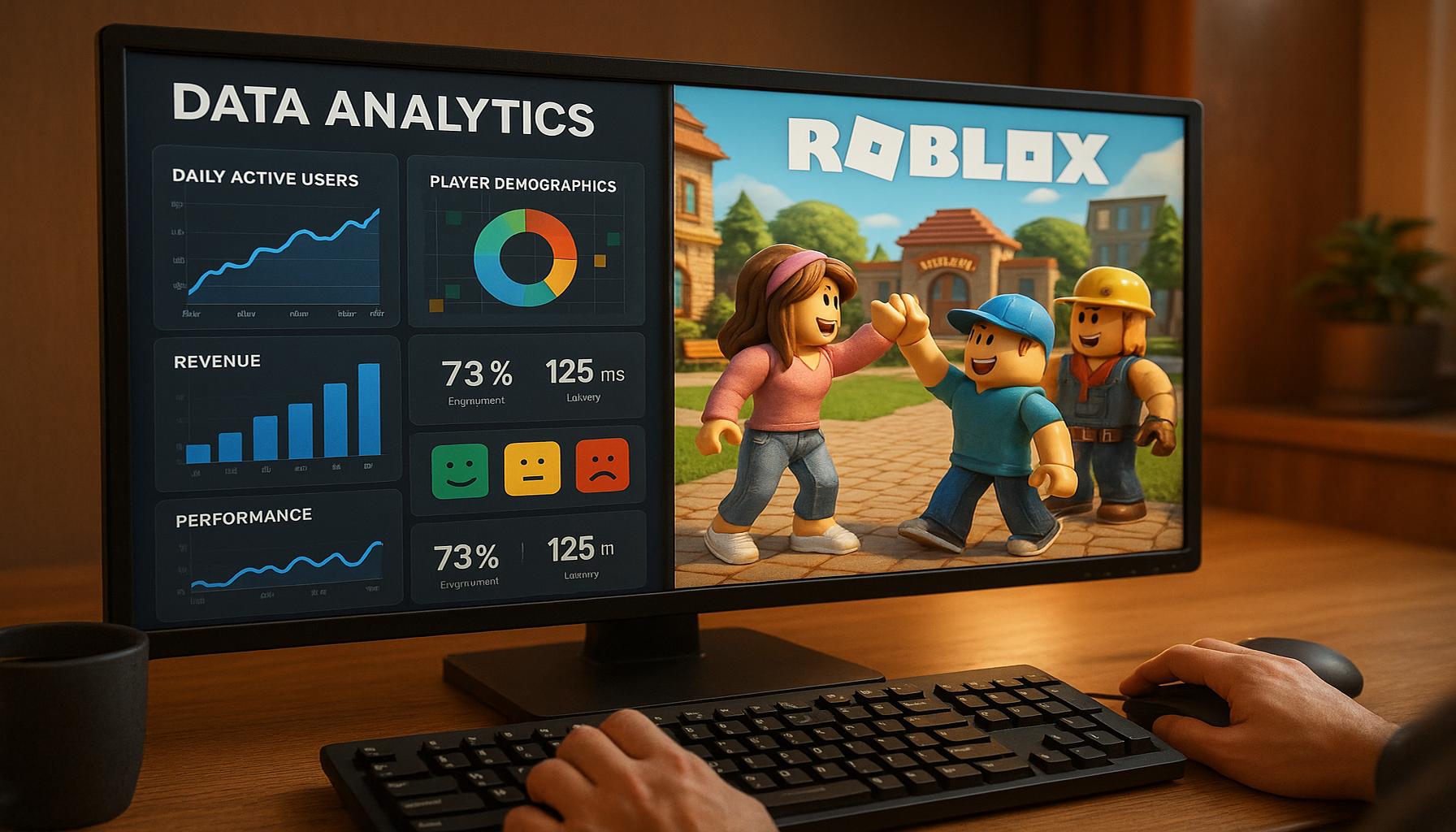
- Daily Active Users (DAU): This metric indicates the number of unique players engaging with the game on a daily basis. A high DAU reflects player interest and engagement, while a decline could signal that additional content or improvements are necessary. Monitoring DAU over time can help developers understand the impact of updates or new features.
- Session Duration: The average time players spend in the game during each session is a vital indicator of engagement. Longer session durations generally suggest that players are finding the game enjoyable. If session durations drop, it might be a sign that players are not finding enough compelling content or that some areas of the game are frustrating to navigate.
- Level Completion Rates: By tracking how many players successfully complete individual levels, developers can assess the difficulty and design of those experiences. Low completion rates may indicate that players are finding the level too challenging or unengaging, prompting a redesign or adjustment to maintain user interest.
Another crucial metric is in-game purchases, especially for developers who opt for monetization strategies. Analyzing in-game purchases can reveal which items players value and are willing to spend Robux on, guiding developers to offer more appealing features or items in the future.
It’s important to note that while data can offer tremendous insights, gathering the right metrics is only part of the solution. Developers must also be adept at interpreting this data in the context of player experience. For instance, understanding why session durations decline or why churn rates increase often requires combining quantitative data with qualitative insights, like user feedback and reviews. This holistic approach is essential for fostering long-term player engagement and improving overall gameplay.
By concentrating on these metrics, developers can create a framework for success. The right blend of gameplay features, responsive design choices, and clear understanding of player preferences can make a significant difference in a game’s performance. Ultimately, the goal of employing data analysis is to nurture and enhance the user experience, paving the way toward sustained growth and player loyalty in the dynamic world of Roblox gaming.
SEE ALSO: Click here to read another article
Leveraging Data Analysis for Targeted Improvements
Having identified key metrics that matter, the next step for developers is to leverage this data to make targeted improvements within their games. The insights gleaned from these analytics can drive specific actions that lead to enhancing user experience, ensuring that players remain engaged and satisfied. Here are some practical ways in which developers can utilize data analysis to influence their game development process:
1. Understanding Player Behavior
One of the most valuable outcomes of data analysis is the ability to understand player behavior deeply. For instance, if developers observe a significant drop-off at a particular level, they should delve into the data to uncover the cause. Analyzing heat maps, which visualize where players spend the most time or where they encounter difficulties, can reveal problem areas that need refinement. Developers might discover that players consistently struggle with complex puzzles or a poorly designed obstacle course. Armed with this knowledge, they can streamline the experience, adjust game mechanics, or provide hints to keep players engaged and moving forward.
2. A/B Testing for Continuous Enhancement
A/B testing is a powerful technique that allows developers to compare two versions of a game feature to determine which one performs better. By using metrics such as DAU and session duration, developers can test variations of game elements—like different tutorials, item pricing, or visual aesthetics—to see which version resonates more with players. For example, if one version of a paid item boosts in-game purchases while reducing session duration, developers may analyze player feedback to understand why this change occurred and make informed decisions about pricing strategies. This iterative approach ensures that updates are data-driven, addressing user needs efficiently and effectively.
3. Fostering Community Engagement
Active engagement with the player community can provide qualitative insights that complement quantitative data analysis. Roblox developers should routinely monitor player forums, social media, and feedback channels. Tapping into this well of feedback can paint a fuller picture of player sentiments, helping to clarify why certain metrics behave as they do. For example, if players are vocal about a specific game feature being too complicated, developers can use this feedback alongside their numerical data to create a user-friendly experience, ultimately leading to improved retention rates.
4. Predictive Analytics for Future Trends
As developers harness the power of historical data, they can also explore predictive analytics to forecast future trends. Utilizing machine learning algorithms on existing player data helps to identify patterns that can predict possible player behaviors. This foresight enables developers to proactively adjust game features, implement new content, or tailor marketing strategies to resonate more with players, ultimately enhancing user experiences. For instance, if the analytics show a seasonal trend in player complaints regarding specific in-game events, developers can prepare tailored responses in advance, ensuring a smoother flow of gameplay.
In summary, the effective use of data analysis in Roblox game development transcends number-crunching; it entails a comprehensive understanding of players and their experiences. By implementing strategies around player behavior, engaging with the community, and predicting future demands, developers can refine their games and create environments where players thrive. Recognizing that user experience is a dynamic game in itself will guide developers on their journey to building more immersive worlds that resonate with players long-term.
SEE ALSO: Click here to read another article
Conclusion
In the ever-evolving landscape of Roblox game development, the role of data analysis cannot be overstated. By effectively utilizing metrics, developers are equipped to make informed decisions that significantly enhance user experience. From understanding player behavior to employing A/B testing, these analytical tools provide insights that are crucial for identifying areas of improvement. Engaging with the player community further enriches this understanding, allowing developers to align game features with user expectations.
Moreover, the integration of predictive analytics empowers developers to anticipate player needs, adapting their games in real-time to stay relevant and enjoyable. This proactive approach not only sustains player interest but also fosters long-term loyalty, ensuring that games can evolve alongside their audience. Each piece of data tells a story, painting a clear picture of what players cherish and where frustrations arise.
As developers continue to hone their skills in data analysis, they can create more immersive, engaging, and satisfying gaming experiences. By prioritizing analytics, the journey of game development transforms into a collaborative relationship with players, leading to enriched worlds that are both fun and fulfilling. Embracing this analytical mindset positions developers for greater success and helps ensure that their creations are not only played but also loved. In the dynamic world of Roblox, leveraging data is indeed a game changer.

Linda Carter
Linda Carter is a writer and financial consultant specializing in economics, personal finance, and investment strategies. With years of experience helping individuals and businesses make complex financial decisions, Linda provides practical analyses and guidance on the Uma Caixa Cheia platform. Her goal is to empower readers with the knowledge needed to achieve financial success.