The Evolution of Virtual Economies in Roblox: Trends and Future Innovations
Overview of the Roblox Virtual Economy
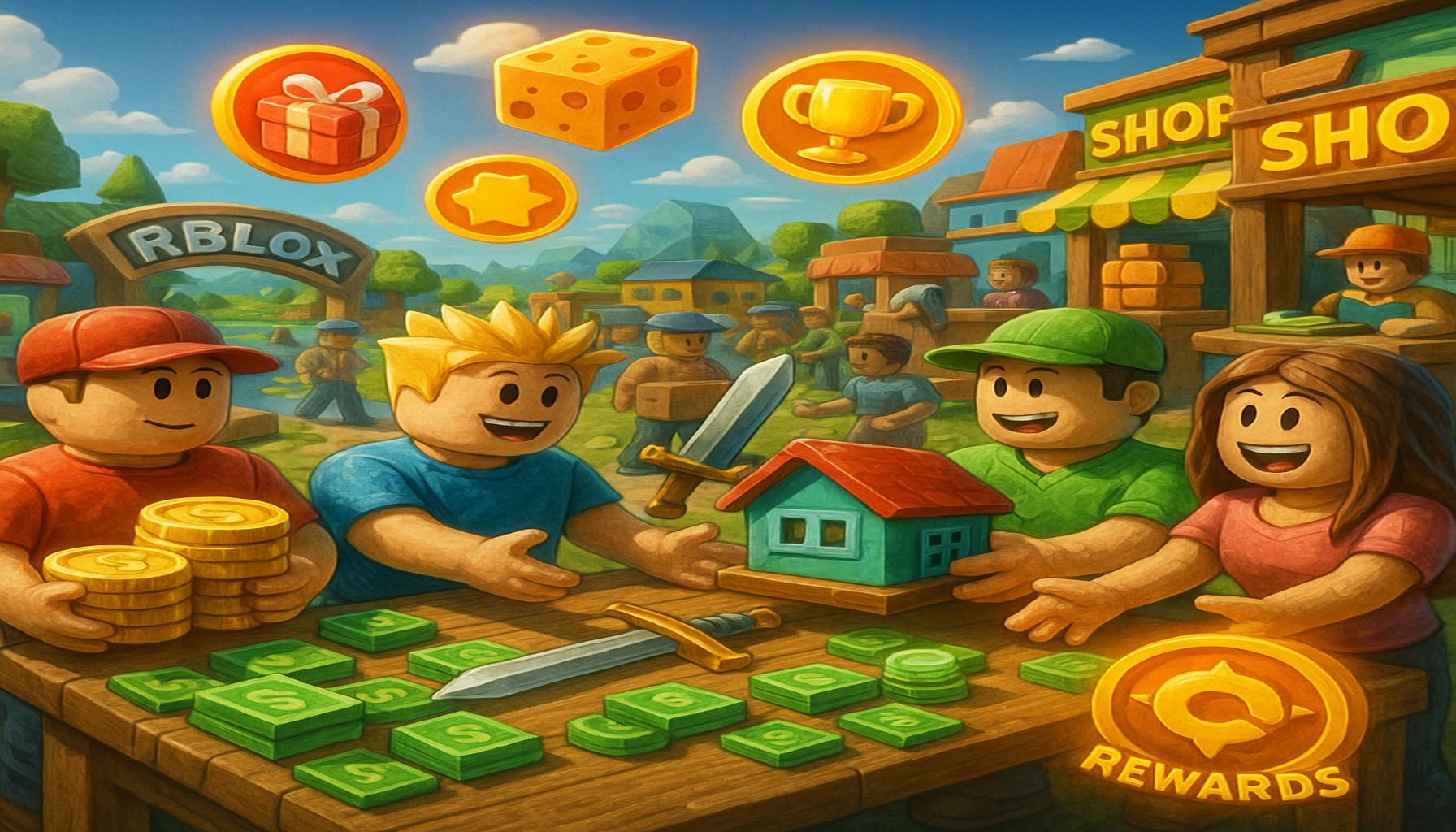
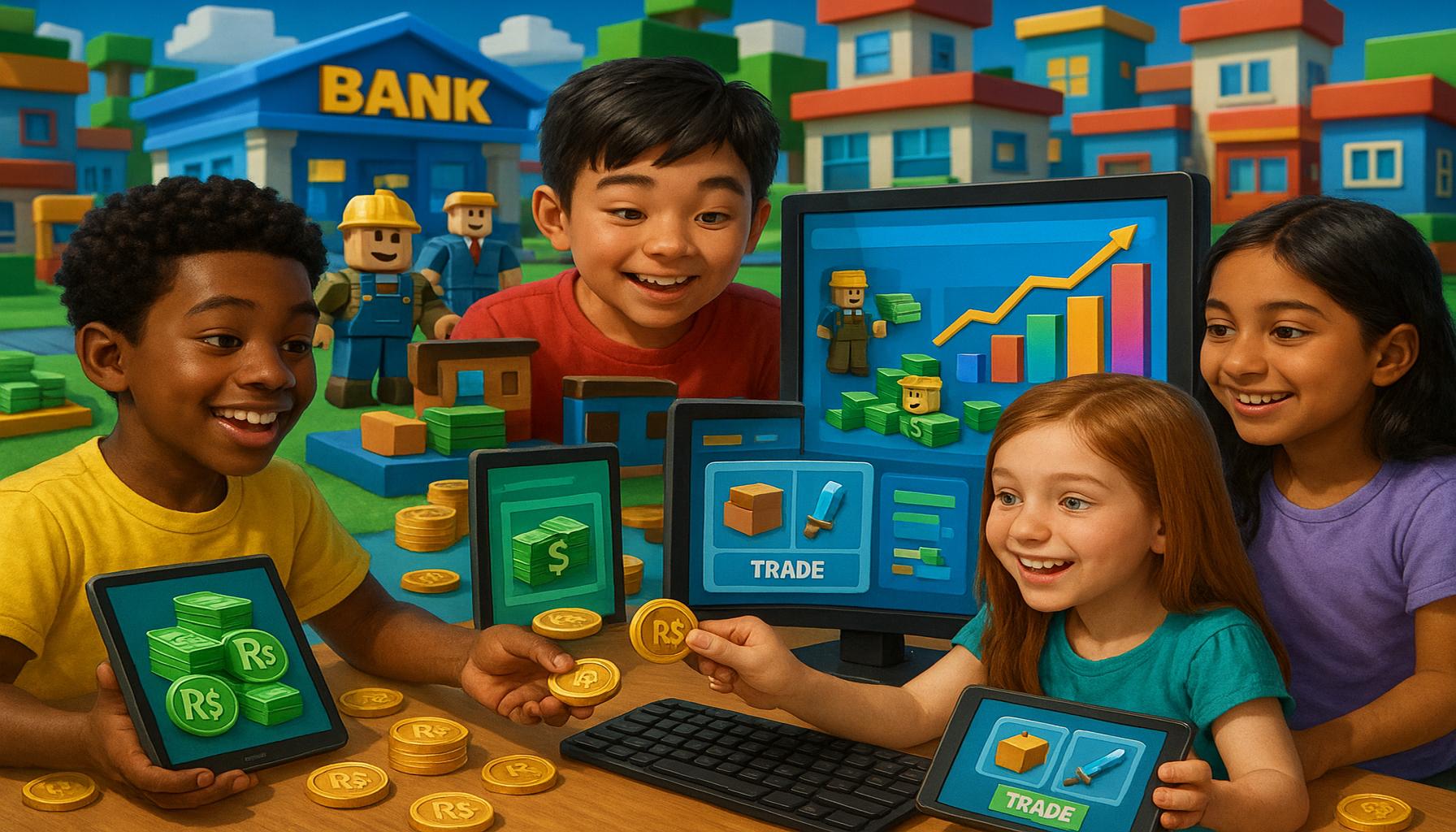
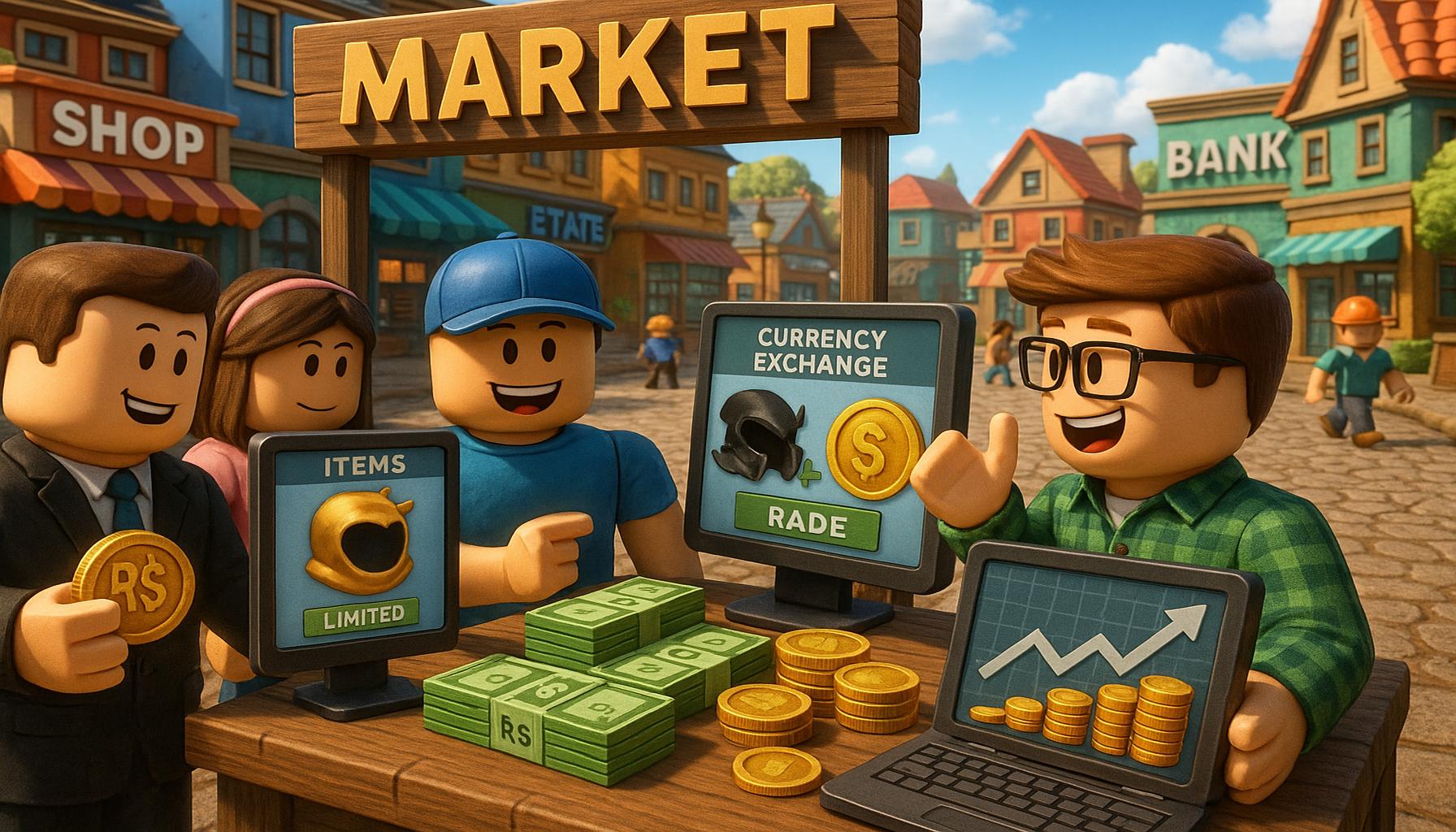
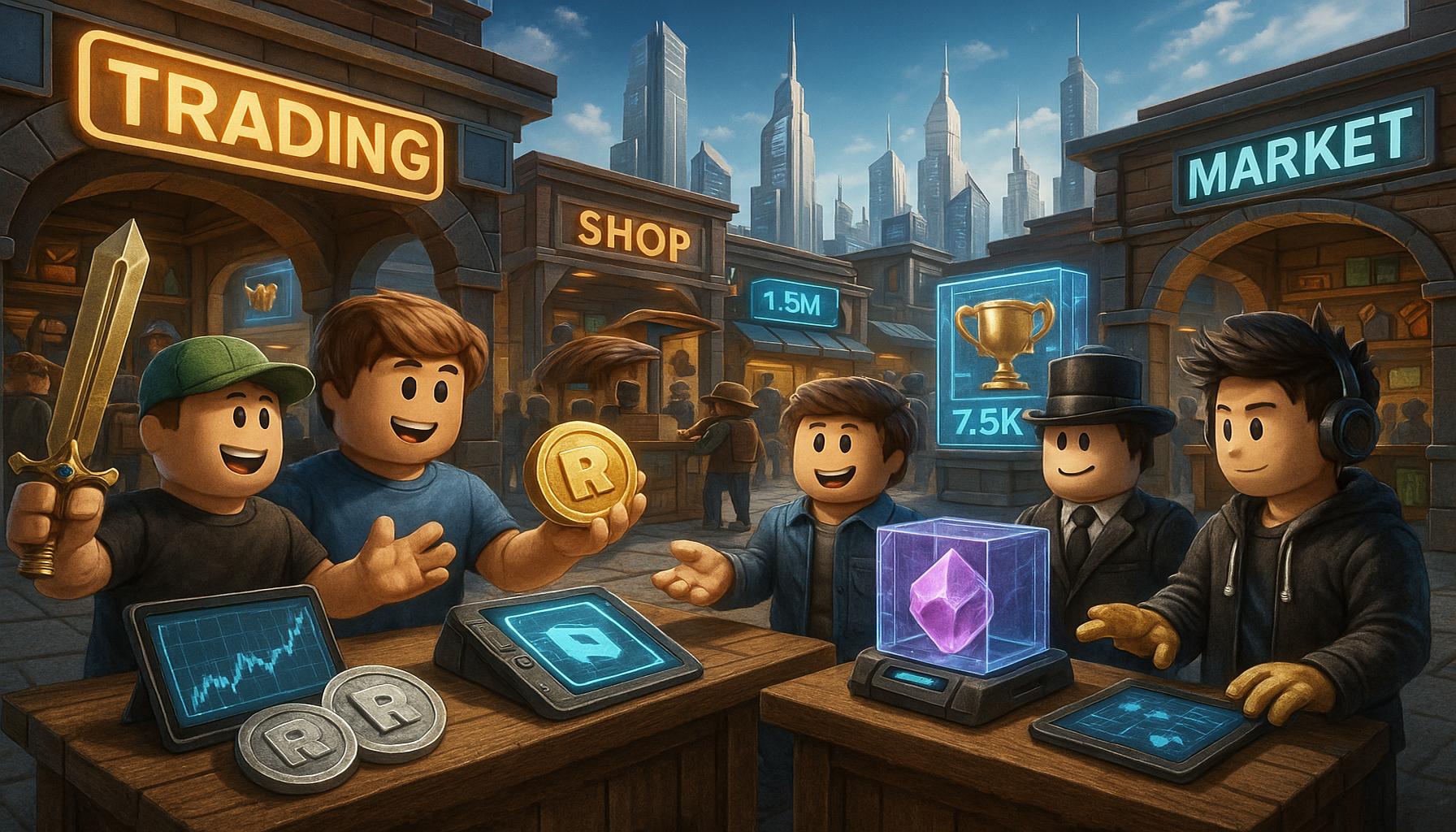
As players immerse themselves in the dynamic world of Roblox, they find themselves engaging with a **thriving virtual economy** that has undergone significant transformations since its inception. This economy is not merely a byproduct of gameplay; it is a complex system that serves as a backbone for the platform, offering players a means to earn, spend, and strategize their financial activities in innovative ways.
Robux: The Heart of the Economy
At the center of this economy is **Robux**, the primary currency in Roblox. Players use Robux to buy a variety of in-game items, accessories, and game passes that enhance their gaming experience. For example, a player might spend Robux to acquire a unique outfit for their avatar, which not only allows for personal expression but can also afford them advantages in gameplay. The use of Robux extends to purchasing access to specific game experiences, effectively locking certain content behind a paywall. This system not only monetizes player engagement but also incentivizes developers to create high-quality content.
User-Generated Content: Creating Economic Opportunities
The ability for users to create and monetize their own content is another critical aspect of the Roblox economy. Developers can design games, virtual items, and even custom furniture, then set prices that players can pay in Robux. This is a prime example of a **marketplace that thrives on creativity**. Consider the case of a developer who created a popular racing game. By offering game passes that enhance speed or provide exclusive vehicles, they not only improve player experience but can also earn significant income. Various success stories illustrate how imaginative game developers have generated substantial revenue, leading to real-world financial opportunities.
Events and Promotions: Catalysts for Economic Activity
Seasonal events and promotional campaigns also play a vital role in stimulating the Roblox economy. These events, such as holiday-themed games or collaboration with popular franchises, attract a surge of players eager to participate and spend their Robux. For instance, a Halloween event might feature a limited-time game that offers exclusive, themed accessories. Such time-limited opportunities create a sense of urgency, encouraging players to engage more deeply and make purchases to avoid missing out. These events not only invigorate the marketplace but also foster a community feel, as players come together to celebrate shared interests.
Future Trends in the Roblox Economy
As Roblox continues to evolve, the potential for future advancements in its virtual economy looks promising. Innovations in technologies such as blockchain could allow for even more secure transactions or verifiable ownership of digital assets. Moreover, the growth of immersive experiences like virtual reality could reshape how players interact with the economy. Understanding these developments will be crucial for both players and developers as they navigate the shifting landscapes of virtual finance within Roblox.
Ultimately, the Roblox economy is a fascinating example of how virtual environments can create real-world implications. By engaging creatively, spending wisely, and participating actively, players can optimize their experiences while contributing to the vibrant financial ecosystem of Roblox.
CHECK OUT: Click here to explore more
A Deep Dive into Roblox’s Economic Mechanics
The evolution of the virtual economy in Roblox reflects broader trends in gaming and online interactions. At its core, this economy thrives on the interactivity and personalization that Roblox offers, setting it apart from more traditional gaming models. Players are not just consumers; they are also creators, contributing actively to the economic landscape.
The Role of Developers
Roblox serves as a platform where independent developers can create unique games and virtual experiences, turning them into viable revenue streams. This democratization of game development has led to incredible diversity in the marketplace. Here, developers can:
- Create immersive gaming experiences: From obstacle courses to social hangouts, developers can design games that resonate with various interest groups.
- Monetize virtual creations: By allowing the sale of game passes and premium items for Robux, developers have the opportunity to profit from their creativity.
- Engagement and community building: The feedback loop from players helps developers improve their games, fostering communities that are economically beneficial.
For instance, consider a developer who introduces a unique pet feature within a popular game. By allowing players to purchase exclusive pets with Robux, not only is the gameplay enhanced, but the developer also finds a new revenue source. This symbiotic relationship between players and creators is fundamental to the vibrant economic activity within Roblox.
The Impact of User Customization
Another crucial aspect of Roblox’s economy is user customization, which allows players to personalize their avatars and environments. The demand for customized items has led to a flourishing marketplace, where players are willing to spend their Robux on:
- Clothing and accessories: Unique outfits enable players to express their individuality.
- Customized game environments: Players can transform their virtual spaces, making them distinct and inviting.
- Avatar enhancements: Rare items often provide gameplay advantages, increasing their desirability.
This focus on customization contributes to a sense of ownership and pride among players, encouraging them to invest time and money into their virtual personas. As a result, the accessibility of design tools for creating custom content encourages players to engage further, fueling the economy even more.
Social Interactions and Collaborative Ventures
Moreover, the social connections fostered through the Roblox platform drive economic activity. Players often form groups or collaborate on projects, which can lead to joint ventures that are both creative and profitable. For instance:
- Group funds: Groups can pool Robux to create shared experiences or enhance features within their games.
- Collaborative games: A team of developers could work together on a game, each contributing their expertise and sharing in the revenue generated.
- Networking opportunities: Players often connect with actual creators, which opens doors to further collaboration.
This blend of social interaction and economic opportunity creates a thriving ecosystem where players feel valued and empowered. As the Roblox economy continues to evolve, it sets a precedent for how virtual worlds can harness creativity and community engagement for economic growth.
SEE ALSO: Click here to read another article
Trends in Monetization Strategies
As the Roblox platform has expanded, so too have the monetization strategies available to developers and players. With more than 200 million monthly active users, Roblox has become a significant player in the gaming landscape, inspiring new economic trends driven by user engagement and innovation.
Emergence of Subscription Models
One notable trend is the shift toward subscription-based models. Roblox introduced the Roblox Premium subscription, which grants members a monthly allotment of Robux, exclusive items, and access to specific features. This model not only provides a steady revenue stream for developers but also incentivizes players to spend within the ecosystem.
- Increased spending: Studies have shown that users with subscriptions are more likely to spend additional money, further enhancing the economic activity on the platform.
- Incentives for unique content: Developers are encouraged to create exclusive experiences for Premium members, which can drive further engagement and competition among creators.
- Accessible growth: The predictable income through subscriptions allows developers to plan for future projects rather than relying solely on one-time purchases.
Subscription services have become integral in many digital economies, and Roblox stands as a fitting example of how this model translates into virtual environments.
The Rise of Virtual Real Estate
Another fascinating trend in Roblox’s economy is the emergence of virtual real estate. Players can purchase and customize virtual plots of land, an avenue that has gained considerable traction for various reasons:
- Investment opportunities: Some players view virtual real estate as an investment, buying and developing properties to later sell at a profit.
- Enhanced game creation: Developers use virtual land to create new experiences, making the space a locus for creativity and community engagement.
- Brand collaborations: Companies are increasingly interested in securing virtual spaces for marketing purposes, leading to collaborations that further monetize these areas.
This trend not only reflects the demand for virtual ownership but also highlights the potential for economic growth through innovative real estate development within gaming platforms.
Game Passes and Limited-Time Offers
The introduction of game passes and limited-time offers represents another vital trend in the Roblox economy. Developers create special passes that grant players unique abilities or access to exclusive content, generating excitement and urgency:
- Creating demand: Limited-time offers encourage players to make impulsive purchase decisions, dramatically impacting revenue during specific promotional periods.
- Enhancing the gameplay experience: Game passes can bring unique gameplay elements that improve player retention and encourage repeat visits to games.
- In-game events: Seasonal or themed events often include exclusive items available through game passes, integrating economic activity with the gaming experience.
This strategy illustrates how essential it is for developers to remain agile, adapting to trends while enriching their games to keep users involved and invested.
The Future of Virtual Economies in Roblox
As technology continues to advance, the future of Roblox’s virtual economy appears bright, offering many avenues for innovation. Potential developments might include enhanced virtual reality (VR) experiences, cross-game economies, and improved user-generated content tools that further empower players to engage creatively and economically.
Moreover, as other platforms observe Roblox’s successes, they may adopt similar strategies to improve their economies, ultimately contributing to the wider landscape of virtual economies across the gaming industry.
SEE ALSO: Click here to read another article
Conclusion
The evolution of virtual economies in Roblox reflects not only the platform’s unparalleled growth but also the creativity and entrepreneurial spirit of its community. As highlighted, the shift towards innovative monetization strategies, such as subscription models and virtual real estate, has opened new pathways for developers to thrive. This has transformed Roblox from a simple gaming platform into a complex economic landscape where players can invest, trade, and create.
Moreover, the popularity of game passes and limited-time offers emphasizes the importance of urgency and exclusivity in driving consumer engagement. These strategies are essential in maintaining player interest and stimulating economic activity. Looking ahead, the future appears promising, with advancements in virtual reality (VR) and cross-game economies set to further enrich the user experience. As developers harness new tools for content creation, we can expect to see even more diverse and engaging environments that promote collaboration and creativity.
Roblox’s success serves as a compelling case study for other platforms striving to build their virtual economies. By leveraging community engagement and evolving monetization strategies, the potential for growth is immense. As virtual worlds continue to gain prominence, understanding these trends will be crucial for players and developers alike, paving the way for a vibrant and sustained economic ecosystem in the gaming industry.

Linda Carter
Linda Carter is a writer and financial consultant specializing in economics, personal finance, and investment strategies. With years of experience helping individuals and businesses make complex financial decisions, Linda provides practical analyses and guidance on the Uma Caixa Cheia platform. Her goal is to empower readers with the knowledge needed to achieve financial success.