Impact of Roblox’s Virtual Economies on Gamer Culture and the Entertainment Industry
Understanding the Impact of Roblox’s Virtual Economies
Roblox has become a game-changer in the gaming world, not merely as a platform for play but as a multifunctional space where social interactions flourish. The profound impact of its unique ecosystem lies in its focus on user-generated content, its virtual currency known as Robux, and the economic opportunities it provides to aspiring creators. These elements work together to create a vibrant community that influences both gamer culture and the wider entertainment landscape.
User-Generated Content
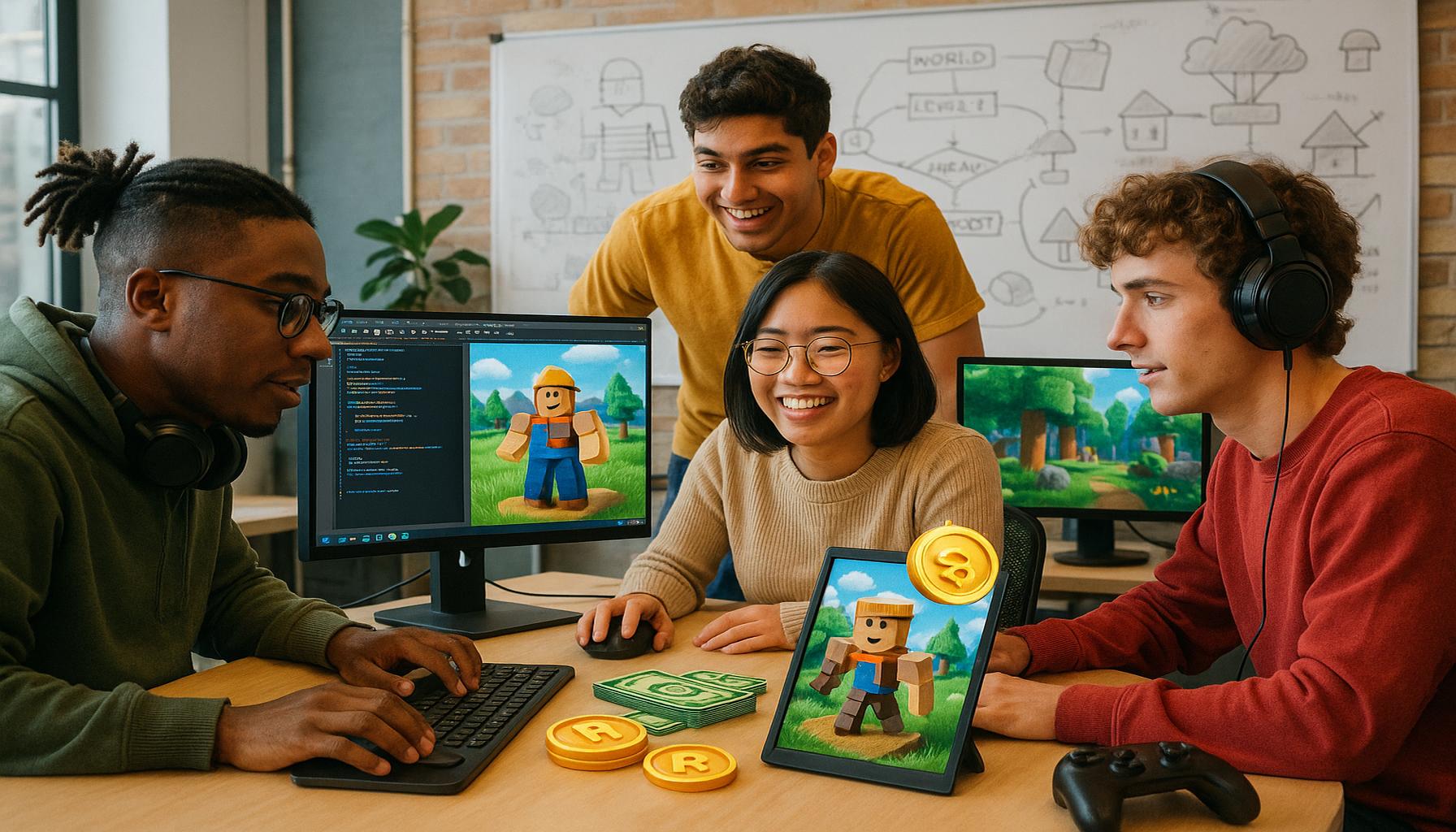
One of the most distinctive features of Roblox is its emphasis on user-generated content. Players are not just passive consumers; they are active creators. This means anyone can design their own games and experiences using Roblox’s creation tools. A prime example is the game “Adopt Me!”, which was developed by a small team and has grown to become one of the most popular on the platform. Such games showcase the power of interactive storytelling, as these creators build worlds where players can engage, collaborate, and share their experiences. The richness of content on Roblox contributes to its appeal, making it a diverse universe where virtually anything can be imagined and experienced.
Virtual Currency
Central to Roblox’s economy is its virtual currency, Robux. This currency enables players to purchase a variety of items, upgrades, and features within games. For example, players might buy special outfits for their avatars or access to premium game areas with Robux. This not only enhances gameplay but also allows players to feel a sense of investment in their experiences. The model is akin to in-game purchasing systems seen in other popular games, but Roblox takes it a step further by enabling creators to earn Robux through their games, providing an incentive for innovation and quality content.
Economic Opportunities
The democratization of game development through Roblox opens significant economic opportunities. Talented creators can monetize their games, allowing them to convert their creativity into real-world income. This monetization is done through various methods, such as selling in-game items or game passes that enhance user experience. Notably, players can even withdraw their earned Robux for real money, creating pathways for young developers to pursue careers in the gaming industry. Success stories are abundant; for instance, one young developer reportedly made over $1 million from their game, demonstrating how Roblox can serve as a launchpad for future entrepreneurs.
In conclusion, the various facets of Roblox’s virtual economy significantly influence both gamer culture and the entertainment industry. Through active engagement, robust economic systems, and innovative content creation, Roblox fosters a community that not only reflects contemporary cultural dynamics but also shapes the future of digital entertainment. This evolution underscores the importance of understanding and embracing these economic models as they continue to transform our experiences with gaming and beyond.
SEE ALSO: Click here to read another article
The Role of Virtual Economies in Shaping Gamer Engagement
The virtual economy in Roblox does not merely impact how games are developed; it also deeply influences how players engage with them. Understanding this dynamic is essential to grasping the current trends in gamer culture. As players invest their time and resources into their virtual experiences, they cultivate a sense of ownership and belonging within the Roblox community.
Player Investment and Engagement
When players purchase items or access exclusive game features using Robux, they are contributing to a cycle of investment that enhances their overall gaming experience. This investment manifests in several ways:
- Enhanced Personalization: Players can tailor their avatars and experiences, choosing customized outfits, accessories, and abilities that reflect their unique identities.
- Access to Exclusive Content: By spending Robux, players gain entrance to special game areas or unlock premium features, creating a sense of exclusivity and achievement.
- Social Connections: As players collaborate and share experiences in these personalized environments, they foster relationships that can extend beyond the game itself, promoting a sense of community.
This level of engagement distinguishes Roblox from other gaming platforms. Players do not merely play games; they become entwined in a lively social fabric that rewards creativity, collaboration, and competition. Consequently, the bonds forged in these virtual settings often translate into friendships and partnerships in the real world. Gamers might share tips for success or collaborate on new projects, reflecting the interconnectedness of the Roblox community.
Emergence of Influencer Culture
The economic opportunities presented by Roblox have also given rise to a new wave of influencer culture within gaming. As creators develop popular games and experiences, many gain significant followings on platforms like YouTube and Twitch. These influencers often share their gameplay, providing insights, tutorials, and entertaining commentary that enhances the community experience. Some popular Roblox influencers utilize their platforms not only to promote their creations but also to educate others on game design and monetization strategies, effectively building mini-courses through their streams.
This growing influencer presence impacts both gamer culture and the wider entertainment industry in several ways:
- Inspiration for Future Developers: Young players who watch these influencers are motivated to try their hand at game development themselves, leading to a surge in creative output.
- Branded Collaborations: Influencers often partner with brands to promote products within Roblox, merging traditional advertising techniques with new, interactive formats.
- Shifting Industry Landscape: As influencers gain clout, the traditional gaming industry is forced to adapt, recognizing the potential of user-generated content and community engagement.
In summary, the virtual economies of Roblox significantly shape how players interact with the platform, leading to enhanced engagement and fostering a culture rich with creativity and social connection. Understanding these trends provides valuable insight into the evolution of gamer culture and the entertainment industry, marking a shift toward more collaborative and participatory experiences in digital spaces.
CHECK OUT: Click here to explore more
The Economic Impact of Roblox’s Virtual Worlds
The virtual economy of Roblox not only influences player engagement and creativity but also has broader economic implications that ripple through the gaming industry and beyond. This innovative economic model allows players to earn real money through in-game contributions, fundamentally shifting the way gamers and developers perceive value in gaming.
Real-World Financial Opportunities
Roblox developers can transform their in-game creations into viable revenue streams. By the end of 2020, Roblox reported that its developers earned over $250 million collectively, showcasing how game design can translate into significant income. This reality enables aspiring game developers, often young teenagers, to envision careers in the gaming industry, leveraging their creativity for financial gain. For example, 16-year-old David Baszucki, the co-founder of Roblox, turned his hobby into a multimillion-dollar company, encouraging others to pursue similar paths.
This possibility greatly impacts how players view their time spent on the platform. As players engage in game design and development, they often approach their gaming activities with a new business mindset. They learn valuable skills such as marketing, coding, and design—all of which are applicable to careers outside the gaming sphere. In this way, Roblox functions as both a playground and a launchpad for future entrepreneurs.
The Rise of User-Generated Content
Roblox’s business model thrives on user-generated content, where players’ creations contribute to the platform’s overall appeal. This model encourages creativity among players, pushing them to innovate and explore beyond typical gaming parameters. The diversity of user-generated experiences is reflected in the wide variety of available games, ranging from simple obstacle courses to elaborate simulations that mimic real-world businesses.
- Skill Development: As players design and create their games, they often learn programming languages, game mechanics, and even virtual economics, providing a unique educational experience. For example, developers may utilize Lua, a popular programming language, to create custom scripts within their games.
- Quality and Variety: With millions of developers creating content, the variety of games keeps the user base engaged, ensuring that players always have fresh experiences. The community-driven aspect leads to innovation through trends, where successful game mechanics and themes are replicated and refined by others.
- Market Dynamics: The introduction of various monetization strategies—such as selling items for Robux or creating game passes—contributes to a dynamic marketplace. Developers adjust their pricing strategies based on player feedback and engagement, mirroring real-world economic principles.
Influence on Traditional Media
As Roblox continues to flourish, it draws attention from outside the gaming community, particularly in the realm of traditional media. Broadcast networks and film studios recognize the power of gaming platforms as marketing tools. Collaborations, such as themed in-game events or promotional content linked to new film releases, demonstrate how Roblox can alter advertising landscapes.
For instance, tie-ins with popular franchises allow players to engage with their favorite characters and stories in interactive ways, transforming traditional passive viewing into active participation. This shift indicates not only a change in marketing strategies but also a broader embrace of interactive entertainment as a legitimate form of storytelling.
With its intricate virtual economy, Roblox is paving the way for a new era in gaming that extends beyond mere entertainment, reshaping career paths for players, influencing traditional media, and redefining the value of creativity in the digital space.
CHECK OUT: Click here to explore more
Conclusion
In summary, the impact of Roblox’s virtual economies extends far beyond the gaming experience, reshaping not only gamer culture but also the broader entertainment industry. The platform’s innovative approach allows millions of players to engage in game development, fostering a community that thrives on creativity, entrepreneurship, and skill development. As players view their in-game efforts through a business-oriented lens, they cultivate practical skills that can translate into real-world opportunities, effectively blurring the lines between gaming and career paths.
The emergence of user-generated content has revolutionized the gaming landscape, leading to a diverse ecosystem of games that reflect various interests and aspirations. This collaborative spirit not only keeps players engaged but also drives a continuous cycle of innovation and improvement, ensuring that the gaming experience remains fresh and exciting. Moreover, the interactions between gaming platforms like Roblox and traditional media signify a shift in how stories are told and consumed, merging interactivity with storytelling in ways that resonate with younger audiences.
As we move forward, it is essential to recognize the transformative potential that platforms like Roblox hold for both gamers and the entertainment industry. By cultivating an environment that empowers players to create, share, and monetize their work, Roblox is setting a precedent for future gaming experiences and redefining how we consider value and creativity in the digital age.

Linda Carter
Linda Carter is a writer and financial consultant specializing in economics, personal finance, and investment strategies. With years of experience helping individuals and businesses make complex financial decisions, Linda provides practical analyses and guidance on the Uma Caixa Cheia platform. Her goal is to empower readers with the knowledge needed to achieve financial success.