How Transactions in Roblox Impact the Digital Economy and Game Monetization
The Financial Ecosystem of Roblox
The world of gaming is evolving rapidly, and platforms like Roblox are at the forefront of this digital transformation. With millions of users actively engaging in various gaming experiences, the financial dynamics within Roblox significantly influence both the digital economy and game monetization strategies. This robust platform has redefined how players interact with games, turning gameplay into a lucrative economic ecosystem.
One of the most significant components of this ecosystem is the User Transactions. Players invest in in-game currency known as Robux, which can be used for a variety of enhancements within the platform, from purchasing virtual apparel for their avatars to unlocking unique game features or tools that elevate their gameplay experience. For example, a player might buy a limited-edition hat for their character to stand out in a crowded virtual marketplace or pay for game passes that unlock exclusive levels. This interaction between monetary investment and gaming pleasure illustrates a direct link between financial transactions and user satisfaction.
Developer Earnings: Incentivizing Creativity
Another crucial aspect is Developer Earnings. Roblox empowers creators by allowing them to earn a portion of the transactions made through their games. This mechanism not only serves as a source of income for developers but also encourages a thriving creative environment. Think about popular titles on Roblox such as “Adopt Me!” or “Brookhaven”; these successful games often originate from passionate creators who may have started with minimal resources. For instance, a game developer could earn substantial revenue by simply implementing an engaging user experience that attracts many players, showcasing how monetization fosters innovation and creativity.
Shaping Market Trends
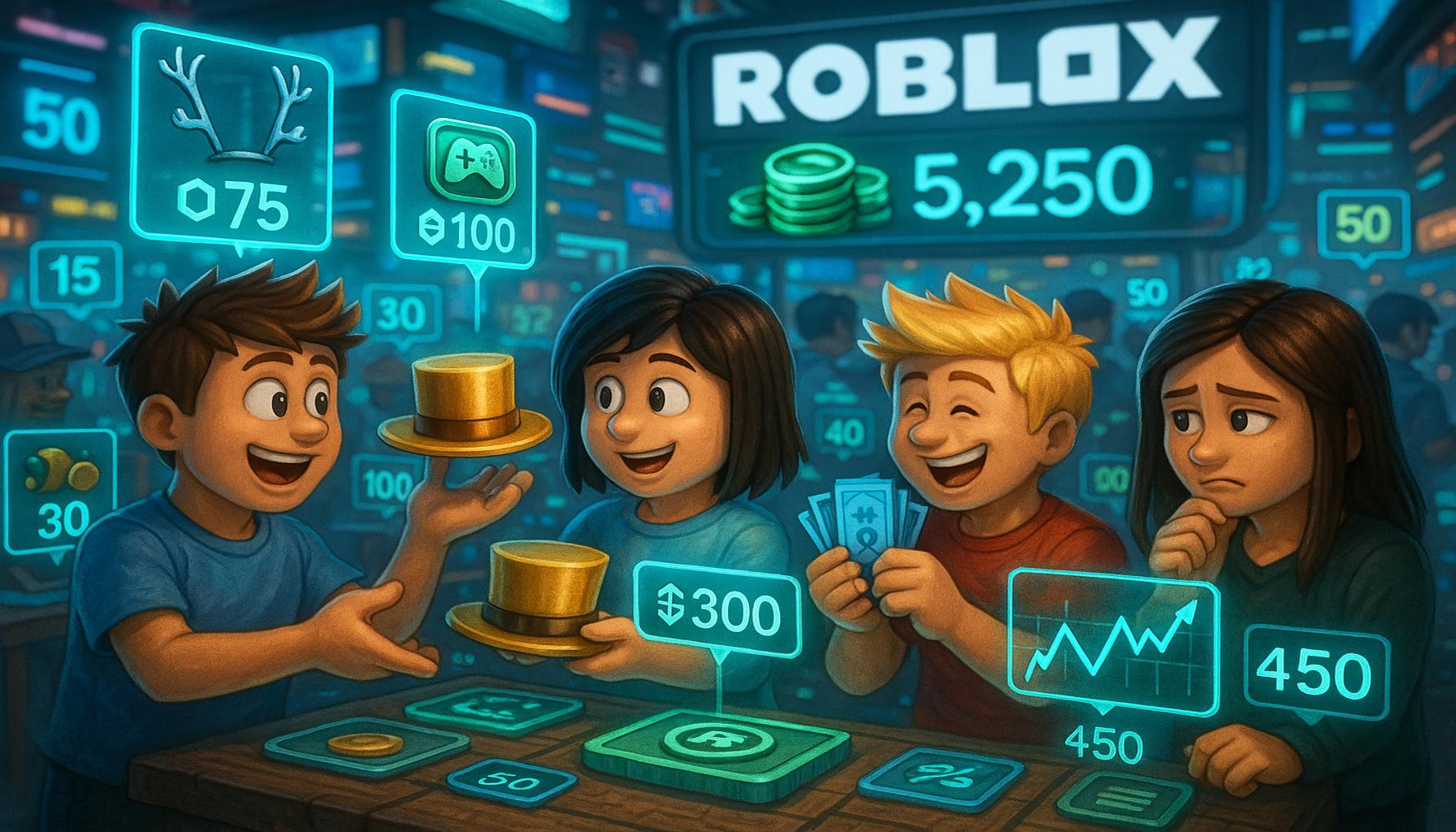
The impact of transactions extends to Market Trends as well. The influx of transactions helps shape market values and trends within the gaming industry. As certain games or virtual items become popular, their demand can skyrocket, creating a ripple effect across the platform. This phenomenon is similar to stock market trends, where player interests can lead to increasing value for particular in-game assets, influencing developers to adjust their strategies accordingly. For instance, if a particular type of game or item gains immense popularity, developers might pivot to create similar experiences, illustrating the adaptive nature of market dynamics in the gaming sector.
In this vibrant virtual space that blends creativity and commerce, Roblox stands out as an exemplary case study. Understanding the relationship between gaming transactions and broader economic effects is crucial for developers and players alike. It not only showcases the potential for personal growth via creative efforts but also raises questions about the future of economic interactions in digital realms.
This article will explore how transactions in Roblox not only benefit individual users but also contribute to a larger conversation about the future of the digital economy. Join us as we delve into the nuances of game monetization and its implications for the gaming landscape, emphasizing how this interactive platform paves the way for future innovations in both entertainment and economic exchanges.
SEE ALSO: Click here to read another article
The Power of User Transactions
At the heart of Roblox’s financial ecosystem lies User Transactions. Each time a player purchases Robux, they are not just spending money; they are participating in an intricate economic system that drives the entire platform. These transactions serve several purposes that are vital for both the players and developers, laying the groundwork for the thriving environment that Roblox has cultivated.
Players can utilize Robux in various ways, enhancing their personal gaming experience while also supporting the developers who create the games they love. Some common uses for Robux include:
- Purchasing In-Game Items: Players might buy virtual clothing, accessories, or special abilities to customize their avatars, allowing them to express their individuality within the game.
- Accessing Premium Features: Many developers offer game passes that unlock exclusive content or advantages, encouraging players to invest in their gaming experience.
- Contributing to Creative Projects: Users may support their favorite developers by purchasing items that directly benefit game creation, fostering a sense of community and ownership.
These transactions are not just about spending money; they illustrate the deep connection between financial investment and user satisfaction. When players invest in their gaming experiences, they often feel more engaged and valued within that community, leading to longer play sessions and increased loyalty to particular games or developers.
Roblox as a Marketplace for Innovation
The implications of these transactions extend beyond just individual players. The way Roblox facilitates user spending creates a vibrant Marketplace for Innovation. Developers are incentivized to create fresh, engaging content that attracts players and encourages them to spend. This results in a cycle where creativity leads to monetary gain, which in turn fuels further innovation.
For example, a developer may notice that certain themed items or gameplay features are particularly popular, prompting them to experiment with similar designs. This responsiveness to user preferences helps foster a dynamic gaming environment where players continuously receive new and exciting experiences.
Fostering a Competitive Landscape
The economic activities within Roblox also contribute to a Competitive Landscape that benefits both players and developers. With countless games available, developers are pushed to differentiate their offerings through innovative gameplay mechanics, unique storytelling, or visually captivating designs. As they compete for players’ attention and spending, the overall quality of games on the platform improves. This competition ultimately enables players to choose from a diverse range of experiences, tailoring their gaming to what they enjoy the most.
In sum, user transactions in Roblox are foundational elements that not only enhance individual player experiences but also form a larger network of economic interactions. They promote creativity, stimulate competition, and contribute to a robust digital economy that continues to evolve. Understanding this interconnected web of transactions is crucial for anyone interested in the future landscape of gaming and online economies.
SEE ALSO: Click here to read another article
Ecosystem of Revenue Generation
Beyond individual user transactions, Roblox creates a robust Ecosystem of Revenue Generation that benefits both platform owners and developers. The platform’s unique model includes multiple streams of income linked to user activities, such as game creation and social engagement. This ecosystem is designed in a way that not only drives individual profits but also contributes to the overall success of the Roblox platform itself.
When developers create games and items, they can set prices for the various components within those games. Every in-game purchase, from accessories to game passes, generates revenue not only for the developers but also for Roblox, which takes a percentage of every transaction. This arrangement supports a continuous flow of income for Roblox, allowing the company to invest in platform development and enhancement.
- Engagement Metrics: Roblox carefully tracks user engagement metrics, including gameplay time and spending behavior. These metrics are essential for developers as they gauge what content resonates with players. Higher engagement often equates to greater revenue, prompting developers to create even more appealing experiences.
- Game Analysis: Developers can analyze trends from user transactions, informing them on what features or items to retain, improve, or discontinue. By utilizing this data effectively, developers can maximize their earning potential while keeping players satisfied.
Influencing the Digital Economy
The influence of Roblox’s transactional model extends well beyond gaming. It contributes to the growing Digital Economy by showcasing how online platforms can facilitate trade, empowerment, and entrepreneurship. Users are not just consumers; they are also creators. This dual role enables a broader range of economic activities that can have a lasting impact on the digital landscape.
For example, talented developers can earn substantial income through their creations, potentially turning their hobbies into full-fledged careers. Roblox hosts an array of success stories where individuals have transitioned from casual gaming to professional game development, leveraging the platform’s monetization potential. This shift helps to illustrate how digital economies can empower individuals, offering pathways for economic growth that were once reserved for traditional industries.
The Role of User-Generated Content
User-generated content stands at the forefront of the Roblox ecosystem, fueling both creativity and monetization. As users create and share their own games and items, they stimulate further economic activity within the digital space. This has paved the way for the concept of Community-Driven Monetization, where players are encouraged to invest in and support creations made by fellow users.
Roblox’s model allows users to not only consume but also create. This participatory approach fosters an atmosphere of collaboration and community. A simple outfit or accessory created by one player can become a fashionable trend among others, resulting in significant revenue for the original creator. The result is a vibrant marketplace that thrives on user creativity and engagement, which in turn attracts new players to the platform.
Furthermore, by rewarding developers with a portion of the revenue generated from their creations, Roblox stimulates ongoing content creation. This cycle of investment and revenue sharing ensures that the marketplace remains active and appealing, benefiting all parties involved.
In summary, transactions within Roblox facilitate a multi-faceted ecosystem of revenue generation that significantly impacts the digital economy. By empowering users to transition between players and creators, Roblox illustrates how interactive platforms can drive innovation and financial opportunity, thereby reshaping traditional views of game monetization.
CHECK OUT: Click here to explore more
Conclusion
In conclusion, the transactions occurring within the Roblox platform exemplify a transformative shift in the digital economy by integrating user-generated content with monetization strategies that empower creators and engage players. This model illustrates that users are not merely participants in a game; they evolve into active contributors to a thriving economic landscape. As developers capitalize on in-game purchases and community support, they can turn their creative passions into sustainable careers, fostering a generation of digital entrepreneurs.
The ecosystem of revenue generation forged by Roblox not only benefits game creators but also invigorates the entire platform, attracting new users and keeping existing ones engaged. By offering players the chance to create, share, and monetize their ideas, Roblox cultivates a dynamic marketplace where innovation is rewarded. This participatory approach stands as a testament to how digital platforms can transcend traditional gaming narratives and redefine our understanding of value and ownership in virtual environments.
As we look to the future, the implications of such models extend beyond gaming, signaling a broader trend towards community-driven monetization across various industries. By fostering a culture of collaboration and creativity, platforms like Roblox are setting the stage for a new era of economic participation, challenging conventional business practices and paving the way for future innovations in the digital landscape.

Linda Carter
Linda Carter is a writer and financial consultant specializing in economics, personal finance, and investment strategies. With years of experience helping individuals and businesses make complex financial decisions, Linda provides practical analyses and guidance on the Uma Caixa Cheia platform. Her goal is to empower readers with the knowledge needed to achieve financial success.