How to Use Community Feedback to Improve Your Game on Roblox
Understanding the Importance of Player Feedback
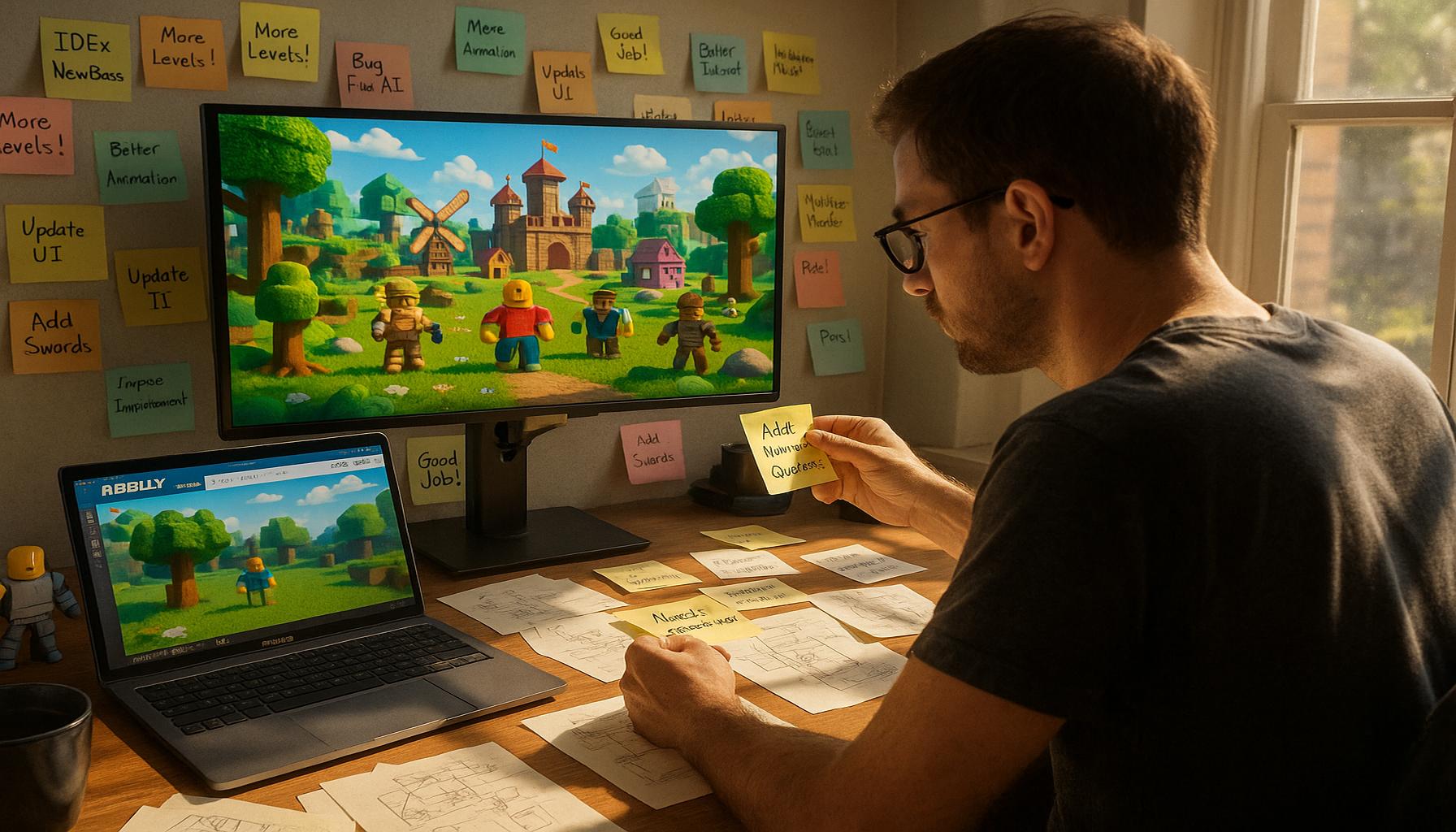
In the vibrant world of game development on Roblox, player feedback acts as a compass guiding developers toward a successful gaming experience. Engaging directly with your gaming community can provide insights that might be overlooked during the creation phase. Let’s dig deeper into how different aspects of your game can be refined through thoughtful feedback from players.
Gameplay Mechanics
Gameplay mechanics are the foundation of any game, determining how players interact with your creation. Are your controls easy to understand? For example, if you’re developing an obstacle course, players should be able to move their character with simple keyboard commands. Gathering feedback on whether they find the controls responsive or if they experience any delays can highlight necessary adjustments. Moreover, asking players if they find the game mechanics enjoyable can lead to innovative ideas about introducing power-ups or unique challenges that enhance the overall experience.
Design and Aesthetics
Visual appeal plays a critical role in attracting and retaining players. The design and aesthetics of your game can significantly influence a player’s first impression. Are the graphics engaging enough? Players often provide insights on color schemes, character designs, and environment layouts. For instance, if you create a fantasy world, feedback might reveal that players love vibrant landscapes featuring intricate details, prompting you to invest more in creating immersive environments. Consider conducting polls or surveys within your game to ask players what elements they enjoy most visually and what could be improved.
Player Experience
The overall player experience is an amalgamation of numerous factors including difficulty level, engagement, and rewards. Players should feel challenged yet not overwhelmed. For example, after introducing a new level with a significantly increased difficulty, a sudden spike in player complaints or drop-off rates could indicate that the challenge exceeds the players’ skill level. Establishing a feedback loop where players can express their feelings about the pacing and challenge can guide you to find the right balance. Additionally, consider adding a reward system where players can share their insights and feel a sense of ownership in the development process.
Implementing Feedback for Improvement
Using player feedback to implement changes can significantly elevate your game, ultimately turning it into a platform for creativity and fun. Regularly updating your game based on community insights not only reflects your commitment to improvement but also fosters loyalty and investment among your players. Players are more likely to return and recommend your game if they see their feedback being taken seriously. Involving your community in this continuous development process can cultivate a supportive environment that enhances both your game and your reputation as a developer.
In summary, actively seeking and thoughtfully integrating player feedback can transform a static game into a dynamic, engaging experience that resonates with your users, making their time on Roblox enjoyable and memorable.
CHECK OUT: Click here to explore more
Gathering and Analyzing Community Feedback
To effectively utilize community feedback, it is essential to implement a systematic approach to gathering and analyzing insights from players. This process not only helps in understanding the needs and preferences of your audience but also creates a pathway for continuous improvement of your game.
Creating Feedback Channels
Establishing various feedback channels is a fundamental step in ensuring that players can easily share their thoughts and suggestions. Here are some effective methods for collecting feedback:
- In-Game Surveys: Incorporate short surveys or polls within your game to gather immediate reactions from players after they complete levels or encounter new features. Tools like Google Forms can help you structure these surveys seamlessly.
- Social Media Engagement: Utilize platforms like Twitter, Discord, and Reddit to reach out to your community. Create dedicated channels for discussions about your game where players can voice their opinions and provide insights.
- Player Reviews: Encourage players to leave reviews on the Roblox platform itself. Positive and negative reviews both offer valuable perspectives on what players value in your game.
- Community Events: Host events like Q&A sessions or game-testing nights where players can participate and share their live feedback while experiencing the game firsthand.
Understanding Feedback Types
It is crucial to categorize the types of feedback you receive to analyze them effectively. Player feedback can be classified into several categories, including:
- Gameplay Suggestions: Ideas about how to enhance mechanics, introduce new features, or adjust the difficulty for better balance.
- Visual Feedback: Comments focused on the artistic direction of your game, covering aspects like character models, textures, and environmental design.
- Technical Issues: Reports on bugs, glitches, or performance issues that may hinder the player experience.
- Player Experience: Insights on how players feel about the game overall, including aspects like engagement, pacing, and enjoyment.
Actively Listening and Responding
Once you have gathered feedback, it’s essential to actively listen and respond to your community. Acknowledging player insights not only shows appreciation but also fosters trust and loyalty. Consider the following actions:
- Regular Updates: Keep players informed about how their feedback is being used. Share development roadmaps that showcase upcoming changes inspired by their suggestions.
- Detailed Responses: When addressing feedback, explain your thought process behind decisions made or changes implemented. This transparency can enhance player engagement.
- Feedback Acknowledgment: Thank players for their input, whether it leads to major changes or minor tweaks. A simple “thank you” can go a long way in making players feel valued.
Incorporating community feedback into your development process can transform your game into a vibrant and dynamic experience. By effectively gathering, categorizing, and responding to player insights, you create an inclusive atmosphere where players feel heard and appreciated. This ultimately paves the way for a game that resonates with your audience, improving both player satisfaction and retention.
SEE ALSO: Click here to read another article
Implementing Changes and Measuring Impact
After gathering and analyzing feedback, the next step is to implement changes that reflect the desires and concerns of your player community. However, it’s equally important to measure the impact of these changes to ensure they are effective and resonate well with your audience.
Prioritizing Feedback for Implementation
Not all feedback holds equal weight, and some suggestions will be more feasible than others. To determine which player insights to implement, consider the following factors:
- Frequency of Requests: Pay attention to feedback that multiple players have highlighted. If a recurring theme emerges, it’s a strong indication of a widespread concern or desire.
- Feasibility: Evaluate your development resources and timeline. Some suggestions may require significant changes that take time and investment, while others could be implemented quickly for instant improvement.
- Alignment with Your Vision: Ensure that the changes you’re considering align with the overall direction and theme of your game. This coherence can help maintain the game’s identity and integrity.
Testing and Iterating Changes
Implementing a new feature or modifying game mechanics should always go through a testing phase. This helps to identify any unforeseen issues before the changes are released to the larger public. Here are some effective practices:
- Beta Testing: Create a beta version of your game where selected players can experience new features before they are fully launched. Invite players who previously provided feedback, as they can offer valuable insights on the effectiveness of the changes.
- Feedback Loops: After testing new features, gather another round of feedback to understand player reactions. This allows for timely adjustments and ensures that players feel their input continues to matter.
- A/B Testing: If you’re considering multiple changes, implement them in two different versions of the game and analyze which version performs better based on player engagement and satisfaction.
Measuring Success with Data Analysis
Once you have implemented changes, data analysis can offer insights into how effective those changes have been. Here are some metrics to track:
- Player Retention Rates: Analyze whether the frequency of players returning to your game increases after implementing changes. A boost in retention rates indicates that the modifications resonate well with players.
- User Engagement Metrics: Look at how players interact with new features—do they spend more time in the game, or are they exploring revamped areas more? High engagement can reflect the success of your adjustments.
- Community Sentiment: Monitor social media channels and community platforms for ongoing conversations about the changes. Positive sentiment can signify that your adjustments have had the desired effect.
Fostering Ongoing Community Engagement
Making your community integral to your game development process doesn’t end after the initial implementation of feedback. Continuing to foster this relationship encourages players to remain invested in your game. Here are ways to engage your community continuously:
- Regular Communication: Update your players about the progress of changes, and share success stories about how their feedback has shaped the game. It keeps the conversation going and involvement high.
- Rewarding Contributions: Consider recognizing players who provide valuable feedback by highlighting them in a special shout-out or rewarding them in-game items. Show that their contributions matter!
- Building a Community Culture: Encourage players to share their opinions openly and constructively. By fostering a positive atmosphere, you create a strong community that thrives on collaboration and feedback.
Utilizing community feedback transforms your game into a collaborative effort, allowing your player base to feel more connected. By implementing thoughtful changes and continually engaging with your audience, you establish a cycle of improvement that can lead to lasting success in the dynamic world of Roblox games.
SEE ALSO: Click here to read another article
Conclusion
Incorporating community feedback into your game development process is not just an optional step; it is a vital component for cultivating a successful game on Roblox. By actively listening to your players, you can better understand their needs and expectations, which ultimately enhances the overall game experience. As we’ve discussed, the journey begins with gathering and analyzing feedback, followed by thoughtful implementation and measurement of changes. This iterative process enables you to align your game with player desires while ensuring that your development vision remains intact.
Moreover, it’s crucial to recognize that fostering a strong community goes beyond mere feedback collection. Engaging your players through ongoing communication, rewarding their contributions, and building a positive culture creates a valuable environment where players feel invested in your game. This healthy cycle not only boosts player satisfaction but can also lead to a loyal fanbase eager to support your game long-term.
As you move forward, remember that every piece of feedback is an opportunity for growth and improvement. By prioritizing effective implementation and continuously measuring the impact of your changes, you can pave the way for sustained success in the vibrant Roblox landscape. Embrace this collaborative spirit, and watch how it enriches your game and strengthens your community.

Linda Carter
Linda Carter is a writer and financial consultant specializing in economics, personal finance, and investment strategies. With years of experience helping individuals and businesses make complex financial decisions, Linda provides practical analyses and guidance on the Uma Caixa Cheia platform. Her goal is to empower readers with the knowledge needed to achieve financial success.