How to use artificial intelligence to create more realistic NPCs in Roblox games
Introduction
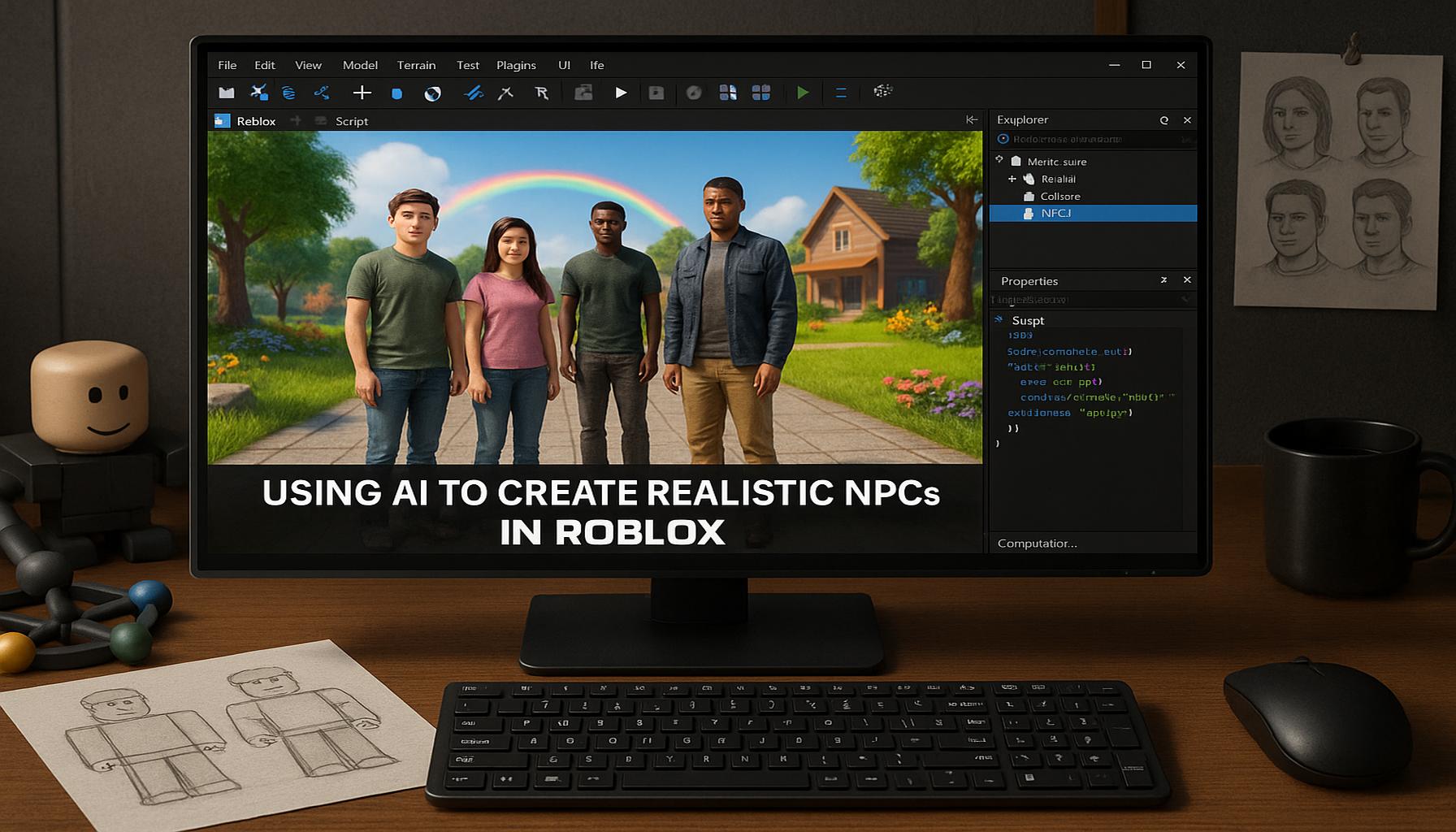
Creating immersive and engaging experiences in Roblox is a primary goal for developers. One of the most effective ways to achieve this is by utilizing artificial intelligence (AI) to enhance non-playable characters (NPCs). AI can transform NPCs from simple scripts into dynamic entities that interact realistically with players, significantly enriching the gameplay experience.
There are several key benefits of integrating AI into your NPC design that developers should consider. For instance, enhanced interactivity allows NPCs to respond uniquely to player actions, which not only makes the gameplay more engaging but also fosters a sense of connection between the player and the game world. For example, if a player chooses to help a village NPC in a quest, the NPC might remember this action and offer exclusive rewards or different storylines in future interactions.
Adaptive behavior is another powerful advantage. With AI, NPCs can learn from player interactions and adjust their responses accordingly. This means that two players could have entirely different experiences while exploring the same game based solely on their individual choices and interactions. Imagine two players encountering the same NPC: Player A may fight a monster, and as a result, the NPC might become more grateful and welcoming, while Player B’s hostile actions could make the NPC defensive and untrusting.
Furthermore, realistic dialogue powered by advanced natural language processing (NLP) allows NPCs to engage in more natural conversations with players. This depth of dialogue can lead to richer storytelling and character development within the game. For example, instead of preset lines, an NPC could generate responses based on the context of the player’s questions, making conversations feel more authentic and less scripted.
As you explore AI options, it’s crucial to consider various frameworks and tools that can assist you in NPC enhancement. One popular choice for Roblox developers is the Roblox AI Toolkit, which offers pre-built functions for integrating AI behavior simply and efficiently. Additionally, machine learning models can be used to train NPCs to craft custom behaviors based on player data, allowing for a unique gameplay experience tailored to individual users.
Moreover, many third-party APIs are available that can help create complex NPC interactions. For instance, developers might utilize APIs for voice recognition or sentiment analysis to enhance communication between players and NPCs, pushing the boundaries of player-NPC interaction.
In the following sections, we will delve deeper into the specific techniques and strategies you can implement to effectively create realistic NPCs in your Roblox games using AI. From foundational concepts to advanced applications, get ready to elevate your game development skills!
SEE ALSO: Click here to read another article
Understanding AI Fundamentals for NPC Design
Before diving into specific strategies for enhancing your NPCs, it’s essential to grasp the fundamental concepts of artificial intelligence that will underpin your efforts. At its core, artificial intelligence involves programming systems to perform tasks that would typically require human intelligence. In the context of Roblox games, AI can equip NPCs with the ability to make decisions, learn from player behavior, and engage in natural conversations.
AI technologies can be categorized into several key areas that are particularly relevant for creating NPCs:
- Rule-Based Systems: These systems operate on predefined rules set by the developer. For example, an NPC may have basic instructions to approach players, offer help, or initiate combat when certain conditions are met. While these are straightforward to implement, they can feel limited and predictable.
- Behavior Trees: This is a more sophisticated method that allows NPCs to exhibit complex behaviors using a tree structure of decisions. For instance, an NPC could analyze the situation around it and choose to either confront a player, flee, or call for help based on various environmental factors.
- Machine Learning: By applying machine learning techniques, NPCs can learn from interactions with players over time, adapting their responses and behaviors to create a more personalized experience. For example, an NPC might learn the player’s preferred quests and tailor future missions accordingly.
When deciding how to implement these AI techniques, consider the type of gameplay experience you wish to create. Engaging players through realistic NPC interactions can significantly uplift the overall gaming experience. One effective approach is to blend these technologies to achieve a balanced and responsive NPC system.
As you plan your NPC interactions, think about designing scenarios that capitalize on the aforementioned AI concepts. For instance, create NPCs with distinct personalities and adaptive responses to player choices. An NPC could be friendly and helpful, offering assistance or quests, or they could be more skeptical and require players to prove their intentions. This variability adds depth to player engagement.
Another innovative technique is using dynamic dialogue systems. Such systems utilize databases of responses that can be triggered by specific player actions or inquiries. Instead of a static set of lines, NPCs can draw upon context clues from the environment and previous interactions to craft responses. This not only makes the conversation feel more lifelike but also enhances the narrative immersion.
To implement these AI solutions effectively, a solid understanding of scripting in Roblox and familiarization with relevant resources is crucial. Roblox’s developer community provides a wealth of tutorials, documentation, and forums where you can learn the ins and outs of AI integration in your games.
By laying a strong foundation in AI concepts and techniques, you will be better equipped to elevate your NPCs, ultimately enriching player experience in your Roblox games. The next step will involve practical application and strategy formulation specific to your game’s design and objectives.
SEE ALSO: Click here to read another article
Leveraging AI Techniques in NPC Development
Once you have a solid understanding of the foundational AI concepts, it’s time to explore practical applications that can help you bring your NPCs to life in your Roblox games. By utilizing the various techniques mentioned earlier, you can create immersive experiences that resonate with players. Here are some strategies to effectively leverage AI in NPC development:
Creating Adaptive NPCs with State Machines
One effective method for NPC behavior is the use of state machines. A state machine is a model that allows NPCs to switch between different states—such as idle, alert, or attack—based on specific triggers or events. For example, an NPC might remain in an idle state until a player comes nearby or performs a specific action, at which point it can transition to an alert state. In this state, the NPC might perform unique animations or dialogues that indicate it has noticed the player. This creates a sense of realism as the NPC reacts dynamically based on player proximity.
Emotion-Based Interactions
Another innovative approach involves integrating emotion-based interactions into your NPCs. Emotions can significantly influence how characters react to different scenarios. For example, you might develop an NPC that projects emotions such as happiness when helping a player and sadness when the player makes a negative choice. Implementing a simple emotion system can be achieved through scripting changes in dialog options or behaviors based on the last few interactions the player had with an NPC. By allowing NPCs to convey emotions, you can create deeper connections and make interactions feel more meaningful.
Utilizing Environmental Context for Realism
Incorporating environmental context into NPC decisions is crucial for realistic behavior. NPCs can be programmed to observe elements in their surroundings, such as the weather or time of day, and adjust their actions accordingly. For instance, if it’s raining in the game, an NPC might seek shelter or express frustration about the weather. By programming NPCs to react to various environmental cues, you can create rich, immersive worlds where characters feel grounded in their settings.
Integrating Player Feedback for Continuous Improvement
To enhance the realism of NPC interactions, consider implementing a system that integrates player feedback. This can be achieved through surveys or in-game prompts that encourage players to provide their thoughts on NPC behavior. Analyzing player feedback allows you to identify what aspects of NPC interactions are well-received and where improvements are needed. You can then adjust their dialogue, outlines for quests, or behavioral triggers based on this feedback. This iterative process fosters a dynamic and adaptive gaming environment that responds to player preferences.
Teaching NPCs to Learn with Reinforcement Learning
For developers looking to take AI integration to the next level, utilizing reinforcement learning can lead to NPCs that evolve based on player behavior over time. In this approach, NPCs are trained using a reward system that reinforces positive behaviors and discourages negative ones. For instance, if players consistently favor certain quest lines, the NPC can learn to prioritize those options. This learning process can help create unique gameplay experiences that vary from one session to another, ensuring that long-term players remain engaged as their interactions with NPCs evolve.
By thoughtfully applying these AI techniques in your Roblox games, you can craft NPCs that provide not only functional interactions but also emotional and responsive experiences that enhance gameplay. The key is to keep experimenting, implementing, and refining your NPCs based on the insights gained from both development and player interaction.
SEE ALSO: Click here to read another article
Conclusion
Incorporating artificial intelligence into the development of NPCs in Roblox games can significantly enhance the gaming experience, making the characters not only more interactive but also more realistic. As we’ve explored, techniques such as utilizing state machines, emotion-based interactions, and environmental context allow NPCs to behave in a manner that feels genuine and responsive to the player’s actions. These methods create a dynamic backdrop that captures players’ attention and encourages deeper engagement with the game world.
Additionally, integrating player feedback creates a loop of continuous improvement, ensuring that NPC interactions remain relevant and appealing. As players express their thoughts on NPC behavior, developers can adjust and refine character dynamics to align with player expectations. Furthermore, by employing reinforcement learning, NPCs can learn and evolve based on the interactions they have with players, which can lead to unique encounters and personalized gameplay experiences.
Ultimately, the goal of using AI in NPC development is to foster an environment where players feel a connection to the characters and the storyline. Developers are encouraged to experiment with these techniques, be open to feedback, and remain adaptable throughout the development process. By doing so, you can create a more immersive and engaging world that resonates with players, making their adventures in Roblox not just entertaining but also memorable.

Linda Carter
Linda Carter is a writer and financial consultant specializing in economics, personal finance, and investment strategies. With years of experience helping individuals and businesses make complex financial decisions, Linda provides practical analyses and guidance on the Uma Caixa Cheia platform. Her goal is to empower readers with the knowledge needed to achieve financial success.