How Roblox User Communities Are Influencing Education and Learning
Transformative Impact of User Communities
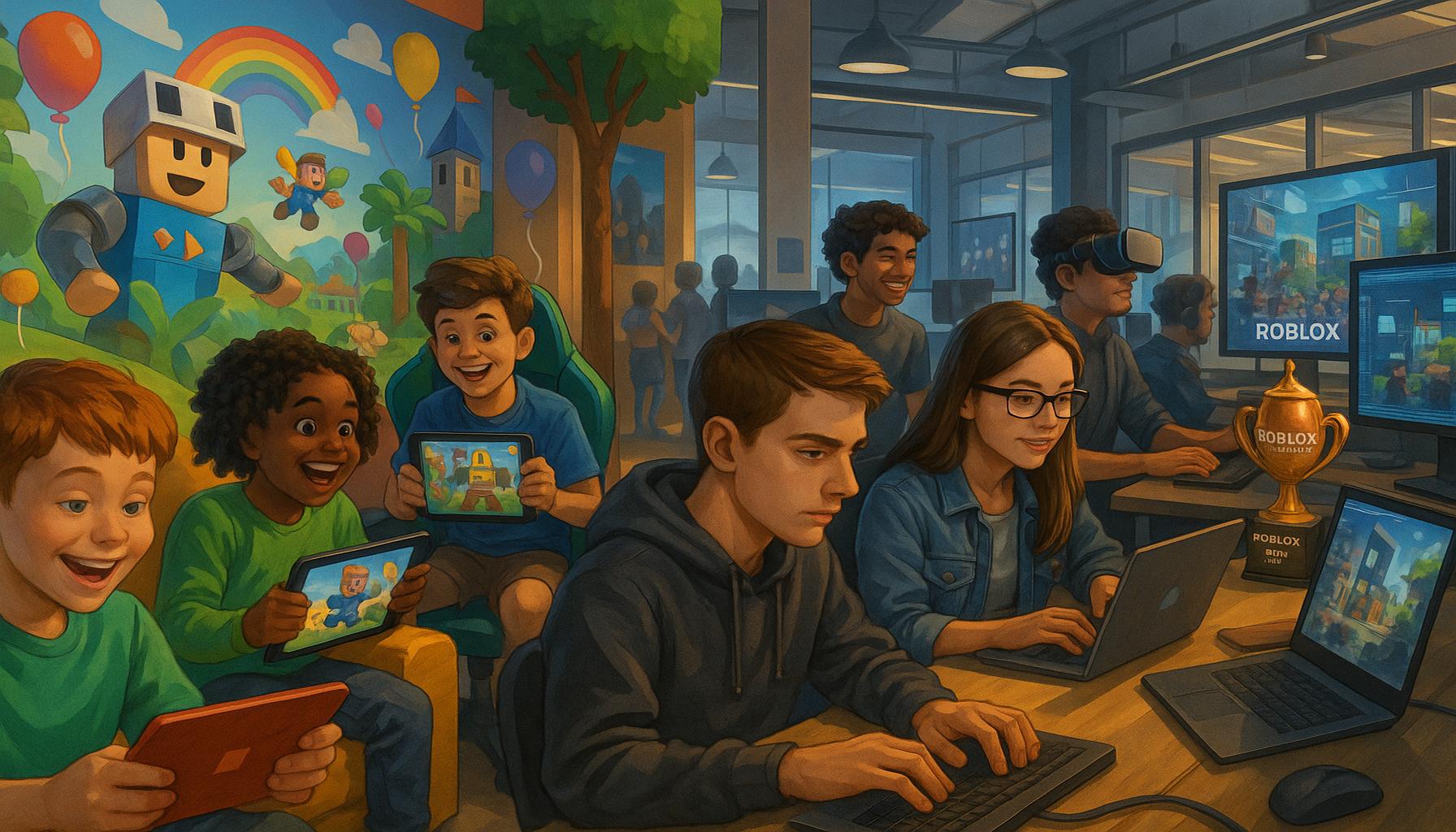
The evolution of Roblox into a platform that supports educational growth reflects a remarkable intersection between gaming and learning. This transformation is largely driven by the vibrant user communities that inhabit the platform. Within these communities, players engage in a variety of activities that not only enhance their gaming experience but also enrich their educational journey.
Collaborative Learning
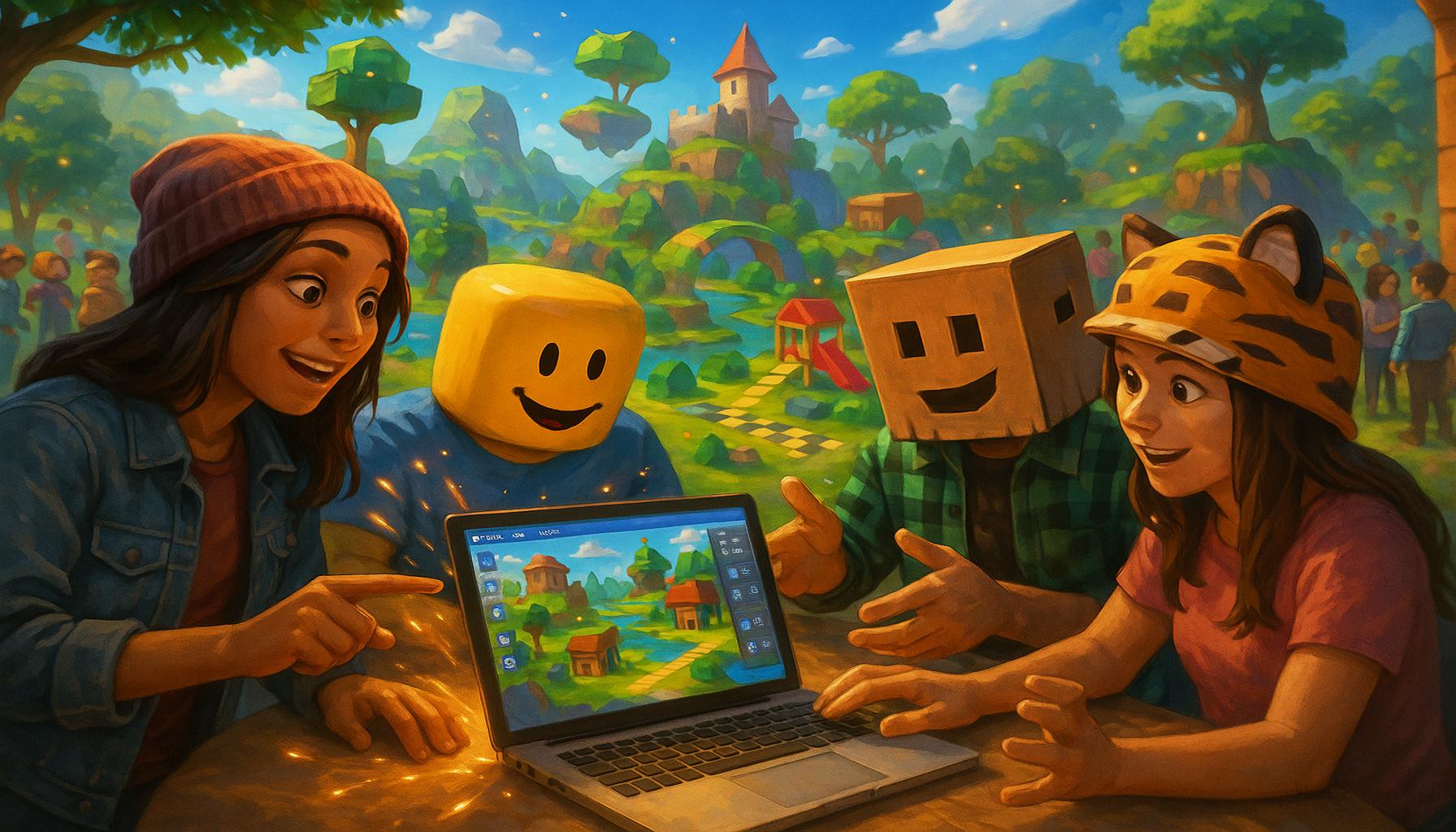
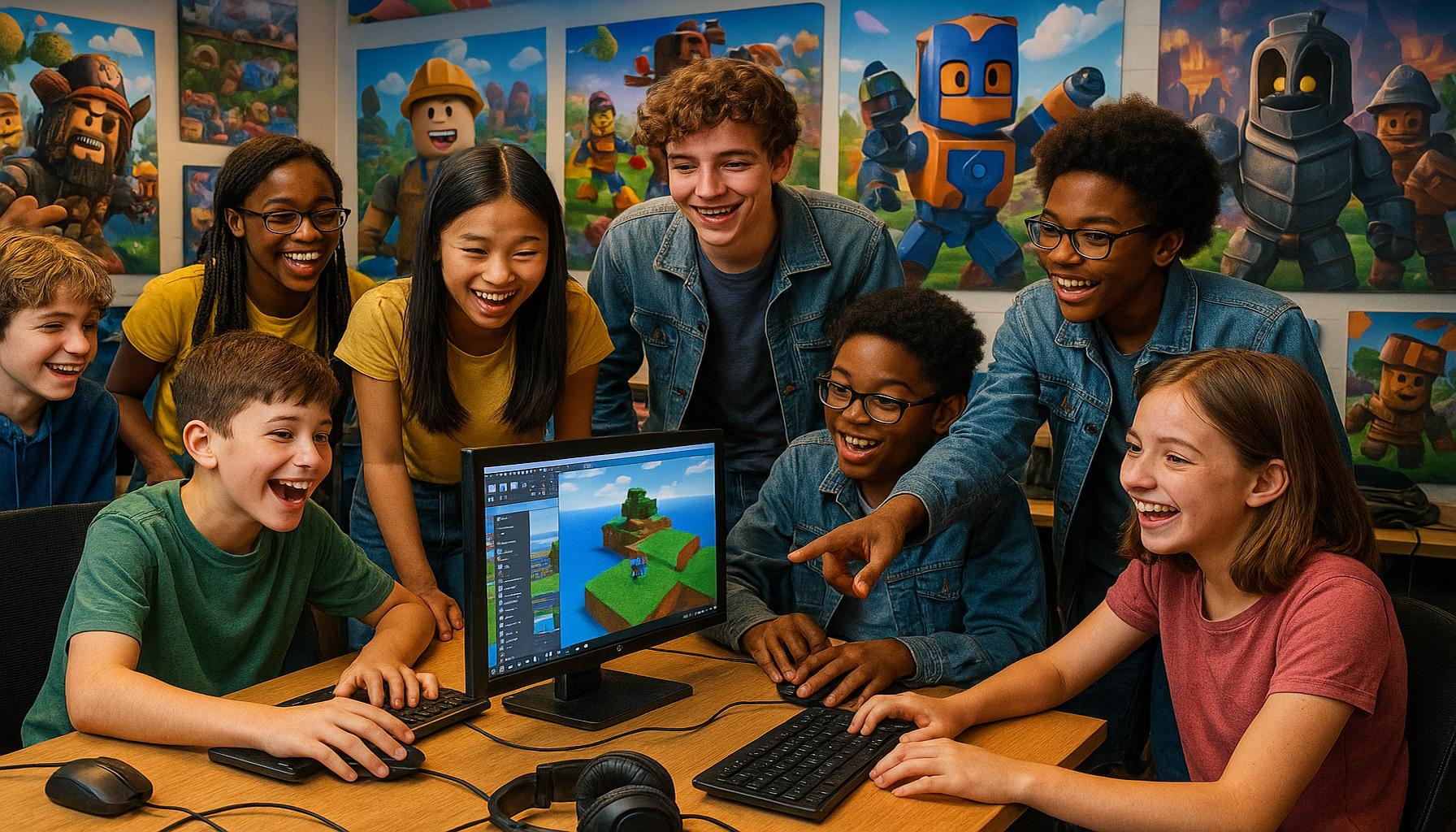
Collaborative learning is a cornerstone of the Roblox experience. When users come together to create games, they naturally foster an environment where teamwork and problem-solving skills flourish. For instance, in a collaborative effort to design a new racing game, participants must communicate effectively, divide roles based on each member’s strengths, and address any challenges that arise during the development process. This teamwork mirrors project-based learning in educational settings, where students might collaborate on science projects or group presentations. Thus, children are not just playing games; they are learning how to work with others, articulate their ideas, and resolve conflicts constructively.
Access to Learning Resources
Another significant aspect of the Roblox community is the shared access to learning resources. Many experienced users contribute by creating tutorials and instructional content that guide others through various aspects of game development. For example, platforms like YouTube are filled with step-by-step video guides on scripting and design techniques. A budding game developer might watch a tutorial on Lua scripting—a core programming language used within Roblox—to create interactive elements in their game. This democratization of knowledge allows individuals to learn at their own pace and encourages a culture of mentorship within the community. As users share insights and tips, they create a supportive ecosystem where everyone can thrive.
Real-World Skills Development
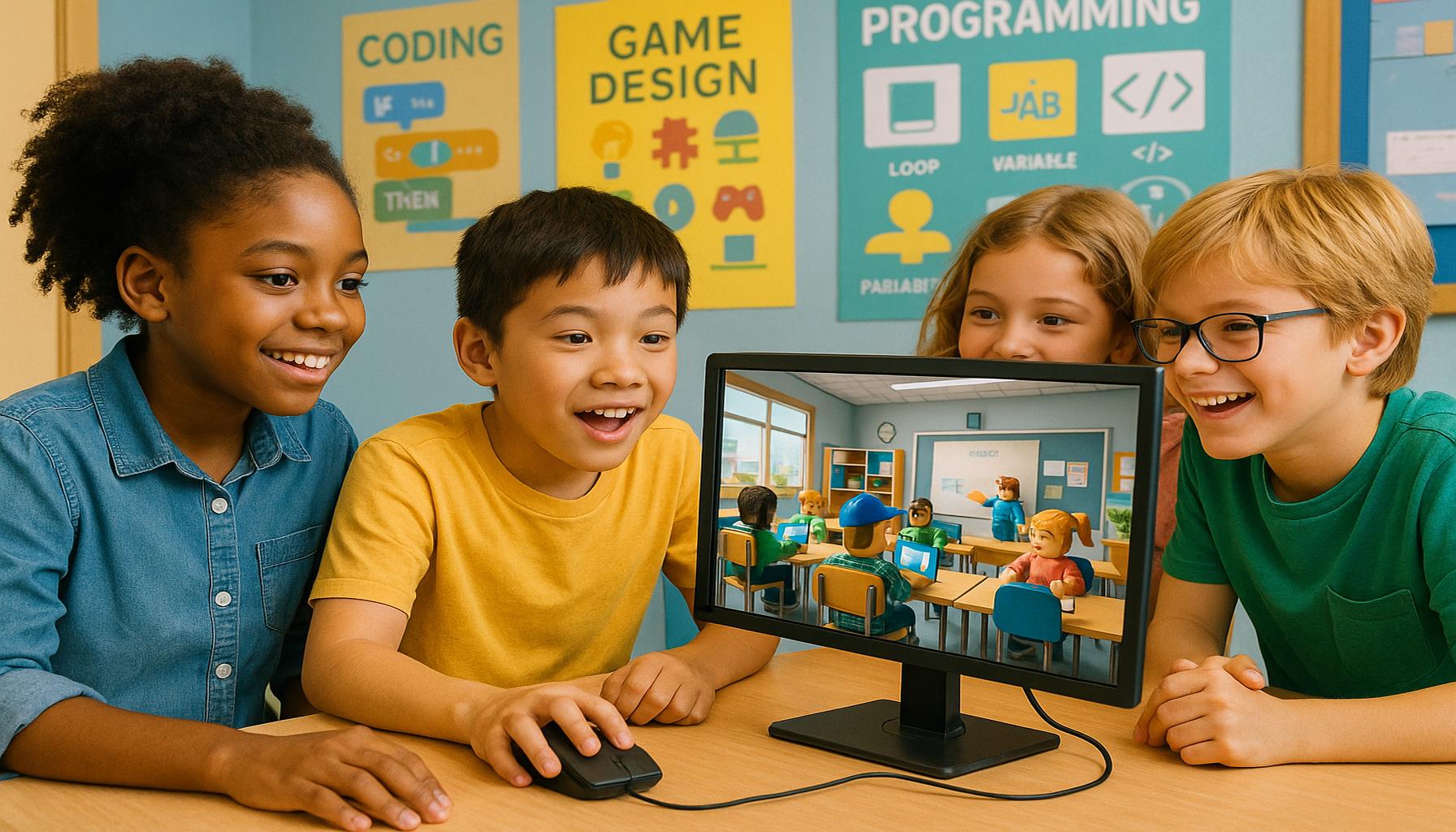
Roblox serves as an excellent platform for real-world skills development. Users gain hands-on experience with skills that are highly relevant across various fields. For example, while designing a game, young developers often learn fundamental concepts of programming, graphic design, and project management. They might find themselves tasked with organizing their work, setting deadlines, and managing resources, all of which are crucial skills in any career. Moreover, participating in game development can spark interest in STEM (Science, Technology, Engineering, and Mathematics) fields, opening pathways for future education and job opportunities.
The elements of collaborative learning, access to resources, and skill development in Roblox highlight that engaging in playful activities can also lead to profound educational benefits. As students immerse themselves in these enriching experiences, they build a foundation of critical skills that align seamlessly with traditional educational goals.
In the following sections, we will delve deeper into specific examples of how these user communities are shaping modern education. By analyzing these influences, educators and parents can gain invaluable insights into how platforms like Roblox can be leveraged to enhance learning in today’s digital age.
CHECK OUT: Click here to explore more
Empowering Creativity through Game Design
One of the most compelling aspects of the Roblox platform is its ability to empower users to engage in creative expression through game design. By providing tools and resources to create their own games, Roblox encourages players not only to participate in gaming but to become creators. This shift transforms their engagement, allowing them to harness their imaginative ideas and turn them into interactive experiences.
For young learners, this process of designing a game—whether it be a simulation of a real-world scenario, a fantasy adventure, or a puzzle-solving quest—requires them to think critically and creatively. As they brainstorm game mechanics, craft storylines, and design graphics, they encounter challenges that demand innovative solutions. This serves as an excellent way to apply the principles of creativity and design thinking that are essential in many modern educational frameworks.
Hands-On Learning Experiences
The opportunities for hands-on learning experiences on Roblox are vast. When users decide to create a game, they often start by spending time researching existing games to identify what works and what doesn’t. This involves analyzing gameplay mechanics, art styles, and user feedback. The act of reverse engineering games sharpens critical thinking skills and encourages observation, which are valuable assets not only in gaming but in academic disciplines such as science and history.
- Game Mechanics: Understanding how different elements interact forms foundational knowledge in systems thinking that extends to various subjects.
- Storytelling: Crafting narratives within their games teaches users about plot structure, character development, and thematic exploration, mirroring traditional literary skills.
- Problem-Solving: Overcoming obstacles during game design—such as debugging code or improving user interfaces—trains users in resilience and analytical thinking.
Roblox not only facilitates the development of these skills but also encourages users to showcase their creations to the community. Presenting their work invites peer feedback and opens avenues for improvement, reinforcing a mindset geared towards continuous learning. This cycle of creation, presentation, and iteration mirrors practices found in higher education and professional environments, making it immensely beneficial for young learners preparing for future challenges.
A Nurturing Environment for Feedback and Growth
The Roblox user community plays a crucial role in fostering an atmosphere where feedback and growth are part and parcel of the game development process. As new developers release their games to the public, they often receive comments and ratings from fellow users. This feedback can lead to significant improvements, as creators learn to address player concerns or enhance gameplay based on real-time user experiences. This cycle of receiving constructive criticism and adjusting their designs cultivates a growth mindset, allowing them to view challenges as opportunities to improve rather than setbacks.
Through these engaging activities, the Roblox platform empowers its community members—not just as gamers but as innovative thinkers and problem solvers. Subsequently, these experiences serve to bridge the gap between play and education, demonstrating that meaningful learning can occur in both structured and unstructured environments. As we explore further, we can uncover even more ways in which Roblox user communities are making their mark on modern education.
SEE ALSO: Click here to read another article
Collaboration and Social Learning
In addition to fostering creativity, the Roblox platform significantly enhances collaboration and social learning. Many users work together on game development projects, allowing them to pool their skills and ideas to create richer, more engaging experiences. This collaborative aspect mirrors the teamwork often found in classroom settings, promoting vital social skills such as communication, responsibility, and leadership.
For example, when a group of users decides to build a multiplayer game, they must assign roles based on each member’s strengths. One might focus on coding, another on art design, while yet another might handle storytelling. This division of labor not only streamlines the development process but also provides a practical environment for users to learn from each other. As they share knowledge and tackle challenges as a team, they engage in what educators refer to as social constructivism—an essential theory in modern education that emphasizes learning as a social process.
Building a Global Network
The Internet transcends geographical barriers, making the Roblox community a rich tapestry of global perspectives and backgrounds. Users from different parts of the world interact, exchange ideas, and collaborate, which can greatly enhance their understanding of diverse cultures. This international contact fosters an inclusive worldview that is increasingly valuable in today’s globally connected society. By working with creators from various countries, young developers are not only learning game design but also gaining skills that are critical in a multicultural work environment.
- Language Skills: Interacting with peers from around the world who speak different languages can enhance communication skills and even encourage language learning.
- Cultural Awareness: Collaborating on a game that incorporates elements from various traditions can educate users about different ways of life.
- Conflict Resolution: Disagreements are inevitable in collaborative settings. Learning to navigate conflicts amicably helps build essential interpersonal skills.
The community-driven support often extends beyond just game-making. Tutorials, streaming sessions, and forums allow users to share knowledge and best practices, creating a mentorship culture. Veteran developers frequently guide newcomers, which enriches the learning experience, fosters relationships, and builds a sense of community. This caring environment encourages users to ask questions and seek help, reinforcing the notion that learning is a lifelong pursuit.
Entrepreneurial Skills Development
Interestingly, Roblox not only influences educational methodologies but also nurtures entrepreneurial skills among its users. The ability to monetize their games fosters a sense of business acumen, as developers learn about marketing, branding, and user engagement. Those who invest time in creating popular games often turn their passion into a source of income, thus cultivating an entrepreneurial mindset at a young age.
Users who successfully launch their games must think critically about how to attract and retain players. They often utilize social media channels to promote their work, conduct surveys to gather player feedback, and even run in-game events to drive engagement. These activities require strategic thinking and planning, akin to running a small business. Schools that recognize this aspect of Roblox can adapt their curricula to incorporate lessons in entrepreneurship, creativity, and digital marketing, ensuring students are well-prepared for the modern workforce.
As we delve deeper into the impact of Roblox user communities, we uncover how they are shaping critical skills that extend far beyond gaming, preparing young learners for the challenges and opportunities that await them in the real world.
SEE ALSO: Click here to read another article
Conclusion
In summary, the impact of Roblox user communities on education and learning is profound and multifaceted. By blending creativity with collaboration, these communities foster an environment where young learners can thrive. Through teamwork on game development projects, users are not only enhancing their technical skills but also embracing social skills that are invaluable in academic and professional settings.
Moreover, the global aspect of the Roblox platform introduces users to diverse cultures and perspectives, crucial for cultivating a well-rounded worldview in today’s interconnected society. The interactions that occur within the community encourage language skills, promote cultural awareness, and develop essential conflict resolution abilities. These elements play a significant role in preparing students to navigate real-world challenges with confidence and empathy.
Furthermore, as users engage in entrepreneurial endeavors by creating and monetizing their games, they acquire critical business skills, learning to market and manage their projects effectively. This prepares them for future workforce demands, blending education with practical experience in a way that is both relevant and engaging.
Ultimately, as educators and parents recognize the potential of platforms like Roblox, there is an opportunity to harness these elements within traditional educational frameworks. By integrating lessons on creativity, collaboration, global awareness, and entrepreneurship, we can equip students with the necessary tools for lifelong learning and success. The future of education is not just about knowledge acquisition; it is about preparing learners to adapt and flourish in an ever-evolving world.

Linda Carter
Linda Carter is a writer and financial consultant specializing in economics, personal finance, and investment strategies. With years of experience helping individuals and businesses make complex financial decisions, Linda provides practical analyses and guidance on the Uma Caixa Cheia platform. Her goal is to empower readers with the knowledge needed to achieve financial success.